

Ljubljana
Ljubljana, Slovenia's charming capital, offers a delightful blend of historical allure and modern vibrancy. Nestled along the Ljubljanica River, this picturesque city invites visitors to explore its well-preserved medieval architecture and vibrant cultural scene. At the heart of Ljubljana is the iconic Ljubljana Castle, perched on a hilltop with stunning panoramic views of the city.
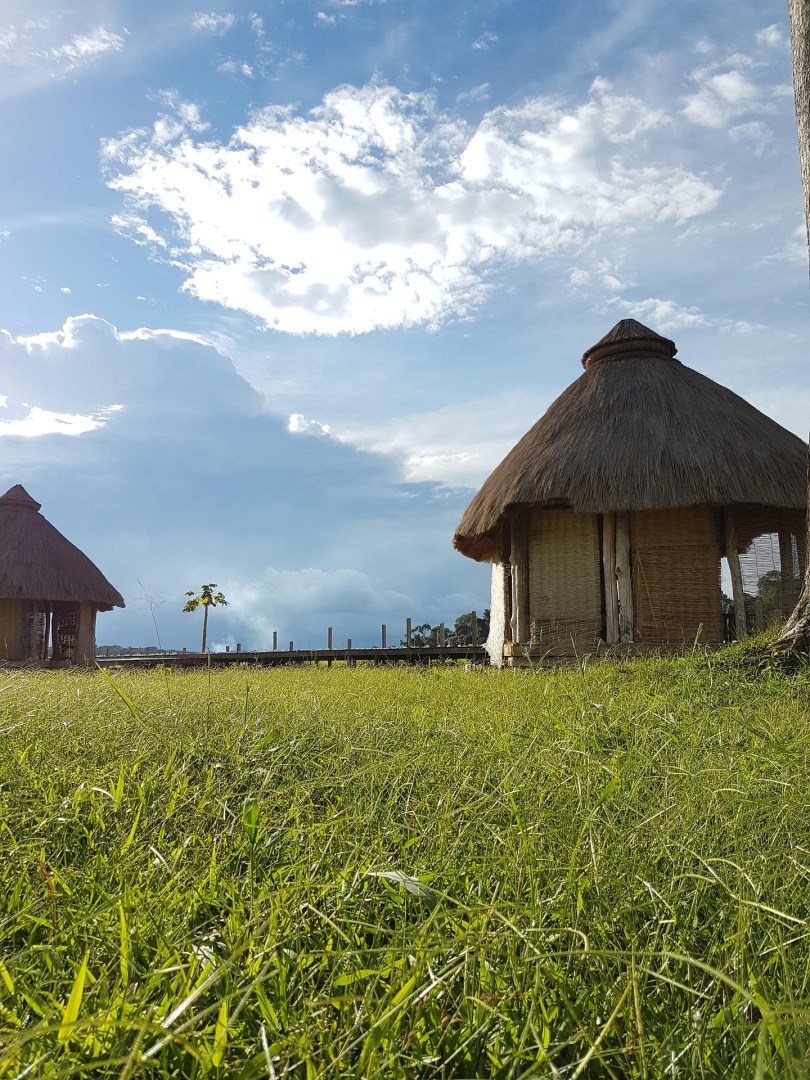
Cameroon
Cameroon is often called “Africa in miniature” for good reason. Within its borders, travelers can explore coastal beaches, dense rainforests, vast savannas, active volcanoes, and snow-capped peaks, all without crossing a border. The country’s most iconic landmark, Mount Cameroon, is the highest mountain in West Africa and an active volcano that draws hikers from around the world.
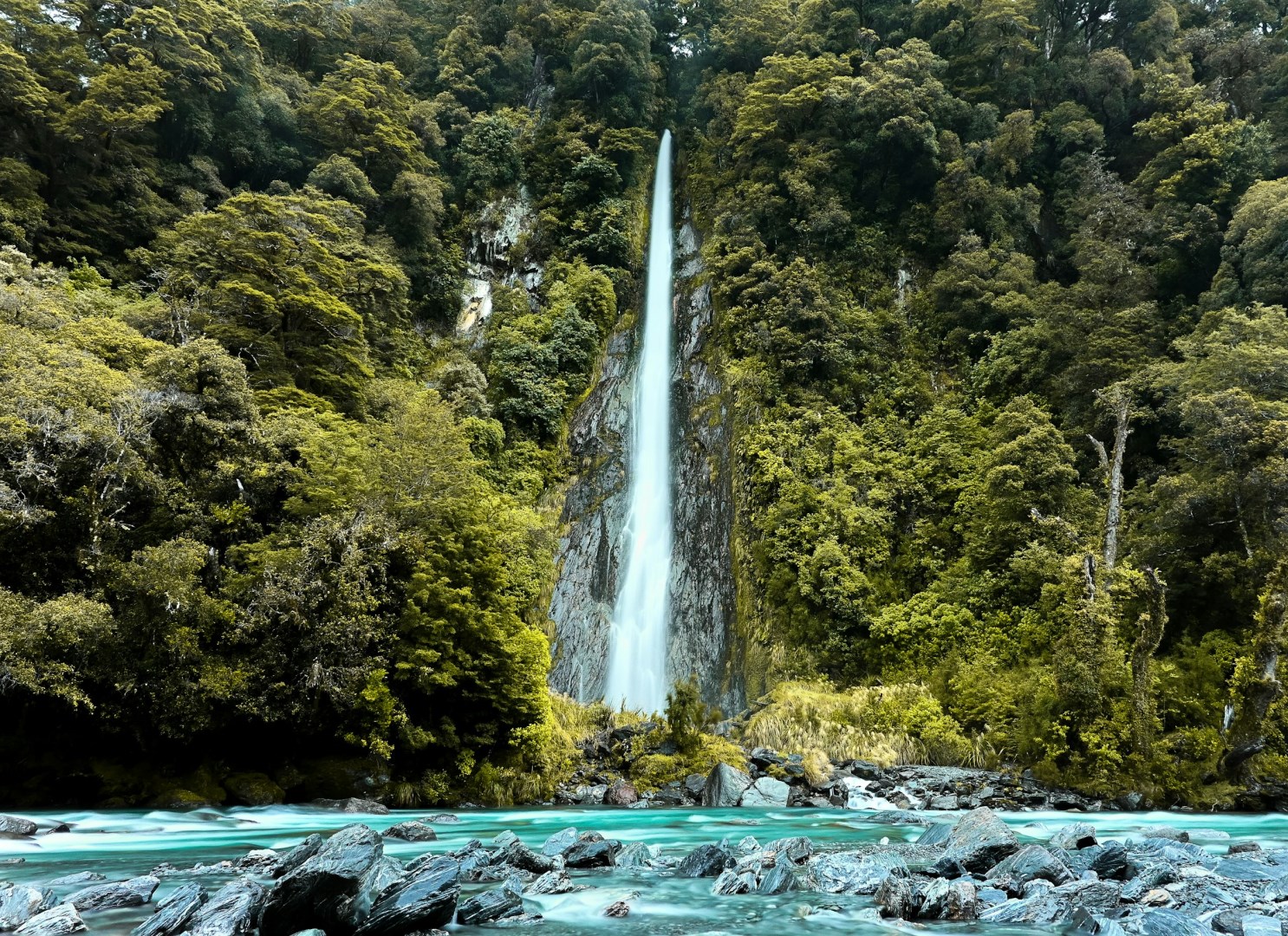
Mount Aspiring National Park
Mount Aspiring National Park occupies a large section of the Southern Alps in New Zealand’s South Island, extending across remote mountain country between Wānaka, Glenorchy, and the Haast Pass area. Covering more than 350,000 hectares, the park contains high peaks, glacial valleys, rivers, forests, alpine lakes, and extensive wilderness.
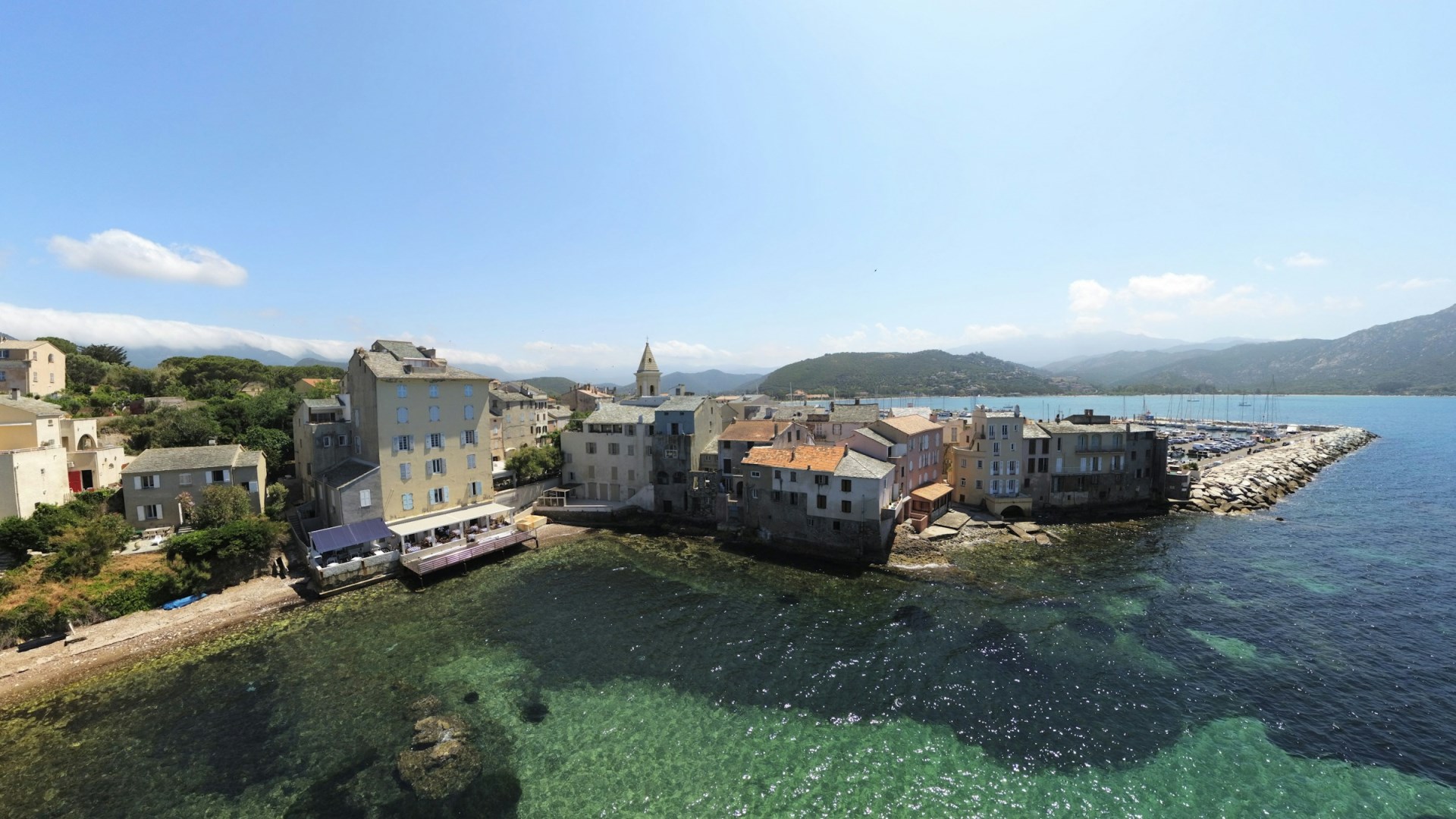
Saint Florent Corsica
Saint Florent is a harbor town located on the island of Corsica off the coast of France. At the end of one of the most beautiful gulfs of the Mediterranean, Saint Florent is a unique town, offering sights such as the Genoese citadel and yachting port. Nebbio Cathedral, built in the 12th century, is another popular attraction, and fine white-sand beaches can be found nearby.
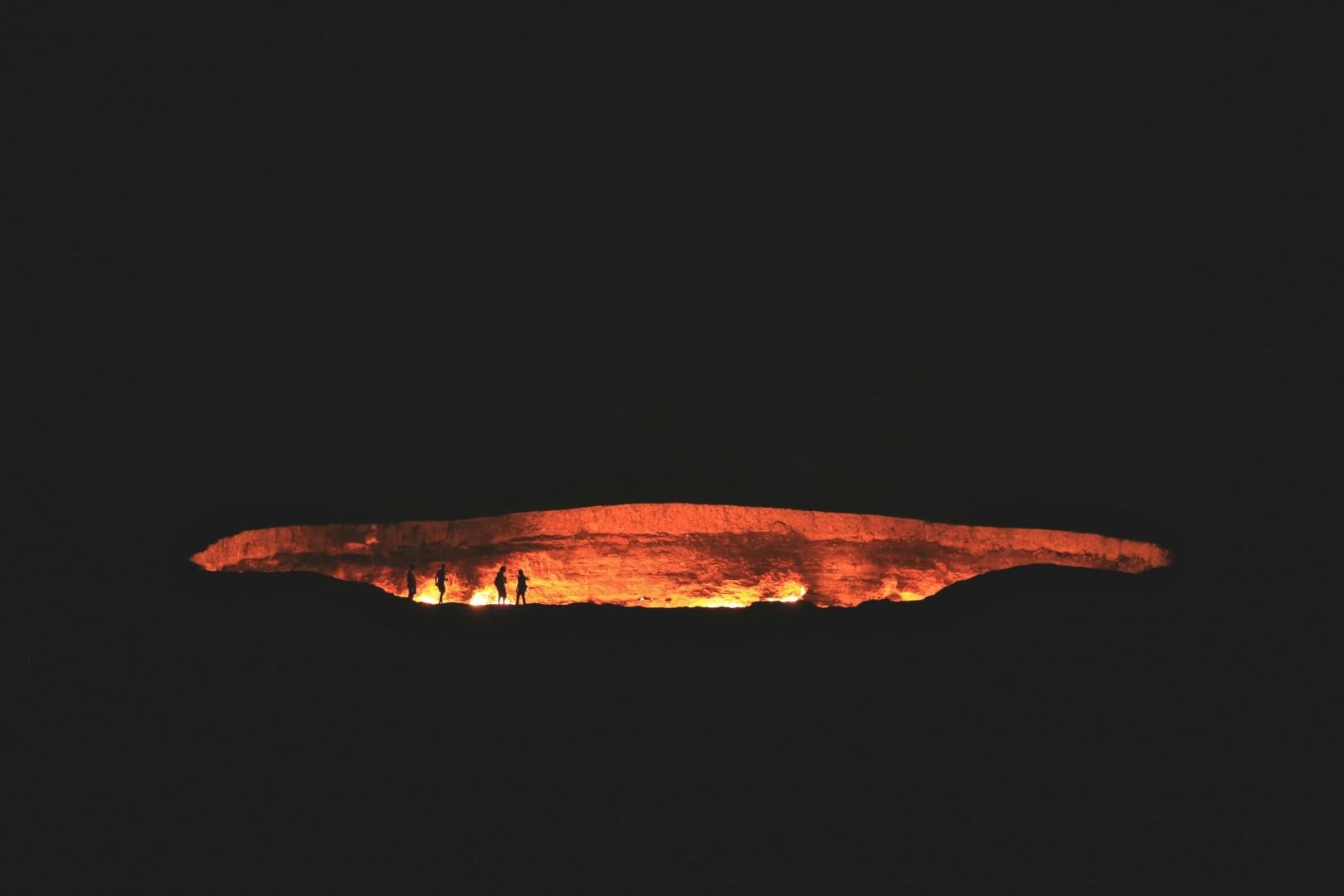
Darvaza
The Darvaza Gas Crater, famously nicknamed the “Door to Hell,” is one of Turkmenistan’s most extraordinary landmarks. Located deep in the Karakum Desert, this fiery pit has been burning continuously since the early 1970s, when Soviet engineers reportedly set fire to a collapsed natural gas field to prevent the spread of methane.
