
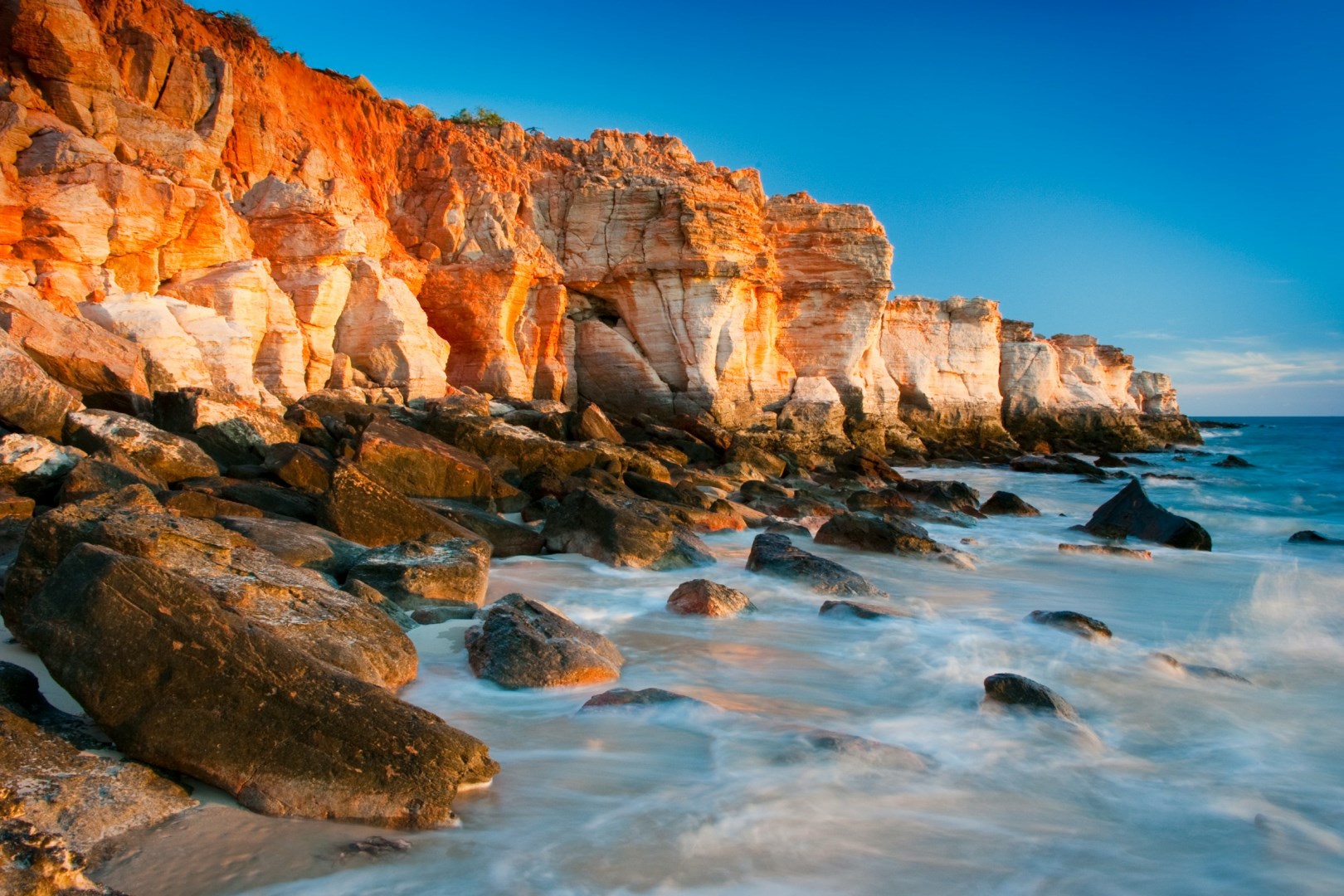
Dampier
Dampier Peninsula is situated along the north east coast of western Australia within the famous Kimberley. Around half of the Peninsula is covered by Aboriginal land, and so you should check with the Tourist Information Centre in Broome about the areas where you may not be permitted. However, there are several places where you can stay.
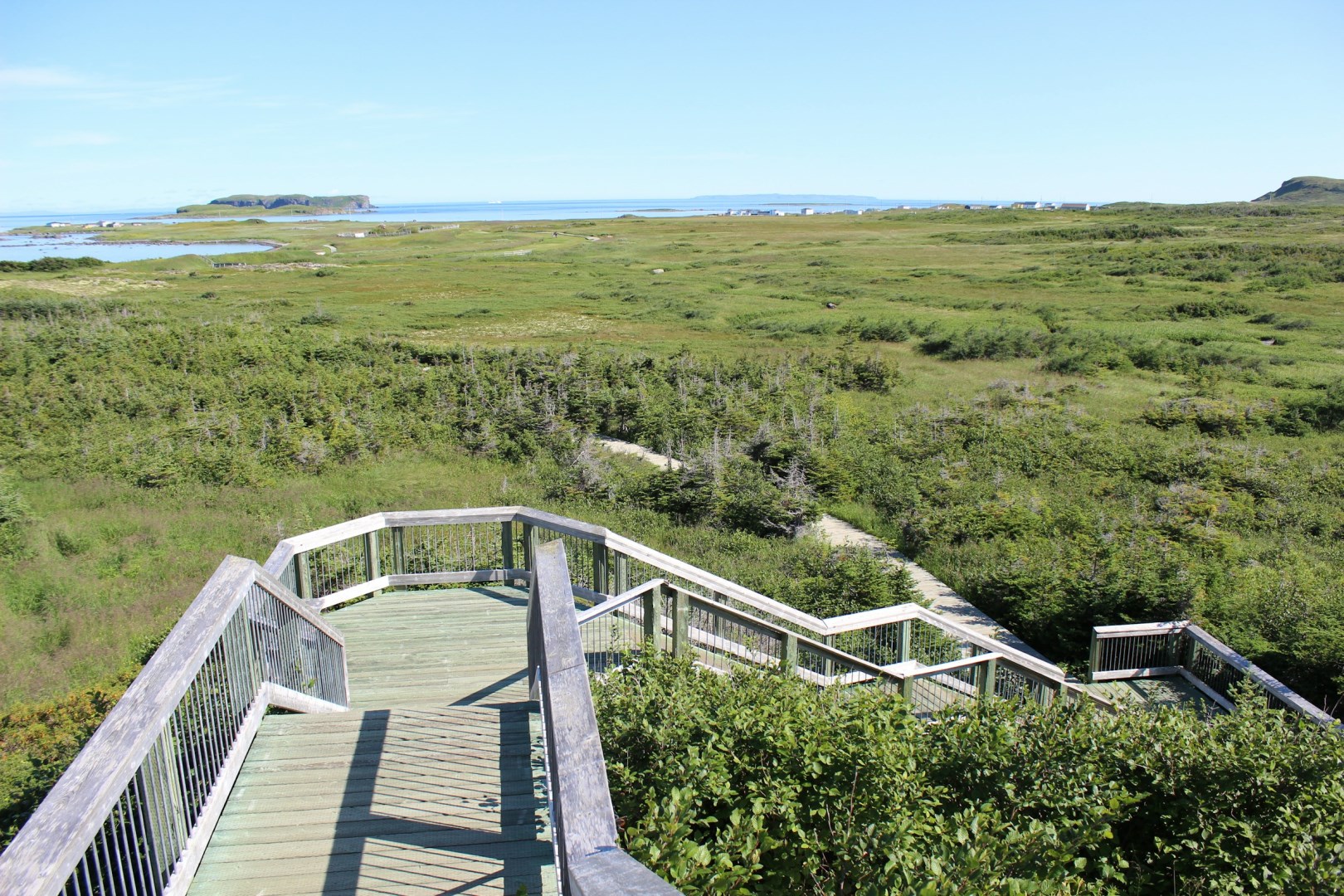
L'Anse Aux Meadows
L'Anse aux Meadows is a coastal settlement and archaeological site at the northern tip of Newfoundland's Great Northern Peninsula. The surrounding landscape consists of low coastal terrain, peat bogs, rocky shorelines, and exposed areas overlooking the Strait of Belle Isle. The area is best known for its Norse archaeological remains, which provide the earliest confirmed evidence of European presence in North America.

Dominica
Dominica, known as the “Nature Island of the Caribbean,” is a haven for eco-tourists and adventure seekers. Nestled between the French islands of Guadeloupe and Martinique, this lush island boasts a remarkable landscape of volcanic mountains, dense rainforests, and stunning waterfalls. Dominica’s most iconic natural wonder is the Boiling Lake, the second-largest hot spring in the world.
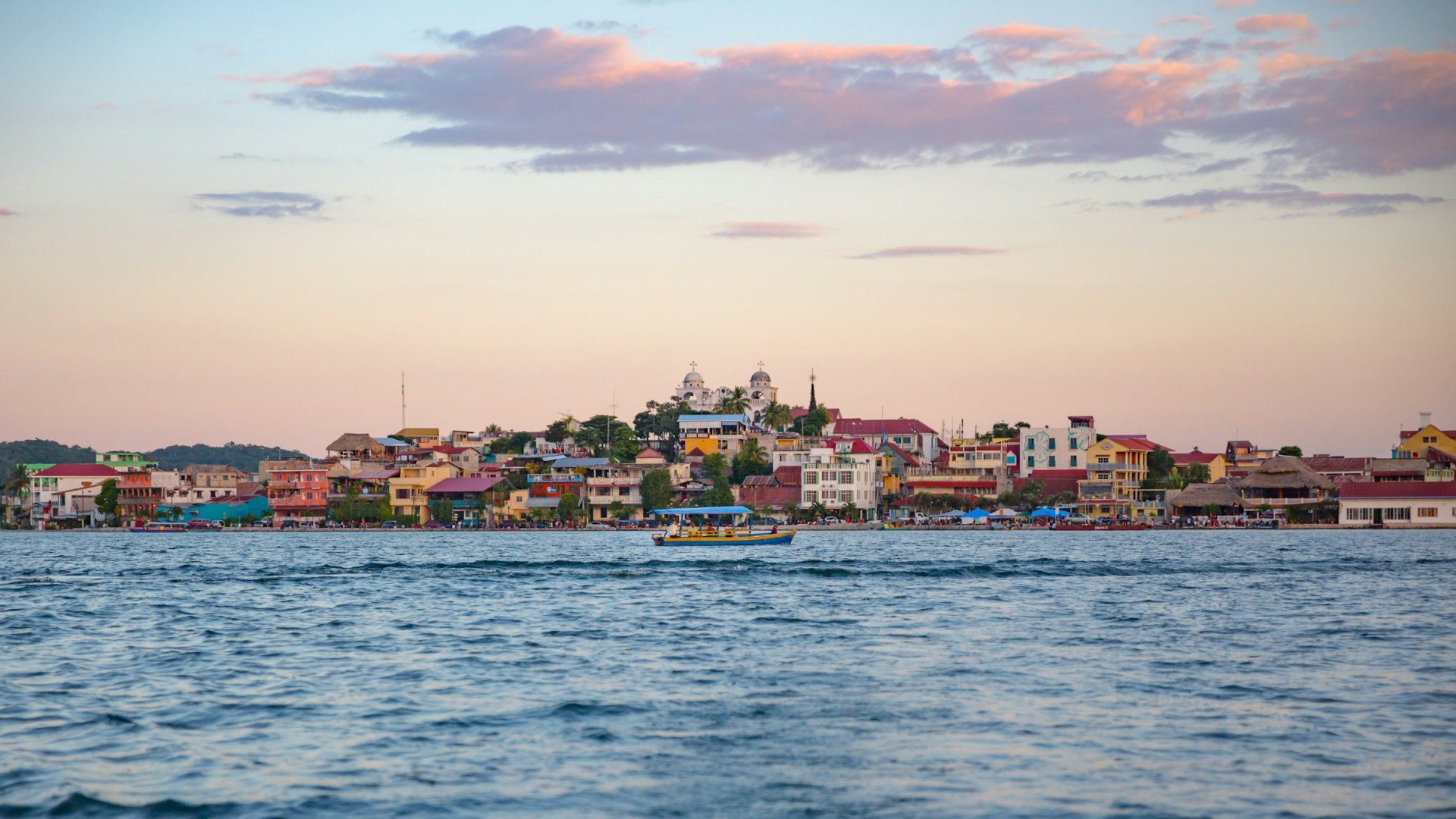
Flores
Flores is the capital of Guatemala's Petén department and occupies a small island in Lake Petén Itzá, connected to the mainland by a causeway. The compact island is known for its colorful buildings, narrow streets, waterfront promenade, and views across the lake. Flores also serves as a base for exploring the archaeological and natural attractions of northern Guatemala.
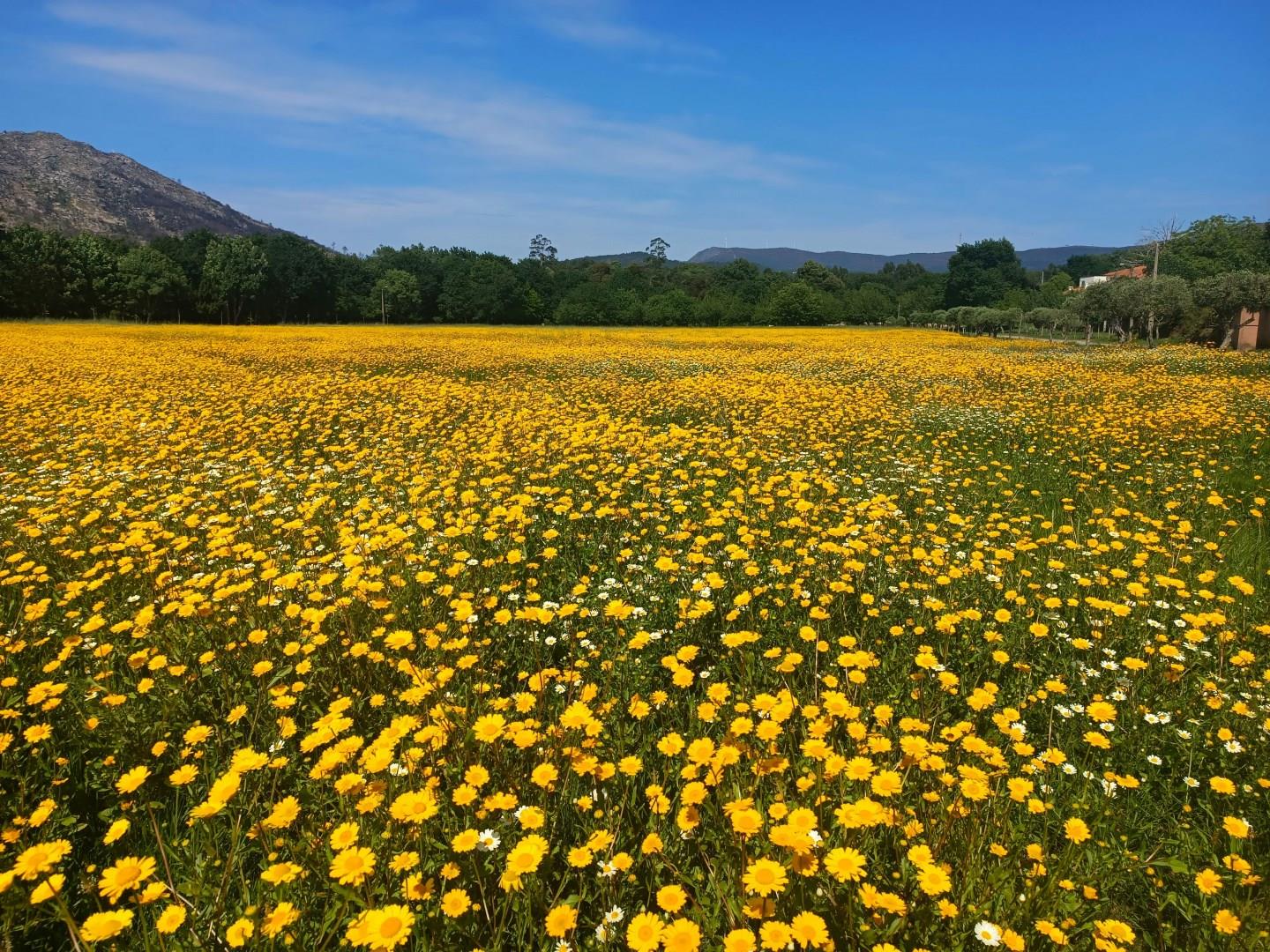
Caminha
Caminha sits at Portugal’s northern edge, where the Minho River meets the Atlantic and marks the border with Spain. Its history is closely tied to defense and trade, visible in remnants of medieval walls and a compact historic center that once guarded the river mouth.
