

Dominica
Dominica, known as the “Nature Island of the Caribbean,” is a haven for eco-tourists and adventure seekers. Nestled between the French islands of Guadeloupe and Martinique, this lush island boasts a remarkable landscape of volcanic mountains, dense rainforests, and stunning waterfalls. Dominica’s most iconic natural wonder is the Boiling Lake, the second-largest hot spring in the world.
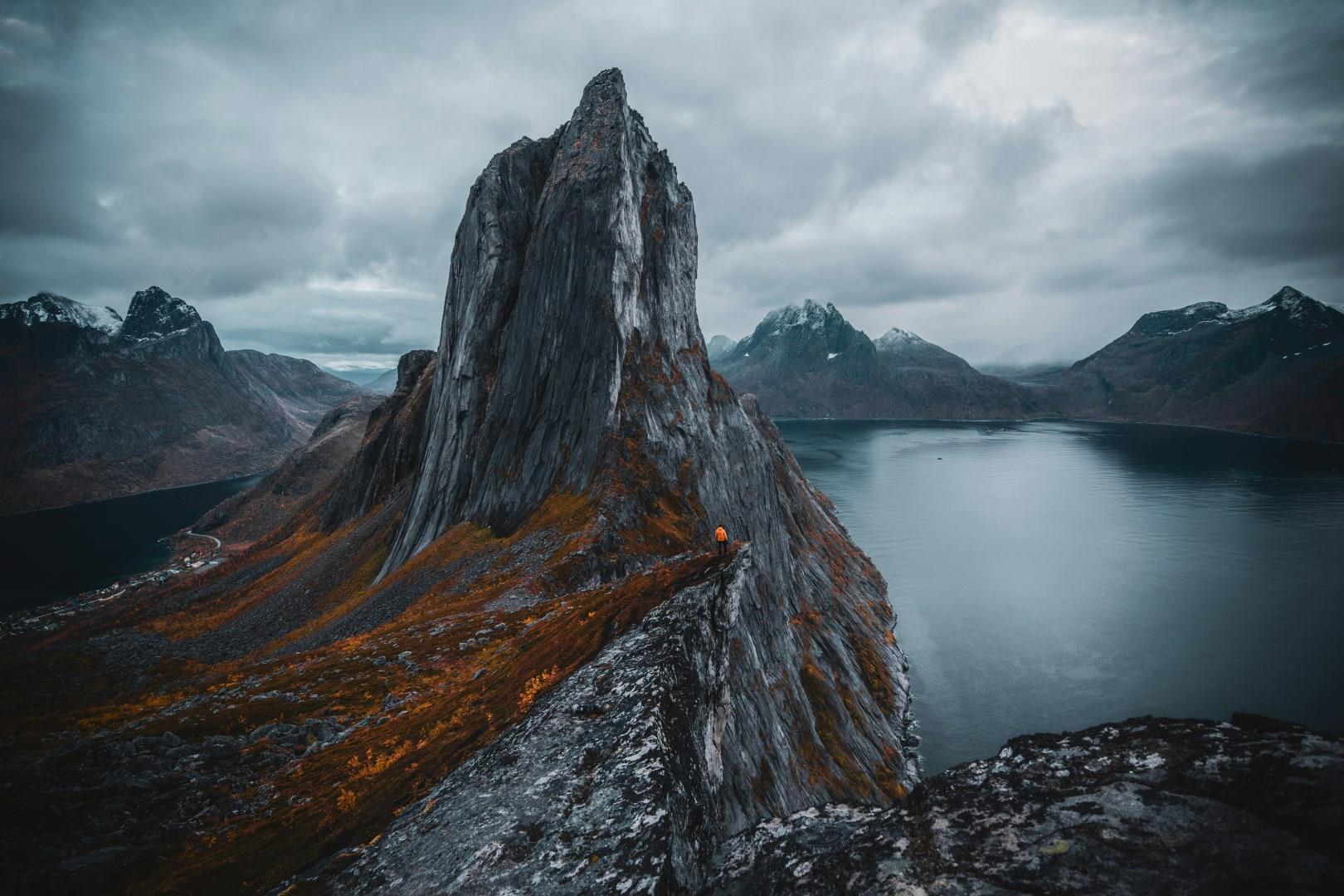
Senja
Senja is Norway’s second-largest island, located well above the Arctic Circle and often described as a condensed version of the country’s most dramatic landscapes.
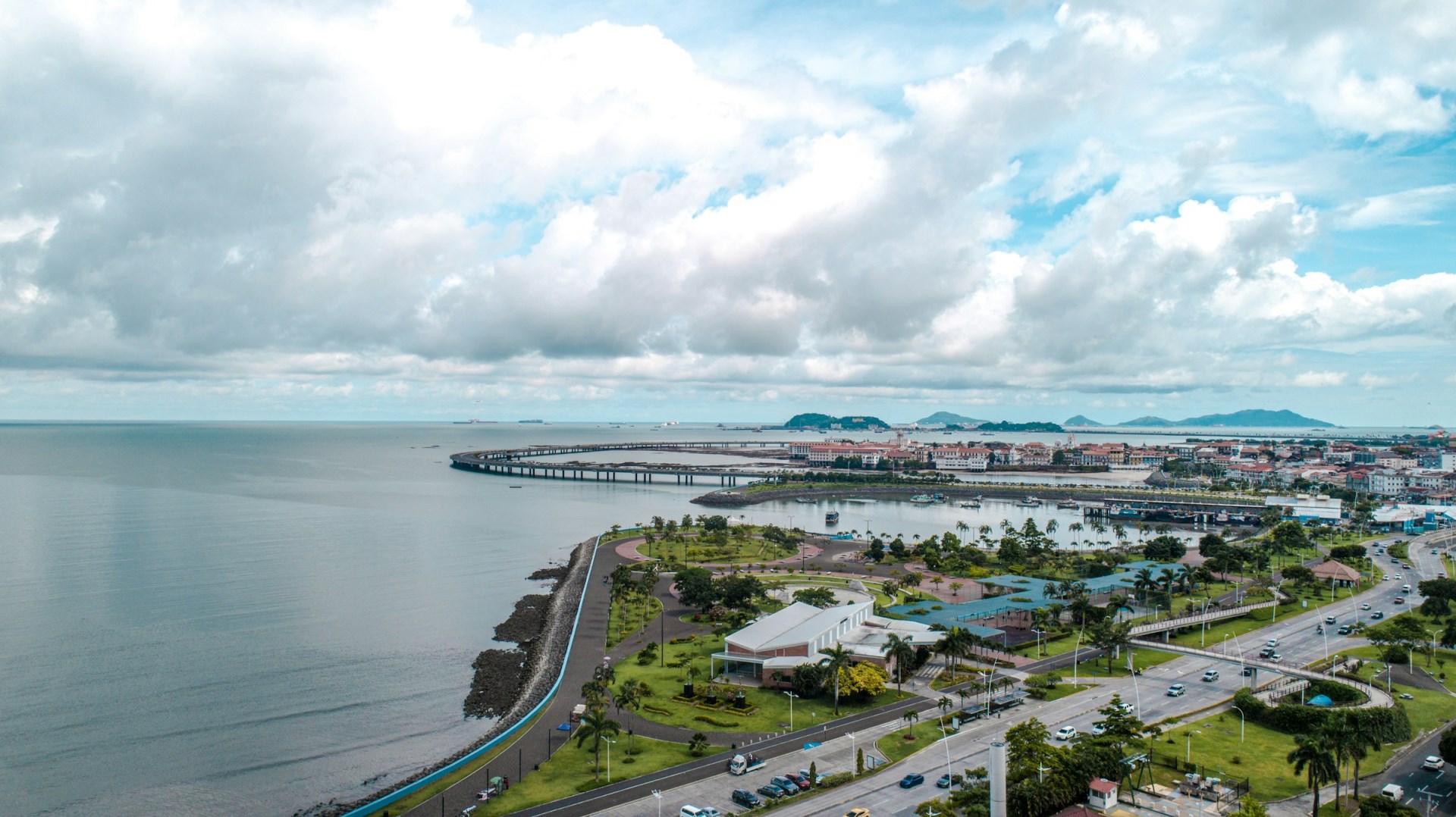
Balboa
Balboa, Panama rests on the Southern tip of the Panama Canal, with the capital city of Panama lying just on the opposite side. It is a wonderful tourist community for anyone visiting the Panama Canal.

Bibury
Bibury, often described as one of the most beautiful villages in England, is a must-visit destination in the heart of the Cotswolds. The village is famous for its idyllic setting along the River Coln and its stunning stone cottages that date back to the 17th century. Chief among these is Arlington Row, a series of picturesque weavers’ cottages that have become one of the most photographed spots in England.
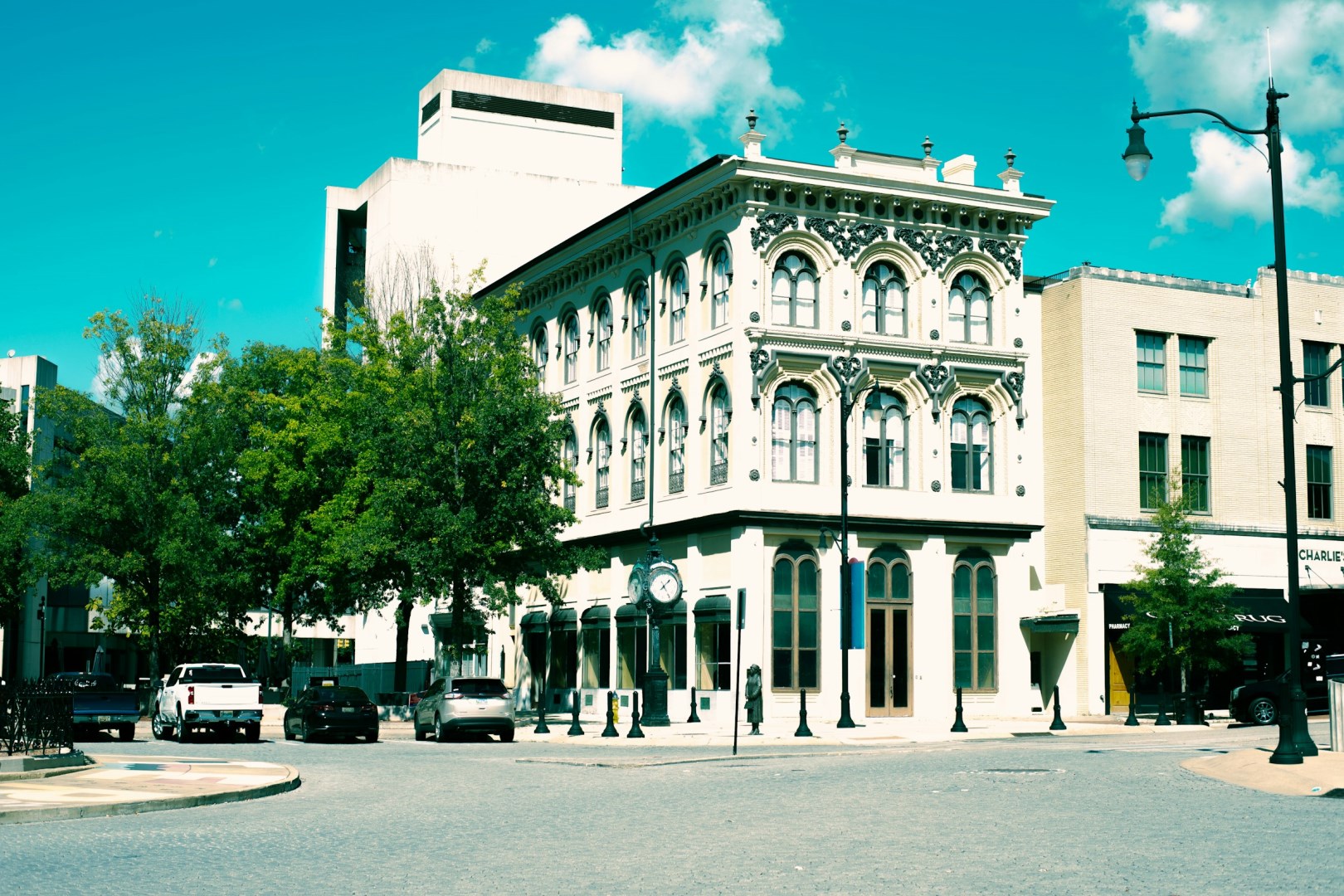
Montgomery
Montgomery, capital of Alabama and seat of Montgomery County, a port on the Alabama River, in the central part of the state. Montgomery is the site of Alabama State University (1874), Auburn University at Montgomery (1967), Huntingdon College (1854), Troy State University at Montgomery (1966), Faulken University (1942), and a junior college.
