
Grenada
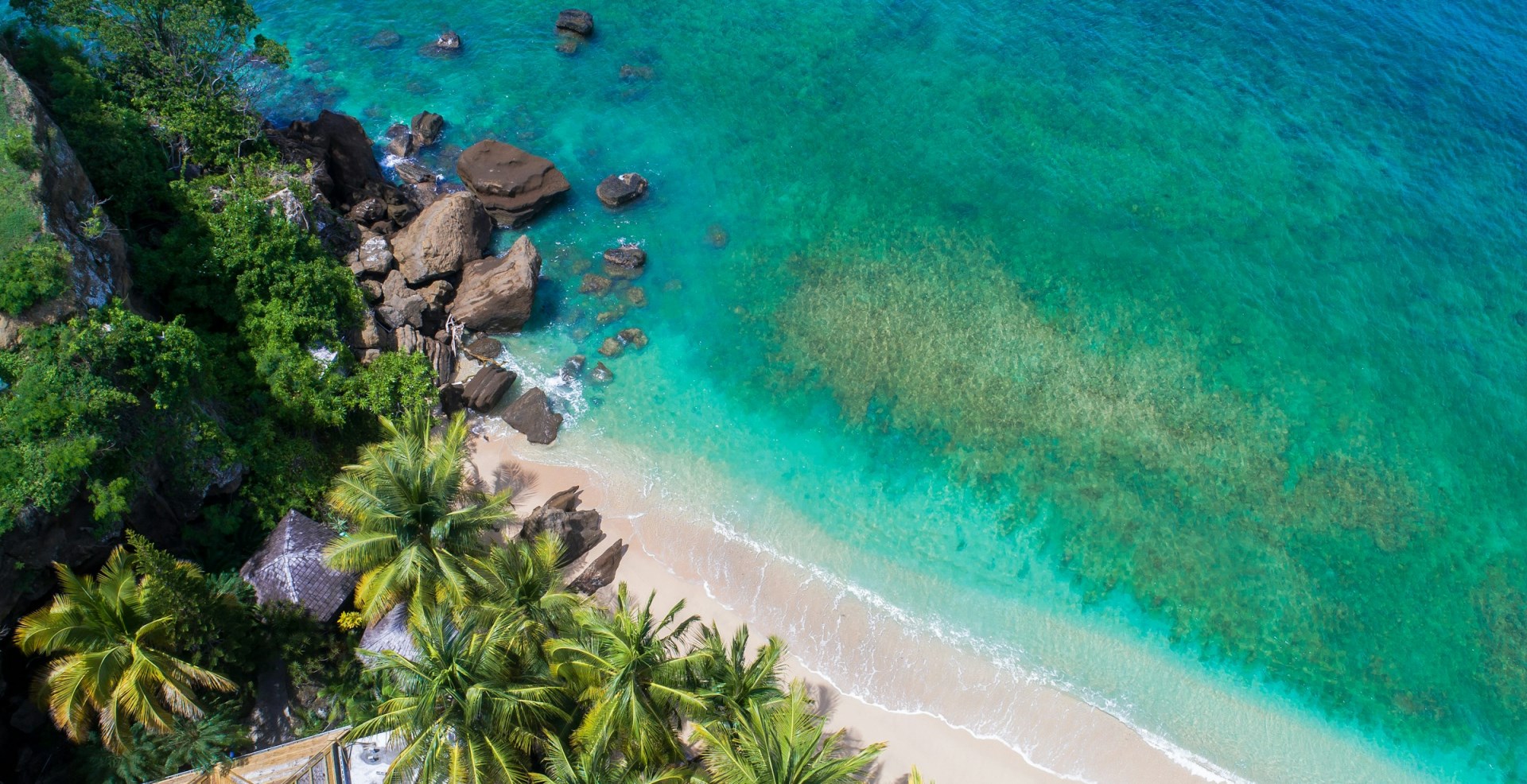
You'll know why picturesque Grenada is known as the "spice island" when you notice the scent of nutmeg, vanilla and cocoa in the air. Grenada's waterfalls, lush rain forests, volcanic crater lake, tiny villages, cocoa, nutmeg and banana plantations, rum distilleries, scenic hiking trips, pristine coral reefs, and hidden-away unspoiled beaches all make Grenada one of the most popular ecotourism destinations for those who like to discover off-the-beaten-track natural beauty and charm.
Djibouti
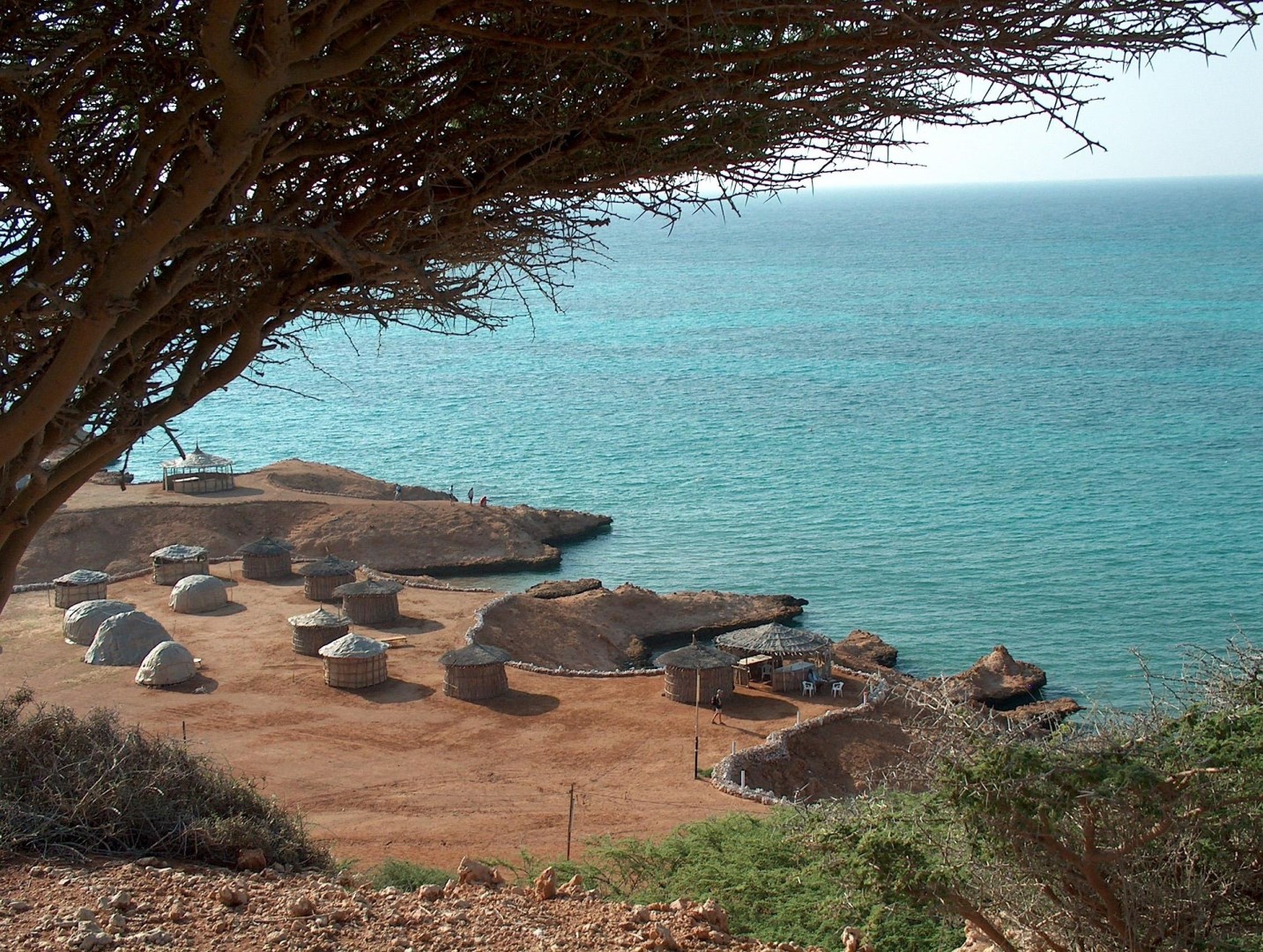
Djibouti, located in the Horn of Africa, offers travelers a landscape shaped by volcanic activity, salt lakes, and dramatic coastlines.
Inveraray
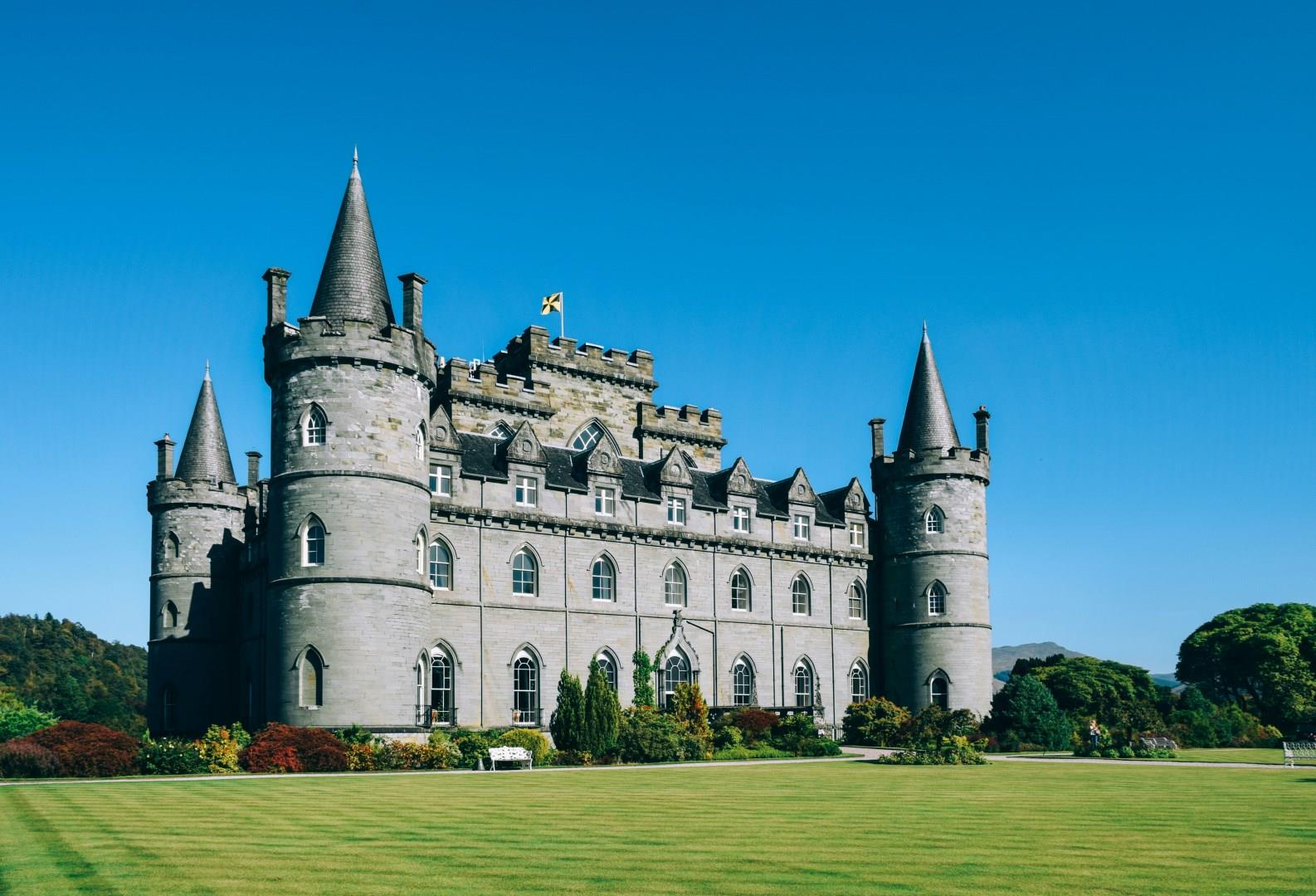
Inveraray, a small town on the western shore of Loch Fyne in Argyll and Bute, Scotland, offers visitors a glimpse into 18th-century planning and Highland heritage. Built largely in the mid-1700s under the direction of the 3rd Duke of Argyll, the town features Georgian architecture, wide streets, and an unusual level of symmetry for a rural Scottish settlement. The main street, lined with whitewashed buildings, leads down to the loch’s edge, where fishing boats and leisure vessels come and go.
Arachova
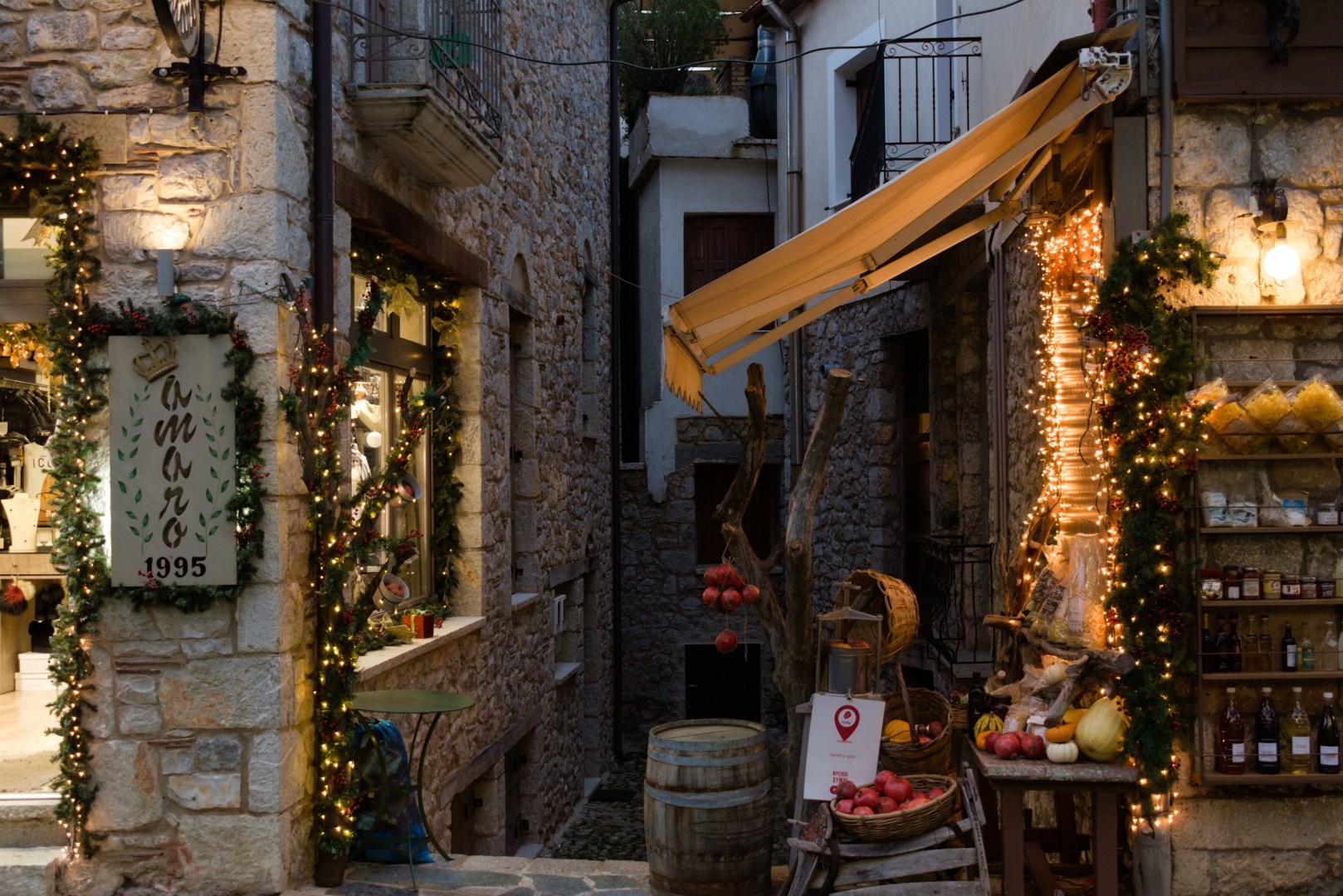
Arachova is a mountain town on the southern slopes of Mount Parnassus in central Greece, known for its stone houses, narrow streets, and elevated position above the surrounding valleys. The town rises steeply along the mountainside, with traditional buildings, small squares, and stairways connecting different levels.
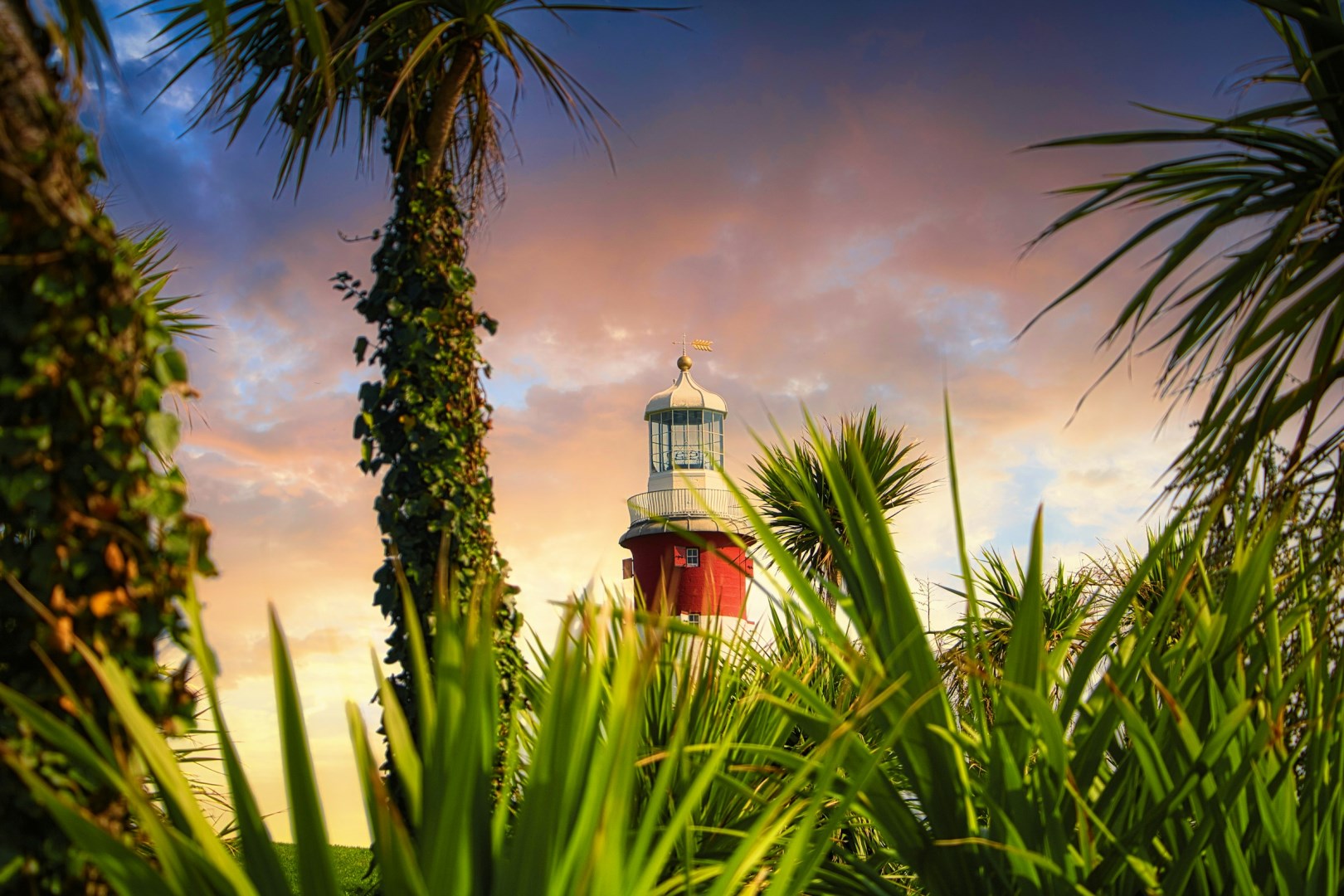
Plymouth
Plymouth sits on England’s southwest coast, where the River Plym meets the sea, forming a wide natural harbor that has shaped the city’s identity for generations. The waterfront remains central to daily life, with views stretching across Plymouth Sound and boats moving in and out of the marina. Visitors often begin along the historic Barbican, an area of narrow streets and old buildings that survived past conflicts and now house independent shops, galleries, and small cafés.
