
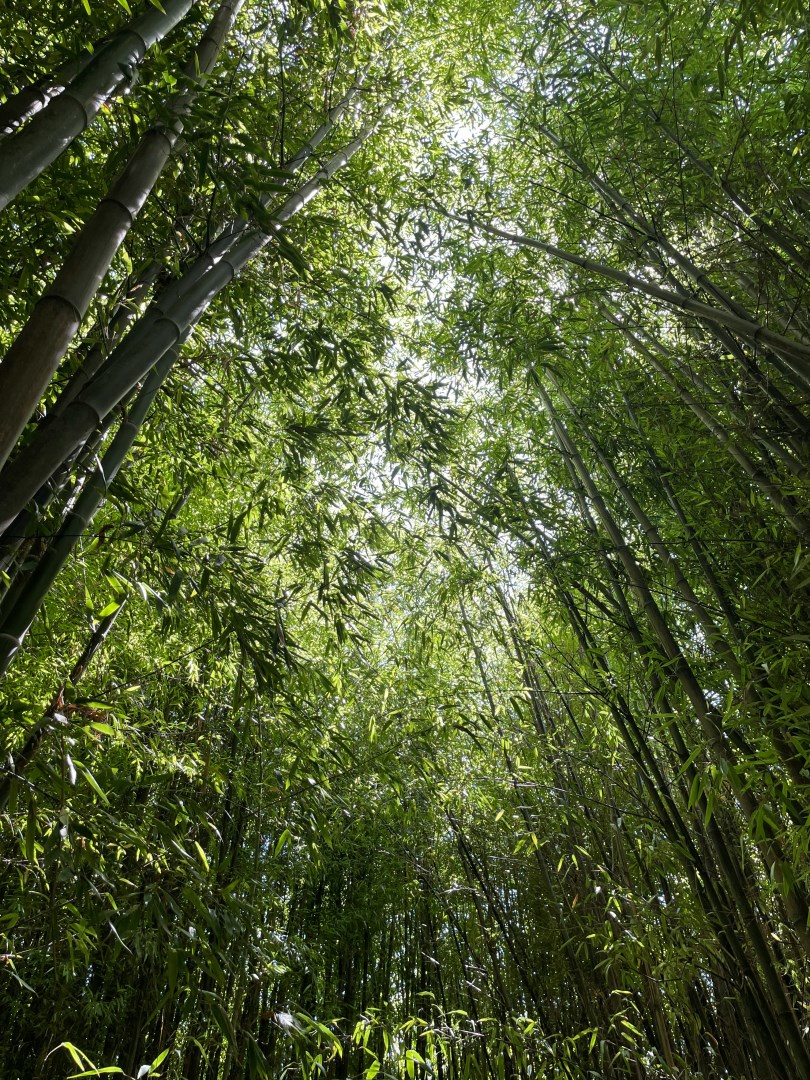
Caldas de Reis
Caldas de Reis is a small spa town in Galicia, Spain, located along the Umia River on the Portuguese route of the Camino de Santiago. It is known for its thermal waters, which have shaped the town’s identity and layout.
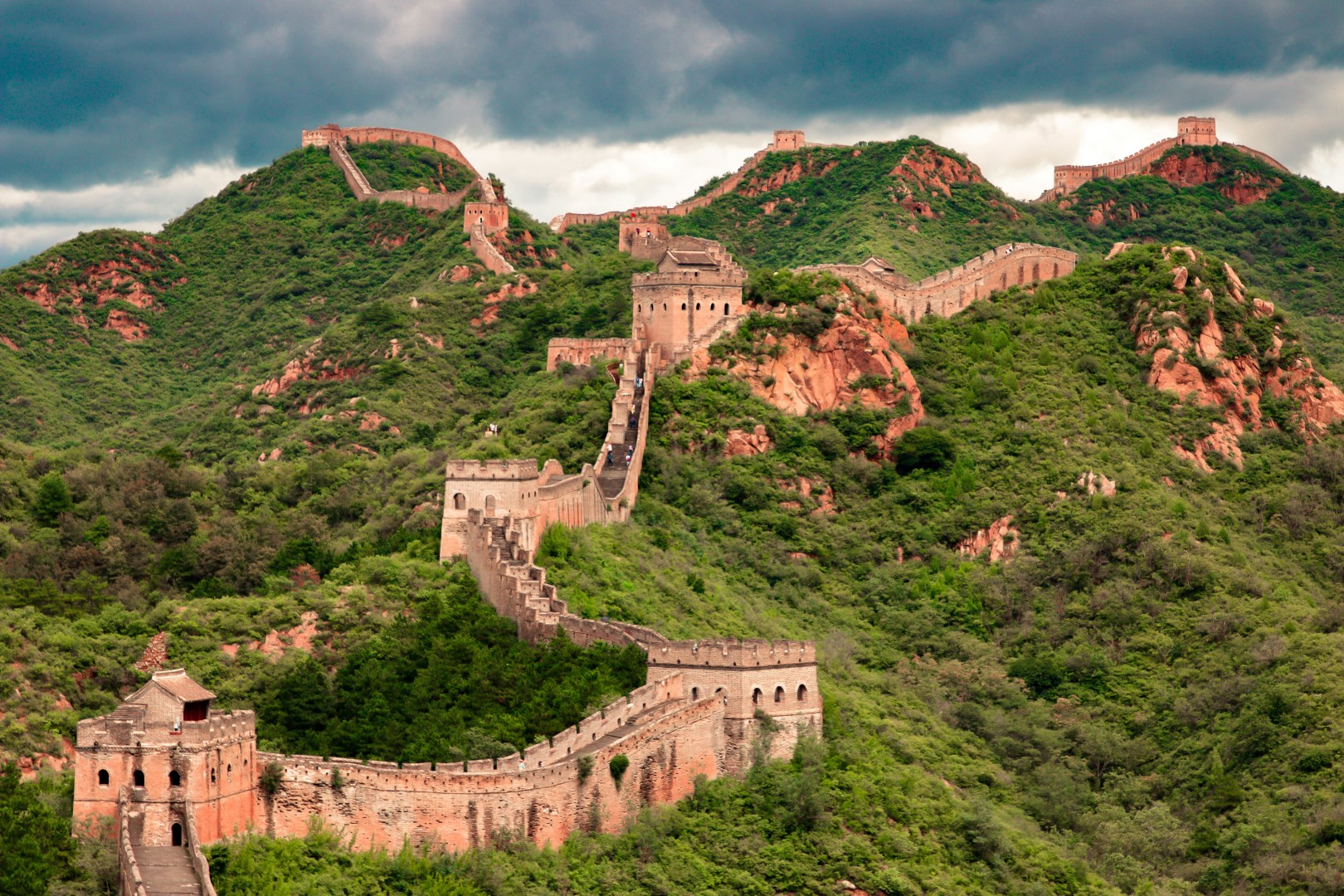
Great Wall
The Great Wall of China stretches across mountains, deserts, and grasslands, forming one of the most striking man-made landmarks in the world. Rather than a single continuous wall, it is a network of sections built with stone, brick, and packed earth, each shaped by the landscape it crosses. In areas near Beijing, such as Mutianyu, the wall winds along forested ridges, offering sweeping views that change with the seasons.

Dominica
Dominica, known as the “Nature Island of the Caribbean,” is a haven for eco-tourists and adventure seekers. Nestled between the French islands of Guadeloupe and Martinique, this lush island boasts a remarkable landscape of volcanic mountains, dense rainforests, and stunning waterfalls. Dominica’s most iconic natural wonder is the Boiling Lake, the second-largest hot spring in the world.

Isle of Skye
The Isle of Skye rises from Scotland’s west coast with a shape that feels almost sculpted by hand. Its ridges and peninsulas stretch outward from a mountainous core, where the Cuillin range cuts a jagged line across the sky. Travelers often begin in Portree, a harbor town lined with brightly painted buildings and small seafood spots. From here, narrow roads lead to cliff edges, quiet bays, and sweeping views where golden eagles and red deer are part of the everyday scene.
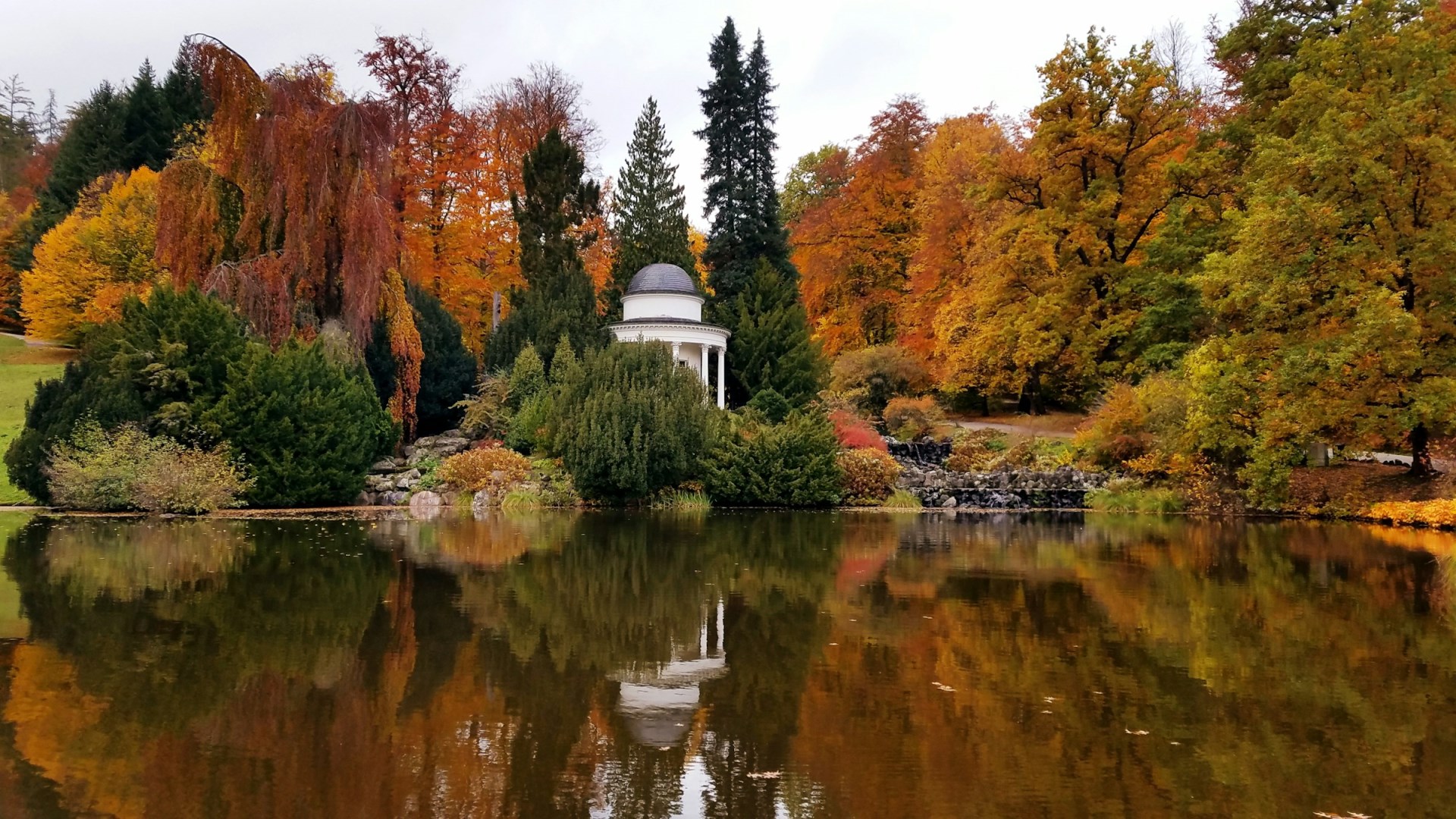
Kassel
Nearly 80% of the city was destroyed in WWII. It is now known for its many museums, including the Museum of Tapestry, the Brothers Grimm Museum and Fredericianum Museum.
