
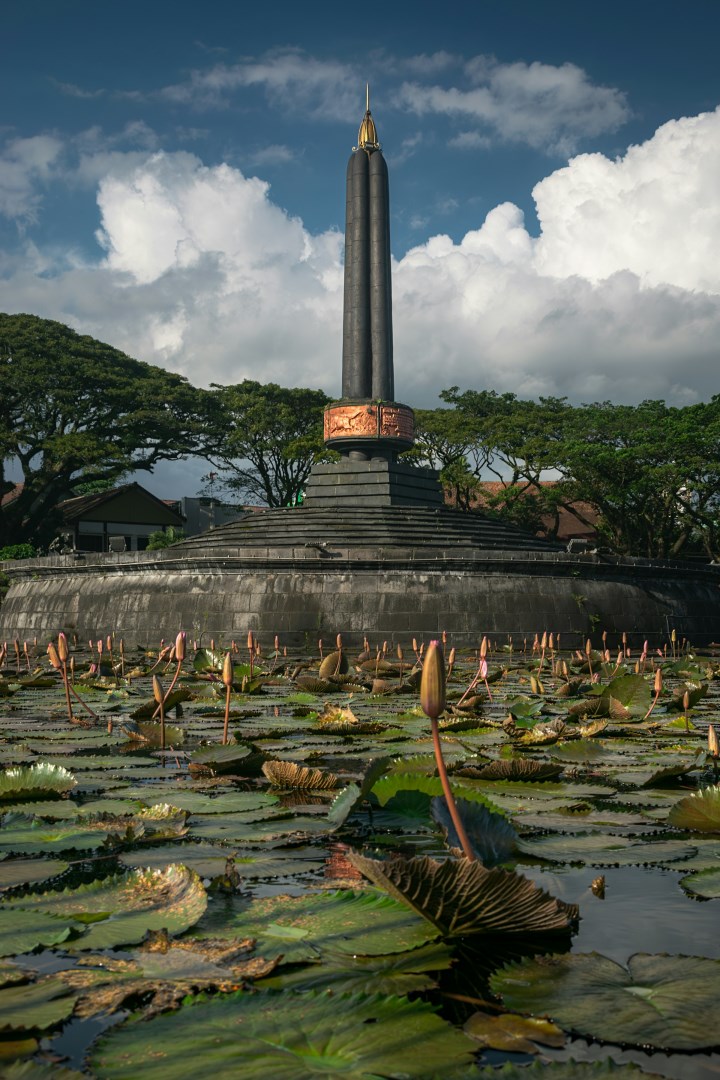
Malang
Malang, located in East Java, Indonesia, is a city known for its cool highland climate, colonial architecture, and rich Javanese heritage. Nestled between volcanic peaks and fertile valleys, it has long been a retreat for travelers seeking both cultural depth and natural beauty.
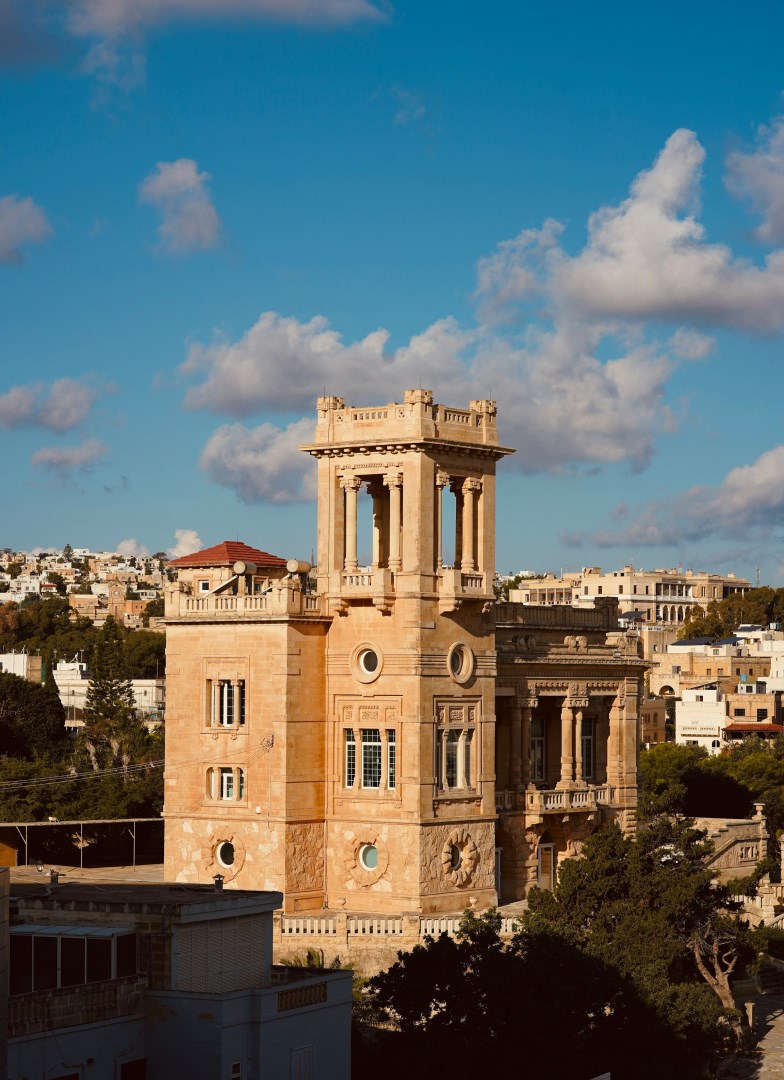
St. Julians
St. Julians was originally a tiny fishing village, built round a small bay. It has retained most of its charm, thanks to some sympathetic restoration. Overlooking the bay is Spinola Palace, built in 1688. Today St Julians provides some of the best restaurants, like the San Giuliano and Barracuda, overlooking the Bay, popular with locals and visitors alike. It gets quite busy over the weekends and during the peak season, making parking a problem. However, public transport is frequent and nearby P
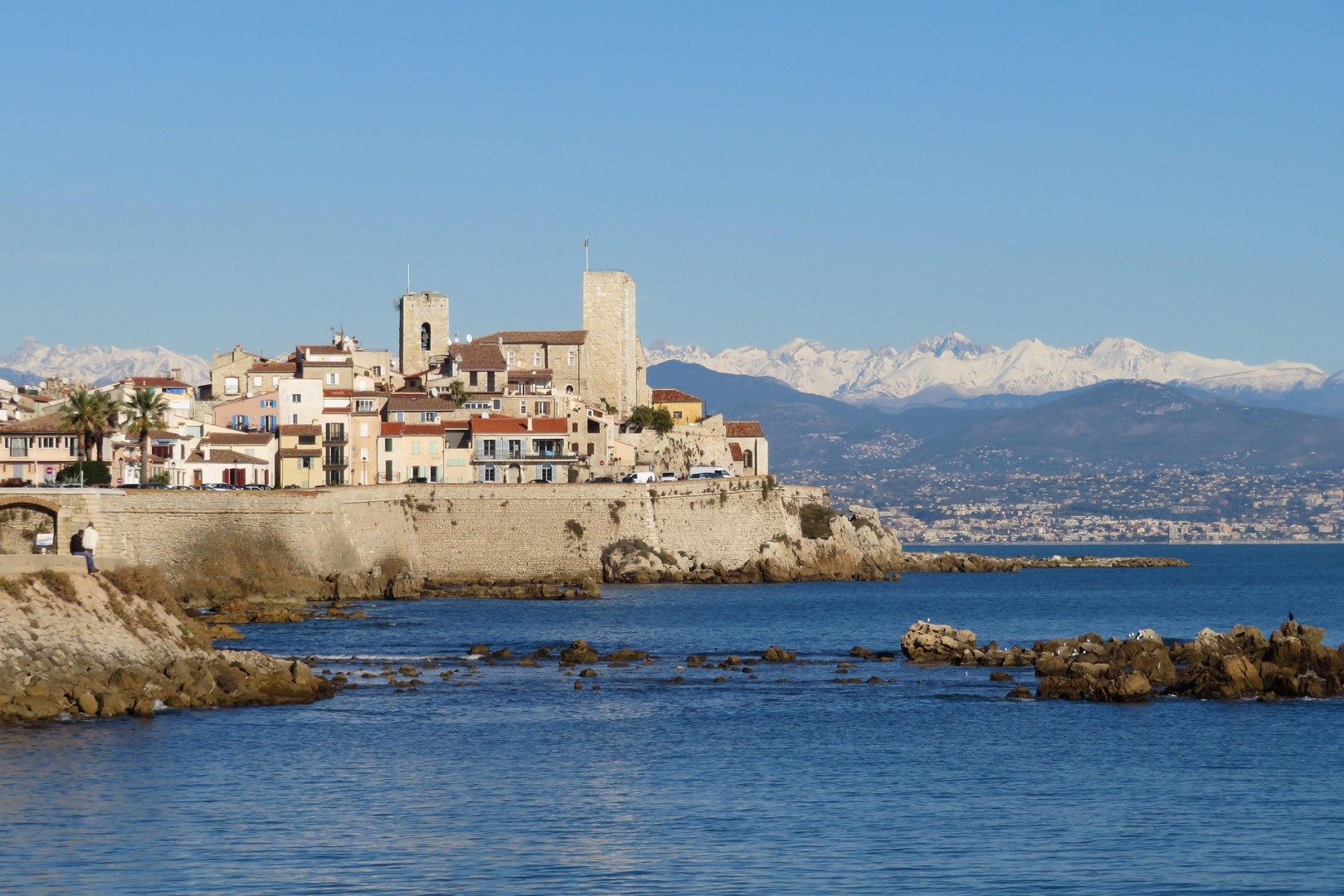
Antibes
Antibes, the new "hot spot" is located across from Nice. Explore traditional market-places packed with beautiful flowers, watching fishermen hauling in the days catch or simply relax in the warmth of the Riviera.
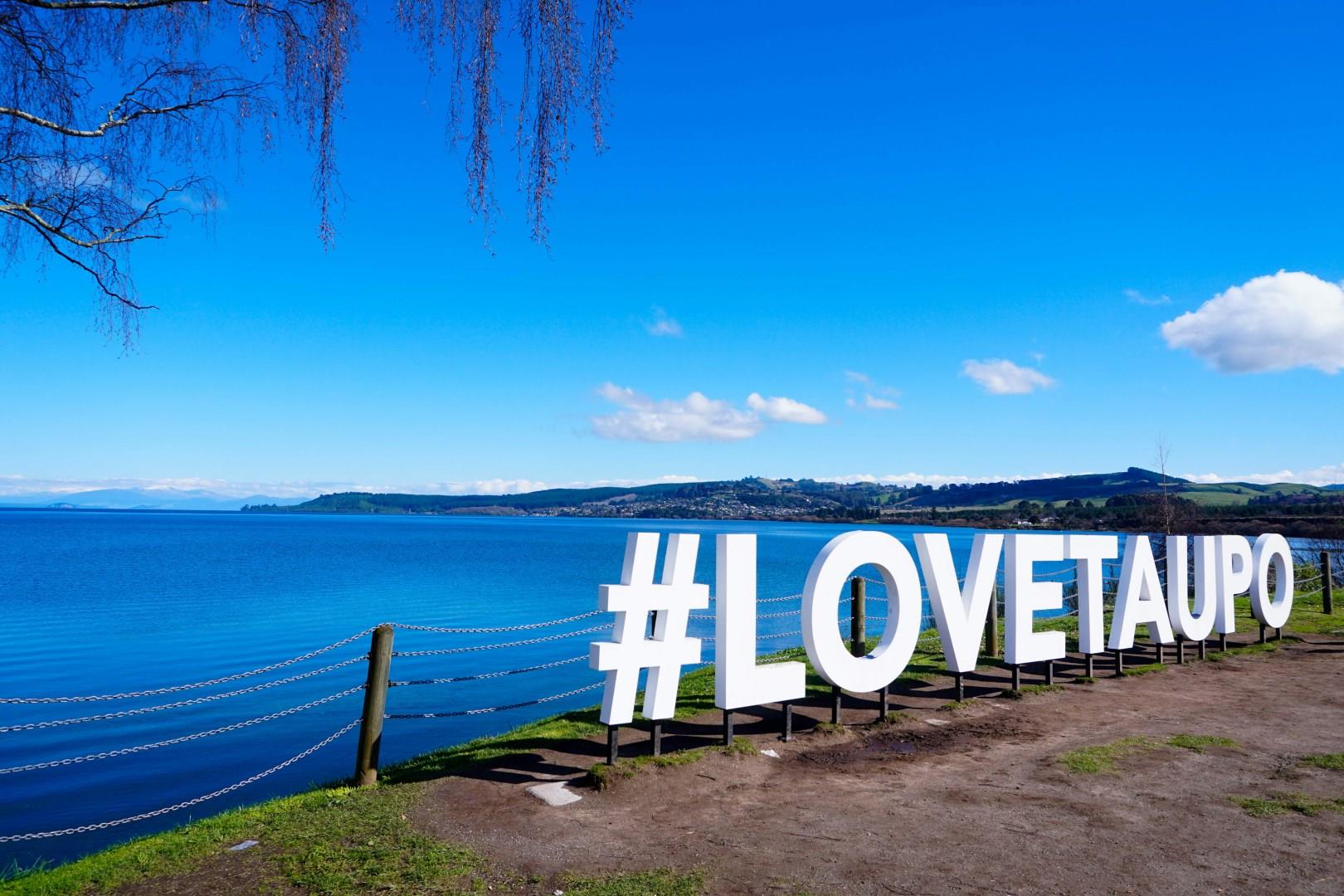
Taupō
Taupō, located in the heart of New Zealand’s North Island, is built along the shores of Lake Taupō, which is the largest freshwater lake in Australasia, formed nearly two thousand years ago by a massive volcanic eruption. That eruption was so powerful, it was recorded in ancient Chinese and Roman texts, even though it occurred halfway across the world. Today, the lake is calm, clear, and central to life in the region, offering everything from trout fishing to kayaking and lakeside cycling.
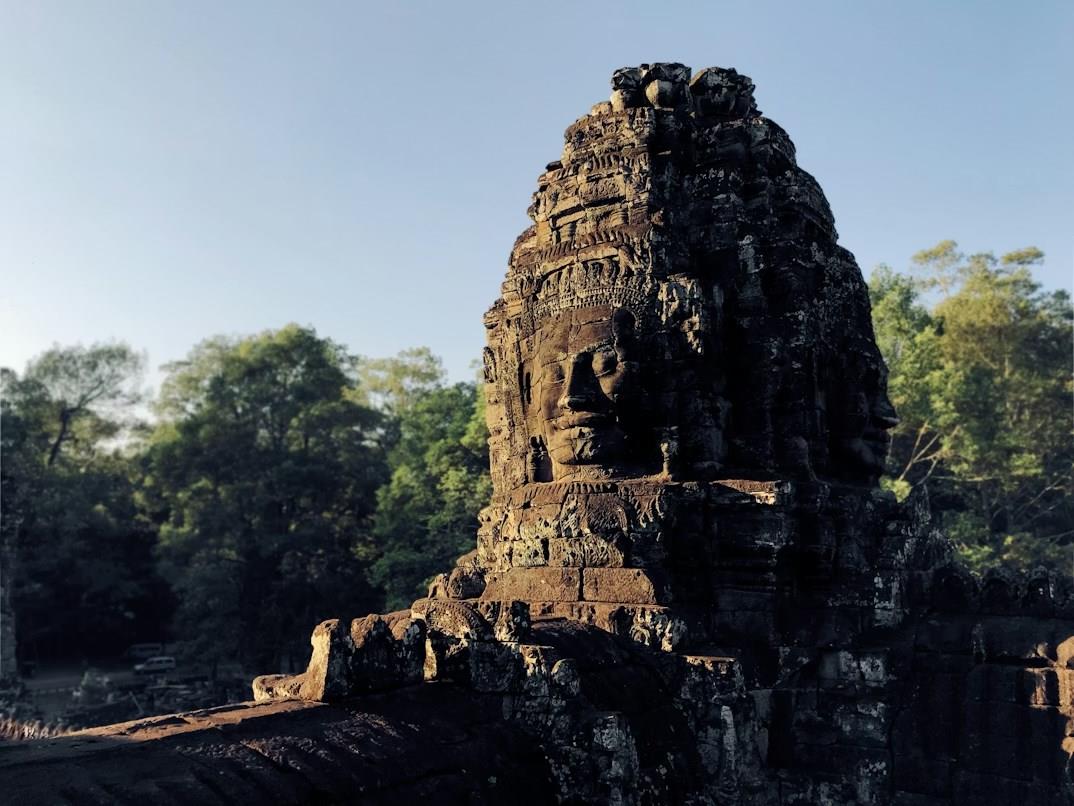
Angkor Thom
Angkor Thom was the last great capital of the Khmer Empire, established in the late 12th century under King Jayavarman VII in what is now northwestern Cambodia. Enclosed by massive stone walls and a wide moat, the city was designed as both a political center and a sacred landscape, symbolizing the cosmic order of the Khmer worldview.
