

Las Vegas
Las Vegas, Nevada, is an electrifying city where glitz and glamour meet entertainment and excitement. Known as "The Entertainment Capital of the World," Las Vegas offers an unparalleled array of attractions, from its iconic casinos and luxurious hotels to its world-class dining and live shows. The city's entertainment scene is second to none, featuring legendary headliners, cutting-edge performances, and an array of themed attractions.
Vesteralen
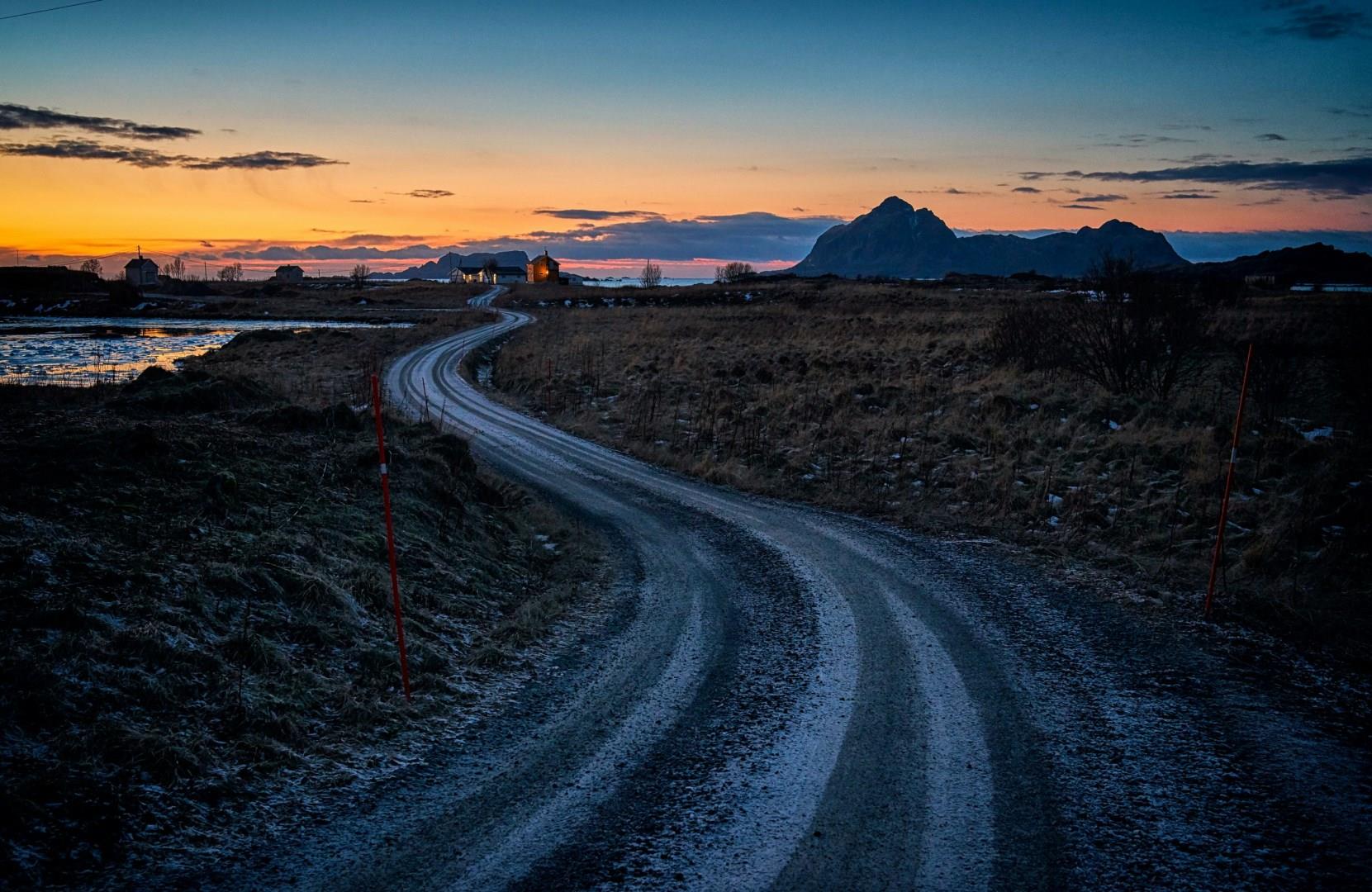
Vesteralen is a coastal archipelago in northern Norway, located just north of the Lofoten Islands, known for its wide-open landscapes, dramatic skies, and strong ties to the sea. Historically shaped by fishing and seafaring, the region’s communities developed around sheltered harbors and seasonal fisheries, particularly for cod.

Weligama
Weligama is a coastal town in Sri Lanka’s Southern Province, centered on a broad, gently curving bay between Galle and Matara. The sheltered shape of Weligama Bay creates relatively manageable waves along much of the beach, making the town especially well known for beginner-friendly surfing. Fishing remains an important part of local life, with traditional boats operating from the shoreline and the surrounding coast still associated with stilt fishing. The town combines a working coastal setting
Oglesby
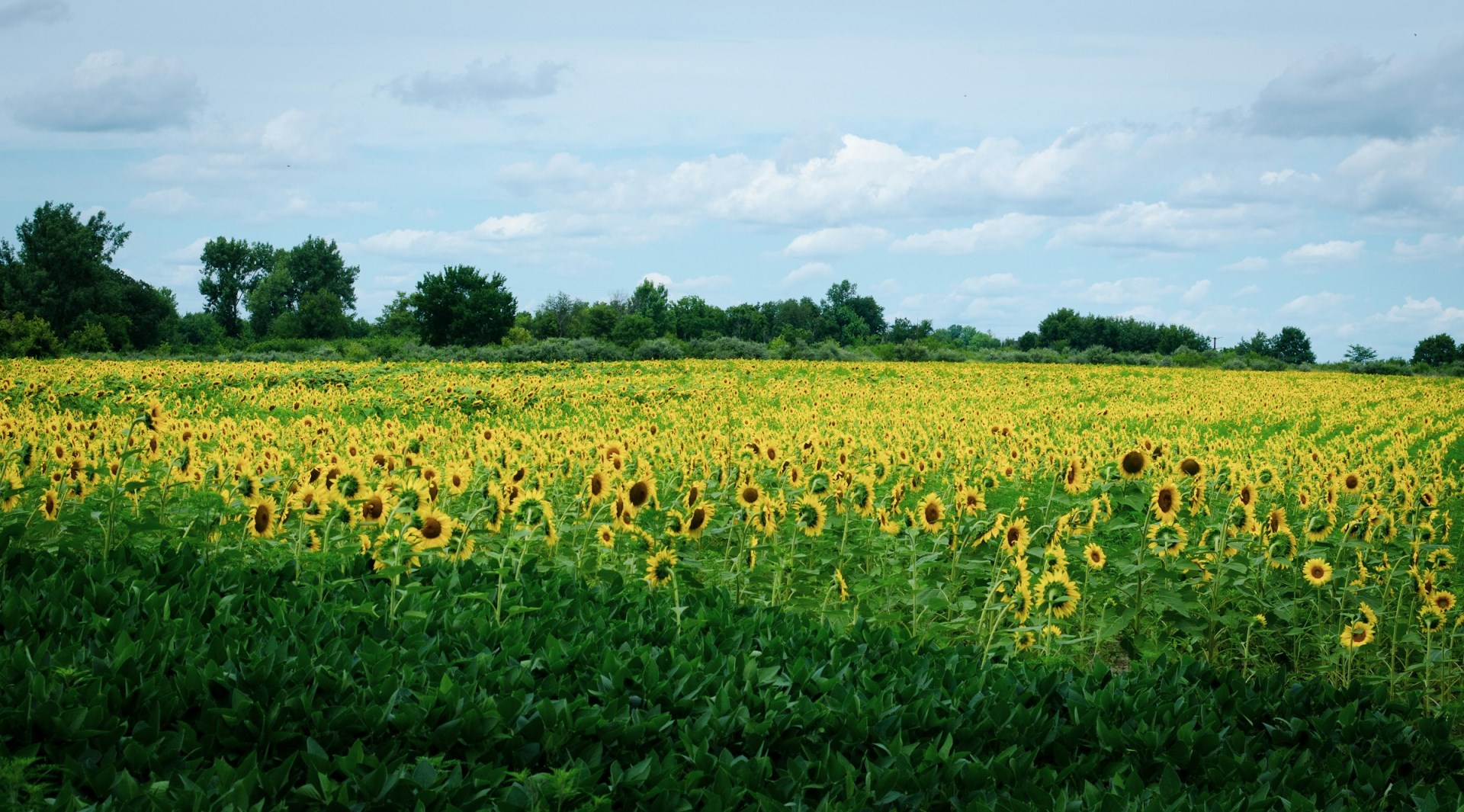
Oglesby is a small city in north-central Illinois, located in LaSalle County near the Illinois River and the wooded canyons of Starved Rock State Park. Its location places it within the Illinois Valley, an area shaped by rivers, limestone bluffs, forests, and agriculture. Oglesby is particularly well positioned for exploring the region’s natural attractions, with Starved Rock State Park and Matthiessen State Park nearby. The community itself has a quiet residential character, while its location
Kalkan
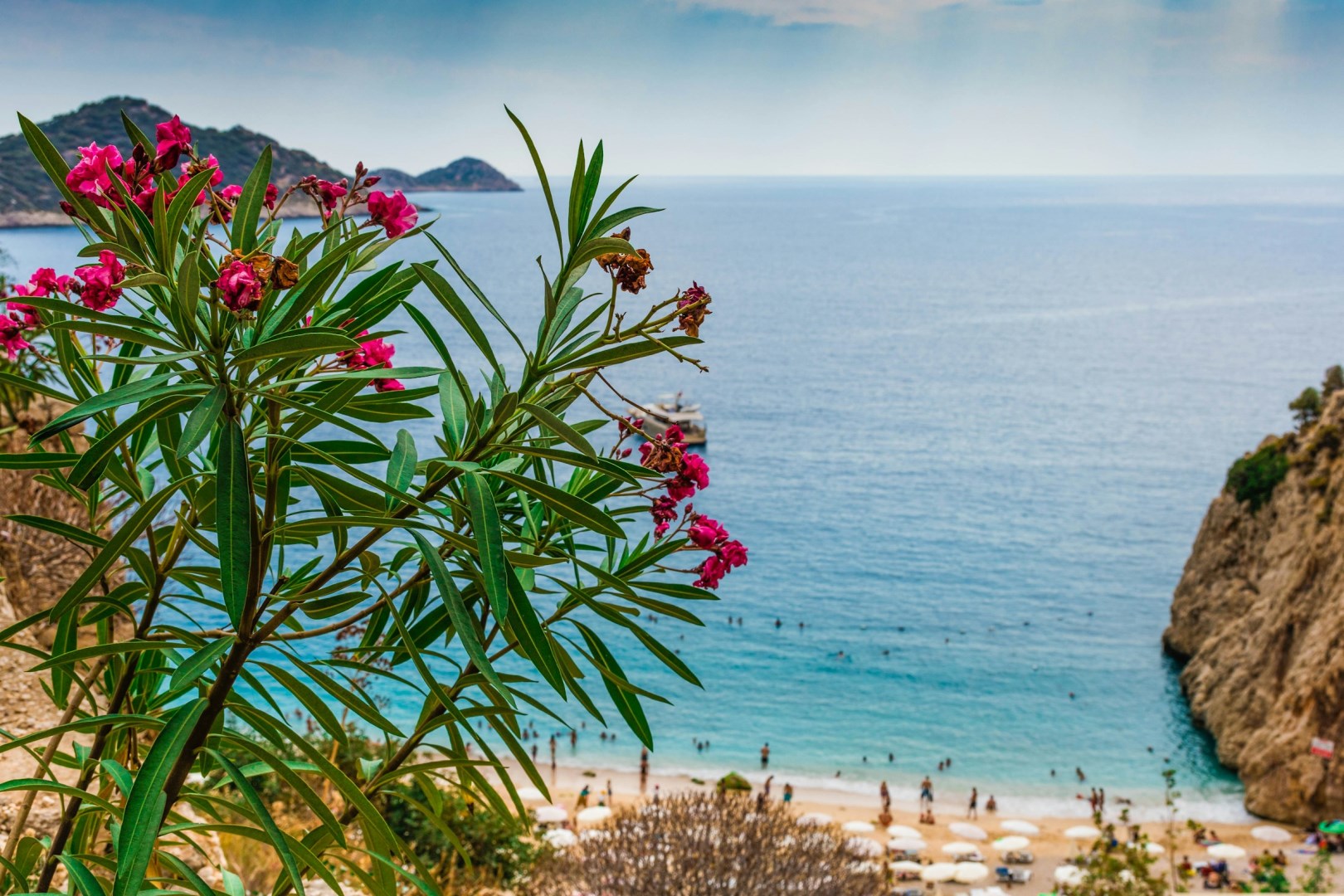
A lovely small hilltop town that overlooks a tiny bay. Narrow, winding streets lined with souvenir shops lead down to the charming marina.
