
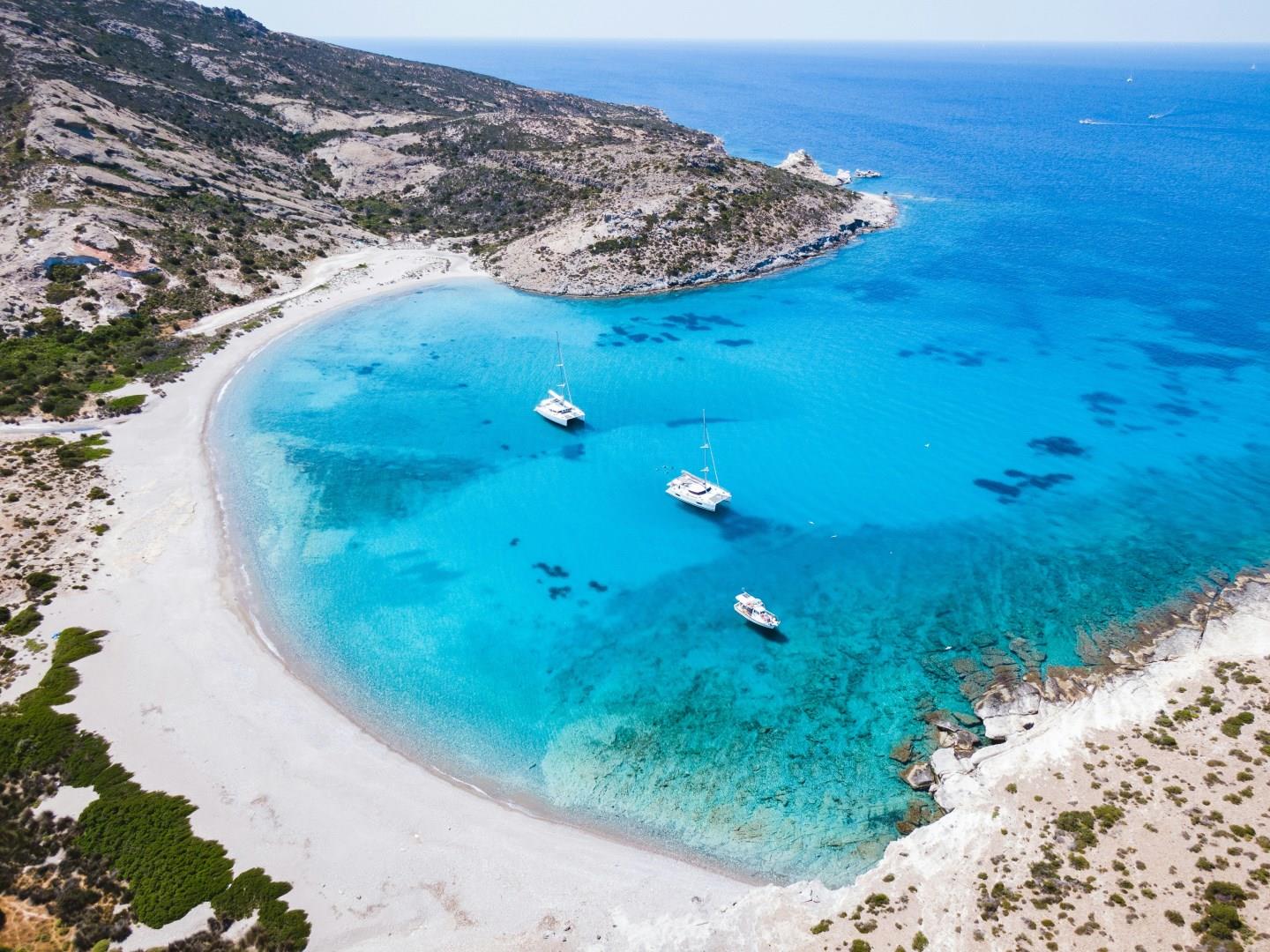
Milos
Milos is one of the most striking islands in the Aegean Sea, known for its otherworldly landscapes, turquoise coves, and centuries-old history. Shaped like a horseshoe, the island was formed by volcanic activity which left behind dramatic cliffs and hidden beaches carved from soft white rock. Visitors often find their first glimpse of Milos unforgettable, especially at Sarakiniko Beach where smooth, chalk-white formations contrast with the vivid blue water.

Arrecife
Arrecife, the vibrant capital of Lanzarote, Spain, offers a unique blend of modern allure and traditional charm. Situated on the eastern coast of Lanzarote, this picturesque city is celebrated for its beautiful beaches, including Playa del Reducto, which boasts golden sands and clear waters perfect for a relaxing day under the sun.

Chobe National Park
Chobe National Park, located in the far northeastern corner of Botswana, is a haven for wildlife enthusiasts and one of Africa's premier safari destinations. Known for its immense elephant population—estimated at over 120,000—the park offers an unparalleled opportunity to witness these majestic creatures in their natural habitat
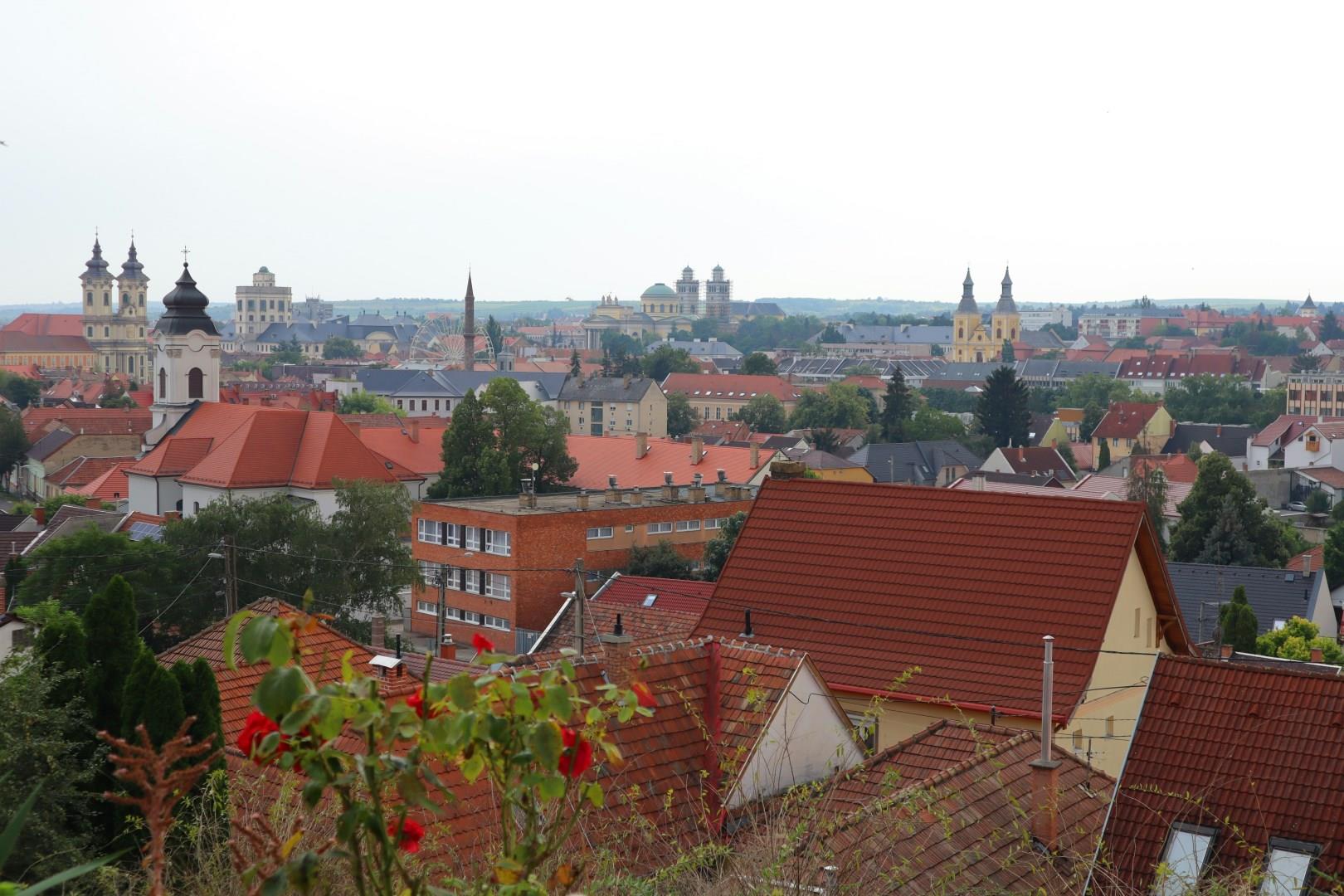
Eger
Eger sits in northern Hungary and is known for its well preserved Baroque center, historic castle and long tradition of wine and craft that draw visitors from across Europe. Just beyond the historic center, generations of winemakers have perfected local styles and offer tastings of local varieties. A casual afternoon here can feel like a gentle cellar crawl, with seasonal music or simple snacks adding to relaxed tastings under vine covered walkways.
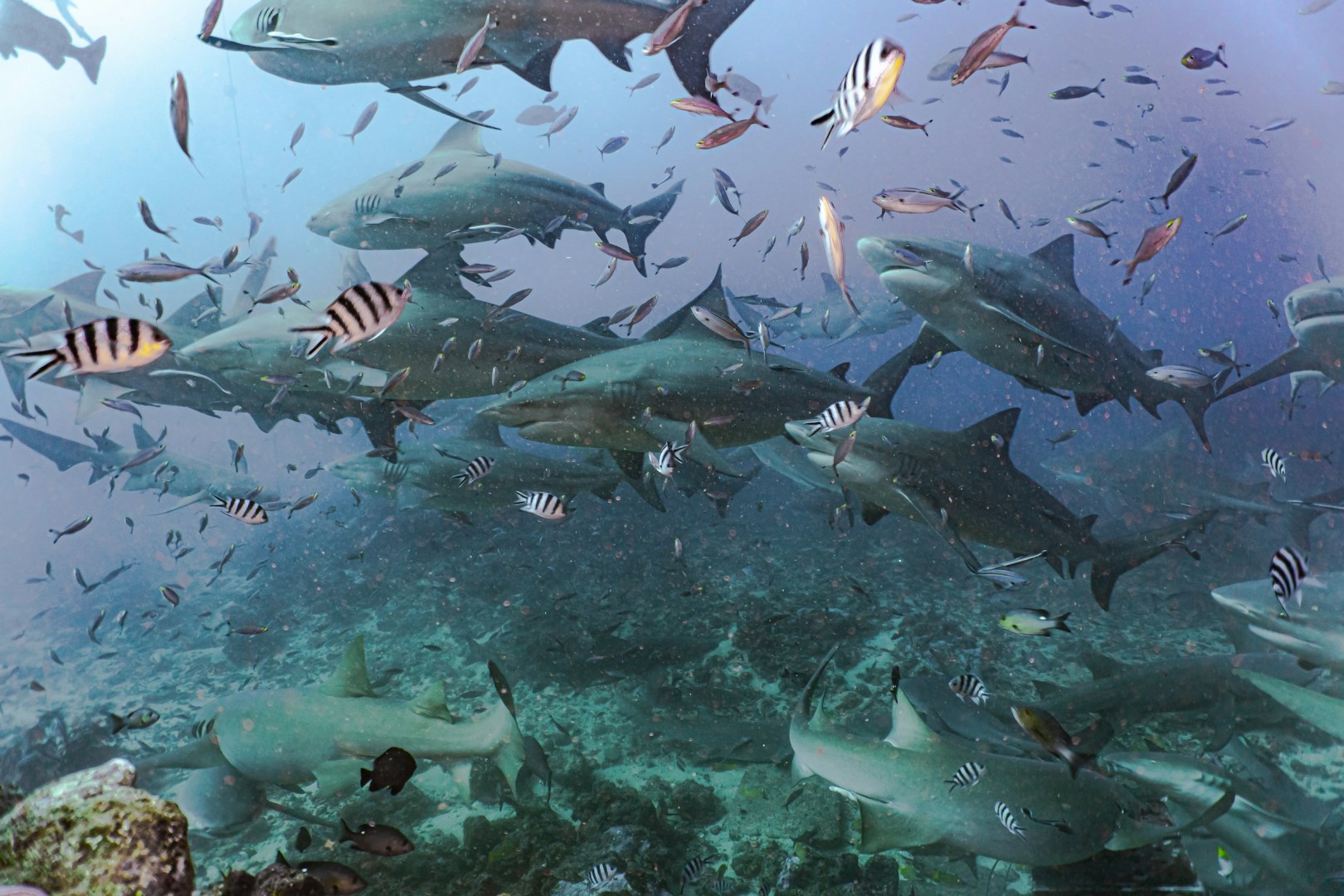
Beqa Island
In the heart of the South Pacific, beneath southern skies, lies the island paradise of Fiji. If you travel to dive, to eat fine food, to bask in the sun, or to simply relax in a tropical paradise the tiny, unspoiled island of Beqa, just might be what you're looking for. One exciting feature of Beqa is its seclusion. Beqa Island has no roads and no towns, only three isolated villages scattered around the perimeter. The island is skirted by stretches of sandy beaches laced, in the evening and ear
