
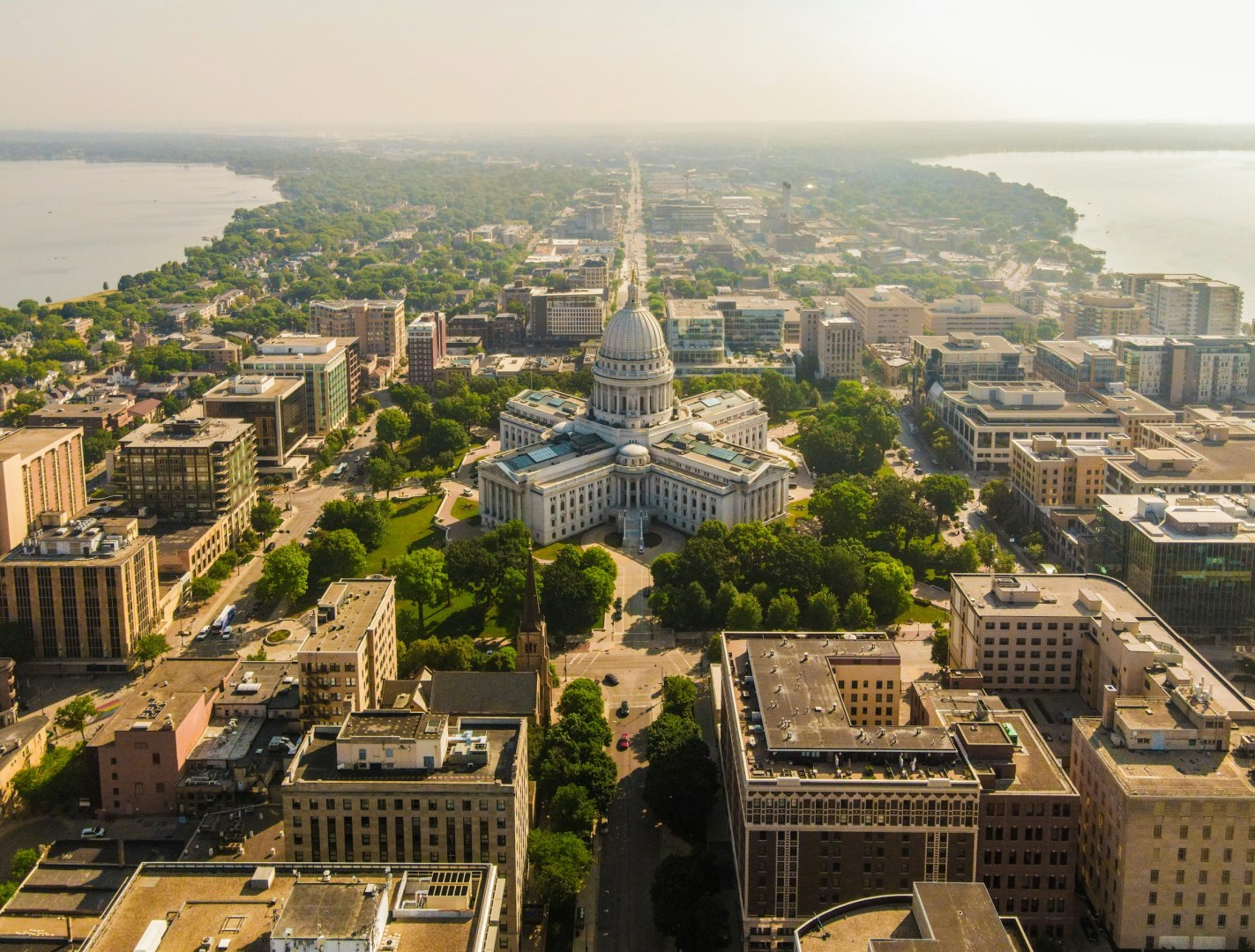
Madison
The greater Madison area is full of ways to relax and enjoy the beauty of rolling hills and many lakes, in addition to fantastic cultural events and exciting sporting opportunities.
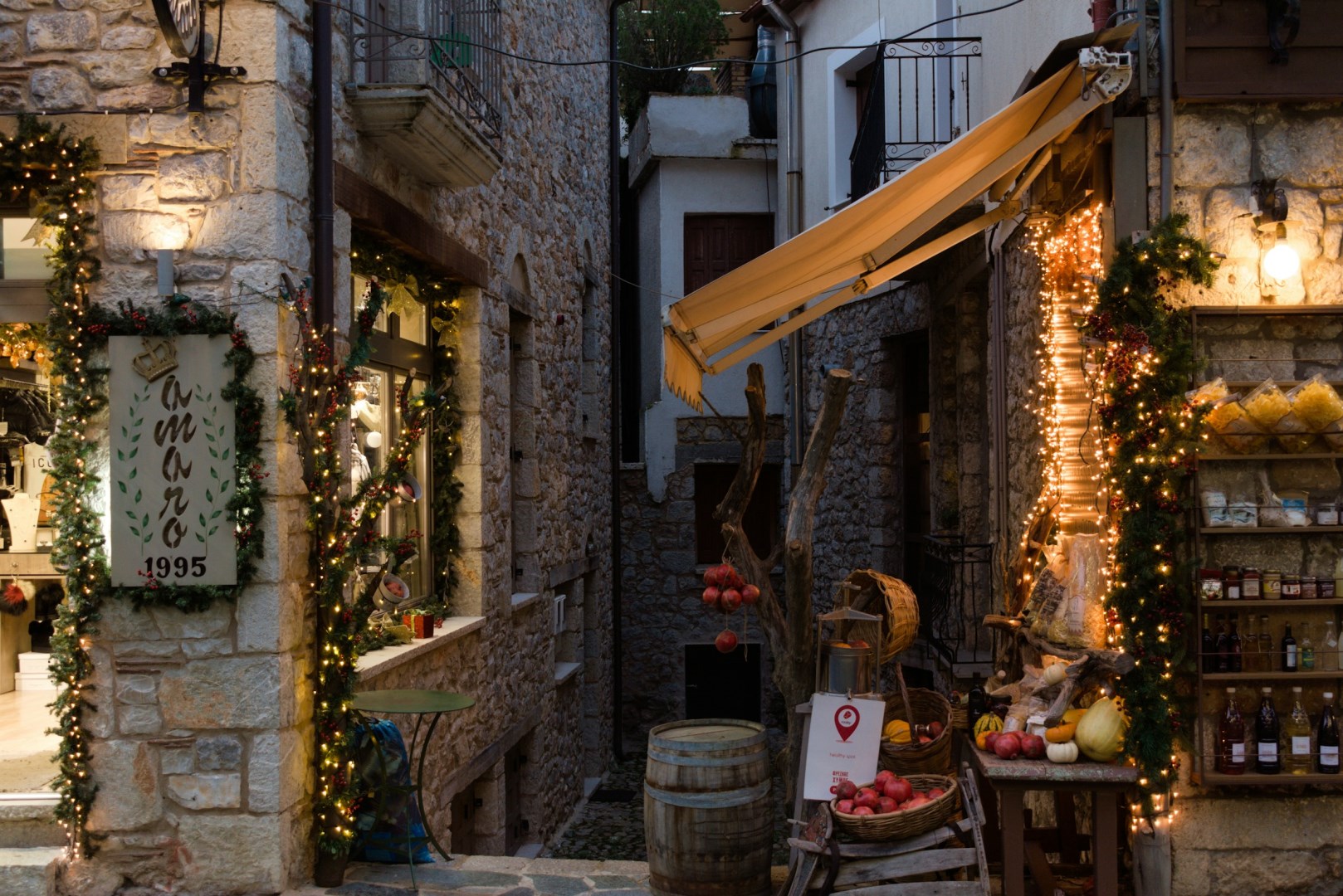
Arachova
Arachova is a mountain town on the southern slopes of Mount Parnassus in central Greece, known for its stone houses, narrow streets, and elevated position above the surrounding valleys. The town rises steeply along the mountainside, with traditional buildings, small squares, and stairways connecting different levels.
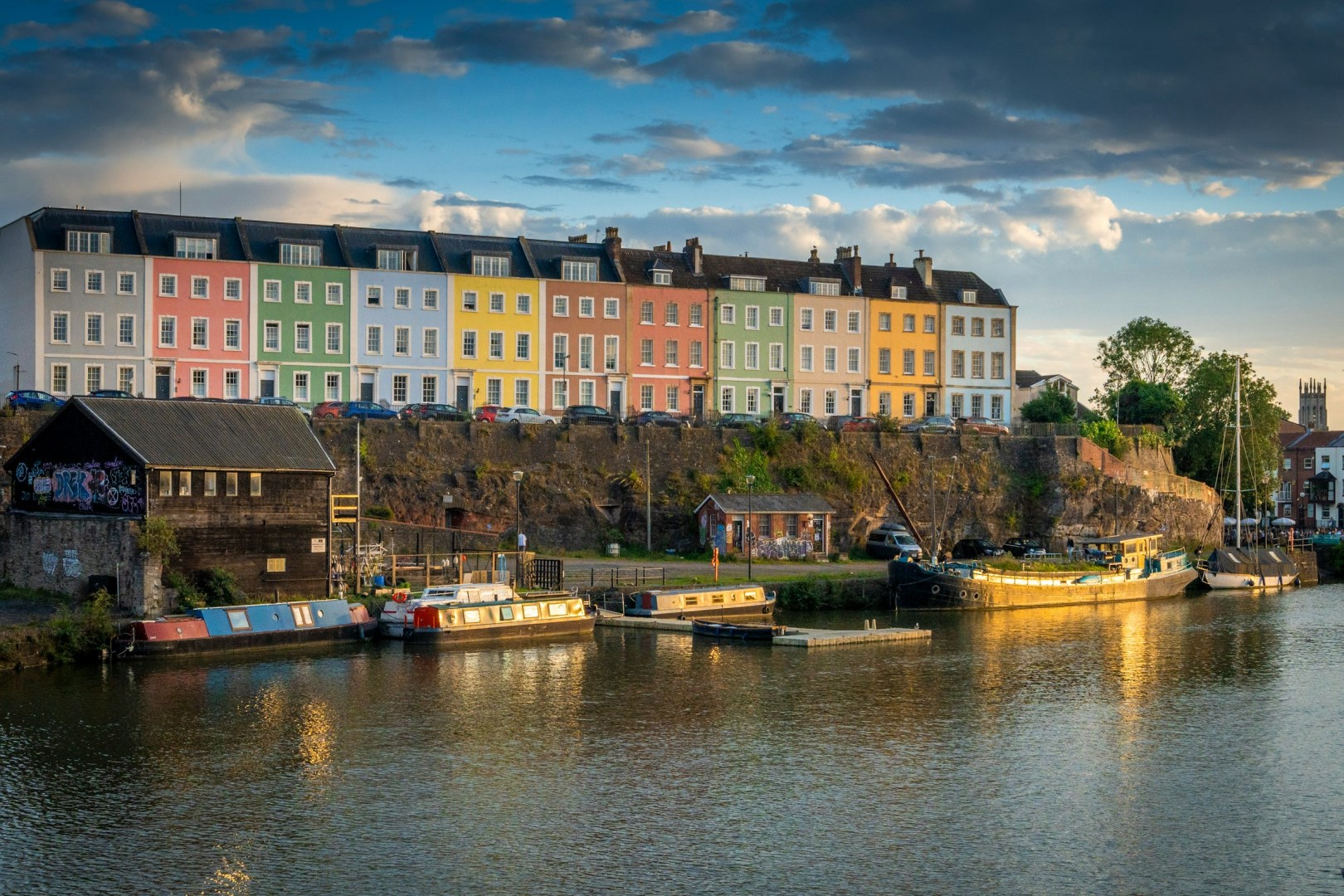
Bristol
Bristol is a city in southwest England built around the River Avon, with a maritime history that has shaped its neighborhoods, architecture, and economy. The historic harbor occupies the center of the city, where former warehouses, quays, and docks have been adapted for museums, galleries, restaurants, and public spaces. Clifton Suspension Bridge spans the Avon Gorge and is one of Bristol’s most recognizable landmarks.
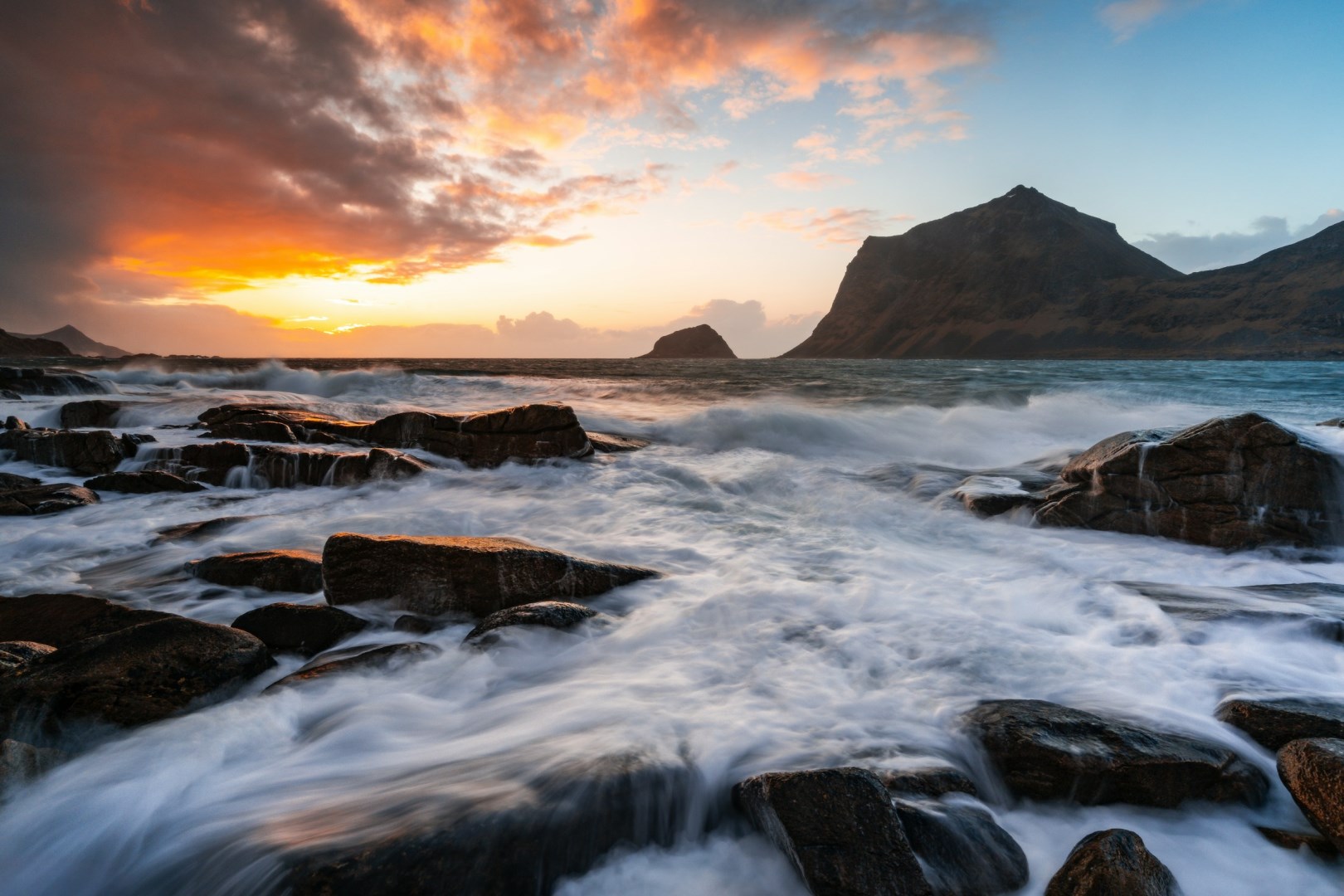
Leknes
Leknes sits in the heart of Norway’s Lofoten Islands, a small town shaped more by geography than by long urban history. It developed as a regional hub for farming, fishing, and transport, serving surrounding villages spread across Vestvågøy. Rather than presenting a preserved past, Leknes reflects contemporary life in the north, practical and closely tied to seasonal rhythms.
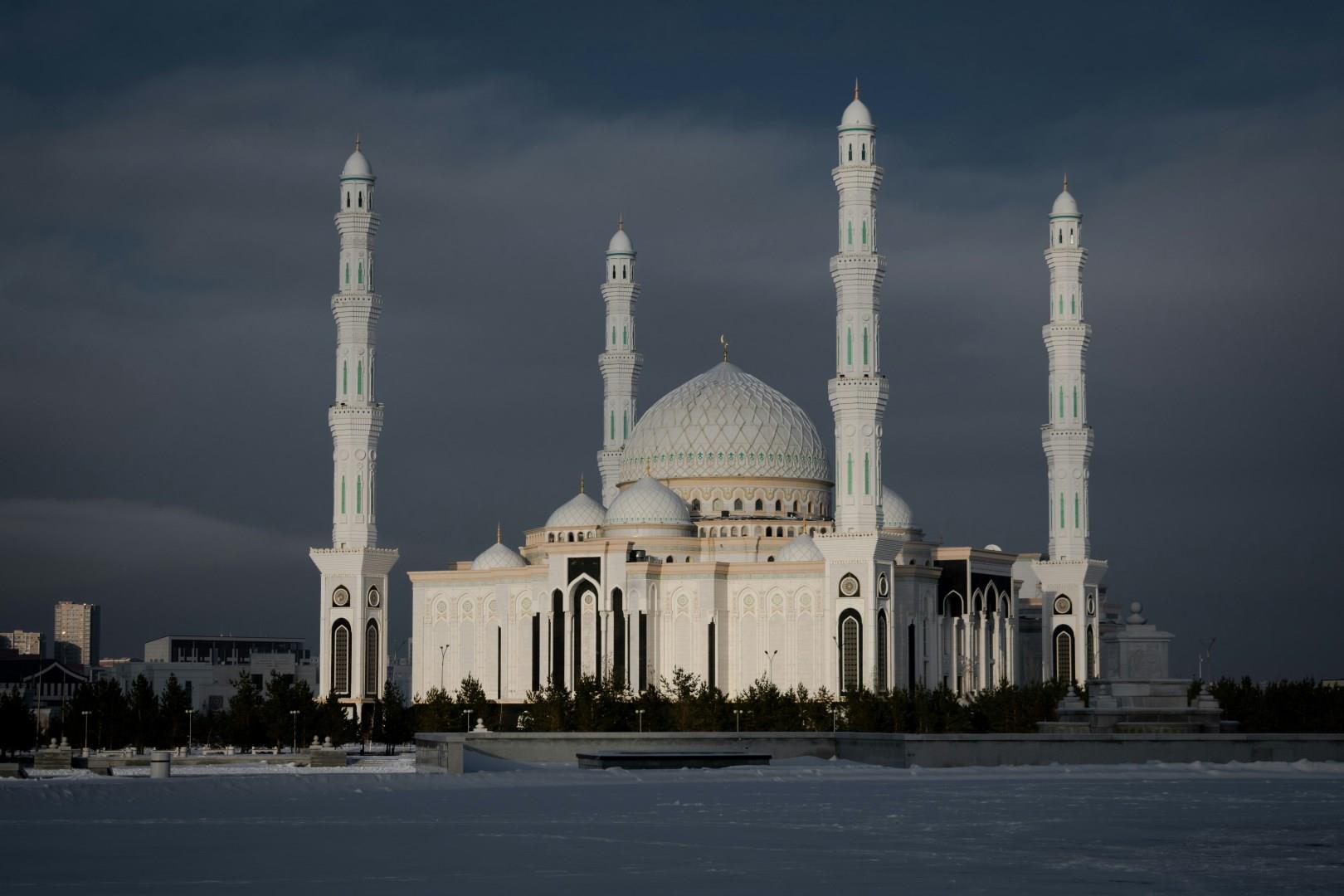
Astana
Astana, officially known as Nur-Sultan, is the modern capital of Kazakhstan and a striking example of contemporary urban design in Central Asia.
