
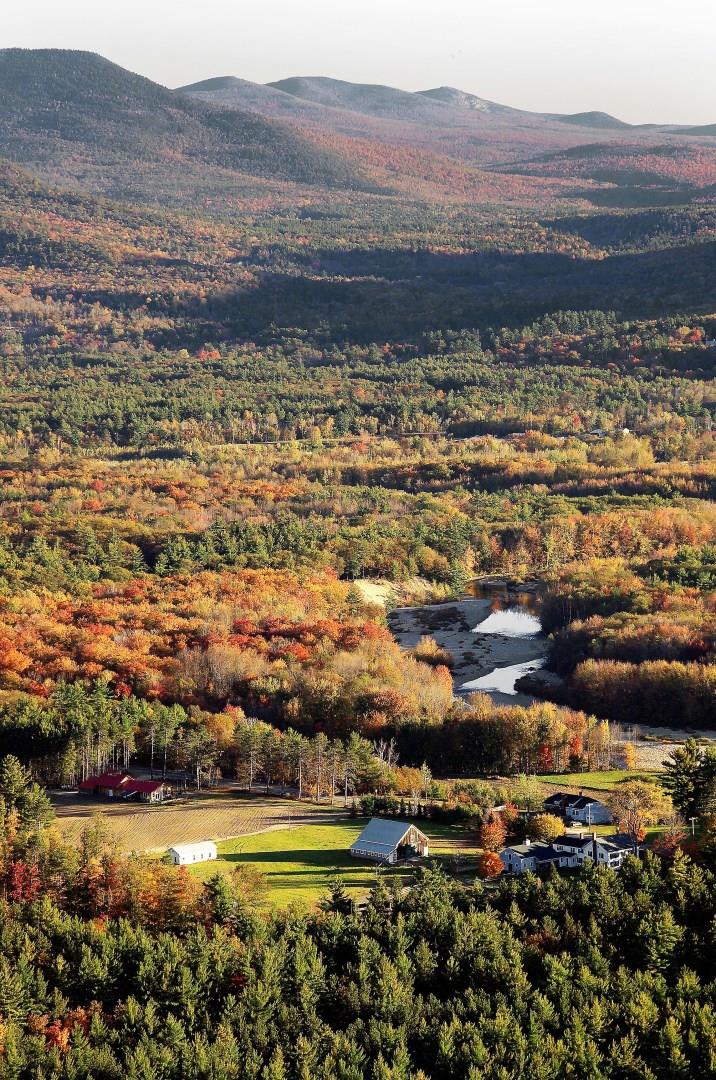
Bartlett
Bartlett, New Hampshire is a small White Mountains town with a deep connection to outdoor adventure and quiet mountain charm. Founded in the late 18th century, Bartlett began as a logging and railroad hub, and remnants of that past still echo through its historic buildings and covered bridges. The Bartlett Roundhouse, a relic from the town’s railway days, now serves as a museum and reminder of how trains once connected this remote region to the rest of New England.

Qatar
Qatar invites discovery through both its modern ambition and traces of its desert heritage. In Doha, the Museum of Islamic Art, designed by I. M. Pei, rises over the waterfront to display centuries of calligraphy, ceramics, textiles, and metalwork. Nearby, the National Museum of Qatar presents the nation's story through exhibits and architecture shaped like the desert rose. Each space offers both insight and reflection.

Stockholm
As a city located in a Baltic Sea archipelago, it's not surprising that Stockholm has 50 bridges and sightseeing boats moving people between its 14 islands. This contemporary and welcoming capital of Sweden is nonetheless easily navigable by foot. Every district here has a distinct flavor, from the sophisticated Östermalm to the bustling downtown energy of Norrmalm to the delightful Old Town.
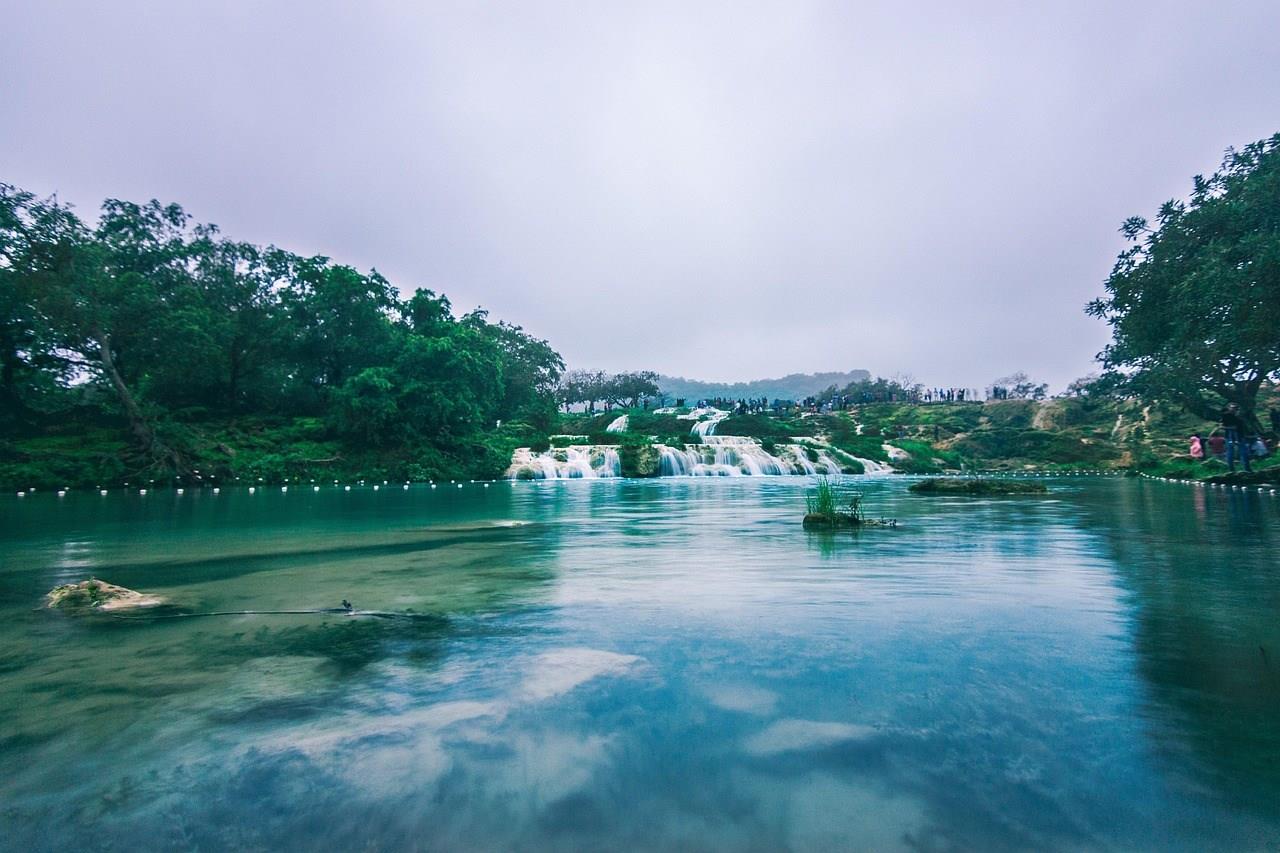
Salalah
Salalah stands out with its rare blend of desert and tropical appeal. Unlike much of the Arabian Peninsula, this coastal city is transformed by the seasonal Khareef (monsoon), turning the landscape lush and green between June and September.

Riviera Maya
Riviera Maya is a stunning stretch of coastline on Mexico's Yucatán Peninsula. With spectacular destinations like Puerto Morelos, Playa del Carmen, and Tulum, the Riviera Maya coast is popular for its all-inclusive resorts.
