
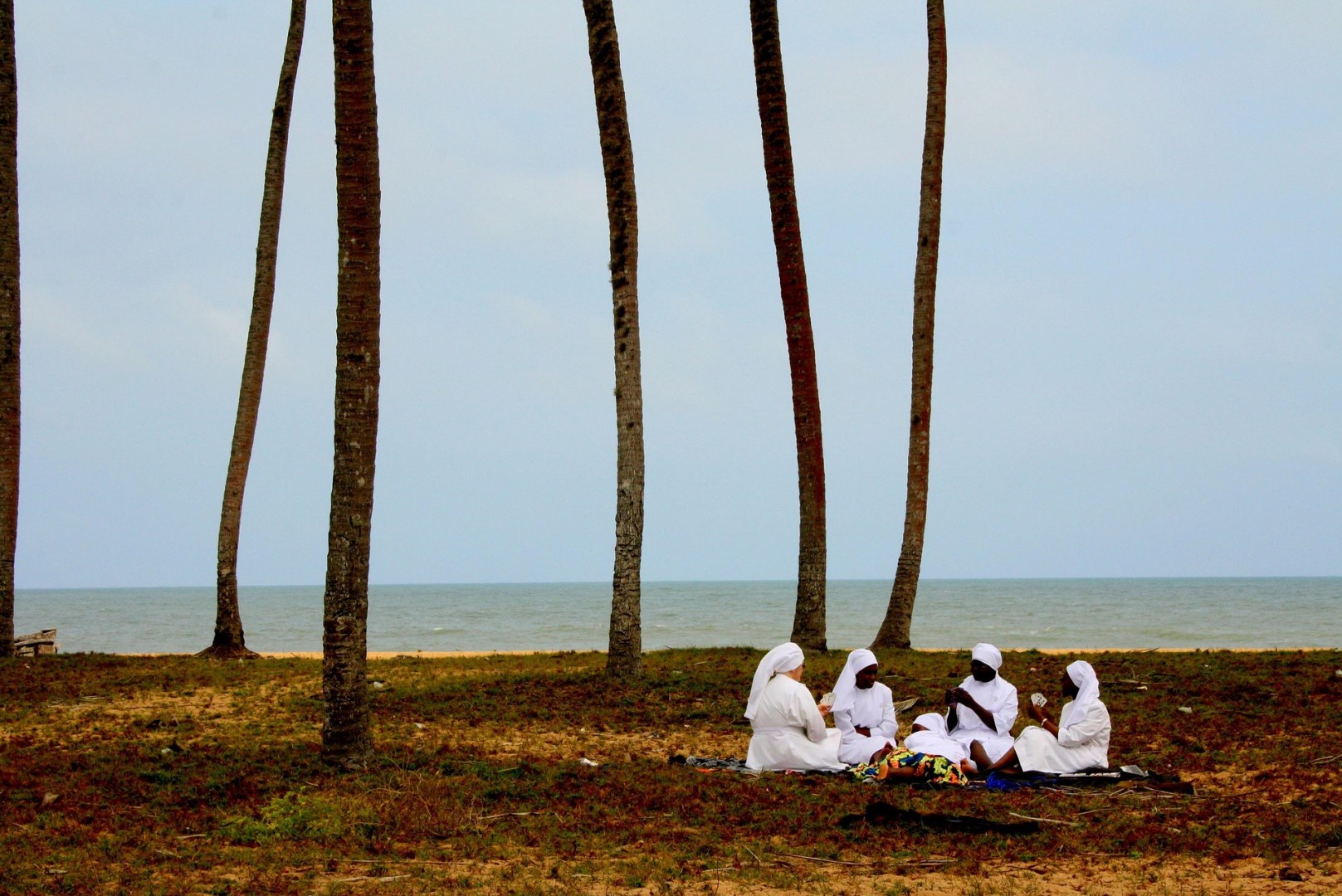
Benin
Tucked along the Gulf of Guinea in West Africa, Benin offers a vibrant blend of traditions, rich history, and colorful daily life that surprises and delights travelers at every turn. The country is the birthplace of Vodun (commonly known as Voodoo), a spiritual tradition still practiced widely and celebrated each January 10th with processions, drums, and dance in the city of Ouidah.

Isla del Sol
Isla del Sol, or Island of the Sun, is one of the best-known islands in Lake Titicaca, Bolivia, located in the lake’s southern section near Copacabana. The island is shaped by steep hills, stone terraces, small farming communities, and broad views across the high-altitude lake toward the Andes. At about 3,810 meters above sea level, Lake Titicaca creates a distinctive setting where cultivated slopes meet deep blue water and distant mountain peaks.
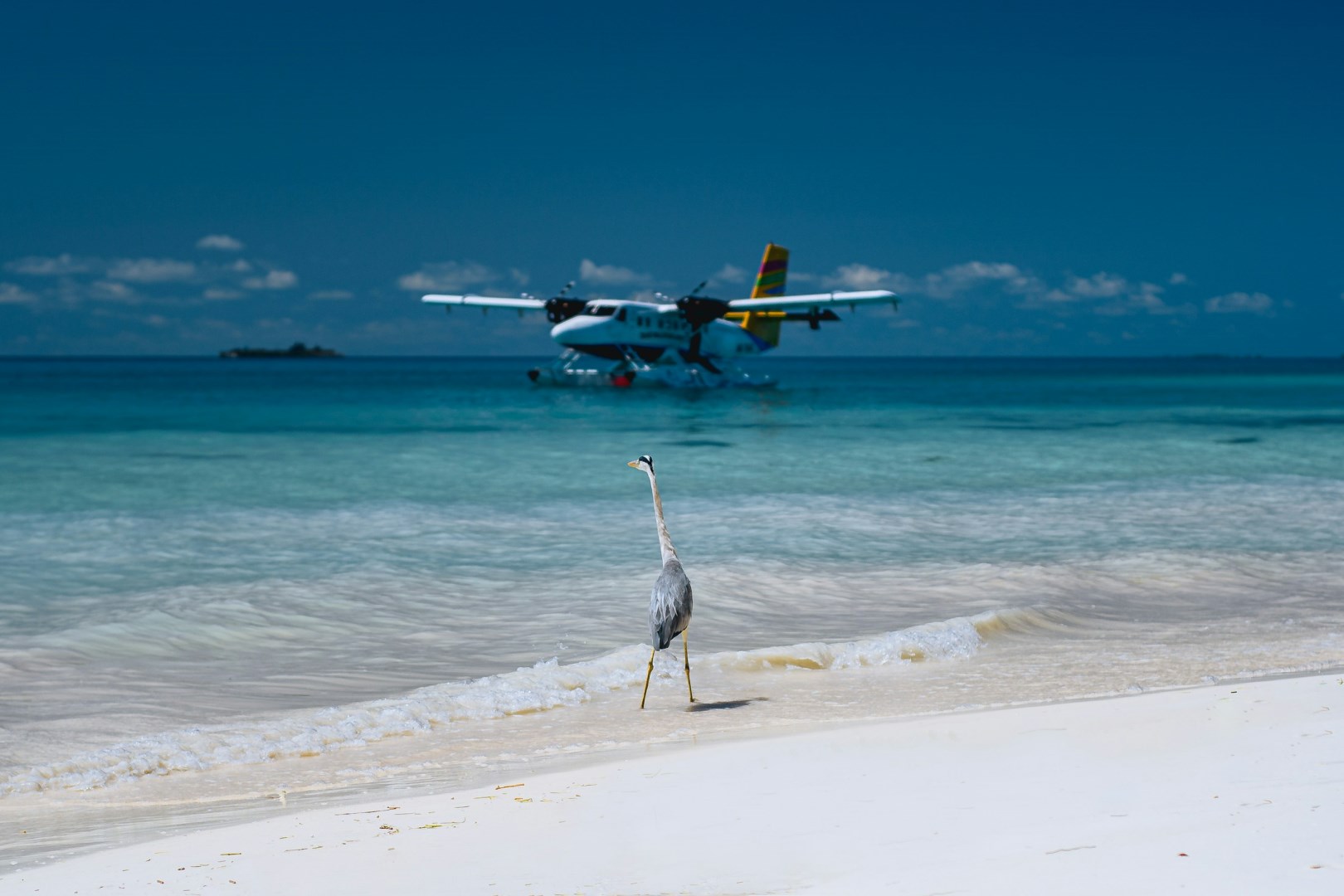
Alifu Dhaalu Atoll
Alifu Dhaalu Atoll, also known as South Ari Atoll, lies southwest of Malé in the central Maldives and includes a mixture of inhabited islands, uninhabited islets, sandbanks, and resort islands. The atoll is surrounded by coral reefs and clear lagoon waters, while many of its inhabited islands retain compact communities shaped by fishing and maritime traditions. Mahibadhoo serves as the administrative capital, with Dhangethi, Dhigurah, Omadhoo, and Mandhoo among the better-known local islands.
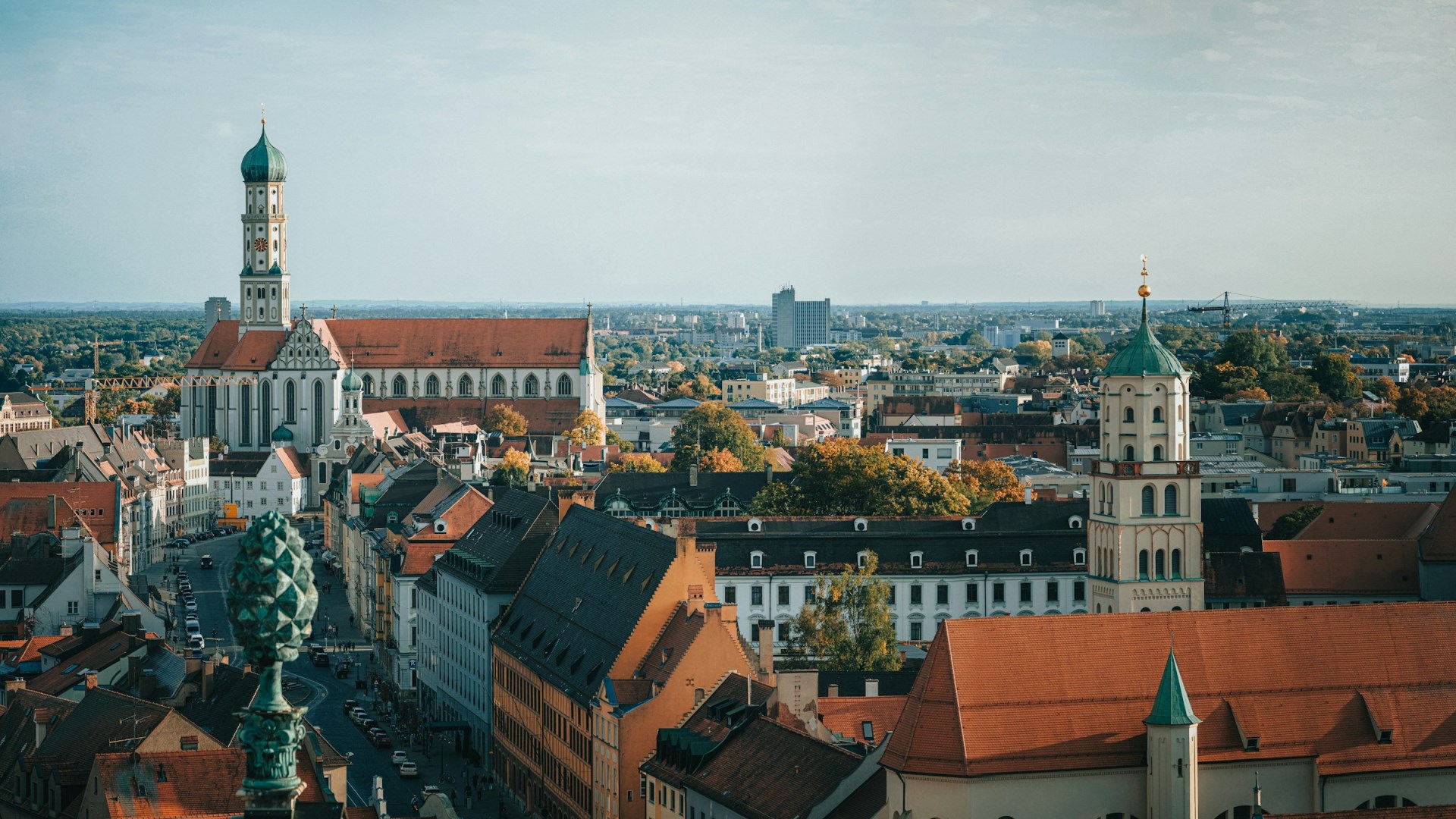
Augsburg
Augsburg was founded in 15 BC under the rule of the Roman emperor Augustus. For 400 years the city was the seat of a provincial government of the Roman empire. Its ideal location made it a crossroad of all important routes to the south. An advantage from which the powerful merchants and bankers, the Fugger family and the seafaring Welsers, likewise profited. They elevated Augsburg to rank among the world's most powerful cities. Kings and emperors were frequent guests here.
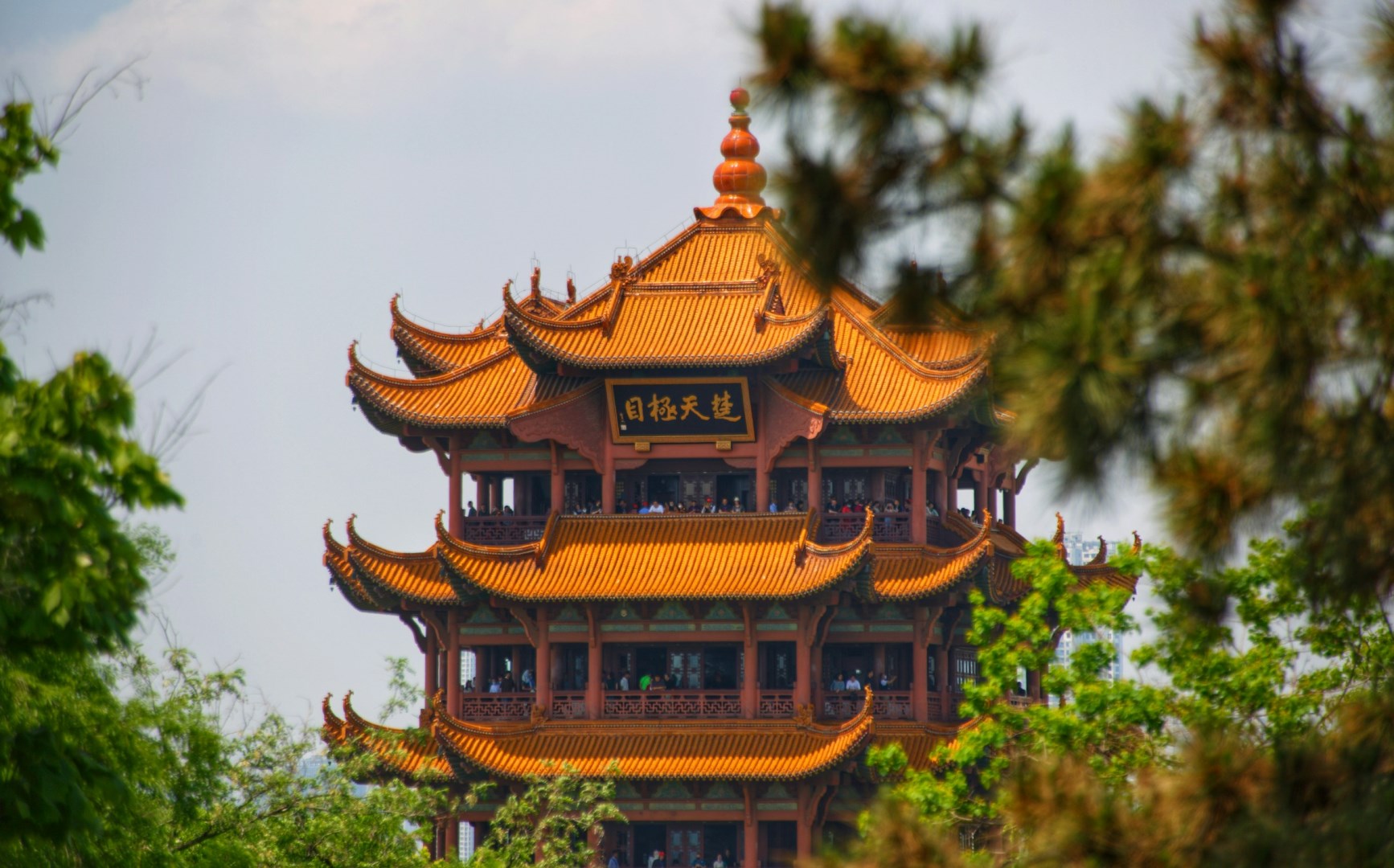
Wuhan
Situated on the Yangzte River, this is the provincial capital of the port of embarcation and debarcation for Yangzte River cruises. East Lake Park, Yellow Crane Tower, Guiyuan Temple, Hongshan Pagoda are some of the attractions.
