

Slovakia
Slovakia is a country shaped by mountains, castles, and centuries of shifting borders. Tucked in the heart of Europe, it offers visitors a chance to explore medieval towns, alpine peaks, and deep-rooted traditions still practiced in daily life. Bratislava, the capital, sits along the Danube River and is one of the few national capitals that borders Austria and Hungary.
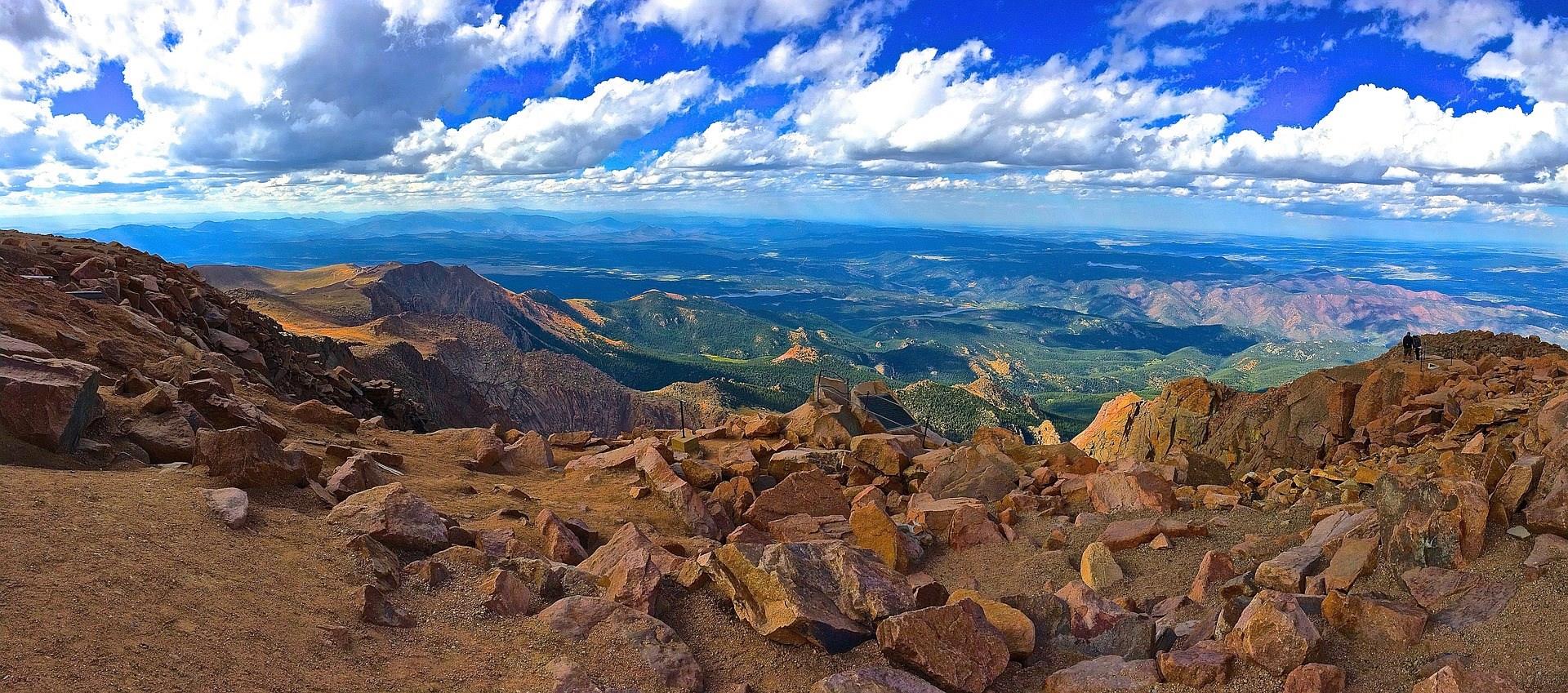
Pike's Peak
Pikes Peak, located in the heart of Colorado's Rocky Mountains, offers visitors an awe-inspiring natural experience. The Pikes Peak Highway, which ascends to the summit, allows travelers to reach the top by car, making it a popular choice for those looking to experience high-altitude vistas without the strenuous hike.
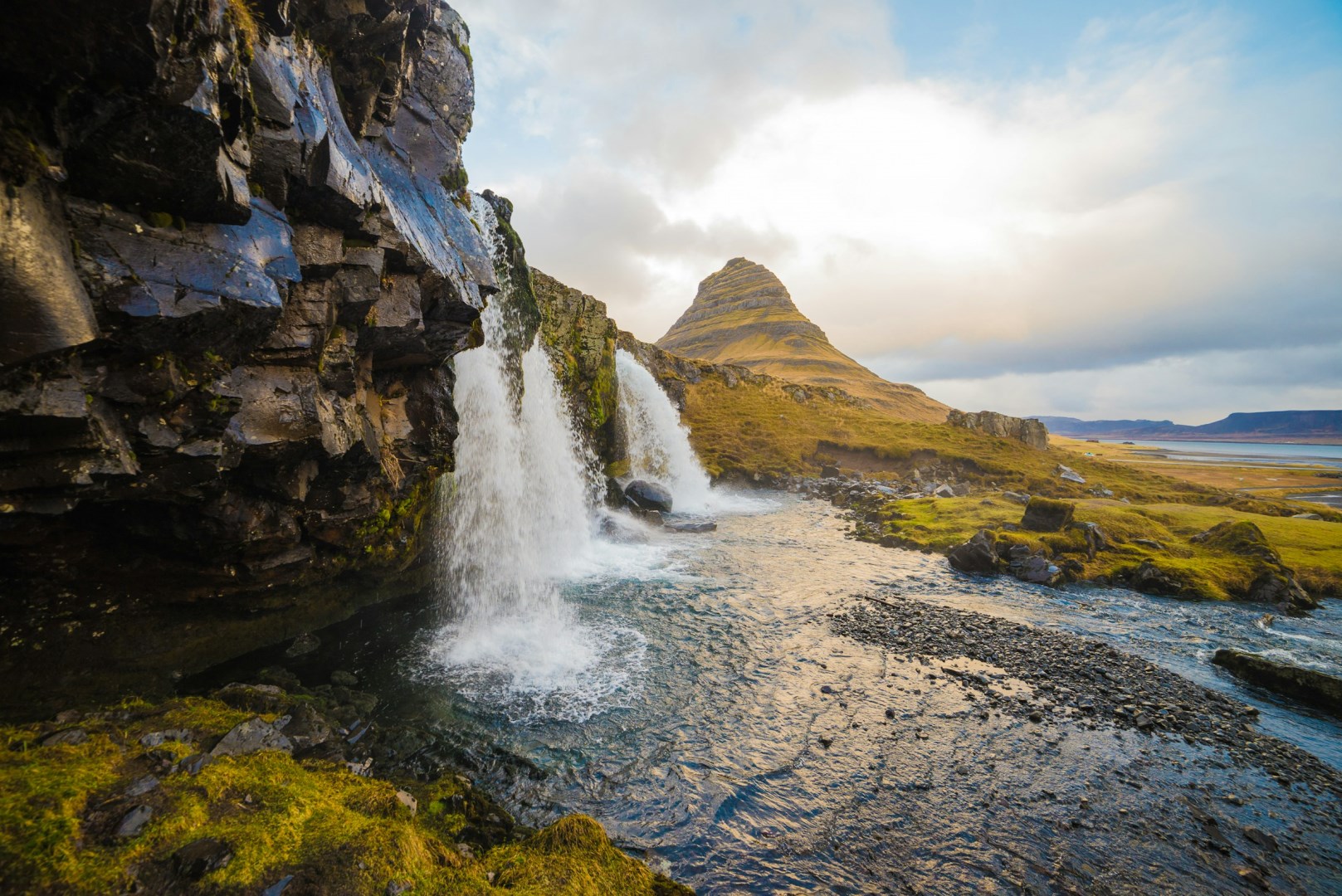
Kirkjufellsfoss
Kirkjufellsfoss is a small series of waterfalls beside Kirkjufell mountain near Grundarfjörður on the northern coast of Iceland’s Snæfellsnes Peninsula. The Kirkjufellsá river descends from the Helgrindur mountain range through several falls before reaching the sea, with Kirkjufell rising prominently behind them. The relationship between the waterfall and the distinctive mountain has made this one of the most recognizable landscapes in West Iceland.
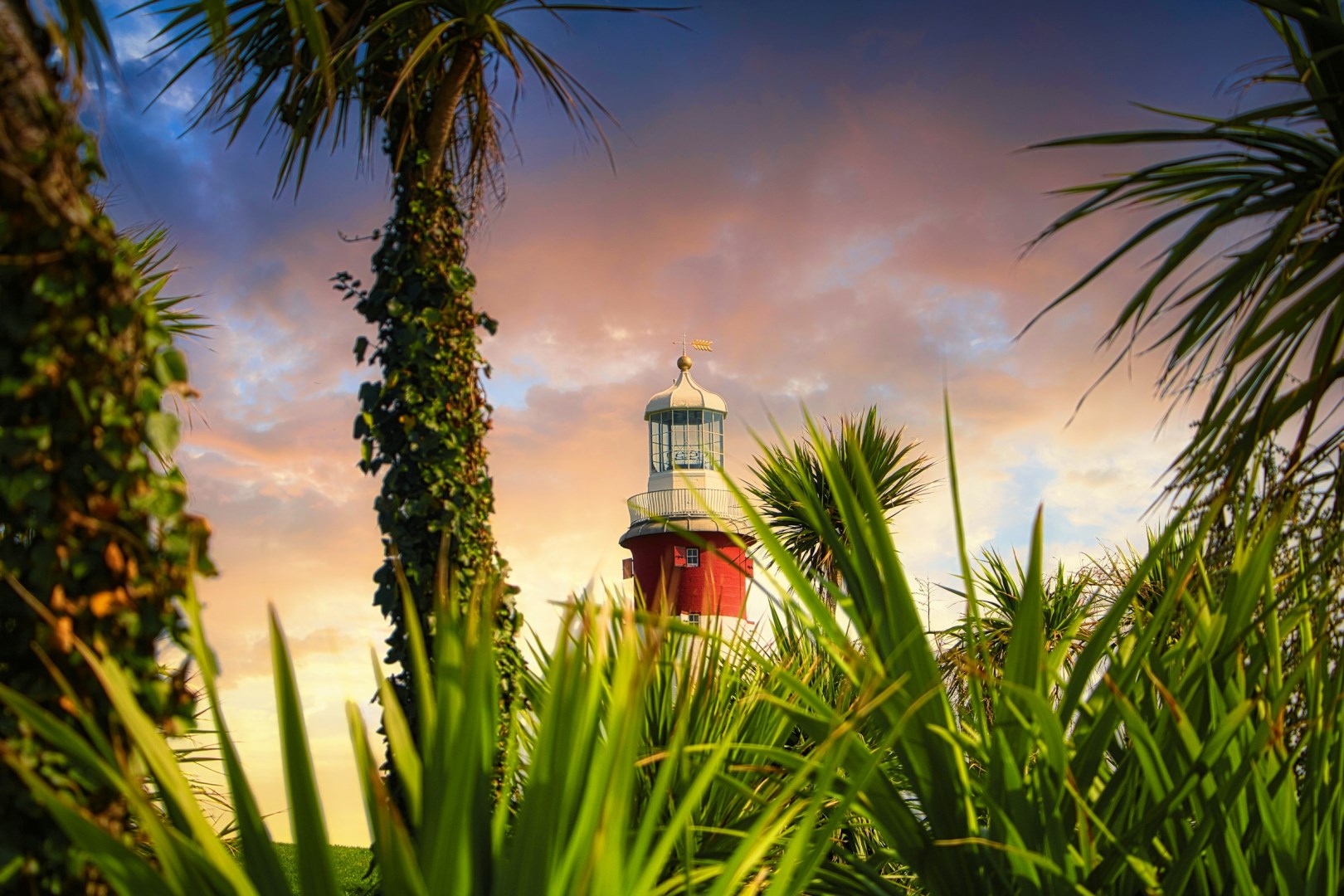
Plymouth
Plymouth sits on England’s southwest coast, where the River Plym meets the sea, forming a wide natural harbor that has shaped the city’s identity for generations. The waterfront remains central to daily life, with views stretching across Plymouth Sound and boats moving in and out of the marina. Visitors often begin along the historic Barbican, an area of narrow streets and old buildings that survived past conflicts and now house independent shops, galleries, and small cafés.
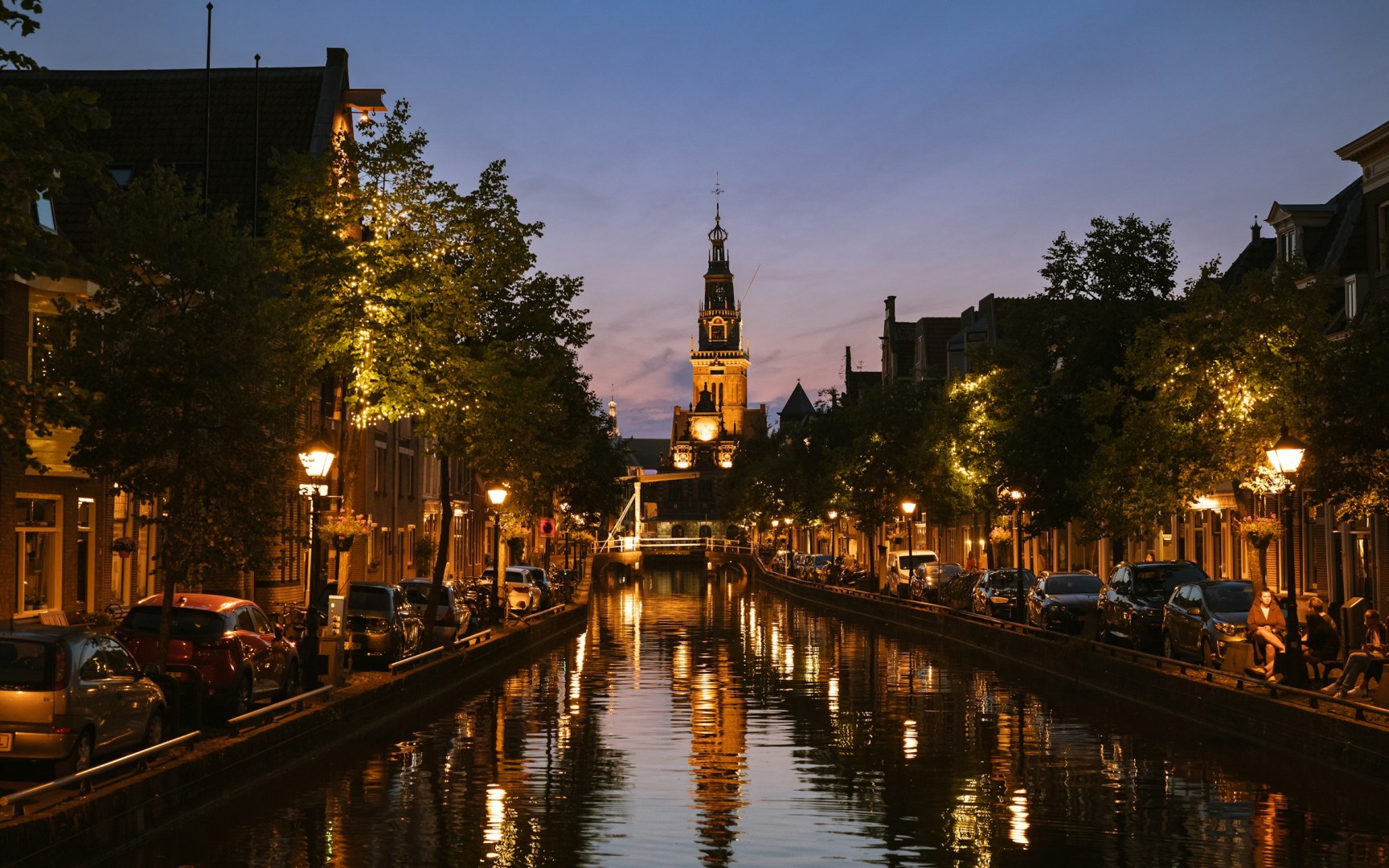
Alkmaar
Alkmaar is a historic city in the Dutch province of North Holland, known for its canals, narrow streets, traditional gabled houses, and long association with cheese trading. The old center is compact and largely walkable, with the Waagplein at its heart and the Waag building providing one of the city’s most recognizable landmarks. Canals such as the Oudegracht and Luttik Oudorp wind through the center, while bridges connect streets lined with shops, cafés, and historic buildings.
