
Windsor
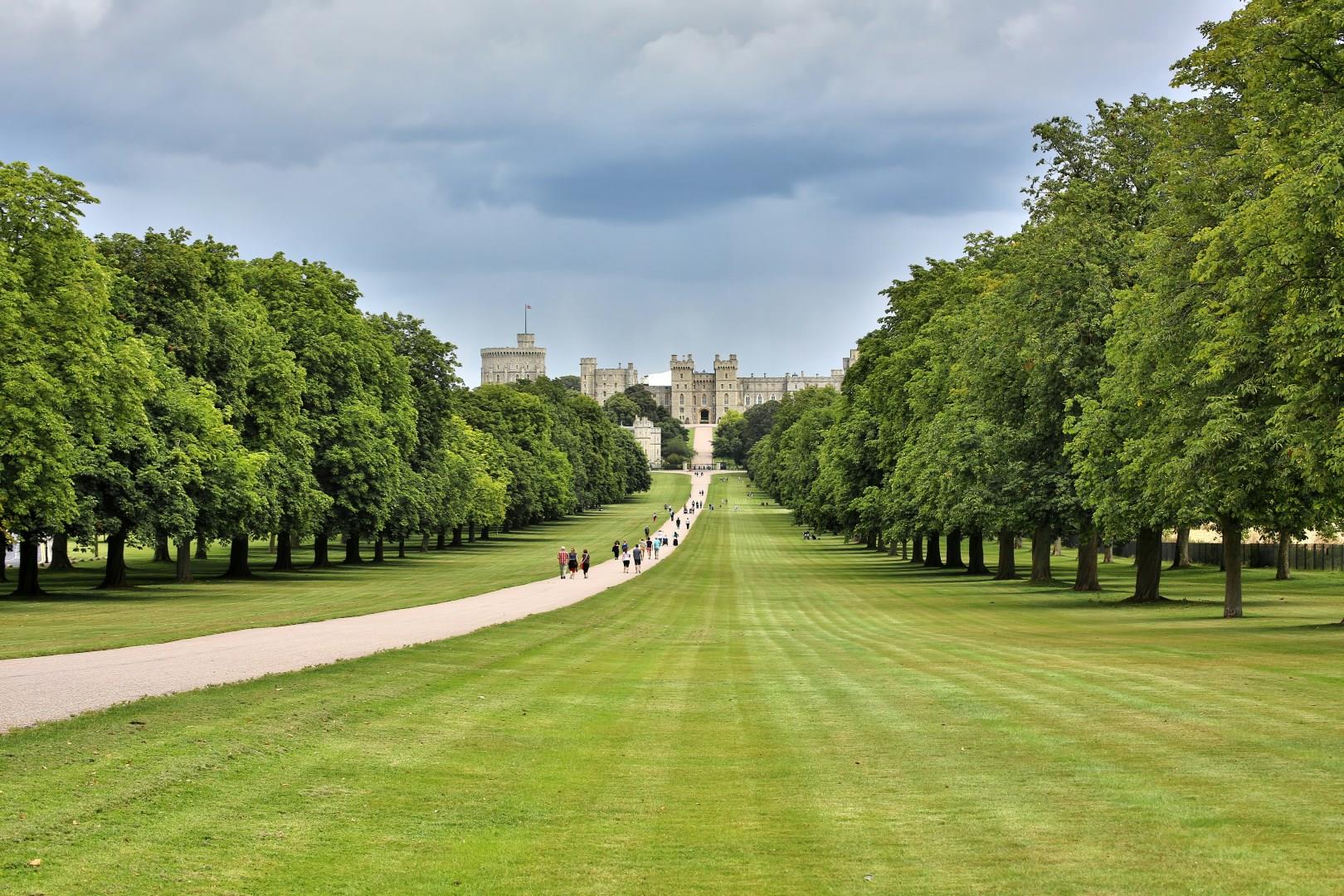
Windsor sits along a bend in the River Thames, its identity shaped by nearly a thousand years of royal presence. Windsor Castle, the world’s oldest continuously inhabited royal residence, dominates the town and anchors its historical significance, but the surrounding streets and parks reveal a place that has long supported court life, trade, and everyday routines alongside ceremony.
Saskatoon
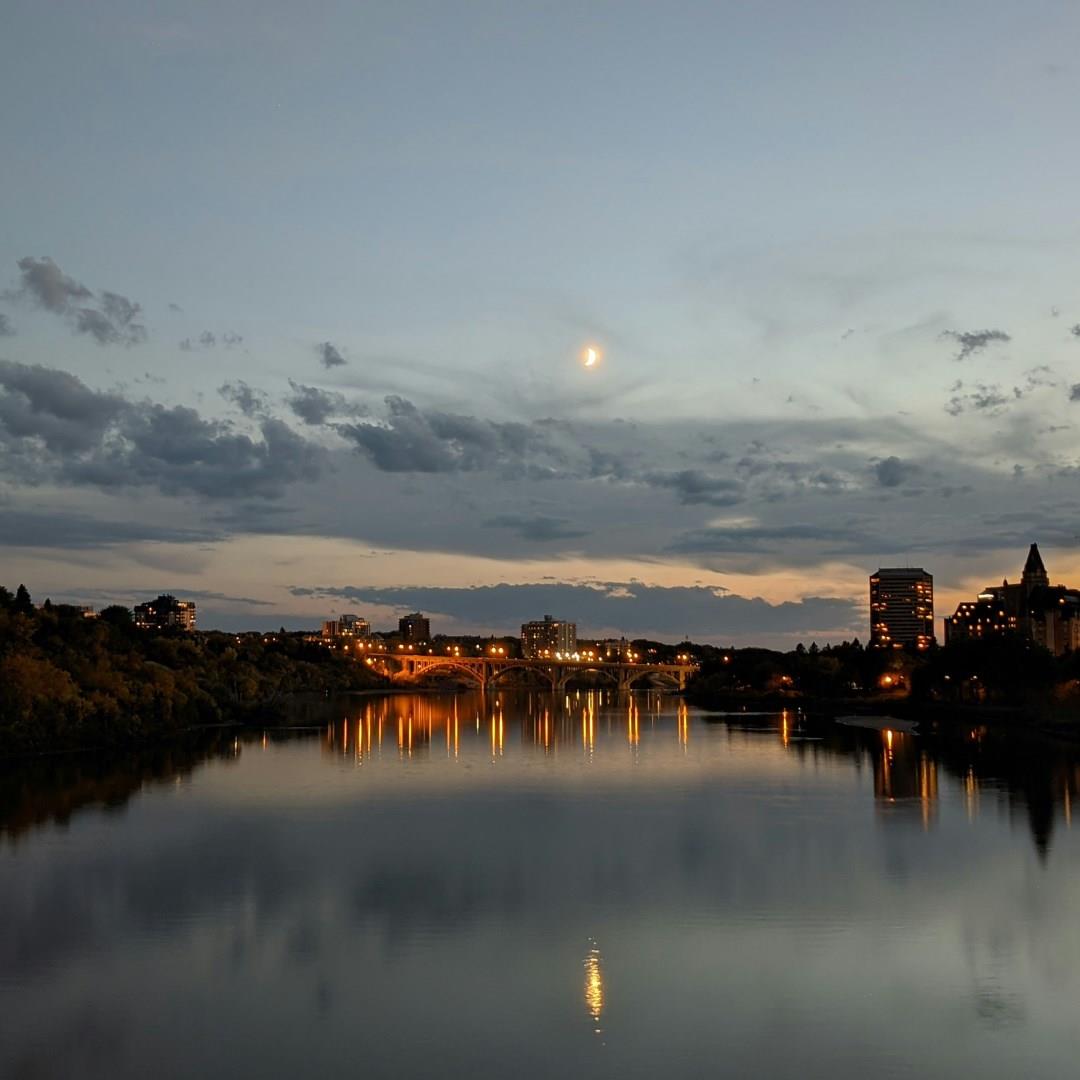
Saskatoon, set along the South Saskatchewan River in central Canada, is a city where prairie heritage meets a growing cultural scene. Known as the “City of Bridges” for the many spans that cross its winding river, Saskatoon combines natural charm with urban vibrancy.

Doha
Doha presents a journey where heritage and modern design intersect gracefully. The Museum of Islamic Art, designed by I. M. Pei, rises from the Corniche and houses ceramics, textiles, manuscripts, and metalwork spanning fourteen centuries. Nearby, the National Museum of Qatar, shaped like a desert rose, narrates the country's story through immersive exhibits and architecture by Jean Nouvel. These institutions offer perspectives on both art and national identity.

Belém
Belém do Pará sits at the edge of the Amazon, where river and bay meet in a landscape with activity and color. The Ver-o-Peso Market spreads along Guajará Bay, welcoming early morning boats laden with fresh fish, herbs, fruits, and Amazonian goods. Recognized by UNESCO as a Creative City of Gastronomy, the local cuisine marries Indigenous, Portuguese, and African traditions to create dishes found nowhere else.
Akureyri
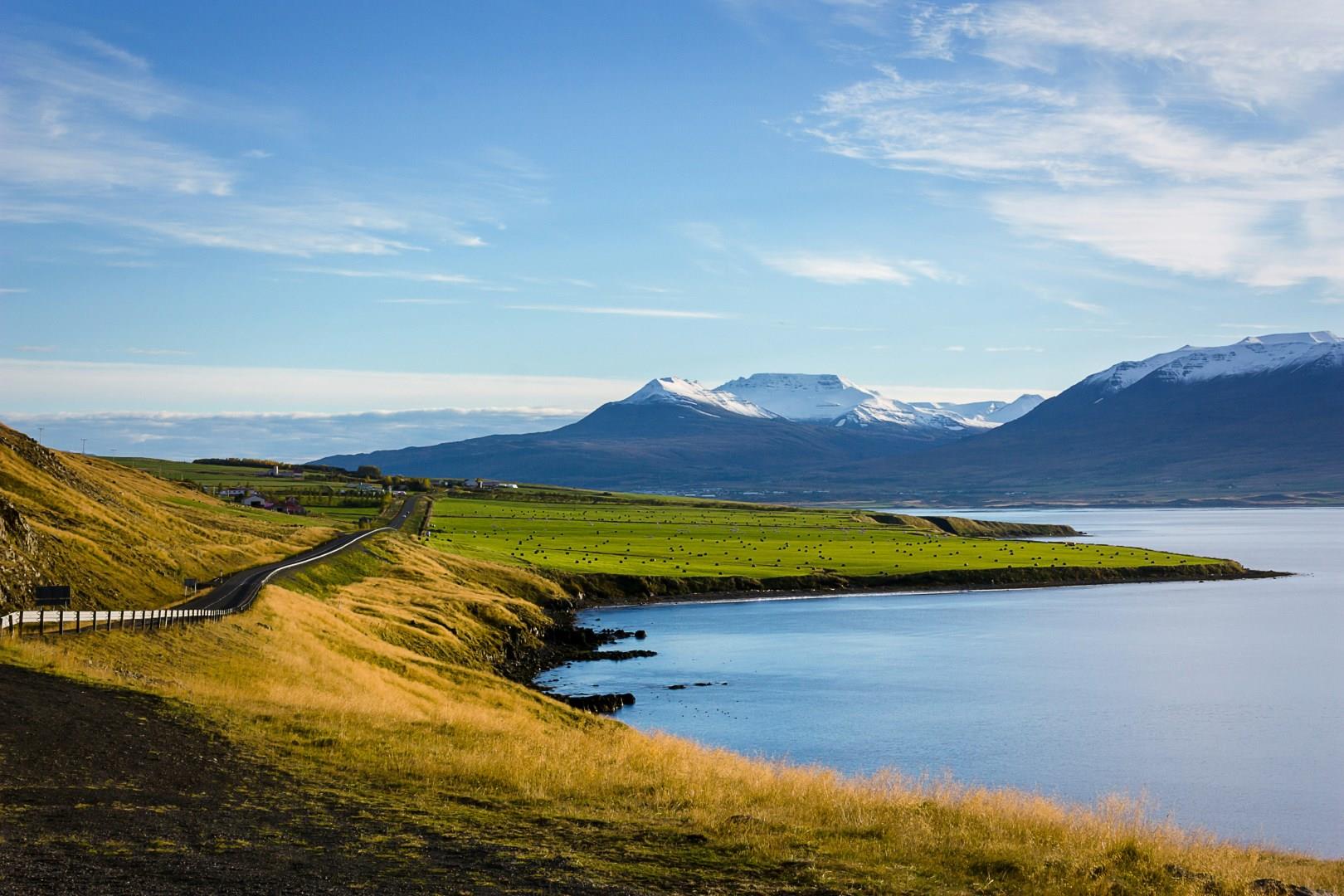
Akureyri, often referred to as the capital of North Iceland, offers travelers a distinct experience shaped by its Arctic location and rich local culture. Nestled at the base of Eyjafjörður fjord, the town has served as a trading center since the 1600s and continues to thrive with a mix of fishing, arts, and tourism. Within a few hours’ drive, visitors can reach the geothermal fields of Hverir, the volcanic craters at Lake Mývatn, and the powerful Goðafoss waterfall.
