
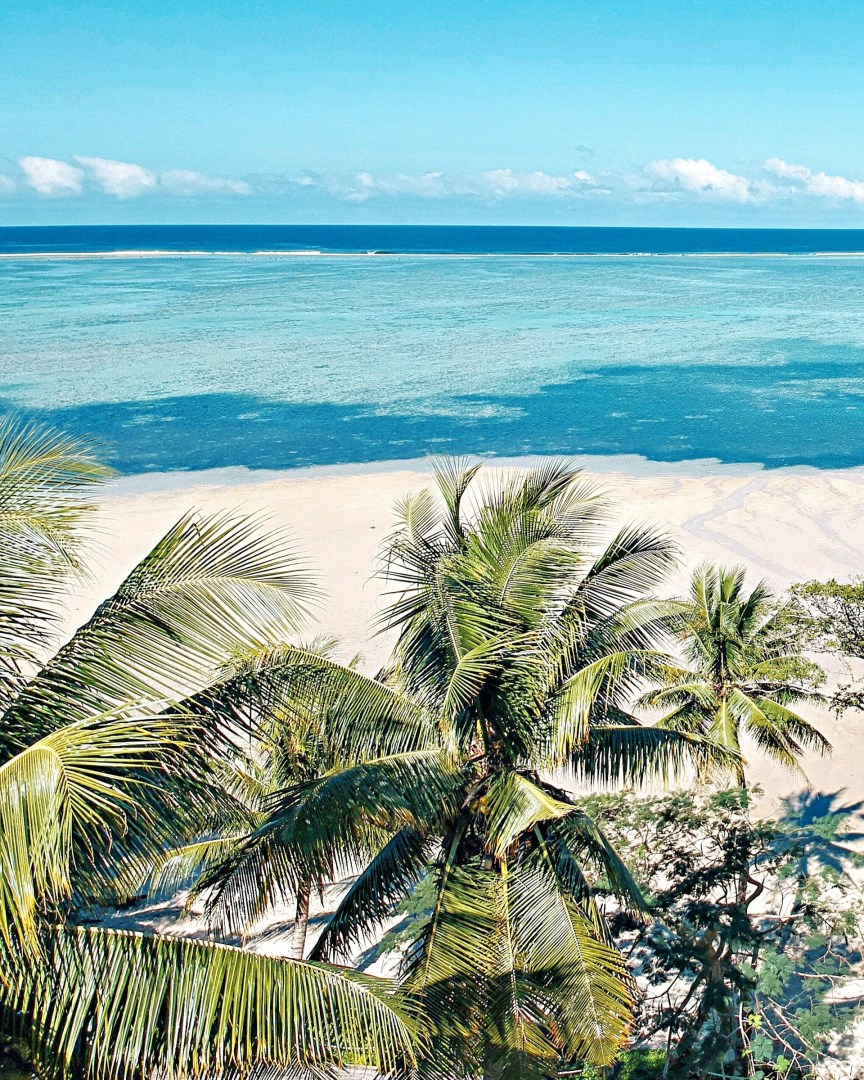
Viti Levu
Viti Levu is Fiji’s largest island and the country’s main centre of population, government and commerce. More than 70 percent of Fiji’s residents live on the island, which includes the capital, Suva, in the southeast and Nadi, the principal international gateway, in the west.
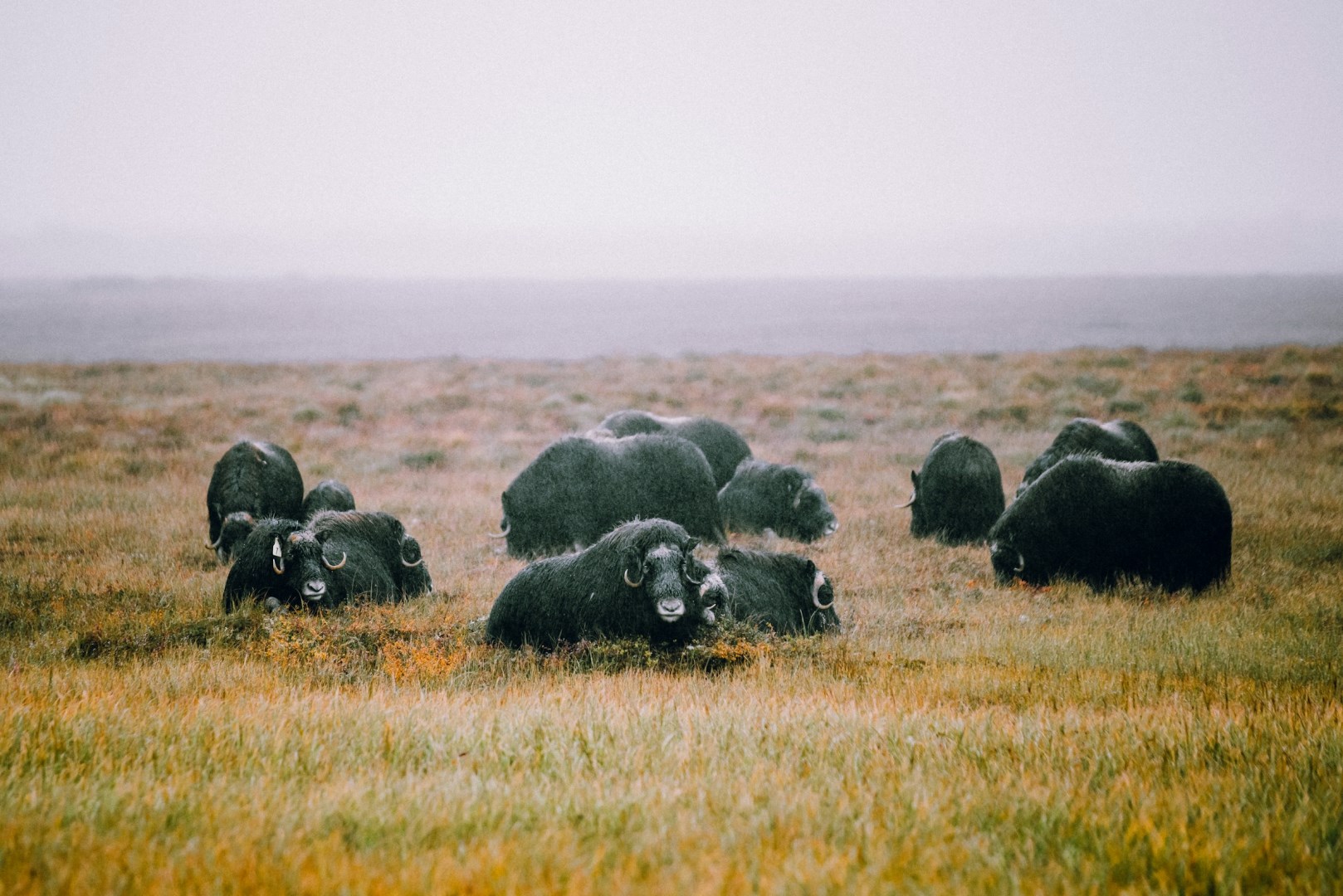
Nome
Nome is a coastal city on the southern Seward Peninsula in western Alaska, facing Norton Sound and the Bering Sea. Its remote location places it far from Alaska's major road network, with access primarily by air and seasonal sea travel. The surrounding landscape consists of tundra, low mountains, wetlands, beaches, and broad coastal plains. Nome is best known for its connection to gold mining and its role as a regional center for communities across western Alaska.
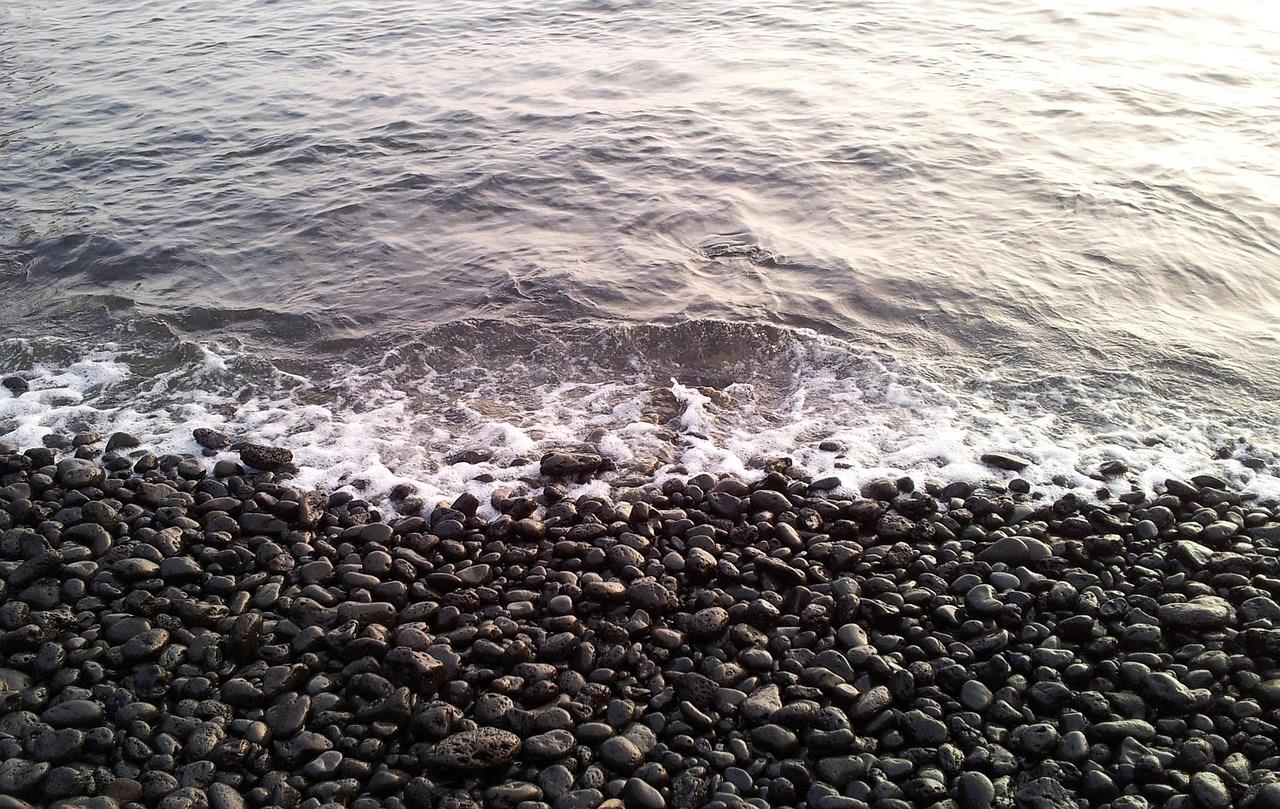
Keauhou, Hawaii
Keauhou, located on the Kona Coast of Hawai‘i Island, is recognized as the birthplace of King Kamehameha III, and many nearby sites still reflect its royal past.
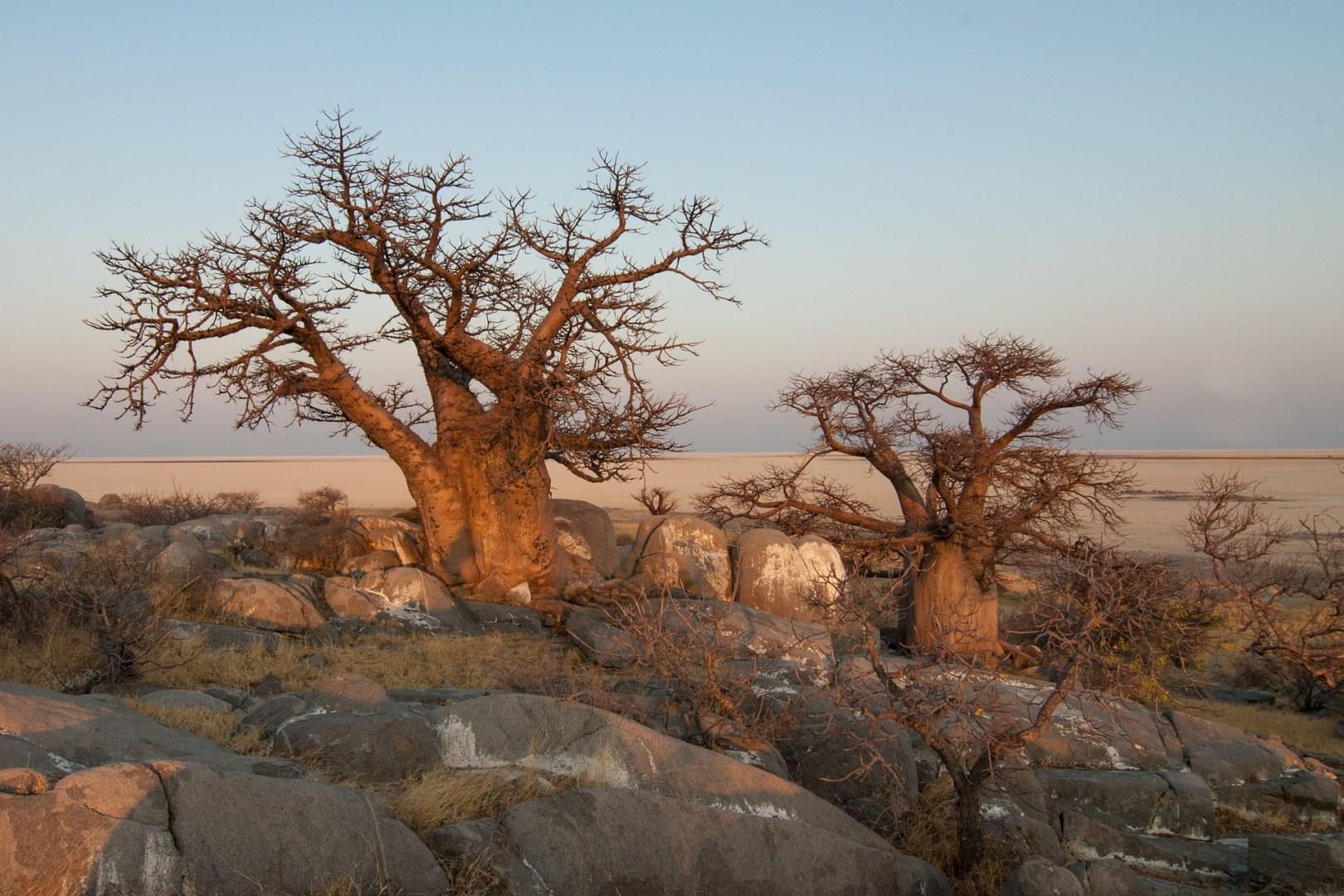
Botswana
Botswana, a jewel of southern Africa, offers a captivating blend of natural beauty and unique wildlife experiences. The country is renowned for its pristine wilderness areas, including the Okavango Delta, a UNESCO World Heritage site. This sprawling inland delta floods annually, creating a lush oasis in the Kalahari Desert. Here, visitors can explore a maze of waterways and lagoons by traditional mokoro canoe, spotting a rich array of wildlife such as elephants, hippos, and various bird species.
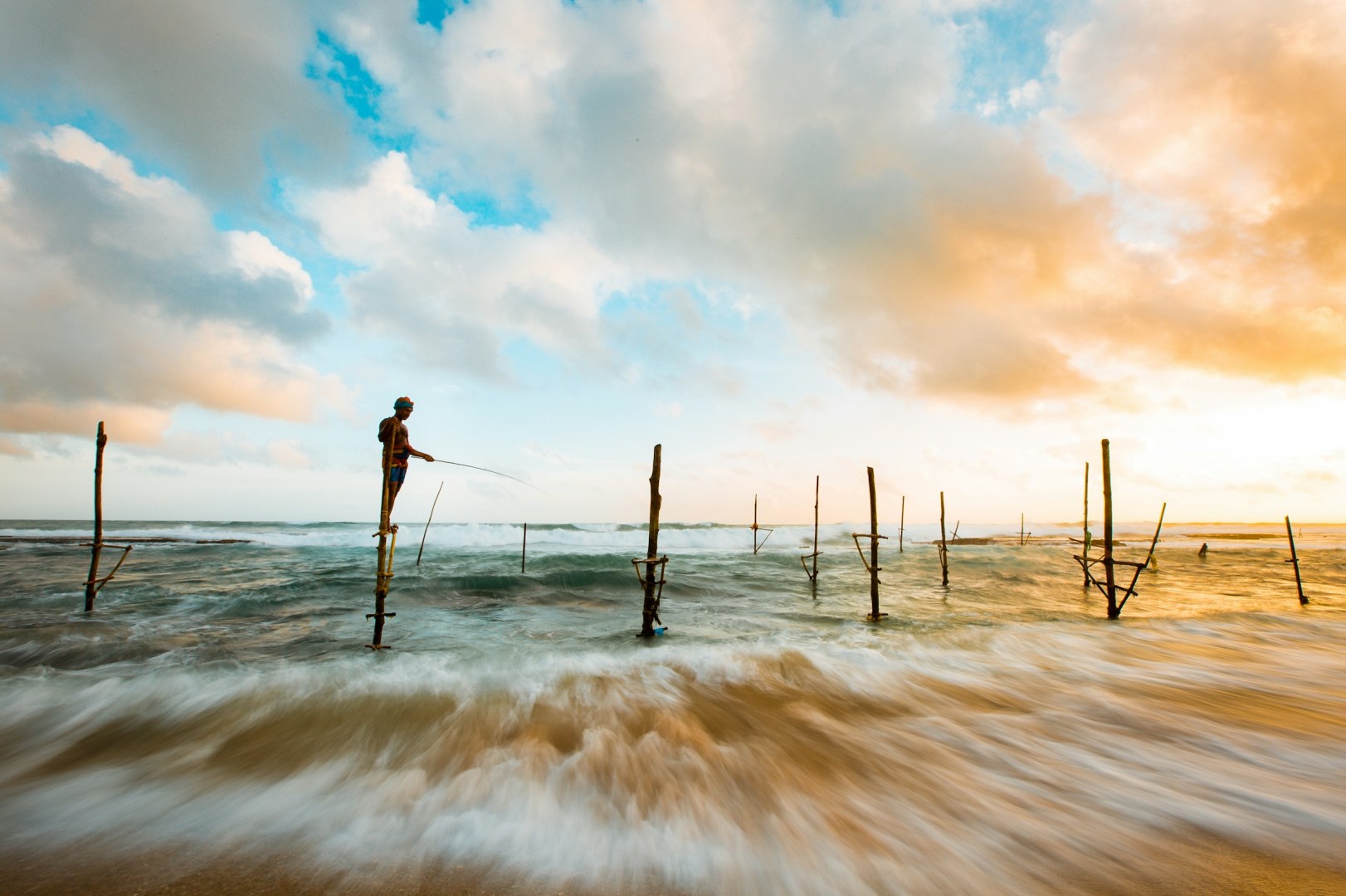
Hikkaduwa
Hikkaduwa is a coastal town in Sri Lanka’s Southern Province, known for its long sandy shoreline, surf breaks, and protected marine environment. Located along the coast between Colombo and Galle, it has developed around the sea, with beachfront restaurants, guesthouses, surf schools, and dive operators forming an important part of local life. The town is particularly associated with Hikkaduwa National Park, a shallow marine area containing a fringing coral reef close to shore. Its accessible ree
