

Ngorongoro
Ngorongoro, Tanzania, is a destination where breathtaking landscapes and abundant wildlife converge in a truly unique way. Nestled within the Ngorongoro Conservation Area, this region is renowned for the Ngorongoro Crater, a UNESCO World Heritage Site. This ancient caldera, formed by a volcanic eruption millions of years ago, creates a natural amphitheater teeming with wildlife.
Eger
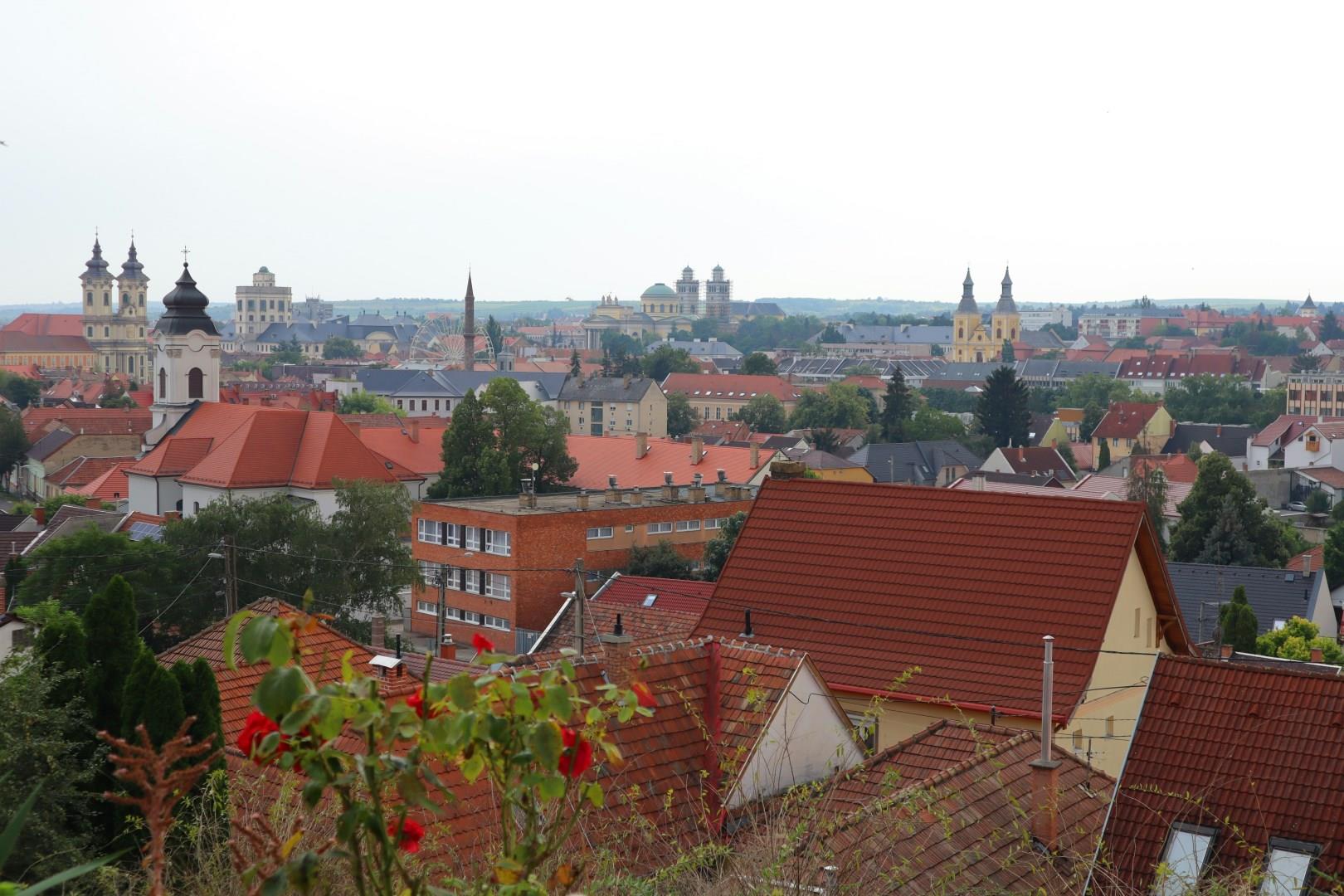
Eger sits in northern Hungary and is known for its well preserved Baroque center, historic castle and long tradition of wine and craft that draw visitors from across Europe. Just beyond the historic center, generations of winemakers have perfected local styles and offer tastings of local varieties. A casual afternoon here can feel like a gentle cellar crawl, with seasonal music or simple snacks adding to relaxed tastings under vine covered walkways.

Dominica
Dominica, known as the “Nature Island of the Caribbean,” is a haven for eco-tourists and adventure seekers. Nestled between the French islands of Guadeloupe and Martinique, this lush island boasts a remarkable landscape of volcanic mountains, dense rainforests, and stunning waterfalls. Dominica’s most iconic natural wonder is the Boiling Lake, the second-largest hot spring in the world.
Mijas
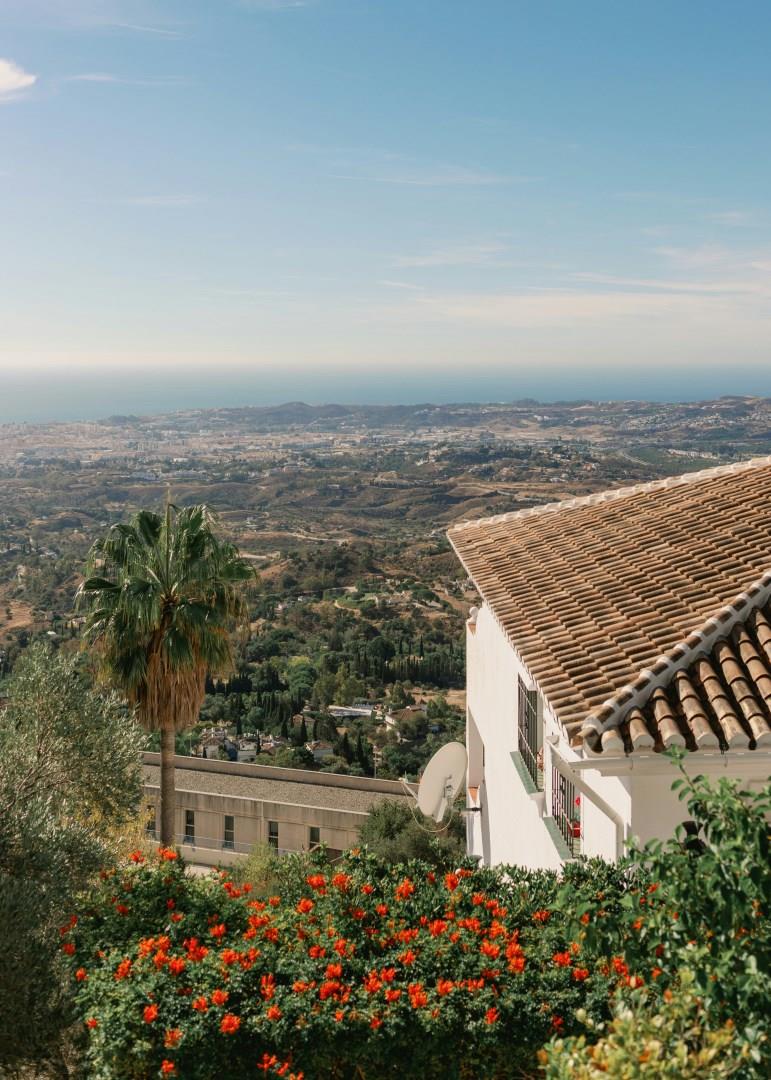
Mijas, perched on the hillside above the Costa del Sol, blends centuries of Andalusian tradition with views that stretch across the Mediterranean. The whitewashed buildings of Mijas Pueblo reflect sunlight from narrow cobbled streets that wind through small plazas, each with its own fountain, chapel, or overlook. The town’s layout still follows Moorish-era planning, and remnants of the old wall (La Muralla) offer shaded walks lined with native plants and panoramic views over the coast.
Imlil
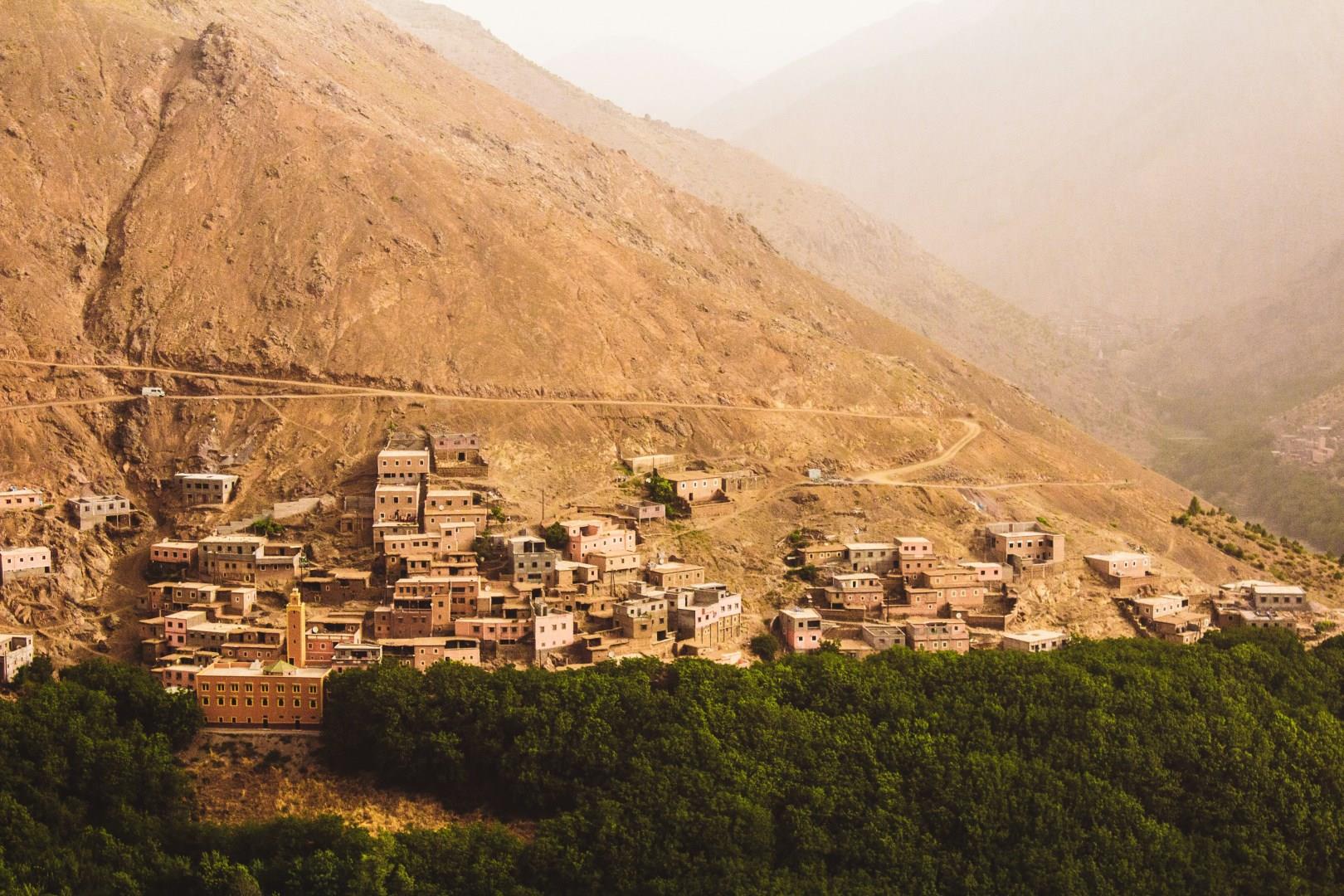
Imlil is a small Berber village nestled in the High Atlas Mountains of Morocco, serving as a gateway to the Toubkal National Park. Its history is tied to mountain agriculture and traditional life, with stone houses and terraced fields reflecting centuries of adaptation to the rugged terrain.
