
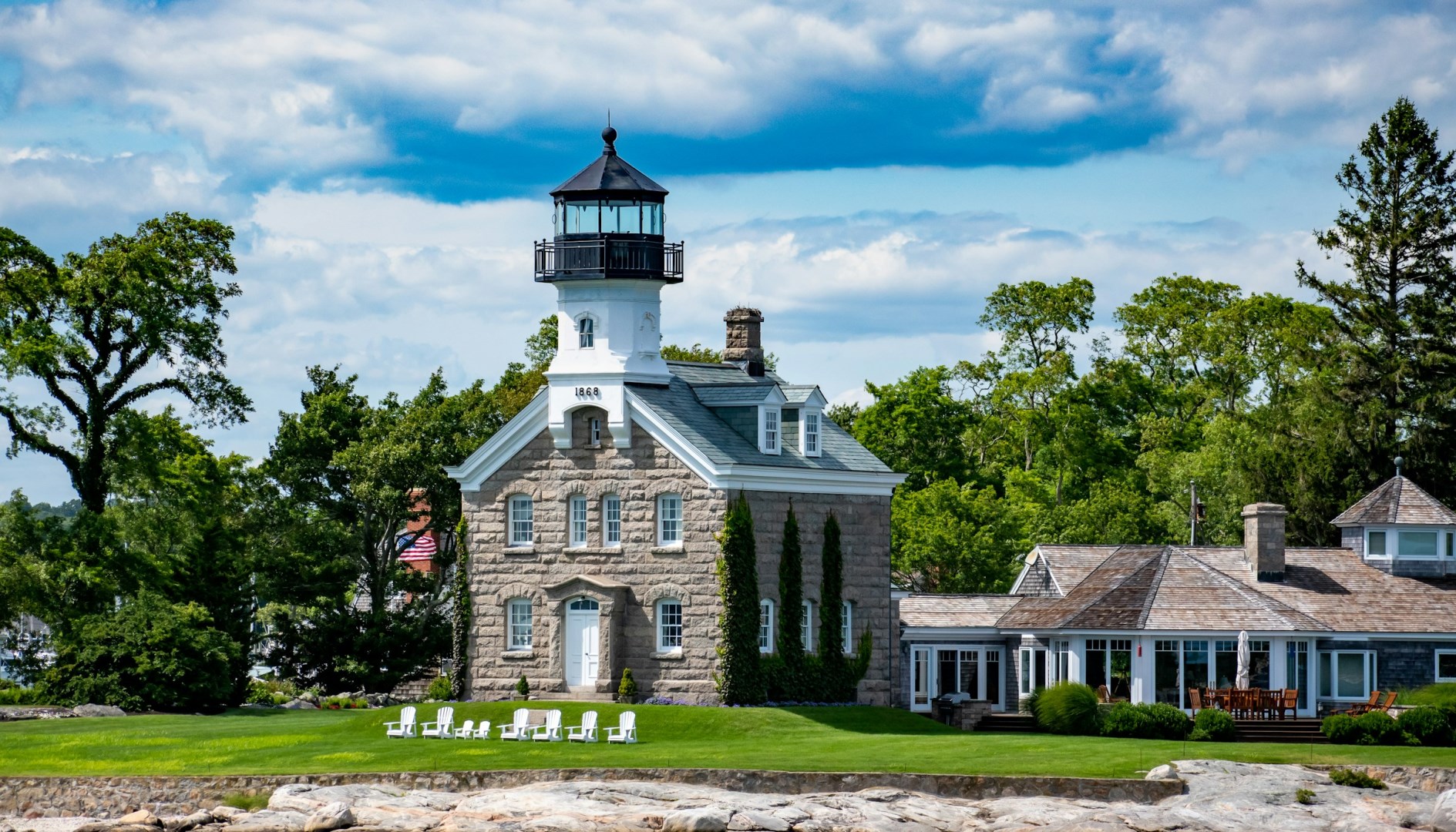
Groton
Groton is a coastal town in southeastern Connecticut, positioned between the Thames River and Long Island Sound. Its identity has been shaped by maritime trade, shipbuilding, military activity, and submarine technology, earning it the longstanding nickname “Submarine Capital of the World.” The town includes several distinct areas, from the historic waterfront of Groton Bank to beaches, wooded neighborhoods, and working industrial facilities.
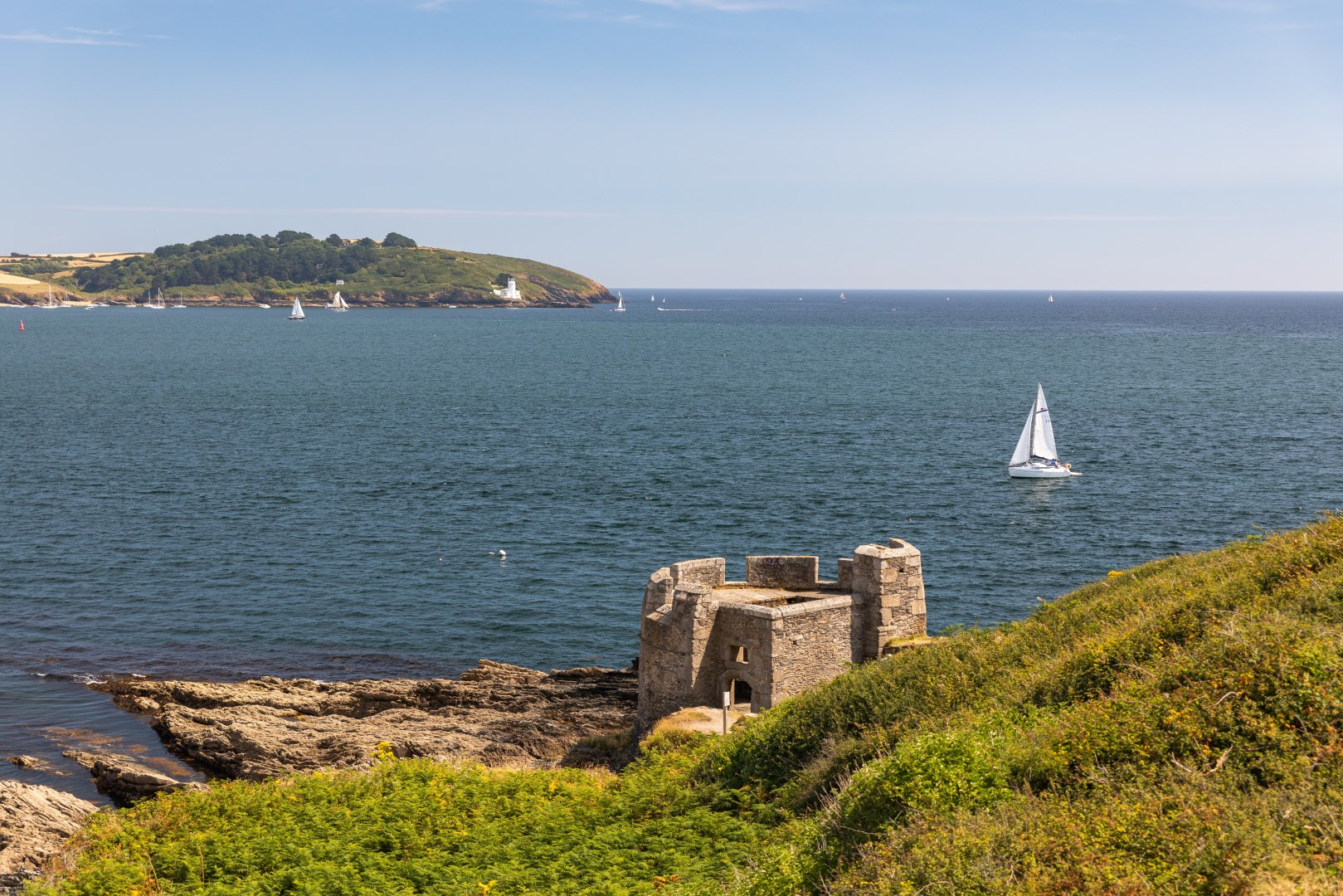
Falmouth
Falmouth is a small harbour settlement on the southern coast of Antigua, adjoining English Harbour and surrounded by hills and sheltered bays. Its waterfront is closely connected to Antigua's sailing industry, with marinas, boatyards, restaurants, and services lining the harbour.
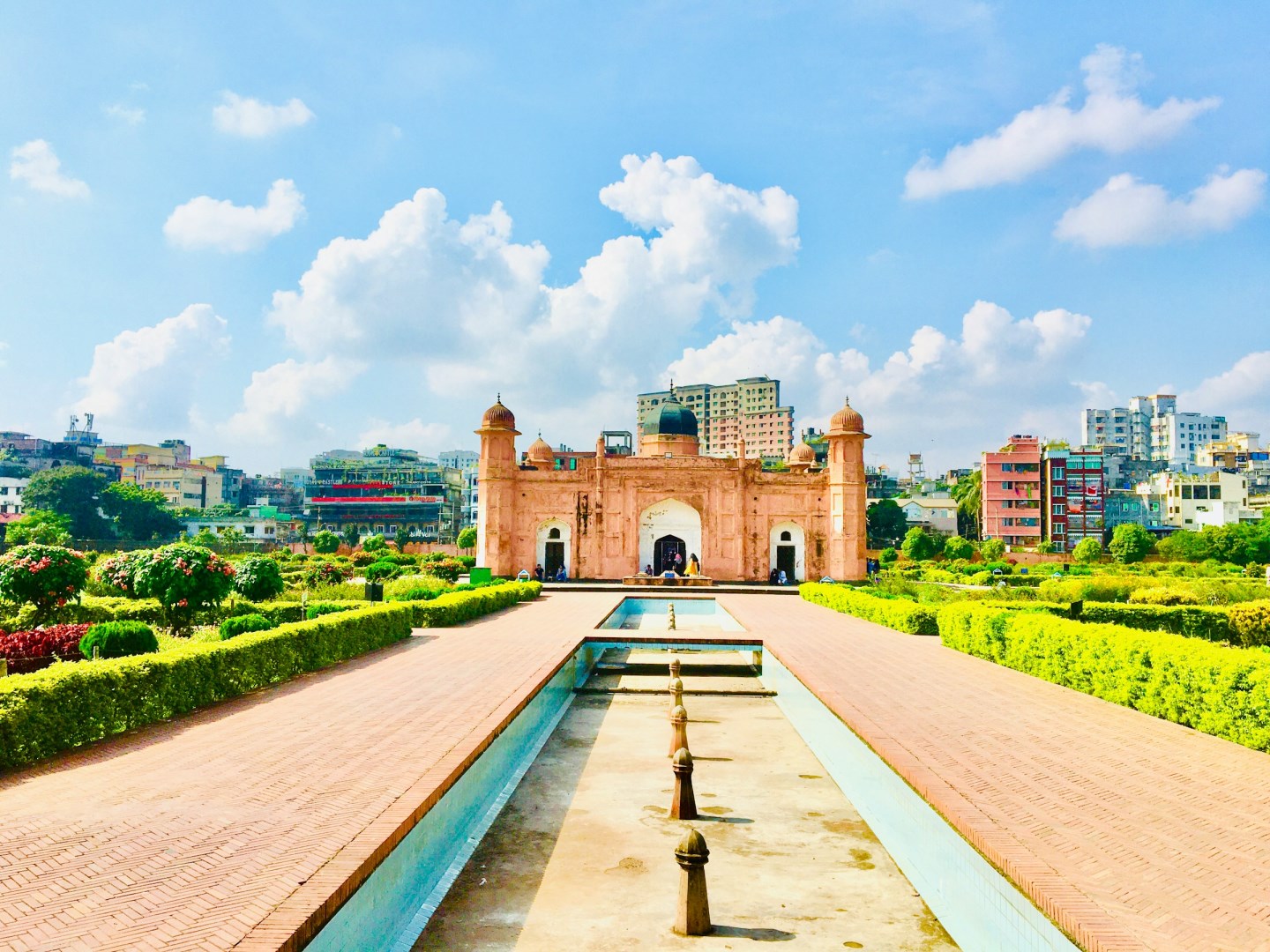
Dhaka
Dhaka, the capital of Bangladesh, is a city of striking contrasts where centuries-old traditions meet rapid modern growth. Known as the “City of Rickshaws,” it is famous for its vibrant street life, colorful cycle rickshaws, and markets that seem to run around the clock.
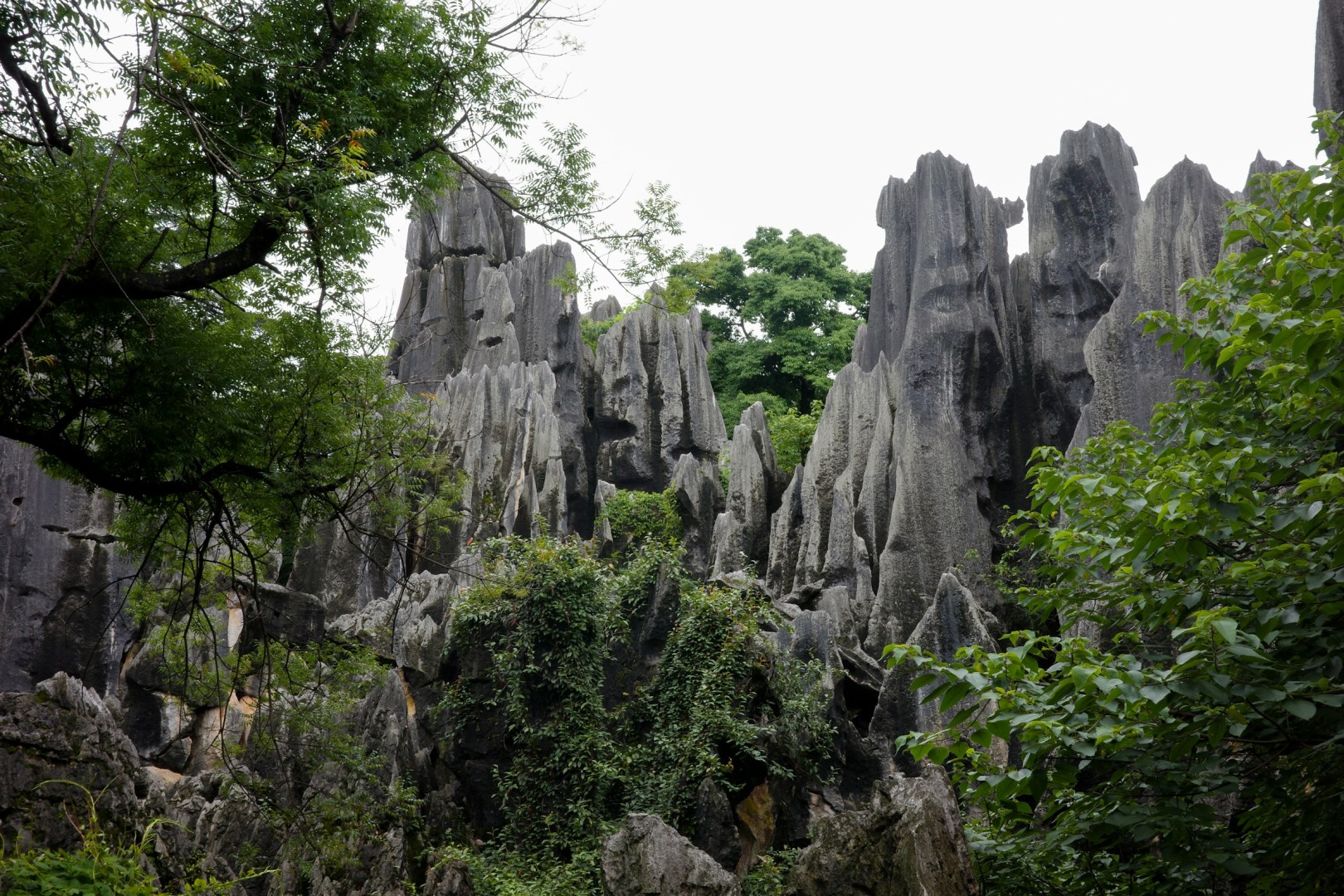
Kunming
Kunming, the capital of China’s Yunnan Province, is often called the “City of Eternal Spring” for its mild climate and blooming flowers year-round. Perched on a plateau more than 6,000 feet above sea level, Kunming has long served as a crossroads of cultures and trade routes connecting China to Southeast Asia.
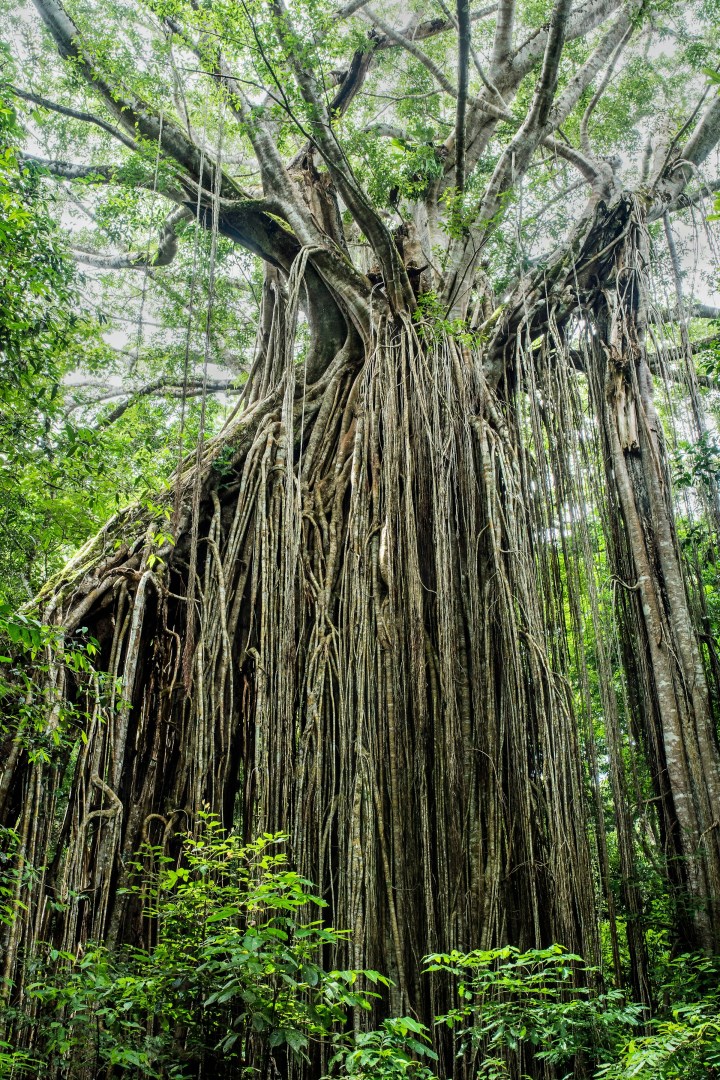
Atherton Tablelands
A picturesque mosaic of unique plant and animal habitats, rainforests, national parks, mountains, rivers, lakes and beautiful waterfalls, combined with some of Australia's richest agricultural lands and charming small "picture postcard" townships - all just a one hour drive from Cairns.
