
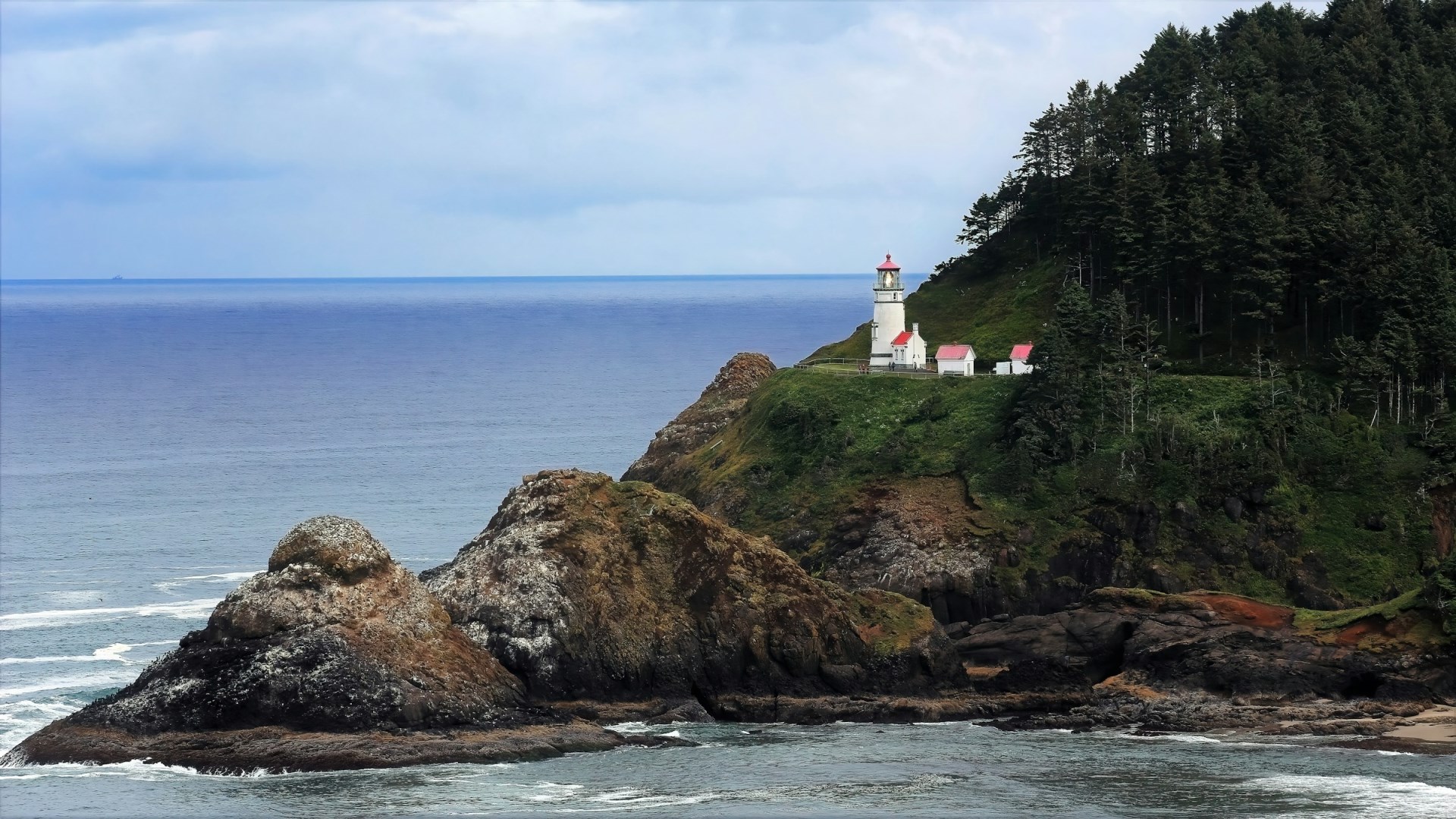
Heceta Head
Heceta Head is a prominent coastal headland on Oregon’s central coast, rising above the Pacific Ocean north of Florence. The area is part of the Siuslaw National Forest and is known for its steep forested slopes, rocky shoreline, and sweeping ocean views. Heceta Head Lighthouse stands on the headland above the coast and remains one of Oregon’s best-known navigational landmarks.
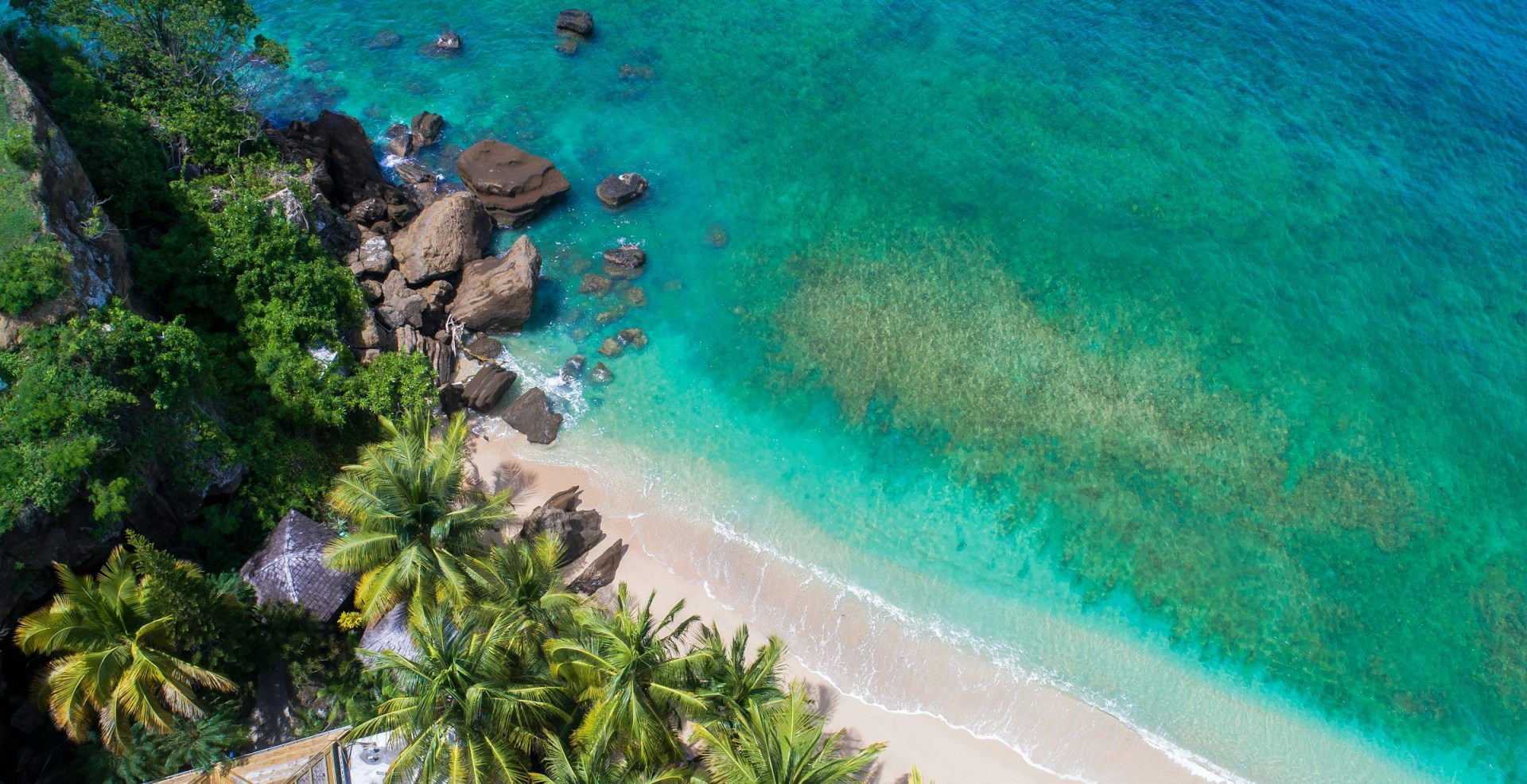
Grenada
You'll know why picturesque Grenada is known as the "spice island" when you notice the scent of nutmeg, vanilla and cocoa in the air. Grenada's waterfalls, lush rain forests, volcanic crater lake, tiny villages, cocoa, nutmeg and banana plantations, rum distilleries, scenic hiking trips, pristine coral reefs, and hidden-away unspoiled beaches all make Grenada one of the most popular ecotourism destinations for those who like to discover off-the-beaten-track natural beauty and charm.
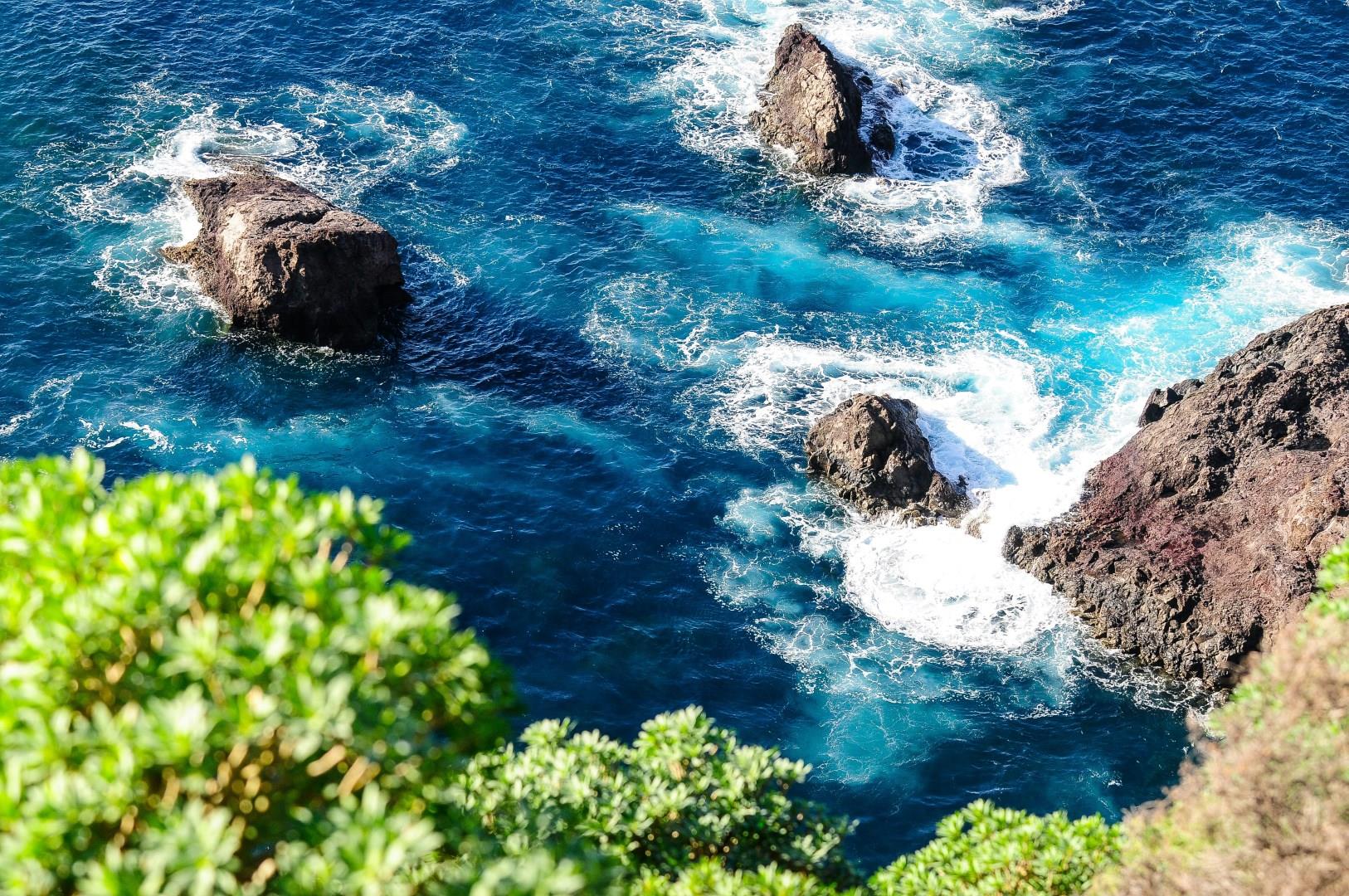
La Palma
La Palma (also San Miguel de La Palma) is the fifth of Spain's Canary Islands. This mountainous volcanic island is a natural wonder of tropical vegetation. Its coast is lined by jagged cliffs and plunging ravines, and its beaches are covered with black sand. Thanks to dry climate and the height of its mountains creating excellent observation conditions, La Palma has become the home of some of the world's largest telescopes, seated on the rocky ridge called El Roque de los Muchachos.
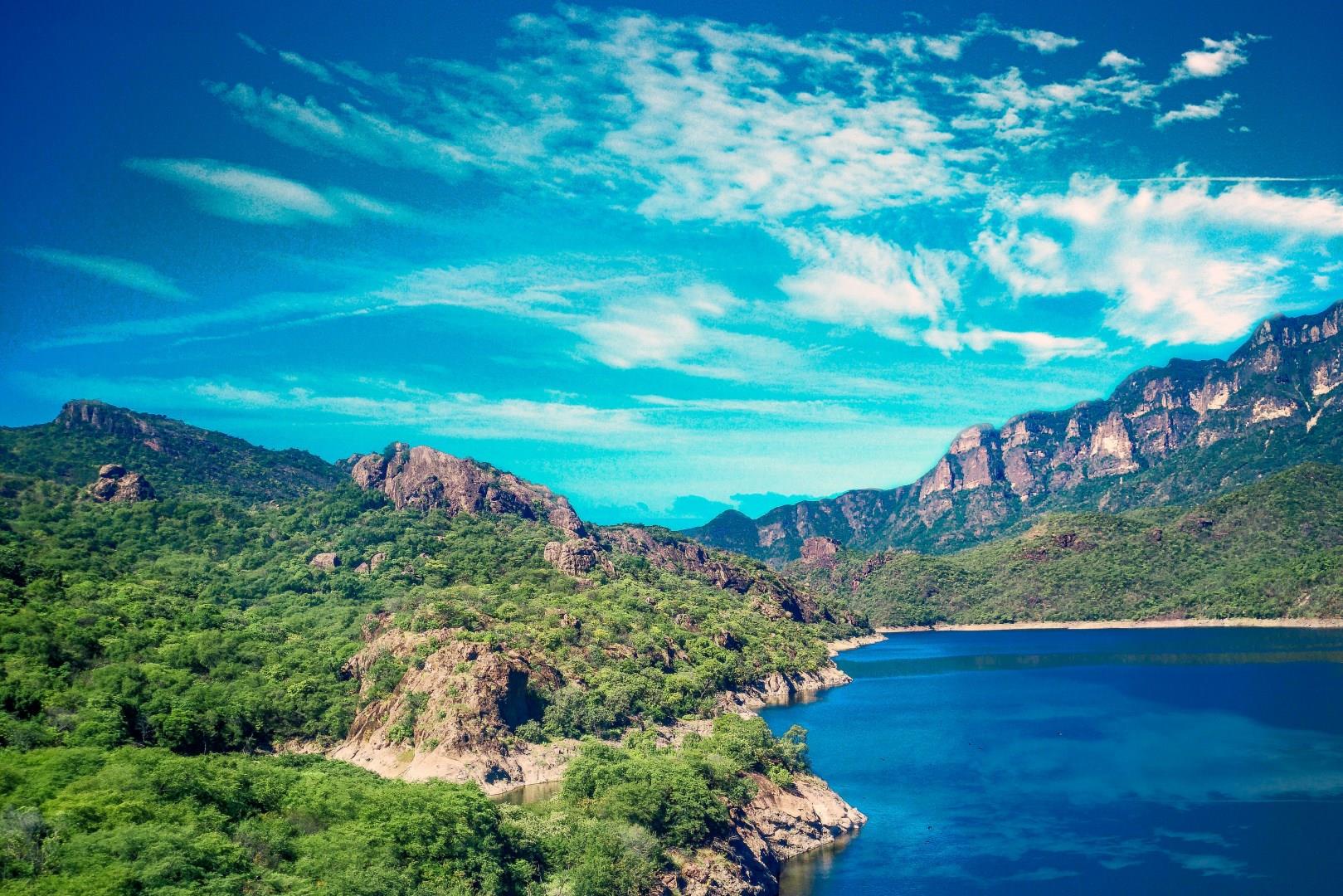
Sinaloa
Sinaloa, in Northwest Mexico, comprises 18 municipalities, and Culiacán Rosales serves as its capital. It is located opposite Baja California Sur, across the Gulf of California.
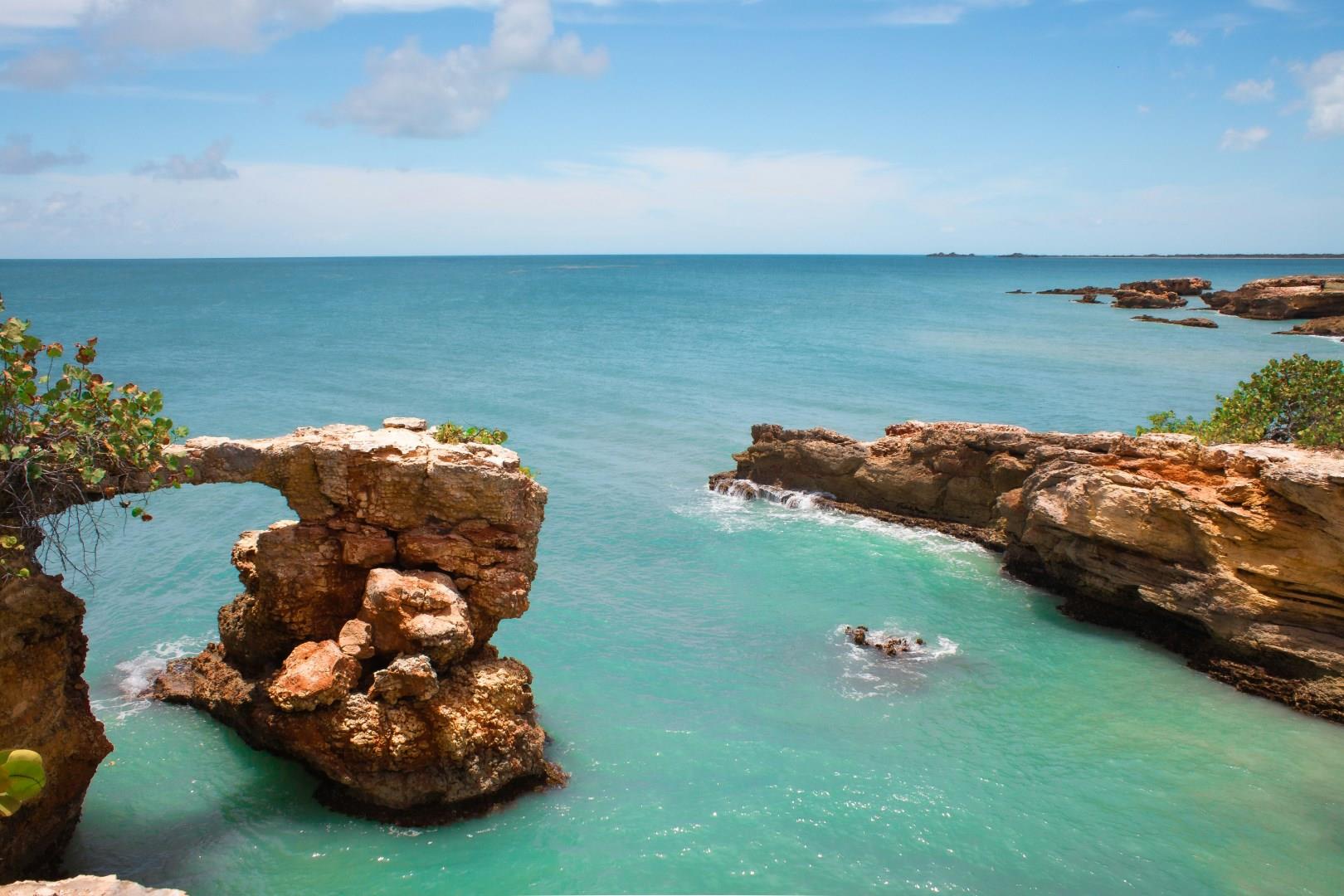
Cabo Rojo
Cabo Rojo, located on the southwestern coast of Puerto Rico, is a region of striking natural contrasts where salt flats, mangroves, and limestone cliffs meet the sparkling Caribbean Sea. Its most iconic feature is the Cabo Rojo Lighthouse perched on dramatic cliffs overlooking the ocean, offering panoramic views of turquoise waters and nearby beaches.
