

Trinidad
Trinidad, Cuba, is a mesmerizing time capsule that transports visitors to another era with its cobblestone streets, pastel-colored colonial buildings, and horse-drawn carts. Founded in 1514 by Spanish conquistador Diego Velázquez de Cuéllar, this city, located in central Cuba, is one of the best-preserved colonial towns in the Caribbean. Trinidad's rich history and enchanting architecture make it an essential destination for anyone seeking an authentic Cuban experience.

Cong
Cong is a small village in western Ireland, set where the River Cong flows between Lough Corrib and Lough Mask. Its history is closely tied to monastic settlement, most notably Cong Abbey, founded in the 12th century and later shaped by Norman influence.
Callao
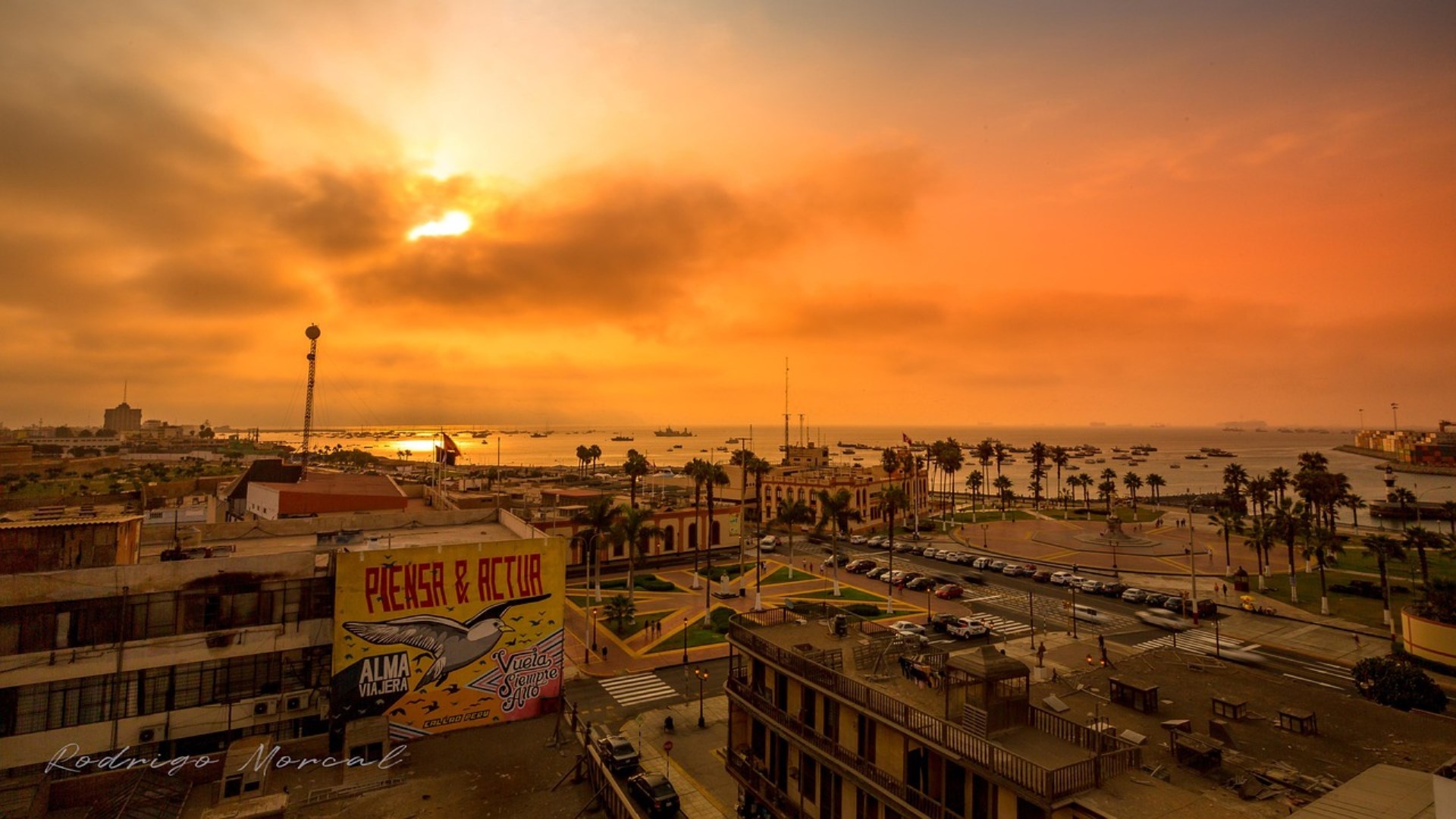
Callao, Peru, is a city that seamlessly blends its rich maritime heritage with vibrant contemporary culture, making it an enticing destination for travelers seeking both history and adventure. As Peru's main seaport and one of the most important on the Pacific coast of South America, Callao has long been a gateway to the world, with a history dating back to the Spanish colonial era. The city is home to the Real Felipe Fortress, a massive 18th-century structure that once defended the port from pi

Qingdao
Qingdao, also Tsingtao or Ch'ing-tao, Shandong Province, eastern China. It is a major naval base, an industrial center, and a port on the Yellow Sea at the entrance to sheltered Jiaozhou Bay. The port, which rarely freezes over, serves the industrialized northern China Plain and was expanded in 1976 to include an oil terminal for large tankers on Huang Island. The leading manufactures of the city include textiles, railroad equipment, rubber goods, fertilizer, and chemicals.
Opatija
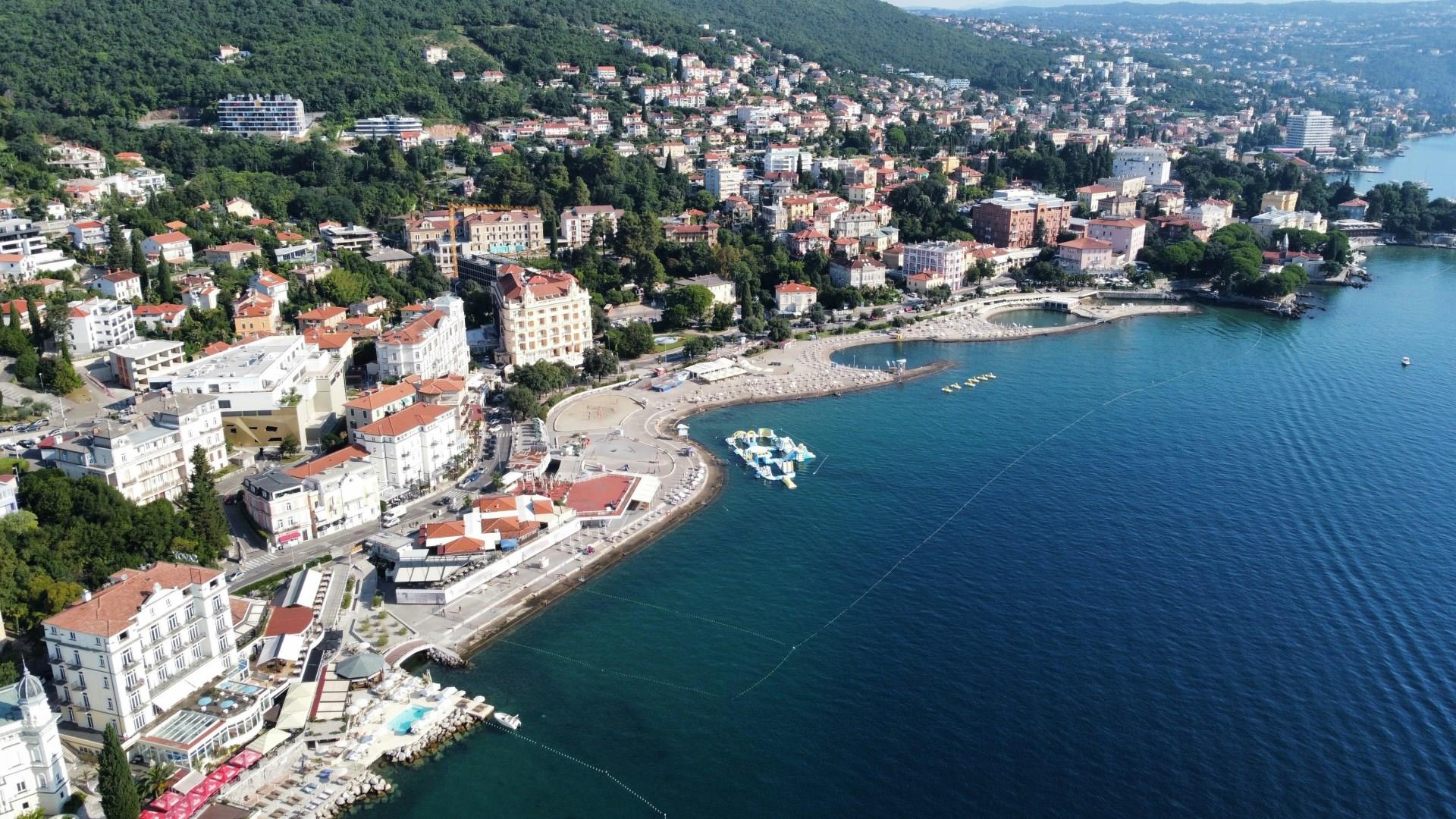
Opatija, located on Croatia’s Kvarner Bay, has been drawing visitors since the 19th century, when Austro-Hungarian aristocrats built grand villas along its Adriatic shoreline. Today, many of those same buildings still stand with some restored as luxury hotels and others preserved as cultural landmarks. The town’s most recognizable structure, Villa Angiolina, opened in 1844 and marked the start of Opatija’s rise as a fashionable seaside resort.
