

Volga
The Volga River is an emblematic waterway that meanders through the heart of Russia, offering an exceptional journey through the country’s rich cultural and historical tapestry. As Europe’s longest river, stretching approximately 3,530 kilometers (2,194 miles), the Volga flows from the Valdai Hills to the Caspian Sea, weaving through major cities such as Tver, Nizhny Novgorod, and Volgograd.
Jebel Akhdar
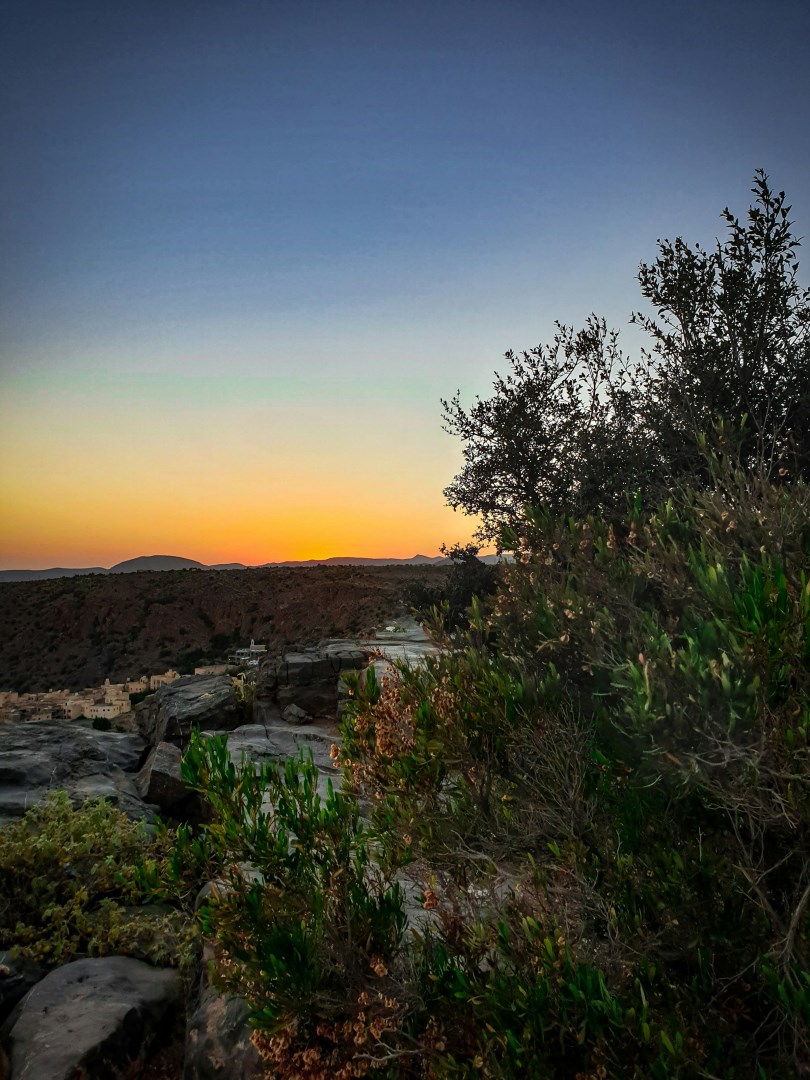
Jebel Akhdar, meaning “Green Mountain,” is a highland area within Oman's Al Hajar Mountains in Ad Dakhiliyah Governorate. The mountain rises to about 2,980 meters, with the Saiq Plateau located around 2,000 meters above sea level. Its cooler mountain climate supports terraced orchards, villages, and vegetation that differs from the dry lowlands below.

Dijon
Dijon is the capital of the Burgundy region in eastern France and a city renowned for its rich history, architectural beauty, and, of course, its world-famous mustard. With the city's origins dating back to Roman times, Dijon boasts an impressive array of historical sites, including the Église Notre-Dame and Palais des Ducs, one of France's most outstanding museums of fine arts.
Tunisia
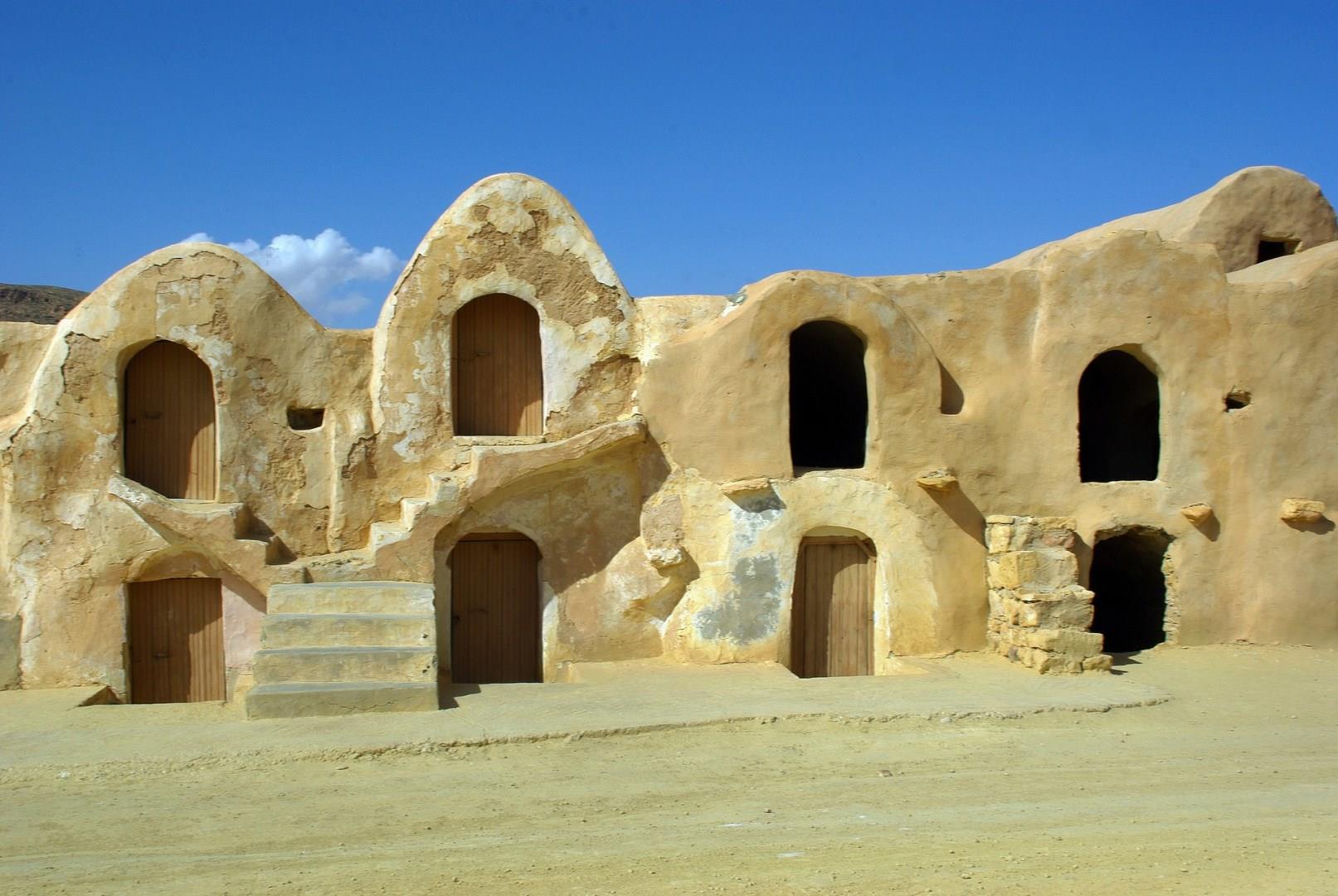
Tunisia, located in North Africa along the Mediterranean coast, offers a mix of desert landscapes, historic cities, and coastal charm. Its Mediterranean beaches, desert oases, and bustling markets provide a variety of experiences for travelers interested in history, culture, and nature.
Miyazaki
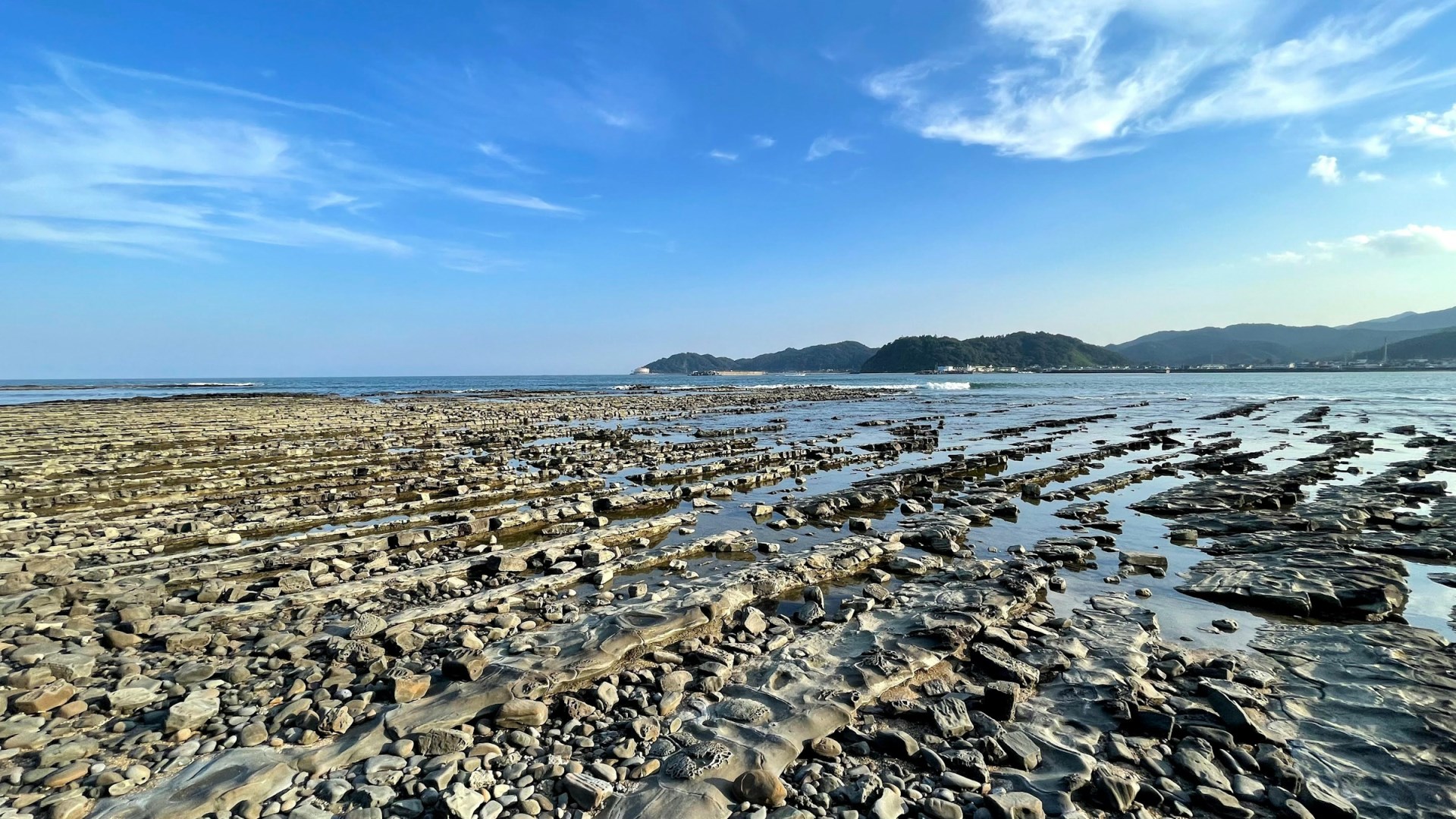
Miyazaki is a coastal city on the southeastern side of Kyushu, facing the Pacific Ocean. Its setting combines sandy beaches, rivers, palm-lined streets, agricultural areas, and nearby hills, giving the city a distinct subtropical character within Japan. Miyazaki is the capital of Miyazaki Prefecture and serves as a regional center for commerce, culture, and transportation.
