

Guatemala
Guatemala is a country where ancient history and living tradition meet in unexpected ways. The ruins of Tikal, once a major center of the Maya civilization, rise from the dense Petén jungle. Visitors can climb stone temples that pierce the forest canopy and listen for howler monkeys echoing through the trees. Tikal National Park, a UNESCO World Heritage Site, contains over 3,000 structures and still holds secrets under layers of earth and vegetation.

Hallstatt
Nestled between the serene waters of Lake Hallstatt and the towering Dachstein mountains, Hallstatt, Austria, is a picturesque gem that seems almost too perfect to be real. This UNESCO World Heritage site is renowned for its stunning alpine scenery and charming architecture. Wander through the narrow streets lined with 16th-century houses and experience the timeless beauty that has captivated visitors for centuries.
Nosy Komba
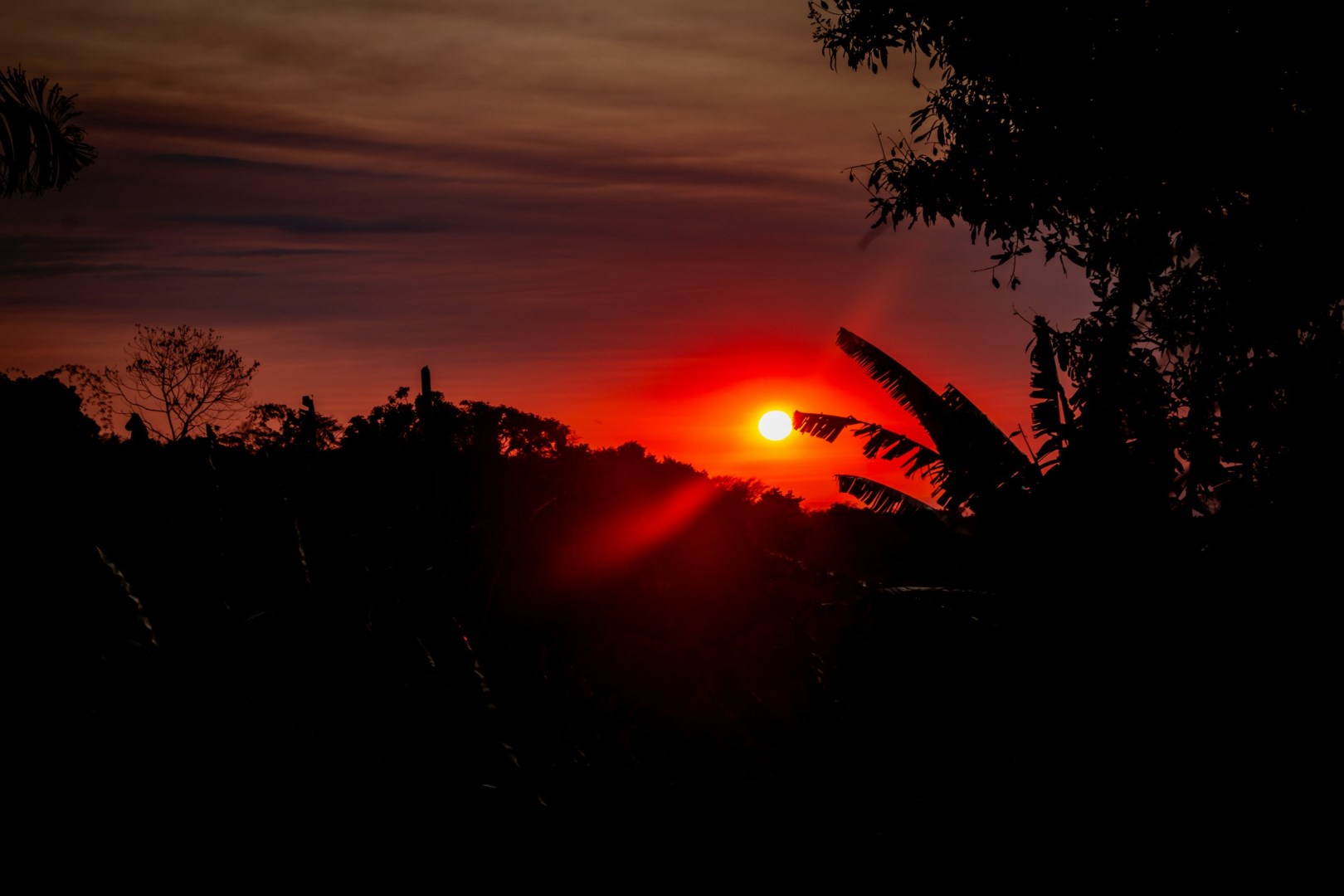
Nosy Komba is a small volcanic island in northwestern Madagascar, located between the larger island of Nosy Be and the mainland. Its slopes rise from the sea and are covered with tropical vegetation, while the coastline includes sandy coves, rocky shores, and clear waters. The island has no large urban center, and villages are spread along the coast and lower hillsides. Forested interiors provide habitat for Madagascar's distinctive wildlife, while offshore waters contain coral reefs and marine
Socotra
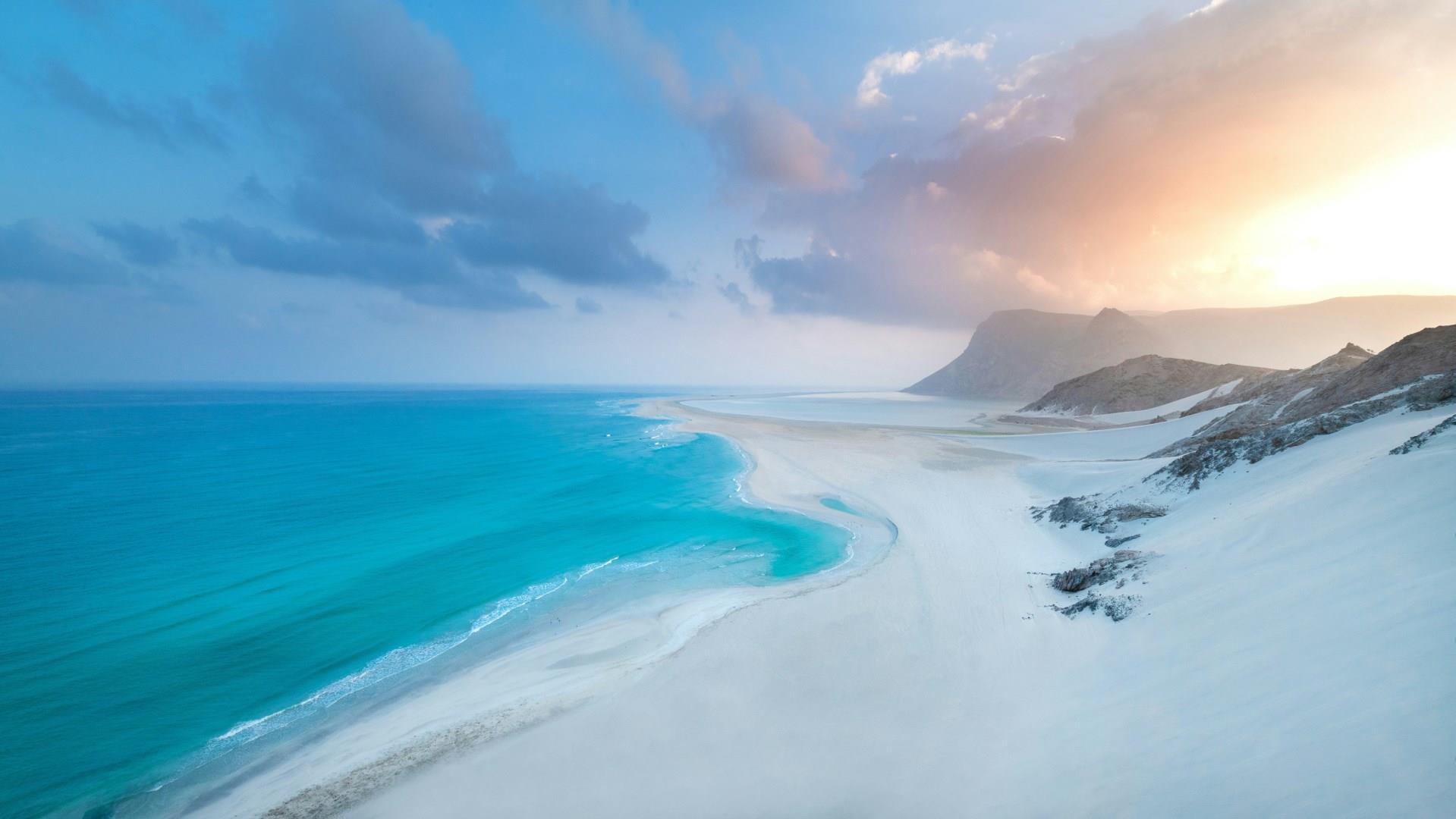
Socotra rises from the Arabian Sea like a world apart, its landscapes shaped over millennia. The Dragon’s Blood Trees, with their umbrella-shaped crowns and deep red sap, stand among the most iconic sights here. In places like Dixam Plateau and Homhil Forest, these trees gather in sparse formations, creating scenes that feel both ancient and alien. The resin remains valued for traditional dyes and remedies.
Balikpapan
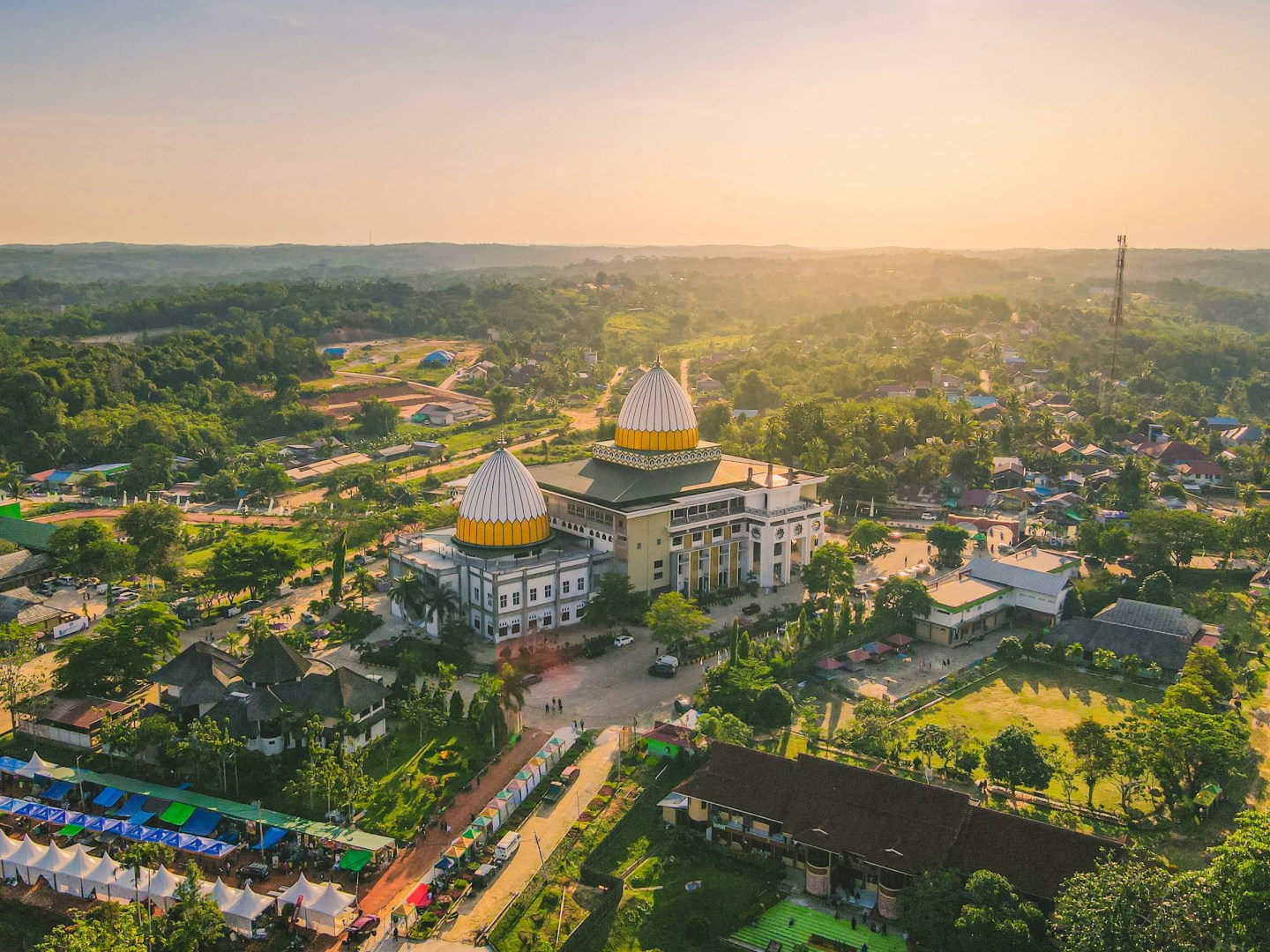
Located in southeast Borneo on the inlet of Makassar Strait. It is a major port and oil center for Indonesia.
