

Norway
Norway offers a landscape shaped by glaciers, framed by fjords, and steeped in Viking history. The country's coastline stretches for over 100,000 kilometers if you count every inlet and island, which makes it one of the longest in the world. Travelers can take a ferry through the Geirangerfjord or cruise along the Lofoten Islands, where steep mountain peaks rise dramatically from the sea. These routes aren’t just scenic; they’ve been lifelines for coastal communities for centuries.
Oklahoma
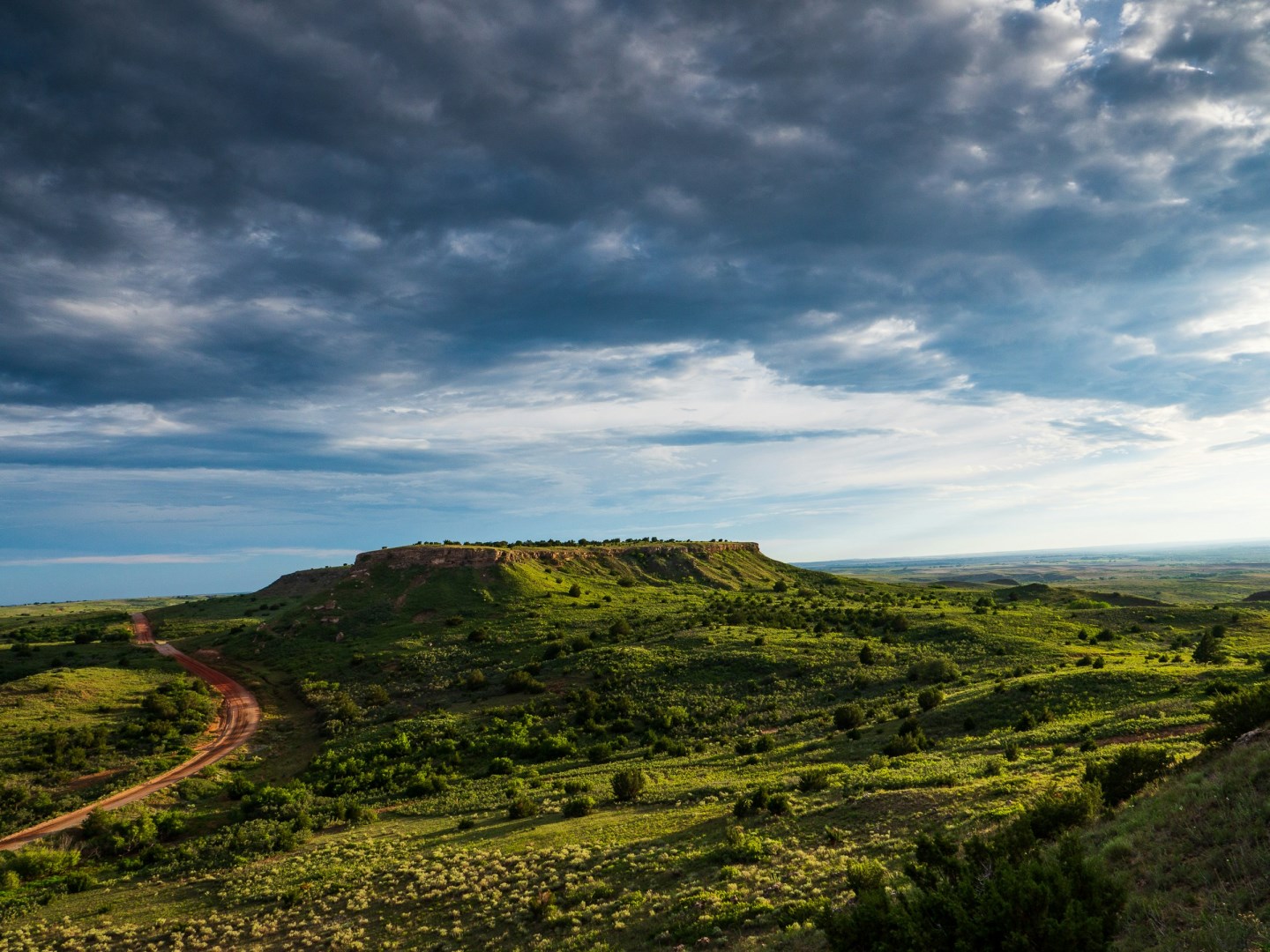
Oklahoma offers a deep, unexpected travel experience shaped by wide-open skies, rich tribal history, and a music legacy that runs through jukeboxes and dance halls. In Oklahoma City, the National Cowboy & Western Heritage Museum showcases the art, artifacts, and grit of the American West. At Mount Scott, visitors can drive to the summit for panoramic views or spot bison grazing below. It’s a place where the sound of the wind and the crunch of gravel underfoot replace the noise of daily life.
Badlands National Park
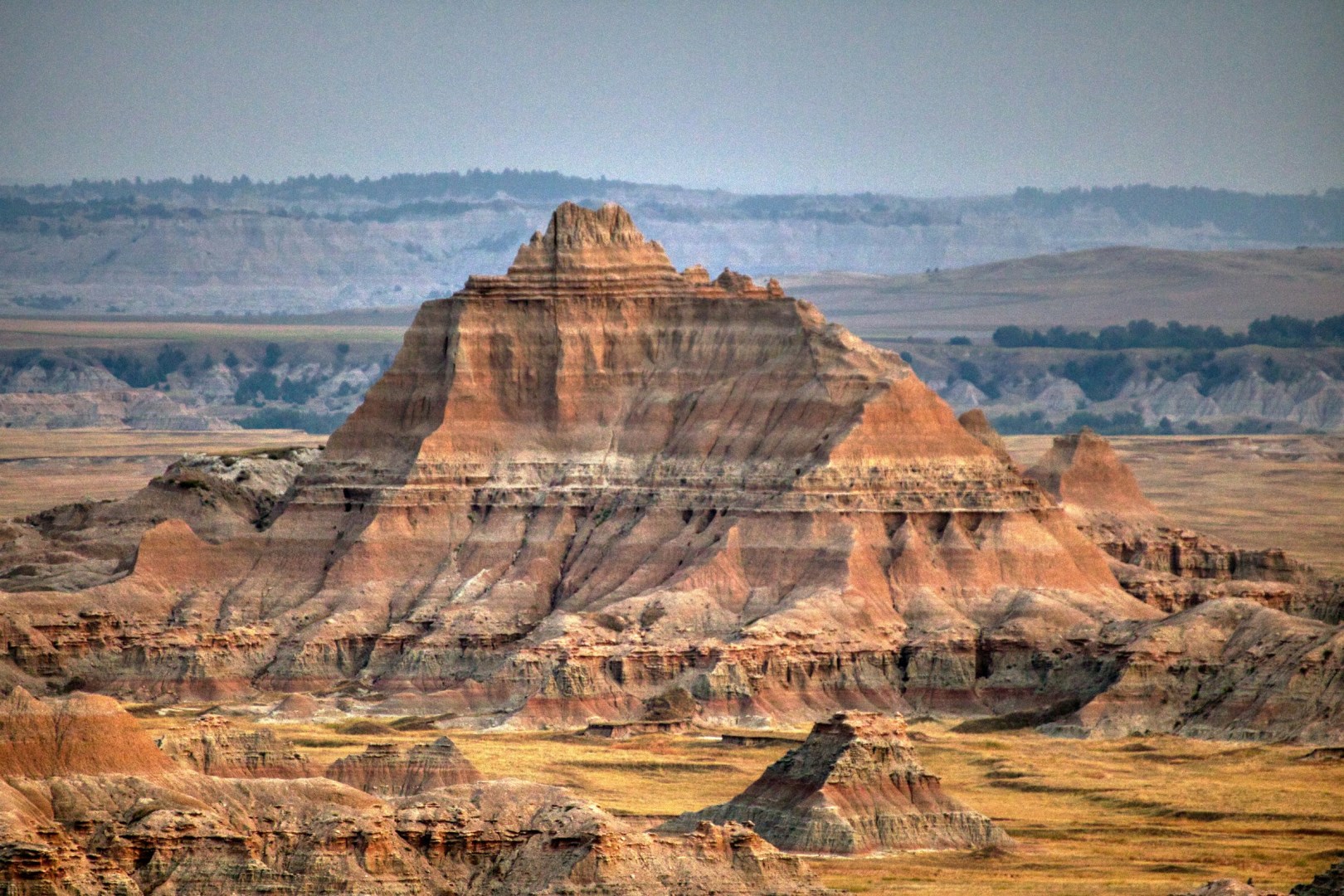
Badlands National Park stretches across southwestern South Dakota, where layered rock formations and sharply eroded spires reveal nearly 75 million years of geological history. The park’s banded cliffs and pinnacles were shaped by wind and water, exposing ancient seabeds and fossil-rich layers that have made the area one of North America’s most important paleontological sites.
Asmara
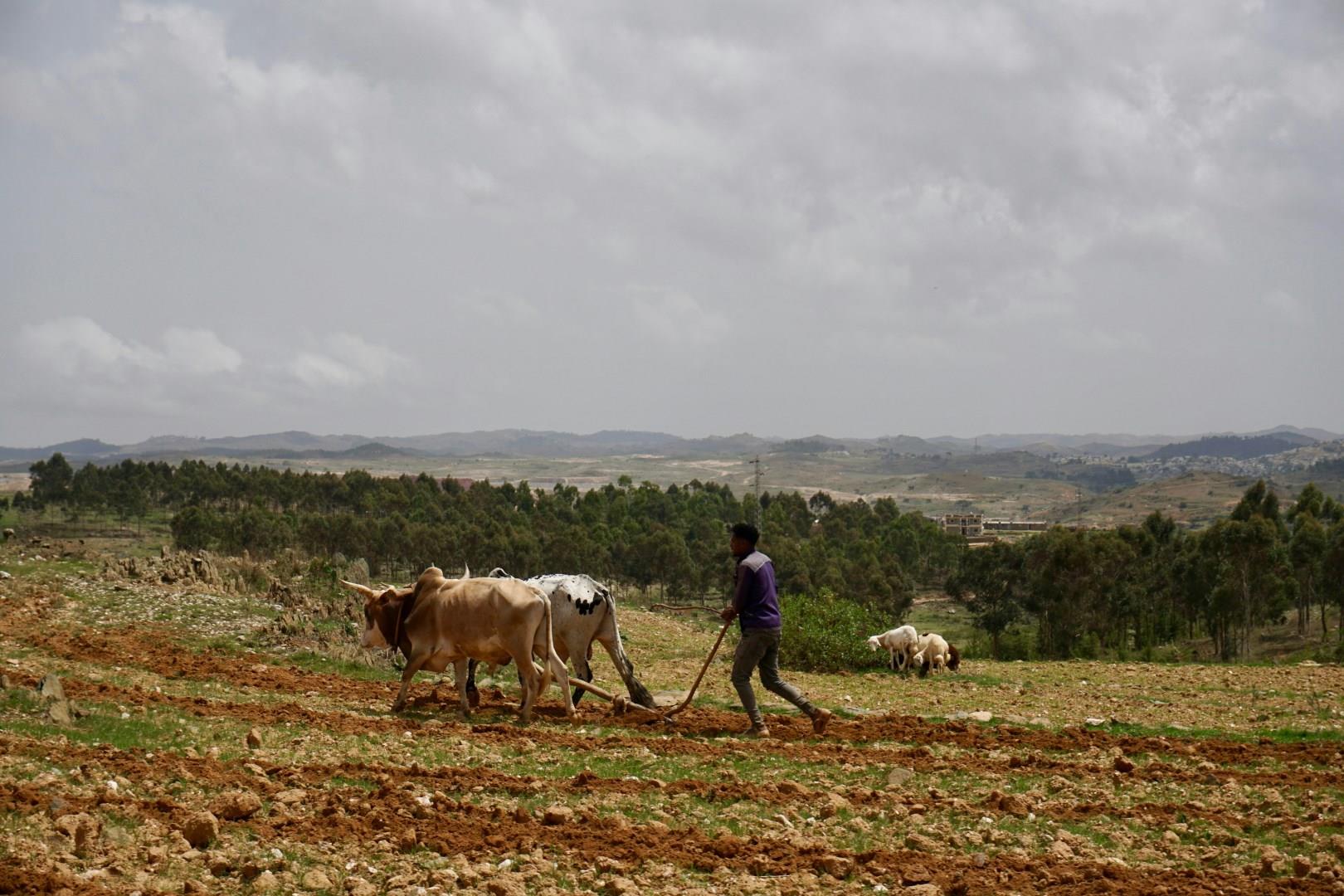
Asmara, the capital of Eritrea, is a city where time seems to have paused in the mid-20th century. Known for its remarkably preserved Italian modernist architecture, the city has earned recognition as a UNESCO World Heritage Site.
Ponce
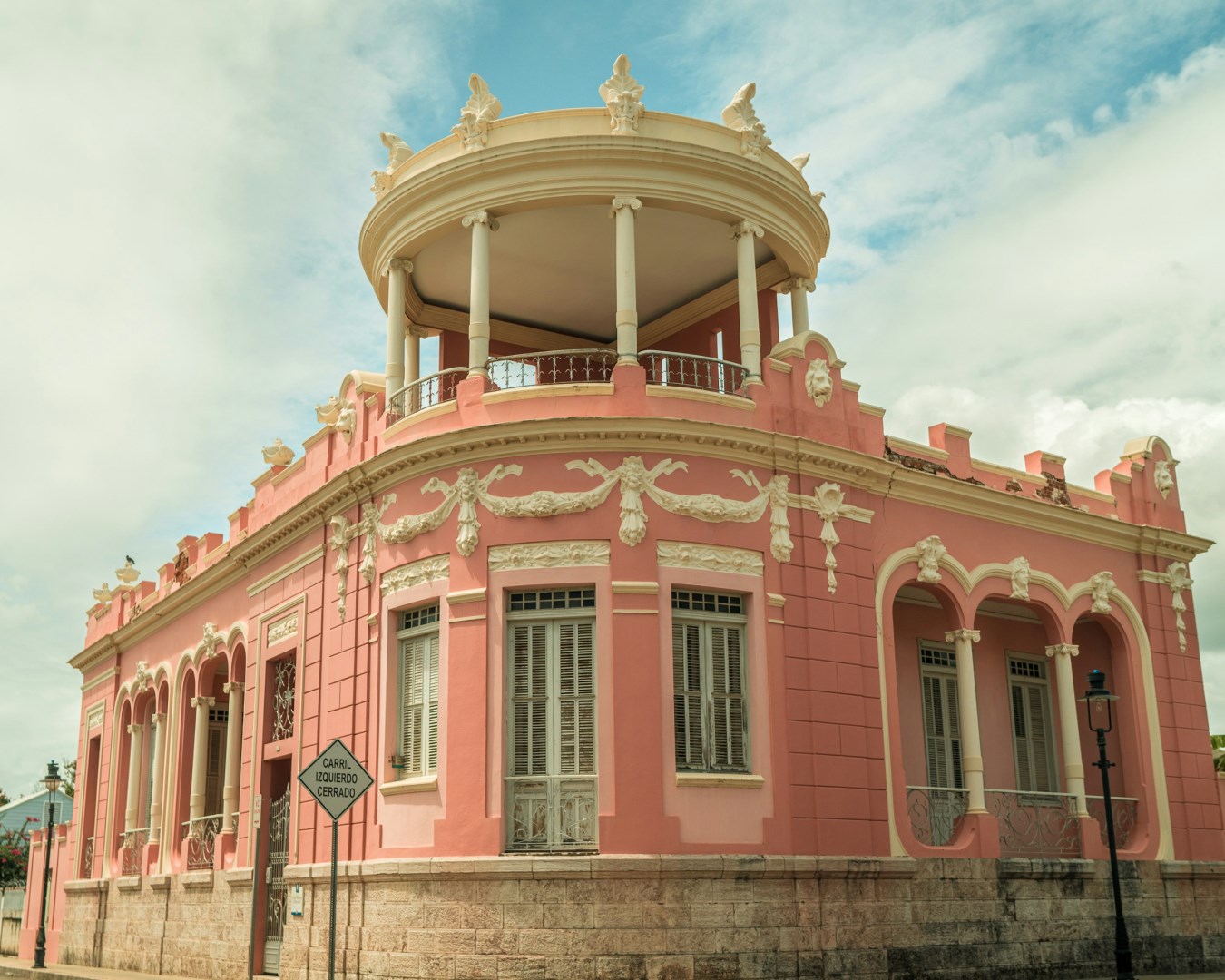
An industrial center and the island's chief Caribbean port. Tourism, sugar refining, and distilling are important. Founded in the early 16th century, it is one of the oldest cities in the Americas.
