
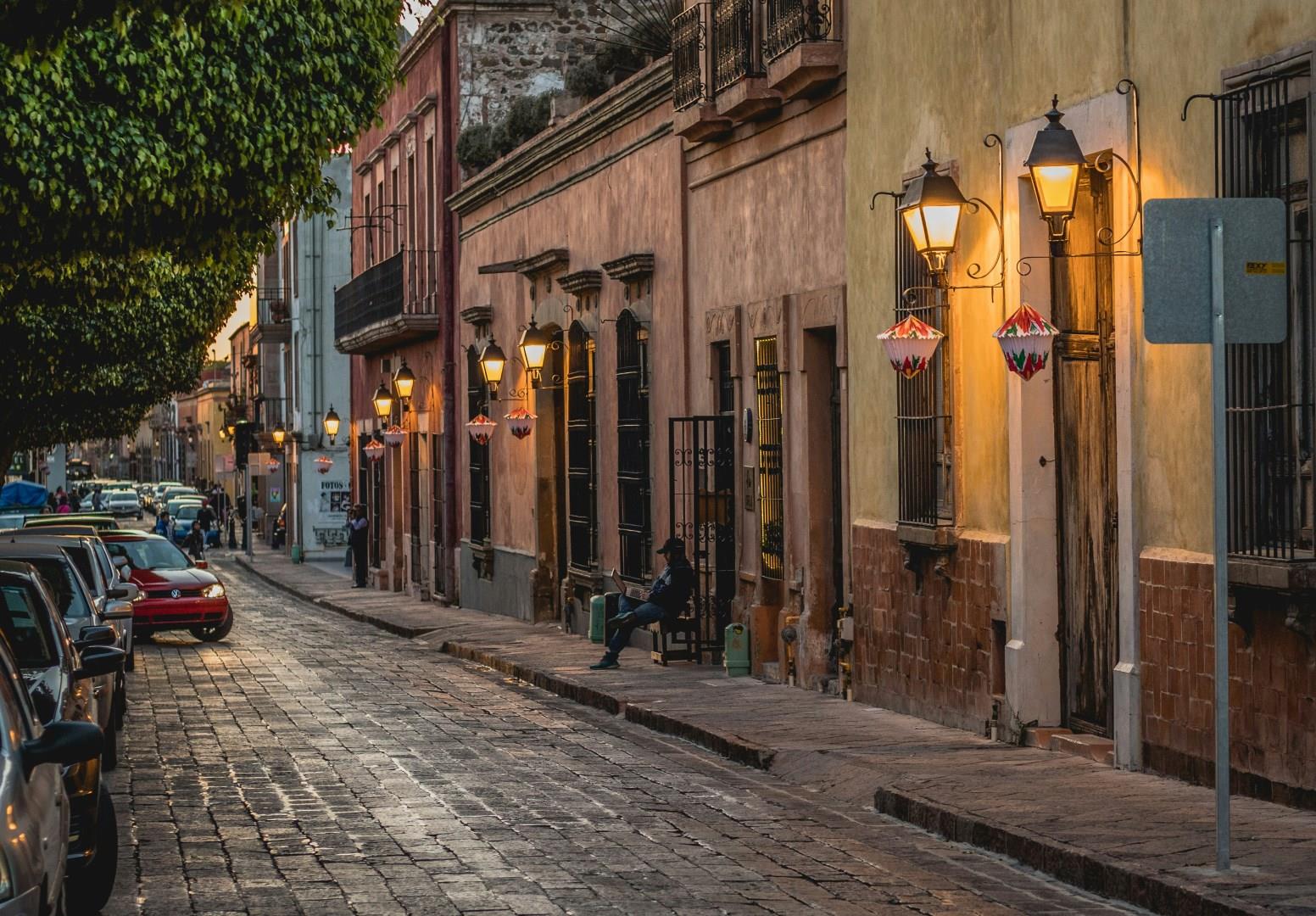
Querétaro
Querétaro, located in the heart of central Mexico, is a city where centuries of history are still visible in daily life. Its historic center, a UNESCO World Heritage Site, features narrow streets, elegant plazas, and baroque churches that reflect its colonial past. One of the city’s most iconic landmarks is the massive aqueduct, built in the 18th century with 74 stone arches stretching nearly a mile across the landscape.
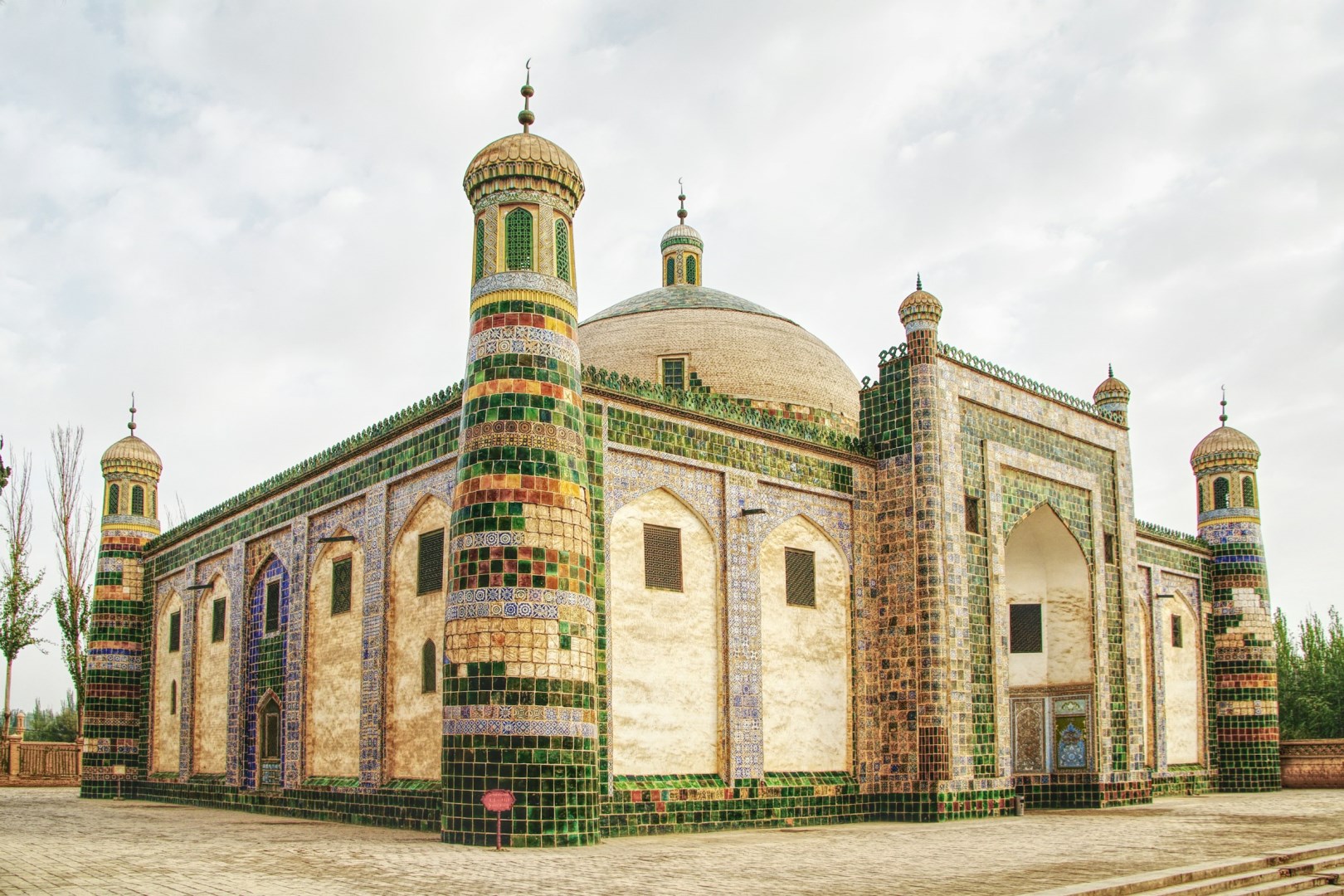
Kashgar
One of the most remote cities in the world, formerly known as Turkestan. It is situated along the ancient Silk Road near the Sino-Russian border. Sightseeing highlights include the ancient mosques and open markets. A fascinatingly colorful and ancient way of life still exists.
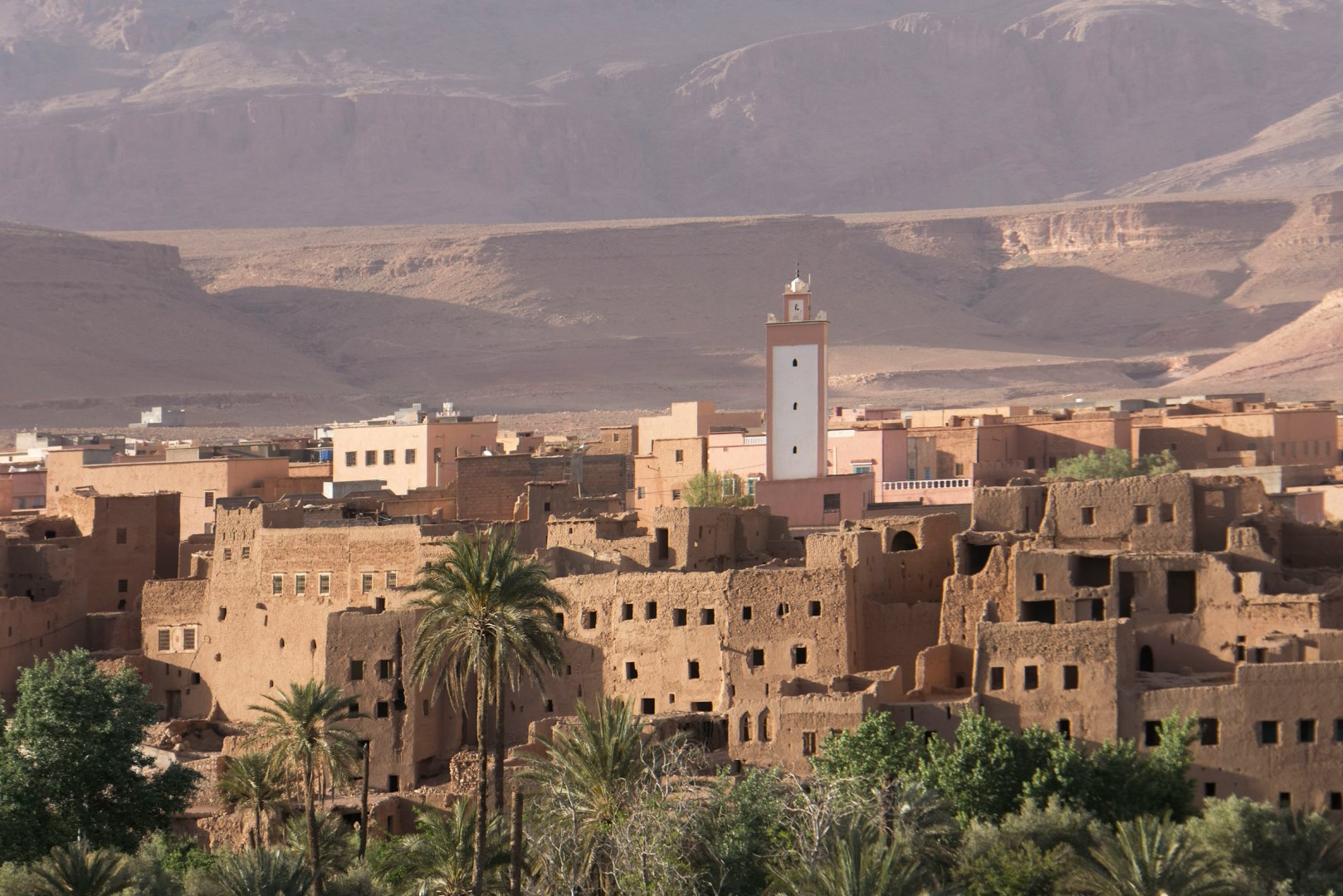
Tinghir
Tinghir is an oasis town in southeastern Morocco, set between the High Atlas and the Anti-Atlas mountains at the entrance to the Todra Valley. The town is surrounded by an extensive palm grove where date palms, gardens, and small agricultural plots follow the Todra River. Its traditional earthen buildings and kasbahs rise above the greenery, creating a clear contrast with the dry mountain slopes nearby.

Stavanger
The Port of Stavanger is a popular stop on the route to the Norwegian Fjords, and boasts a first-rate assortment of museums and cultural events. Old Stavanger has Europe’s best preserved wooden house settlement.
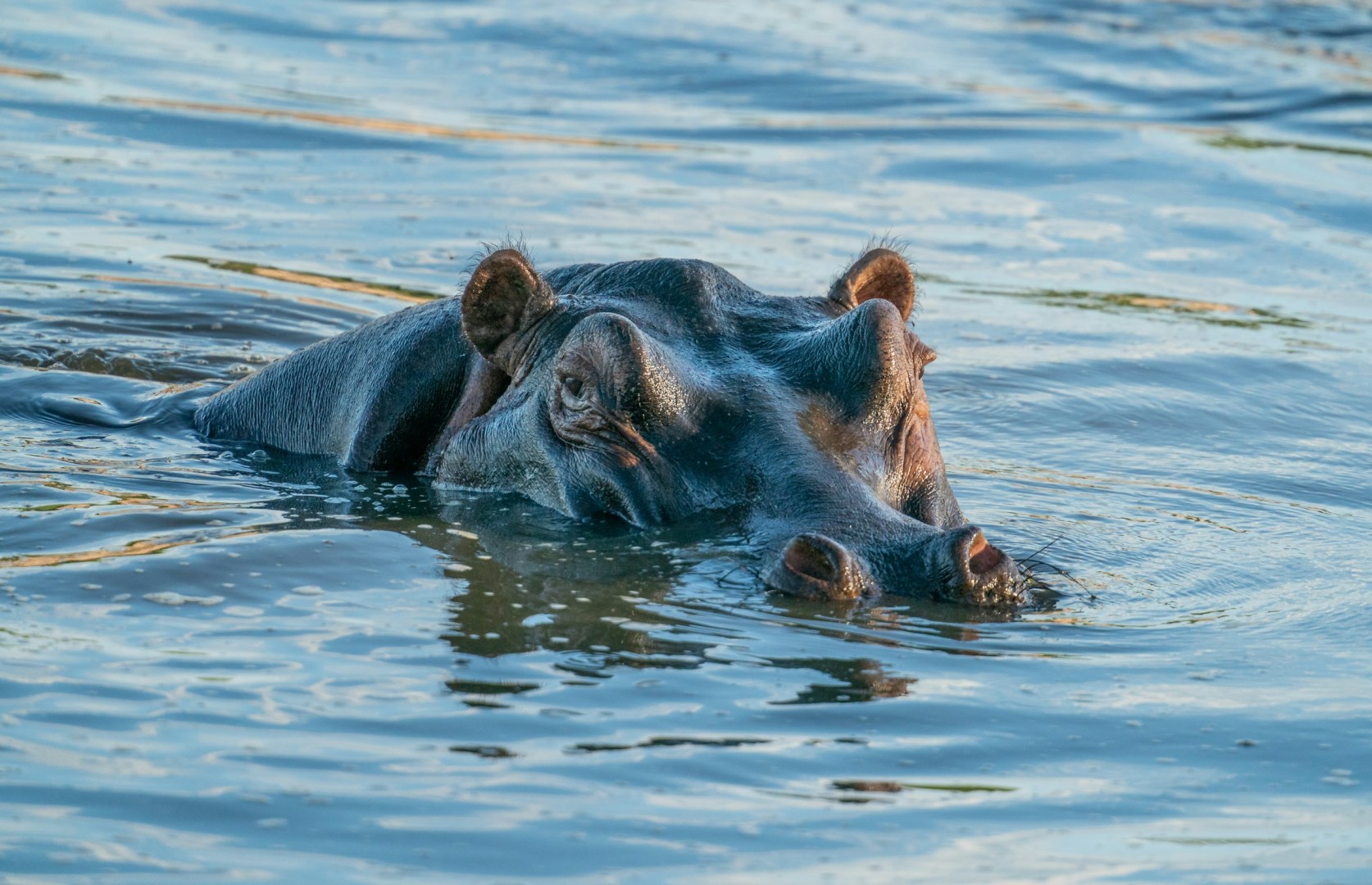
Iringa
Iringa is a highland city in southern Tanzania, built on steep slopes overlooking the Little Ruaha River. Its elevated setting gives the city a cooler climate and broad views across surrounding hills and agricultural land. Iringa is an important regional centre and serves as a gateway to Ruaha National Park, one of Tanzania’s major wildlife areas.
