
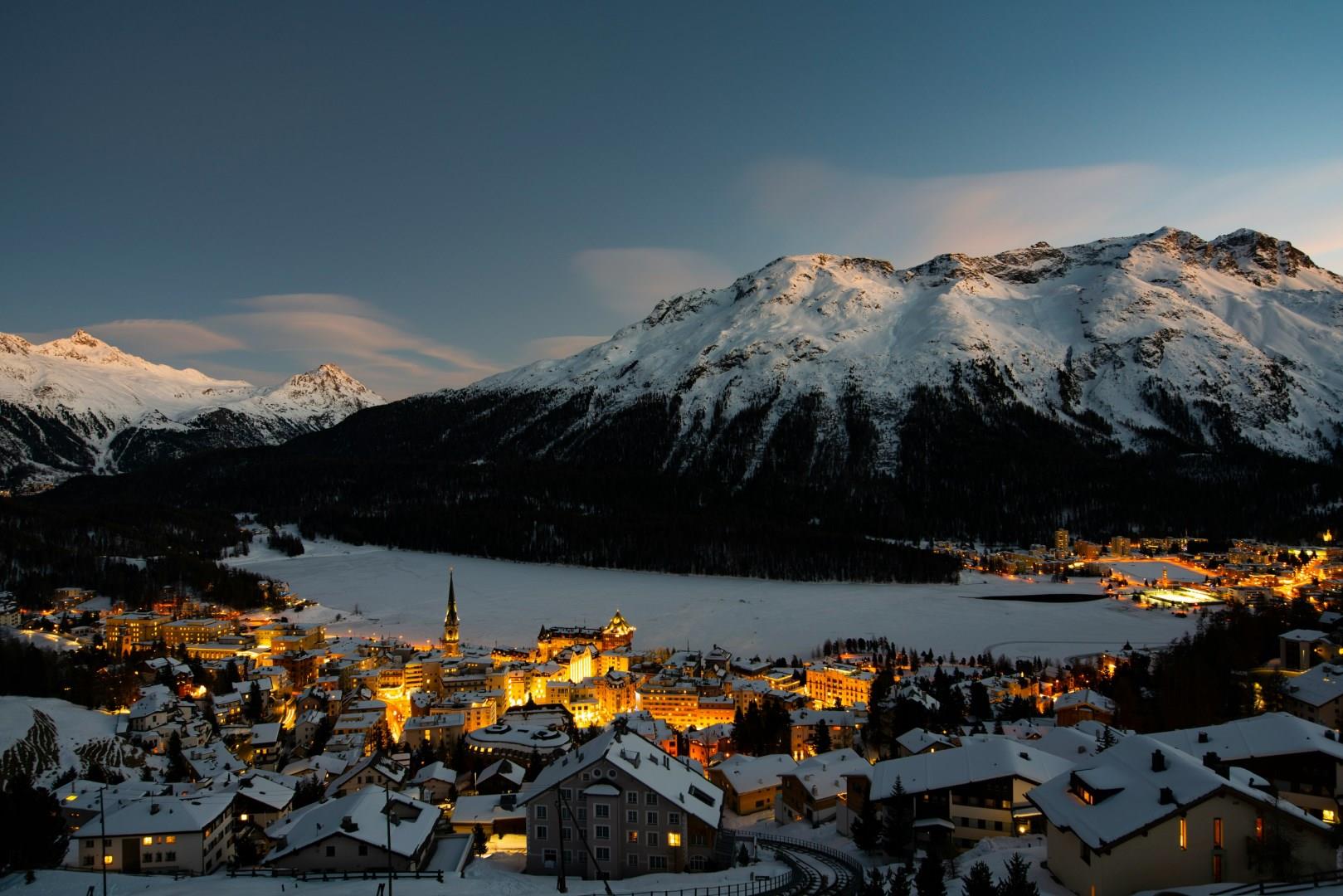
St. Moritz
St. Moritz, located in Switzerland’s Engadin Valley, has been attracting visitors for over 150 years, long before the term "alpine resort" became common. It was here in 1864 that winter tourism was born, when a hotelier made a wager with British guests that they would enjoy the snow just as much as the summer sun. They returned, and the rest is history. The town has since hosted the Winter Olympics twice (in 1928 and 1948) and remains a favorite for skiing, snowboarding, and ice sports.

Chișinău
Chișinău, the capital of Moldova, is a city rich in history and full of surprises for travelers seeking a blend of culture, architecture, and natural beauty. As you wander the tree-lined boulevards, you’ll discover the city’s intriguing mix of Soviet-era buildings, elegant Orthodox churches, and modern structures.

Phillip Island
Phillip Island, a serene escape located just 90 minutes from Melbourne, Australia, is a natural wonderland that entices visitors with its stunning coastal landscapes and unique wildlife experiences. The island is most famous for its Penguin Parade, where every evening at sunset, hundreds of little penguins—the smallest penguin species in the world—waddle ashore to their burrows on Summerland Beach.
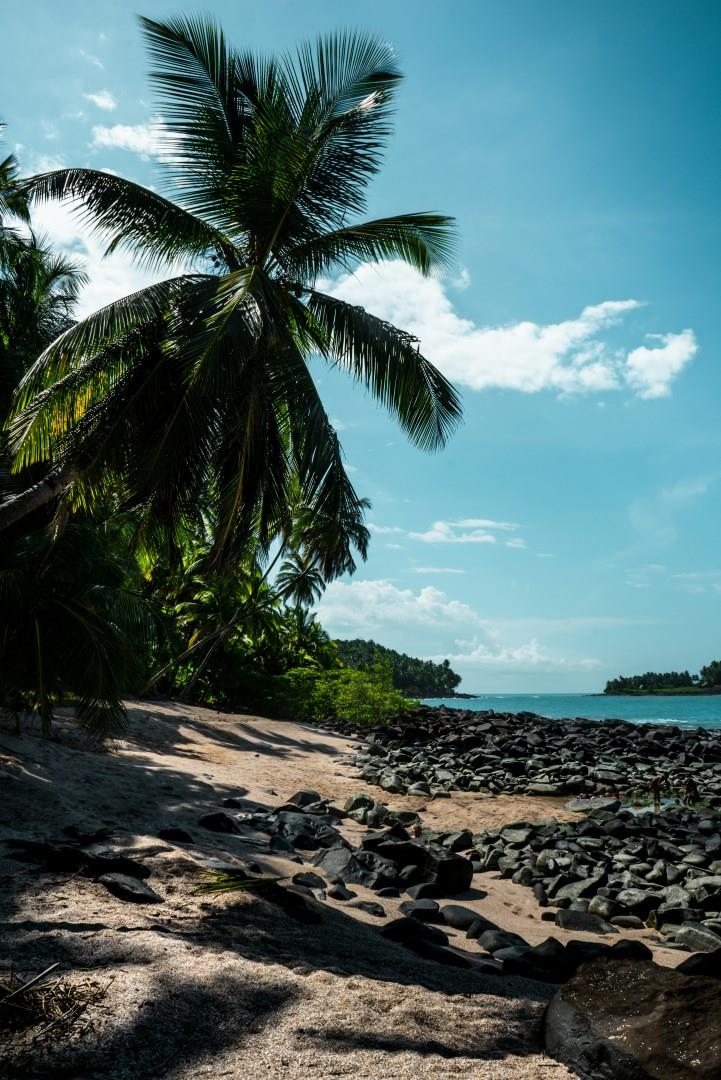
Cayenne
Cayenne, the lively capital of French Guiana, sits where the Cayenne River meets the Atlantic Ocean, blending South American rhythms with French-Caribbean influence. While it's officially part of France, Cayenne feels worlds away from Paris, with colorful markets, colonial architecture, and a language mix that includes French, Creole, Portuguese, and Indigenous dialects.

El Calafate
El Calafate, a small town in southern Patagonia, serves as the main gateway to one of Argentina’s most spectacular natural wonders, the Los Glaciares National Park. Sitting on the shores of Lake Argentino, El Calafate was once a quiet outpost known mainly for sheep farming and the hardy calafate berry. Today, it attracts travelers from around the world who come to witness massive ice formations and the shifting blue walls of nearby glaciers.
