
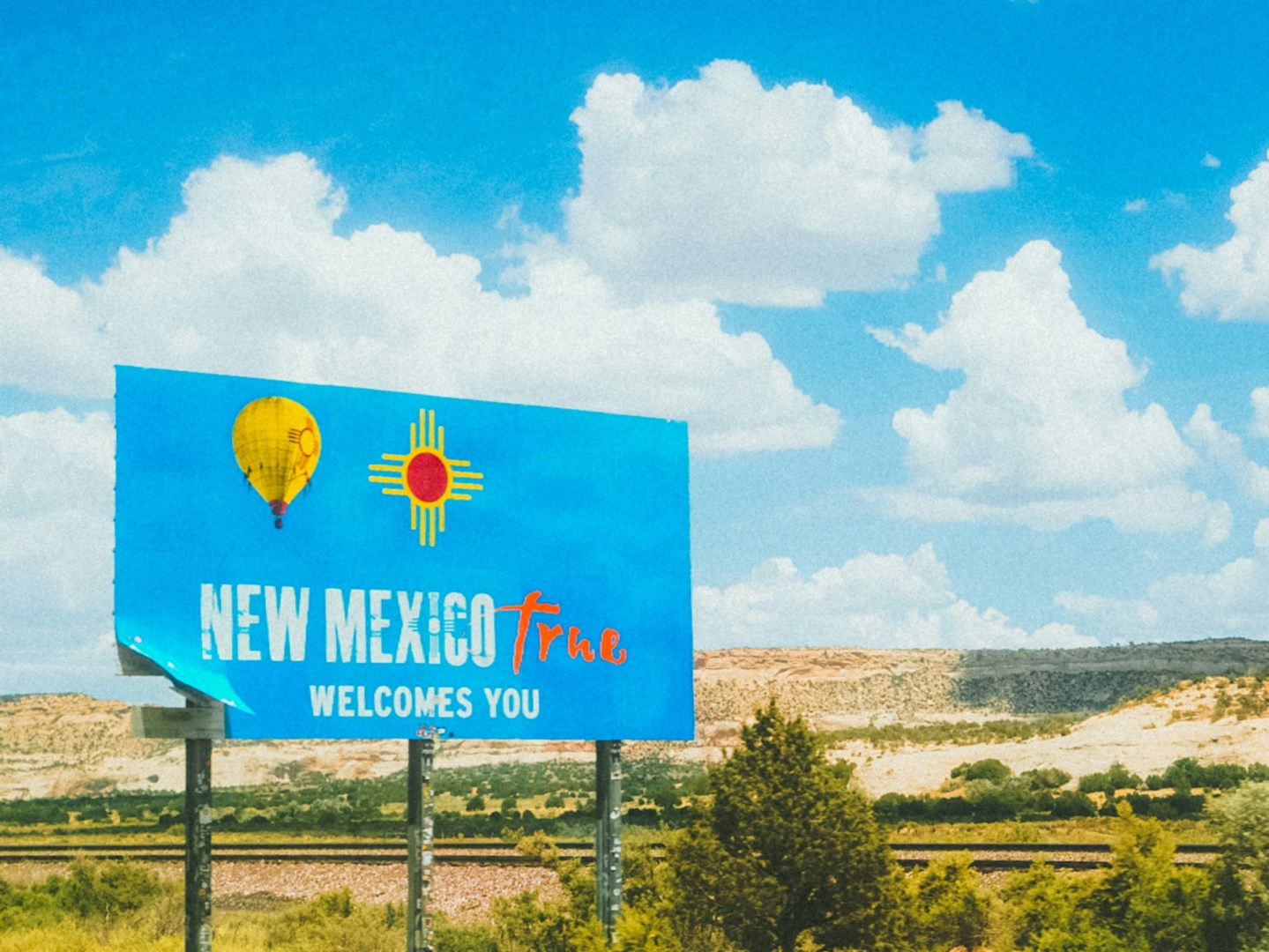
New Mexico
New Mexico is a place where centuries-old adobe buildings stand beneath endless skies and ancient traditions live alongside experimental art and science. Known as the Land of Enchantment, the state offers a landscape shaped by volcanoes, mesas, and high desert plateaus. Santa Fe, the oldest state capital in the U.S., features historic sites like the 17th-century San Miguel Chapel and a walkable downtown filled with galleries and artisan markets.
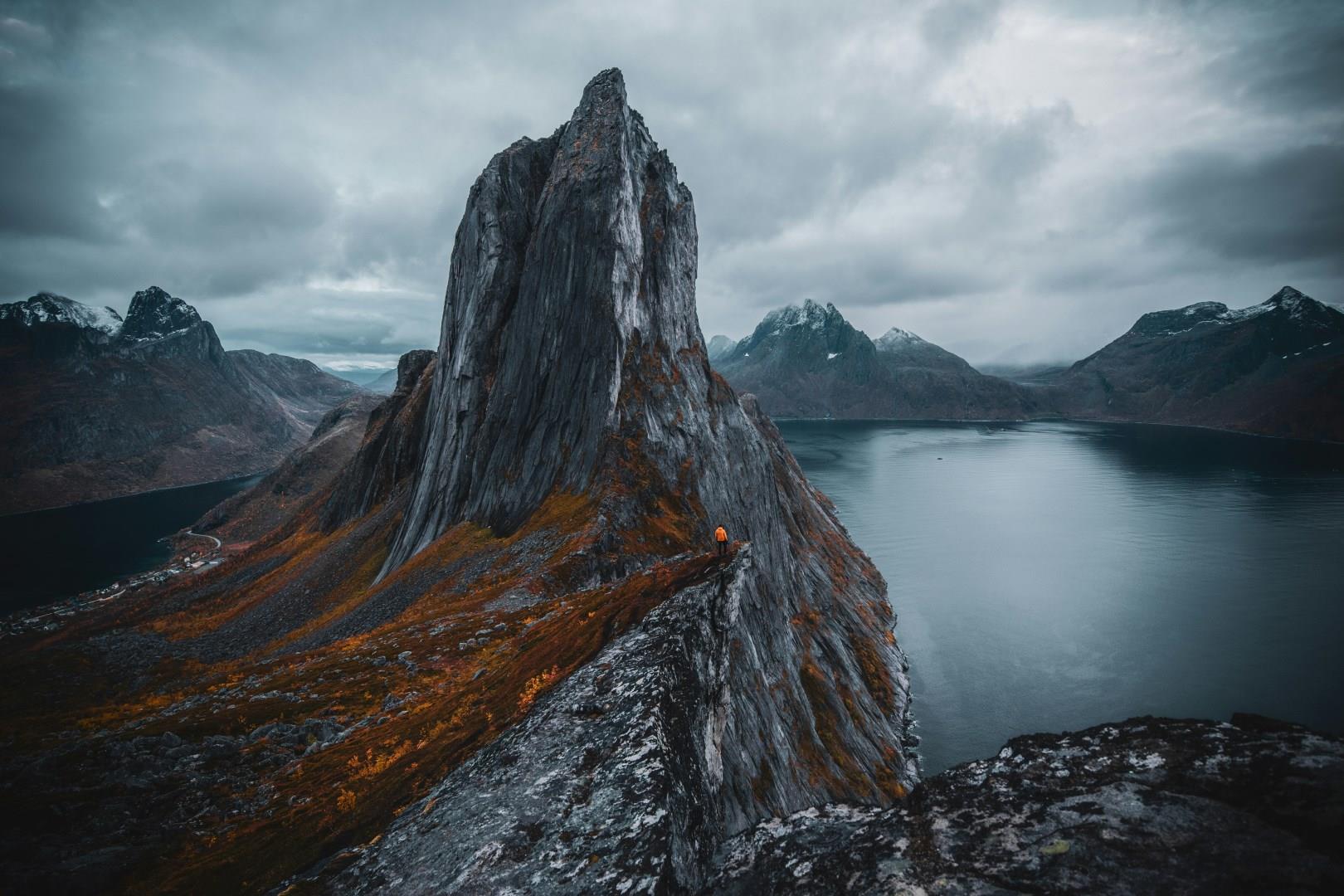
Senja
Senja is Norway’s second-largest island, located well above the Arctic Circle and often described as a condensed version of the country’s most dramatic landscapes.
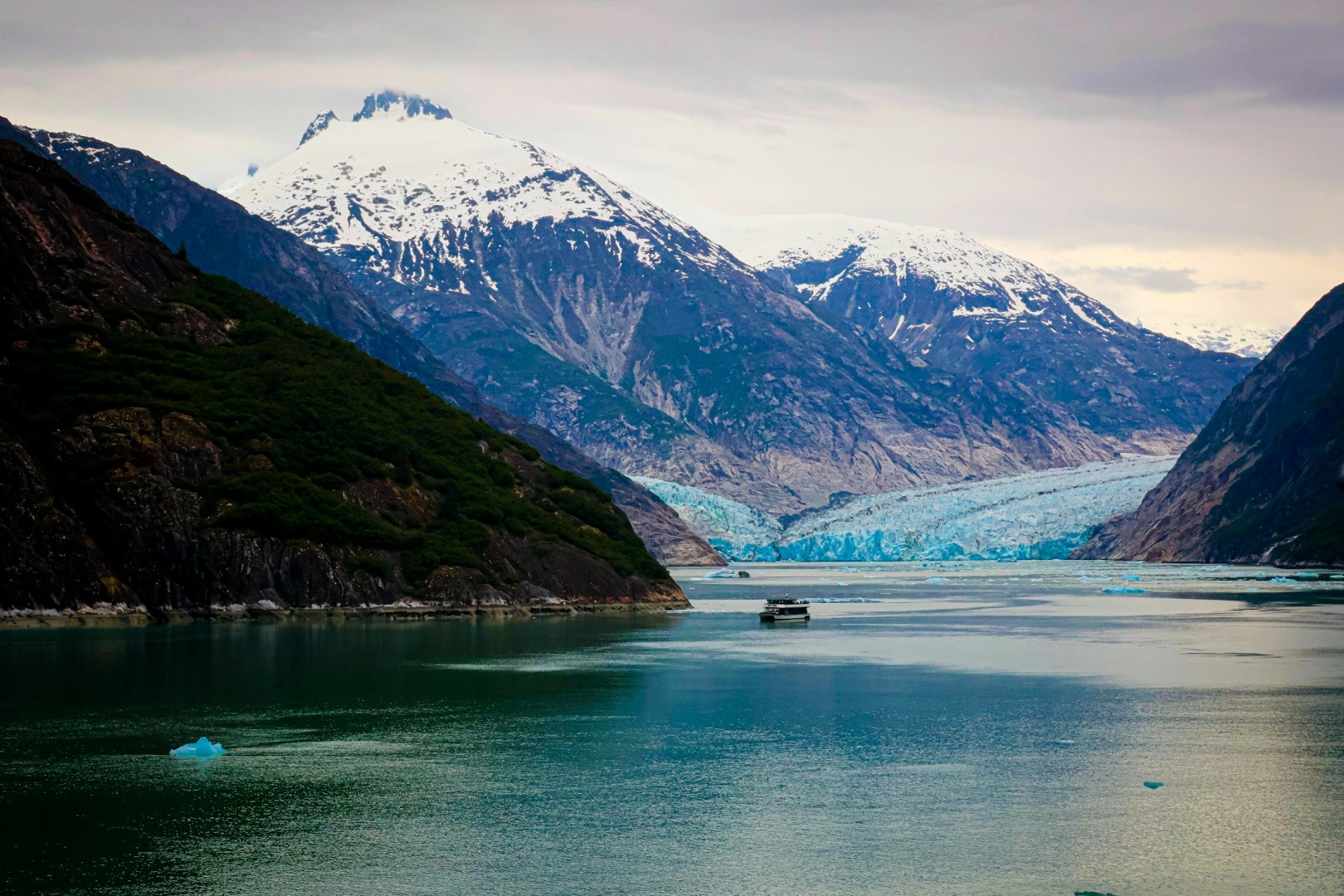
Dawes Glacier
Dawes Glacier is a tidewater glacier in Endicott Arm, a deep fjord branching from the waters of southeastern Alaska’s Tracy Arm-Fords Terror Wilderness. The glacier descends from the Coast Mountains toward the head of the fjord, where ice meets seawater at a broad calving face. Towering mountains, steep cliffs, waterfalls, and dense coastal forest surround the fjord, creating a dramatic setting that is best experienced from the water.
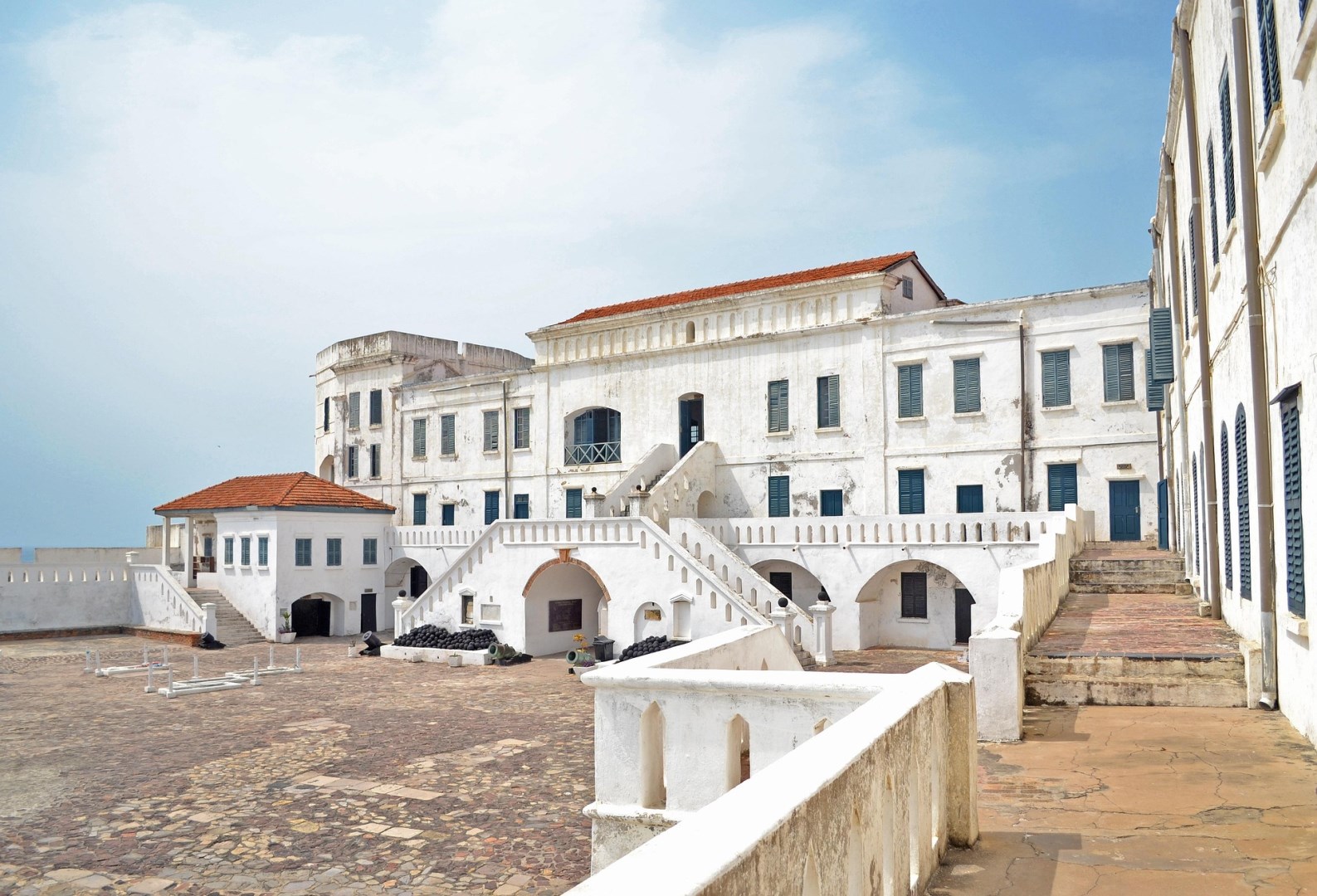
Cape Coast
Cape Coast is a historic coastal city in Ghana’s Central Region, positioned along the Gulf of Guinea west of Accra. Once an important centre of European trade on the Gold Coast, the city is now known for its historic architecture, fishing communities, beaches, and connection to Ghana’s coastal culture. Cape Coast Castle dominates the waterfront and remains the city’s best-known landmark. The city is also home to the University of Cape Coast and serves as a base for exploring nearby attractions,
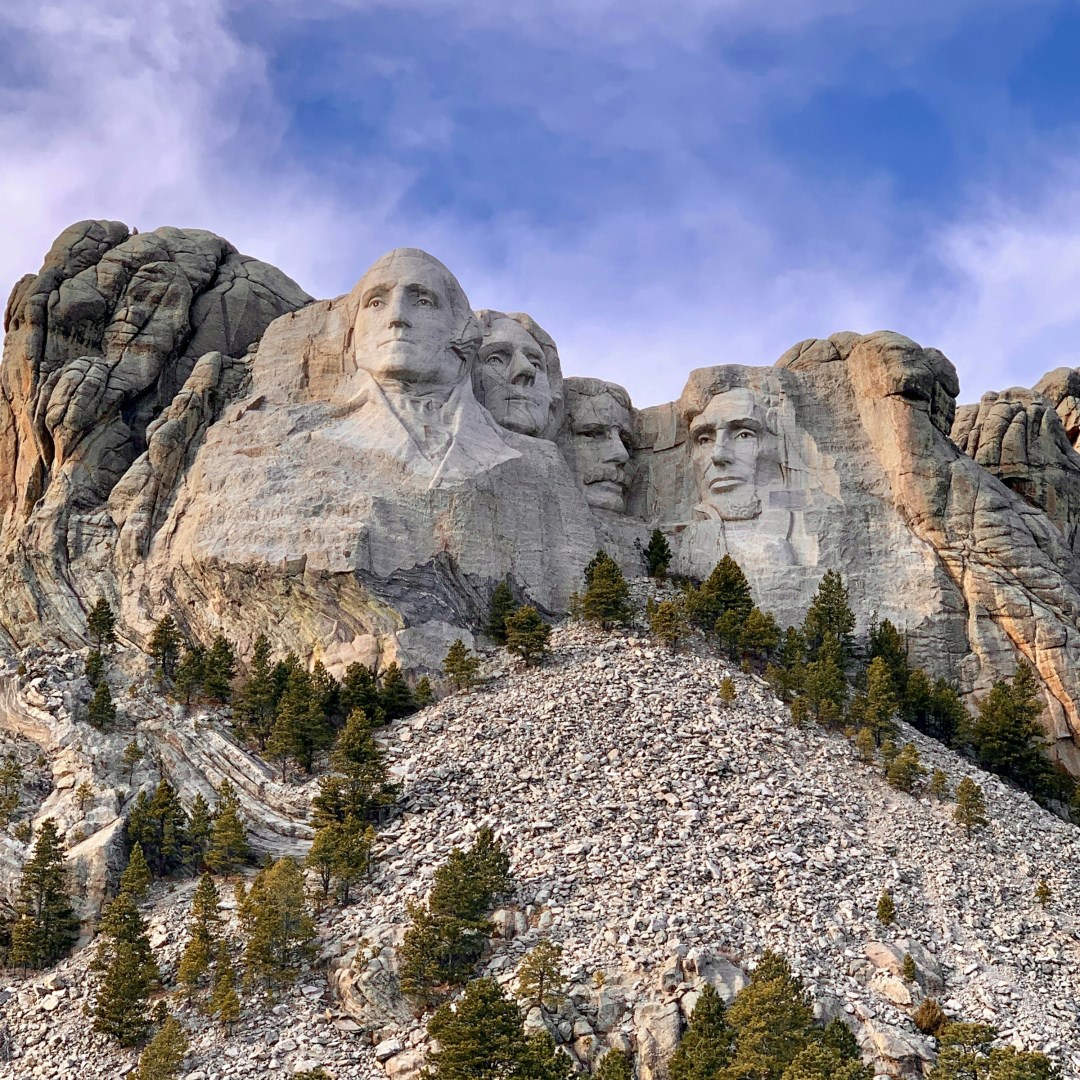
Mt. Rushmore
Located about twenty-five miles southwest of Rapid City, South Dakota, lies Mount Rushmore. Following Highway 244 from the west leads to the orientation center. There exhibits tell how sculptor Gutzon Borglum carved away twice the rock needed to construct Egypt's Great Sphinx (which isn't even as tall as Washington's nose).
