

Santarem
Santarém is a city in central Brazil, located where the Tapajós River meets the Amazon. Its position at this confluence has made it a hub of riverine trade and cultural exchange for centuries, blending Indigenous traditions with Portuguese colonial influence.

Gävle
Through the city is a big boulevard with the municipal theatre at the north end and the city hall at the south end. The theatre was built in the 19:th century and is a very beautiful building. The city hall was built in the 18th century in a late Gustavian design.
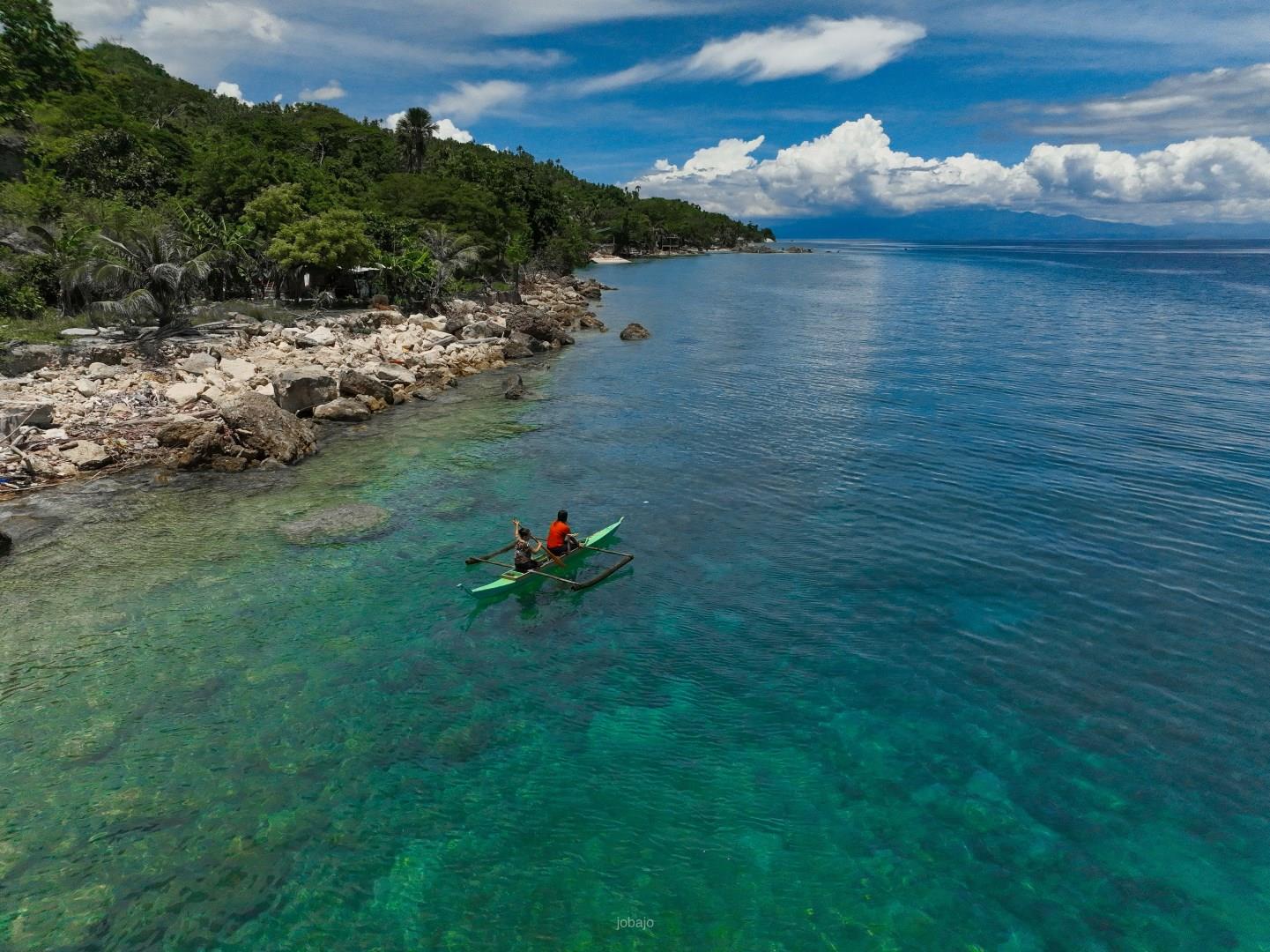
Cebu
Cebu sits at the center of the central Philippines, shaped by seafaring trade and early colonial contact. It was here that Spanish rule first took hold in the 16th century, leaving a legacy visible in churches, street patterns, and long-standing ties to Catholic tradition.
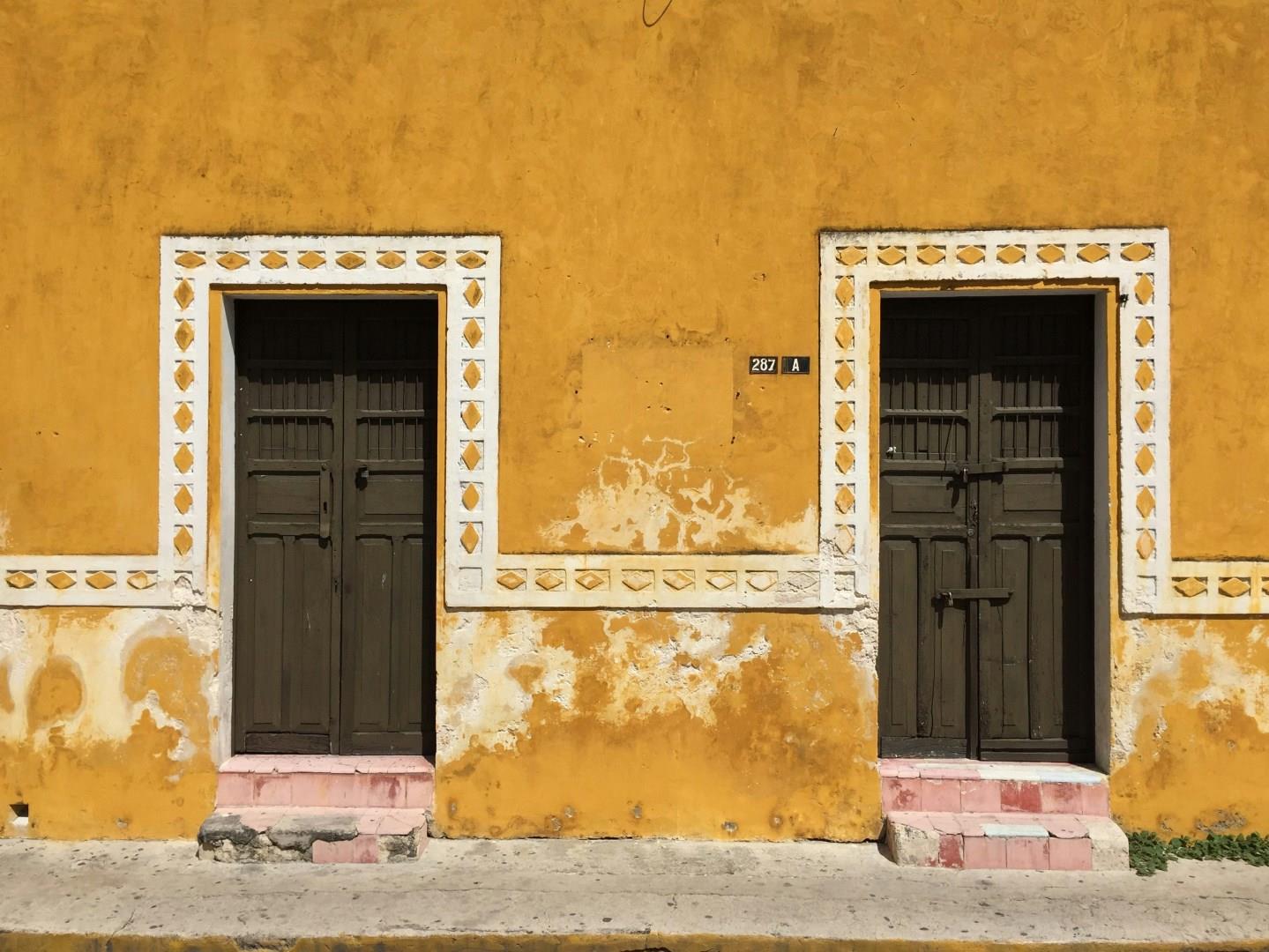
Izamal
Izamal, located in the heart of Yucatán, stands out as a city where centuries of history are layered in plain sight. Known as the “City of Three Cultures,” it combines ancient Maya ruins, Spanish colonial architecture, and modern-day Yucatecan life. One of the most striking features of Izamal is its golden-yellow buildings, painted this distinctive color in honor of Pope John Paul II’s visit in 1993.
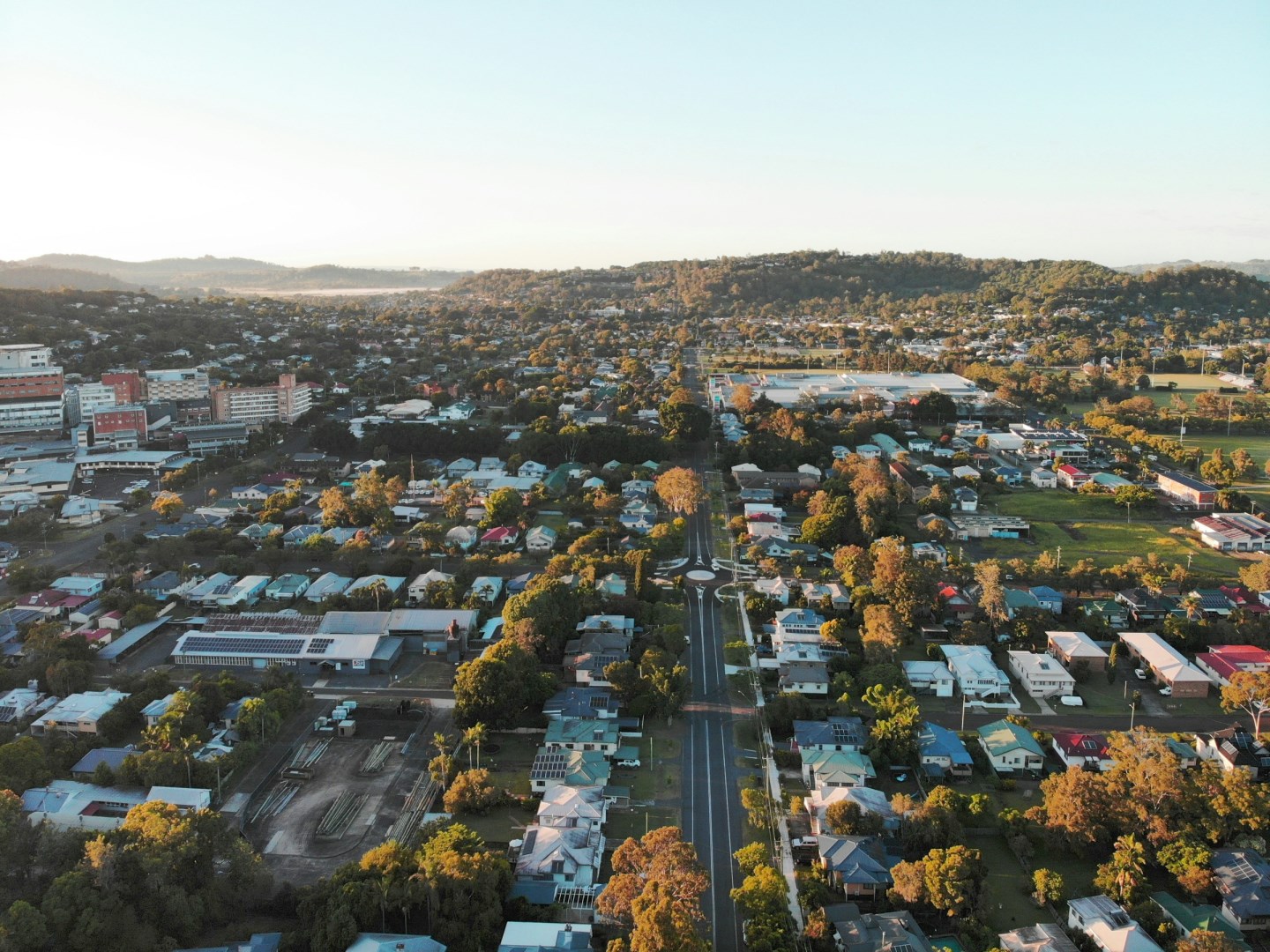
Lismore
Lismore is situated along side Wilson River and is a major town in the Far North Coast of New South Wales. Lismore is built around Rotary Park which is beautiful rainforest within the area.
