

Norwegian Sea
The Norwegian Sea, situated between Norway and the Arctic Ocean, offers a breathtaking adventure in one of Europe’s most rugged and enchanting regions. This body of water is bordered by Norway's western coastline, the Faroe Islands, and the northern reaches of Iceland, each contributing to its unique allure.

Vólos
Volos, a vibrant city nestled between the Aegean Sea and the lush slopes of Mount Pelion, is a delightful blend of modernity and tradition. Known for its picturesque waterfront and bustling port, Volos offers visitors an authentic taste of Greek coastal life. The city’s seaside promenade is ideal for leisurely strolls, with plenty of cafes and tavernas where you can savor fresh seafood while enjoying views of the bay.
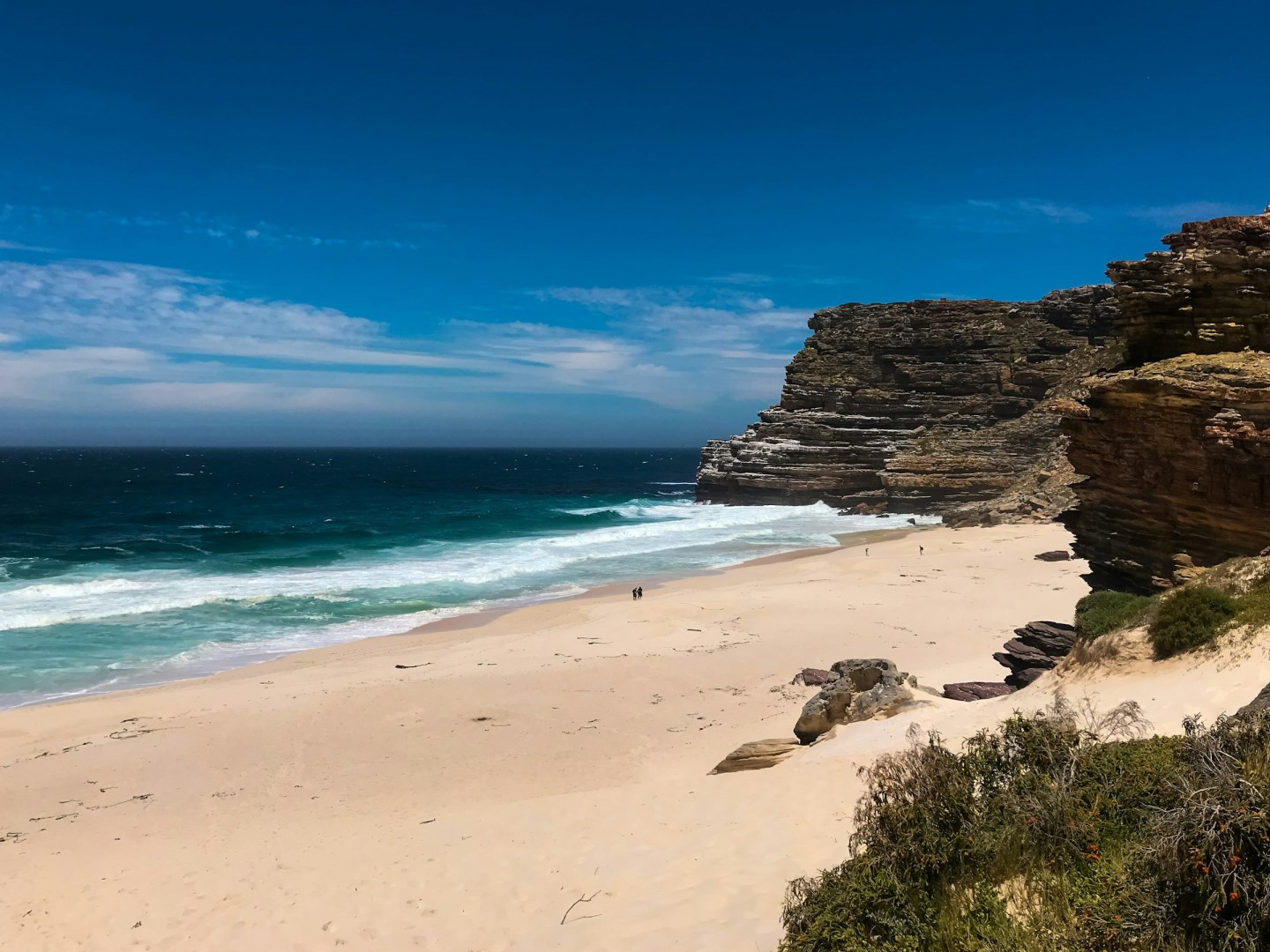
Cape of Good Hope
The Cape of Good Hope, located at the southwestern tip of South Africa, is a destination of striking natural beauty and historical significance. This iconic landmark, part of the Cape Peninsula, offers breathtaking views where the Atlantic and Indian Oceans meet.
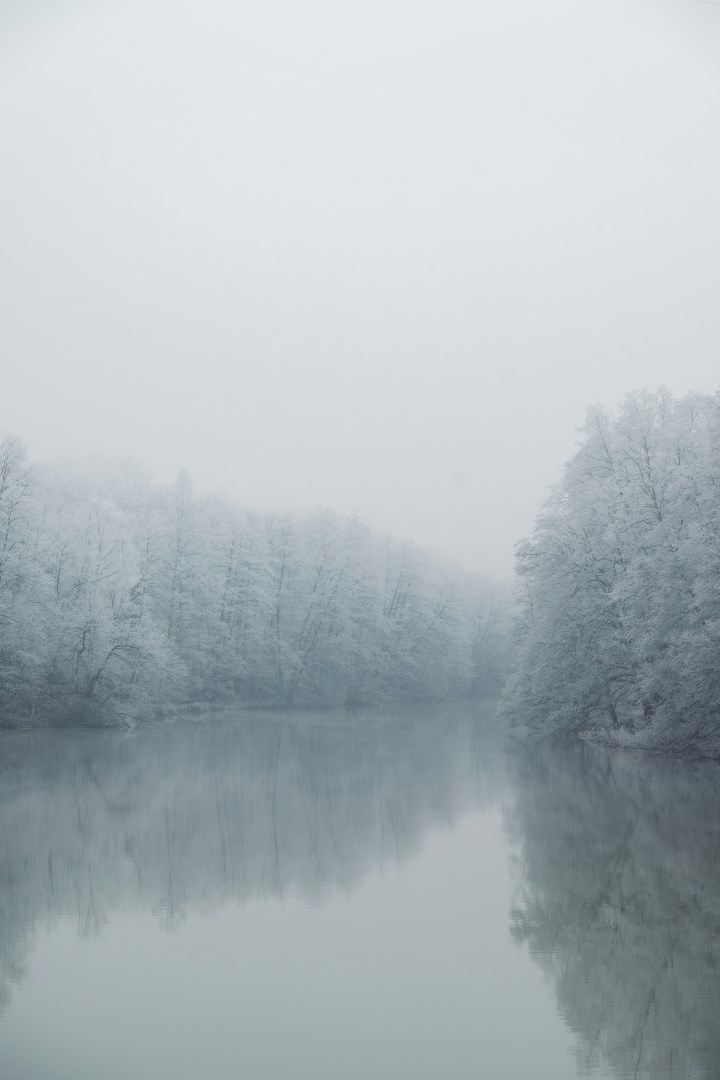
Vilshofen
Vilshofen is a town in Lower Bavaria, Germany, located where the Vils River meets the Danube. The town is known for its riverside setting, colorful historic center, and role as a regional transportation point along the Danube corridor.

Dresden
Dresden, the capital of Saxony, is a city where history, culture, and beauty seamlessly intertwine. Known as the "Florence on the Elbe," Dresden boasts a stunning array of baroque and rococo architecture that captivates visitors from around the world. Dresden hosts the world's oldest Christmas market, the Striezelmarkt, dating back to 1434.
