

Zion National Park
Zion National Park, located in southwestern Utah, is known for its massive sandstone cliffs, narrow slot canyons, and unique desert ecosystems. Established in 1919, it was Utah’s first national park and continues to attract visitors with its dramatic elevation shifts and striking rock formations. The park’s most iconic feature, Zion Canyon, stretches for 15 miles and reaches depths of up to 2,640 feet, carved over time by the Virgin River.
Girdwood
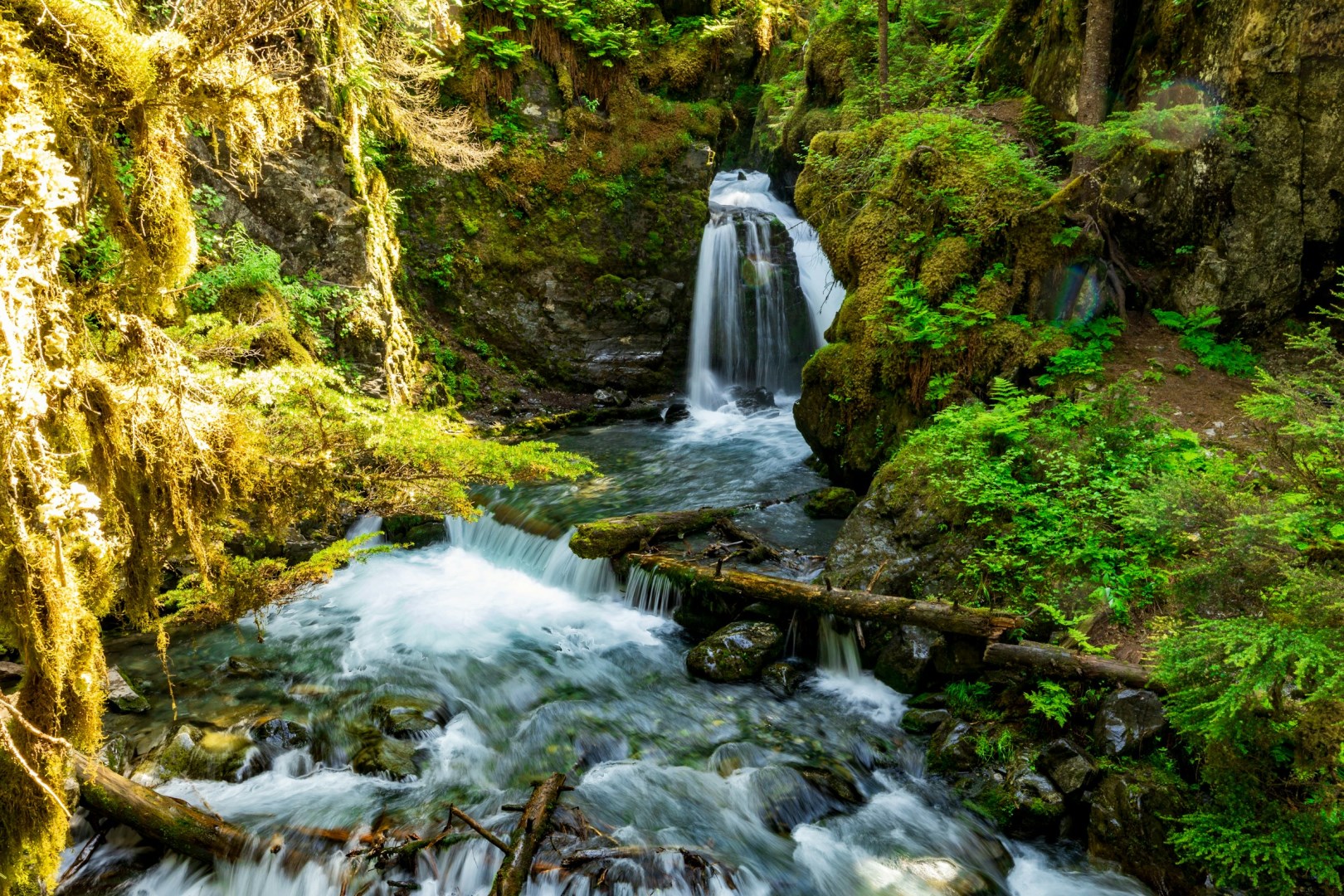
Girdwood is a small community in south-central Alaska, located within the Municipality of Anchorage between the Chugach Mountains and Turnagain Arm. The valley is surrounded by steep mountains, glaciers, temperate rainforest, and open wetlands, creating a landscape that changes noticeably with the seasons.
Red Lodge
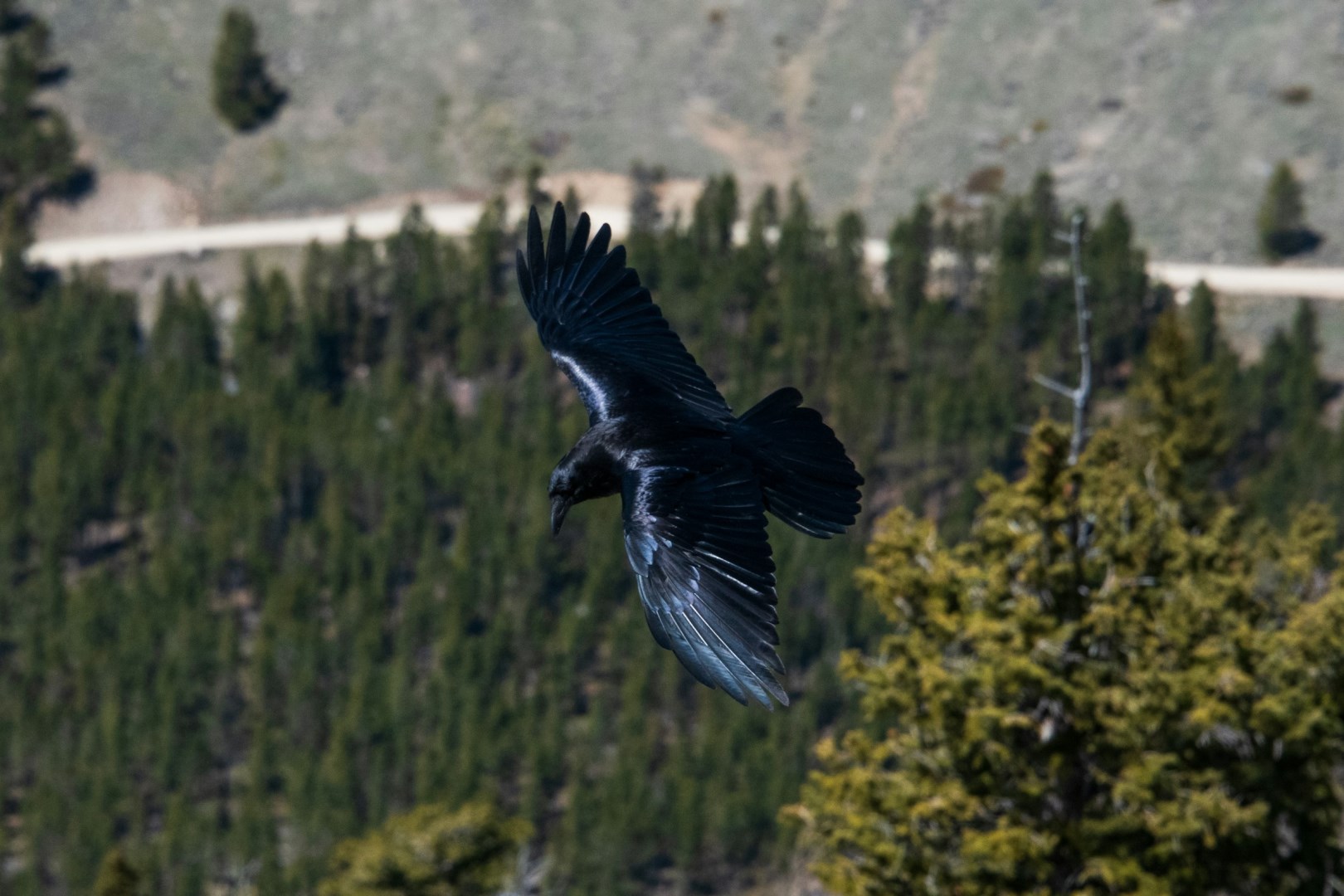
Red Lodge is situated 60 miles southwest of Billings, MT, at an altitude of 5,555 ft. Red Lodge and its citizens welcome you with warm Montana hospitality. During the mining boom of the late 1800's, miners from Scandinavia, Scotland and Ireland arrived to seek their fortunes and a better life. The town still has a strong European heritage. Today Red Lodge maintains its frontier tradition without sacrificing current trends
Colca Canyon
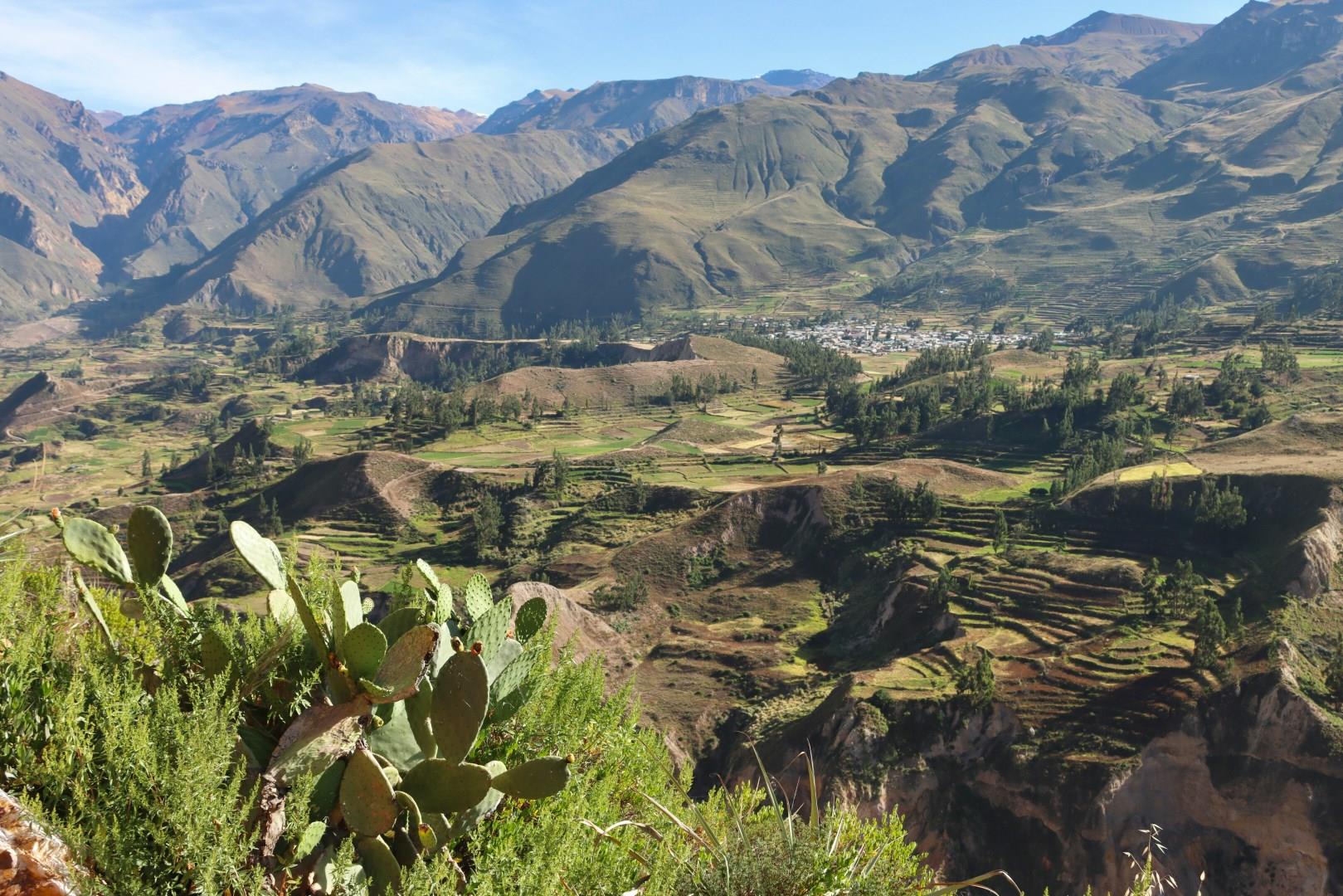
Colca Canyon, located in southern Peru’s Arequipa region, is one of the deepest canyons in the world, twice as deep as the Grand Canyon in some areas. What makes it stand out even more is how human settlements have coexisted with the landscape for centuries. Along its walls, pre-Inca agricultural terraces still hold crops like corn and quinoa. One of the main draws of the canyon is the opportunity to see Andean condors in flight.

Turks and Caicos Islands
The Turks and Caicos Islands, a British Overseas Territory in the Atlantic, are celebrated for their luminous turquoise waters and powder-soft beaches. Grace Bay on Providenciales is the most famous stretch of sand, consistently ranked among the world’s best, where calm seas and vibrant reefs invite both relaxation and adventure.
