
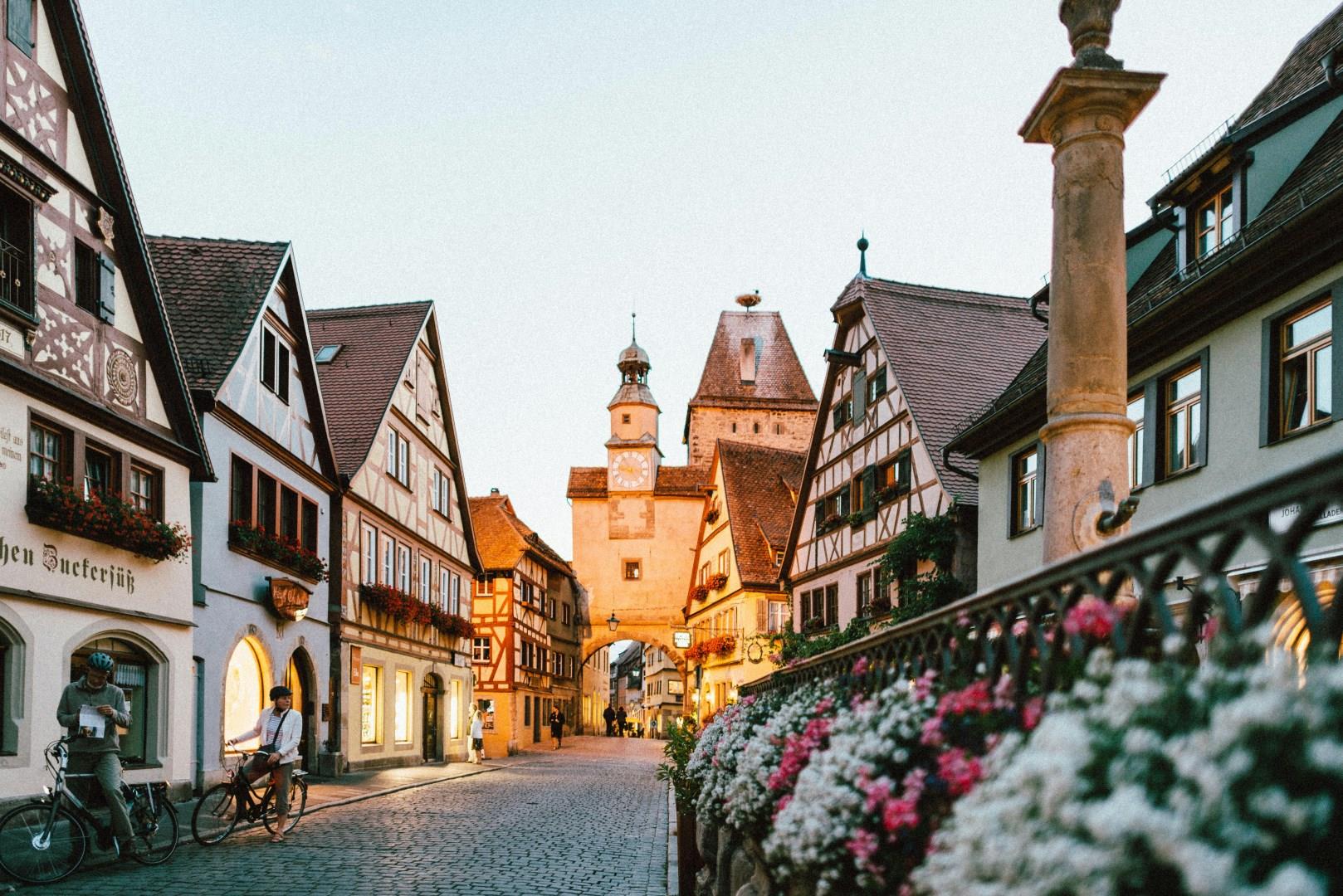
Rothenburg
Rothenburg ob der Tauber rises above the Tauber River in Bavaria, where its medieval town center has stood largely unchanged for centuries, making it one of Germany’s most vivid windows into the past. This old walled city stretches along cobblestone streets where half-timbered houses, ancient towers, and narrow alleys invite visitors to wander and imagine life in the Middle Ages.
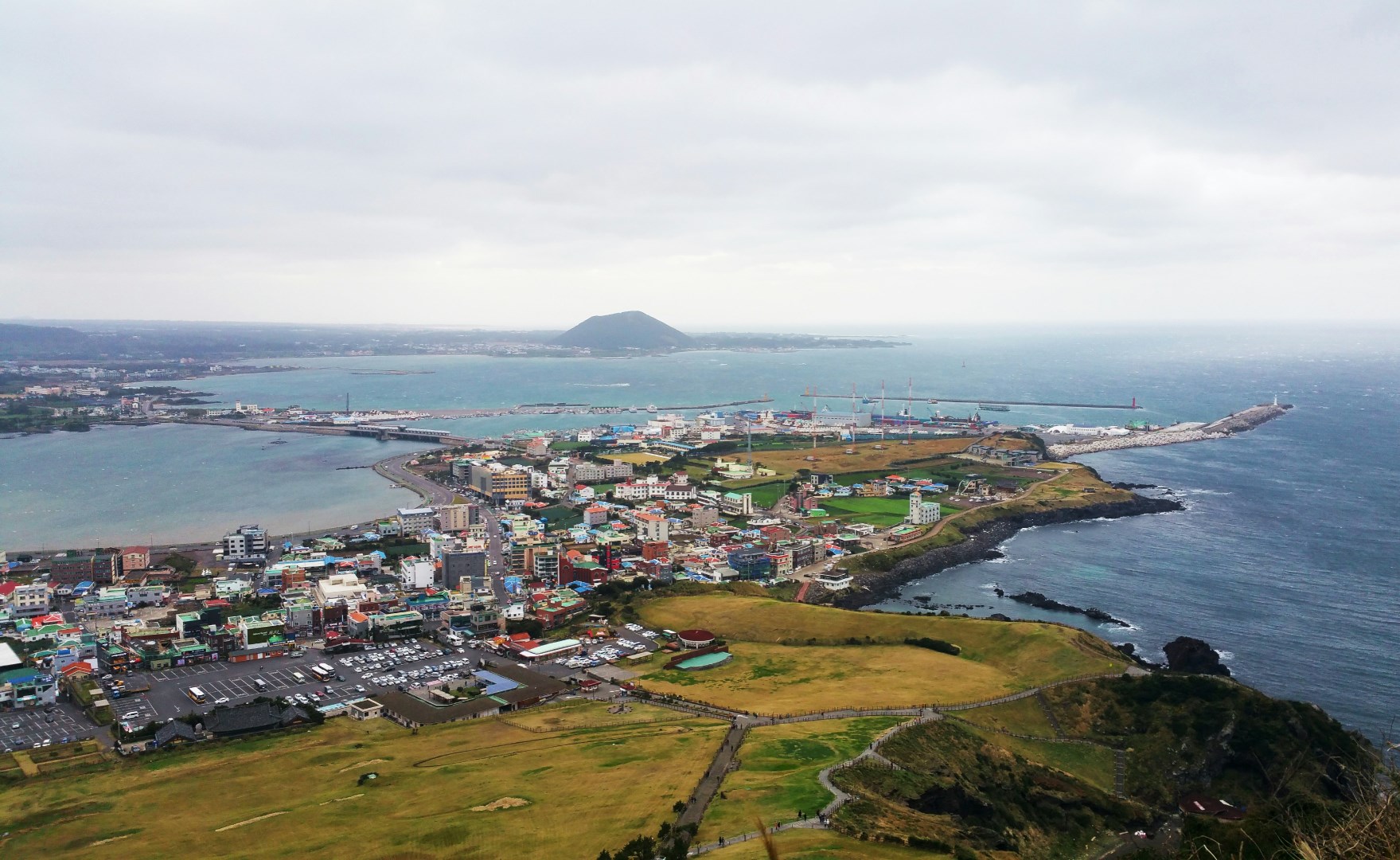
Cheju
Jeju, often written as Cheju in older English sources, is South Korea’s largest island and lies in the Korea Strait south of the Korean Peninsula. The island is known for its volcanic landscapes, coastal cliffs, lava tubes, and the prominent peak of Hallasan, which rises at its center.
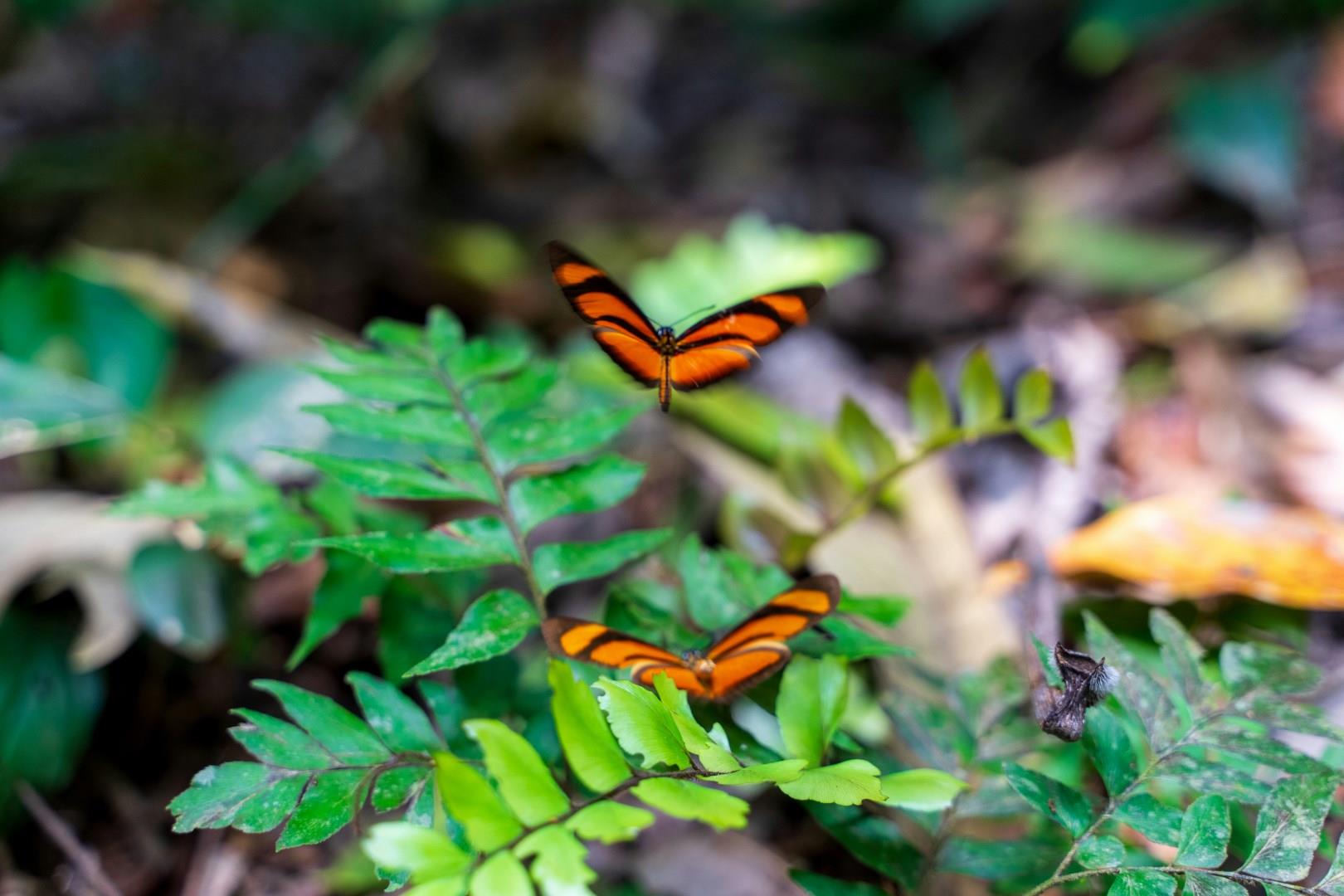
Tambopata
Located in the Madre de Dios region of southeastern Peru, Tambopata is a protected area where visitors can experience the Amazon rainforest in its rawest form. The Tambopata National Reserve spans over 270,000 hectares and is home to an estimated 1,200 butterfly species, 600 bird species, and hundreds of tree varieties. One of its most famous residents is the jaguar, though sightings are rare. More common encounters include red howler monkeys, capybaras, and giant river otters.
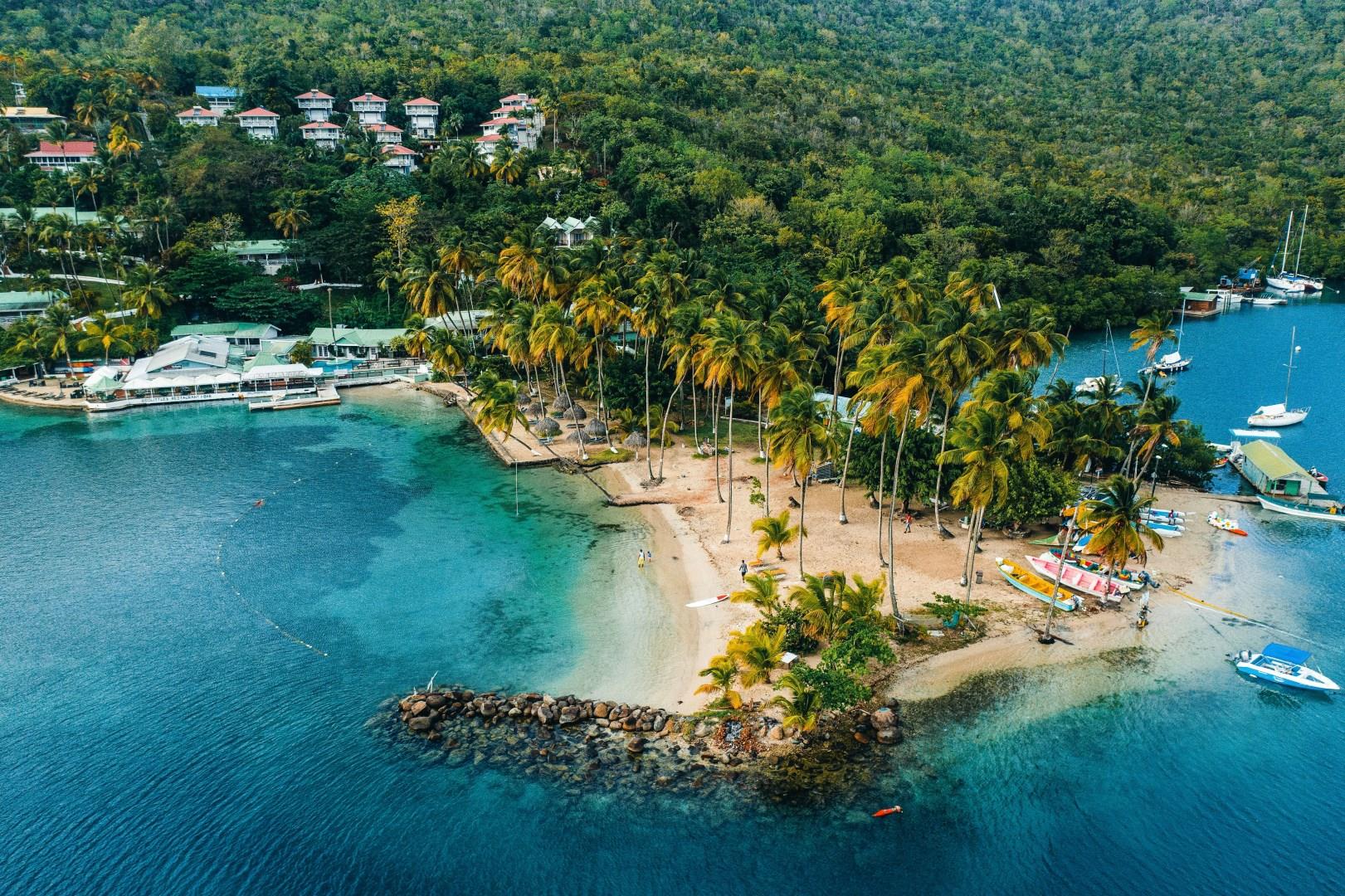
Marigot Bay
Marigot Bay, located on the western coast of Saint Lucia, is often regarded as one of the Caribbean’s most picturesque natural harbors. Enclosed by lush green hills and swaying palms, the bay has long drawn sailors, writers, and filmmakers.
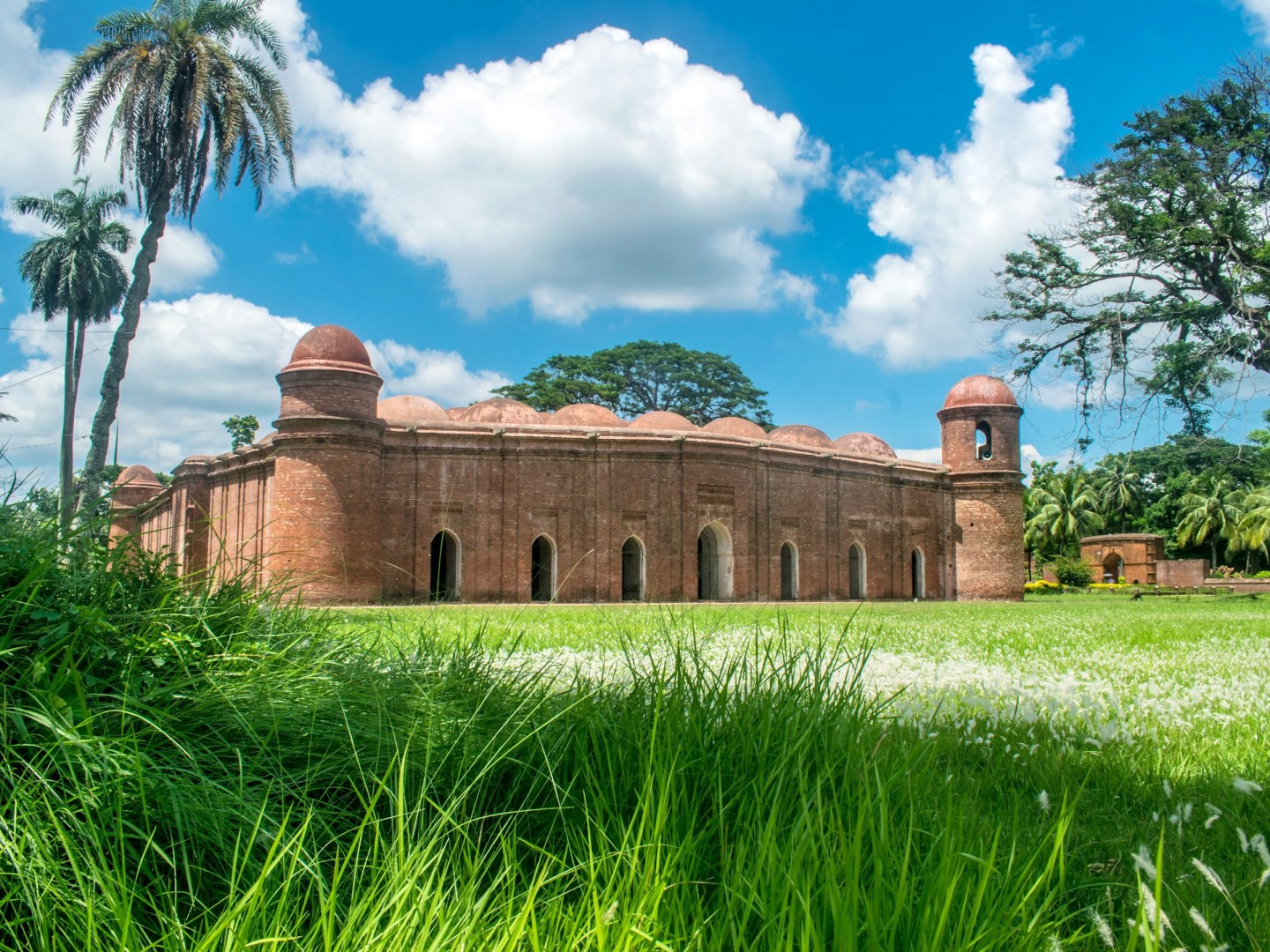
Bagerhat
Bagerhat is a historic city in southwestern Bangladesh, known for its remarkable concentration of Islamic monuments and its setting near the former channels of the Ganges-Brahmaputra delta. The city was established by Khan Jahan Ali and developed as an important settlement surrounded by waterways, ponds, roads, and mosques. Today, Bagerhat is best known for the Historic Mosque City of Bagerhat, a UNESCO World Heritage Site containing numerous brick-built religious and civic structures. Its locat
