
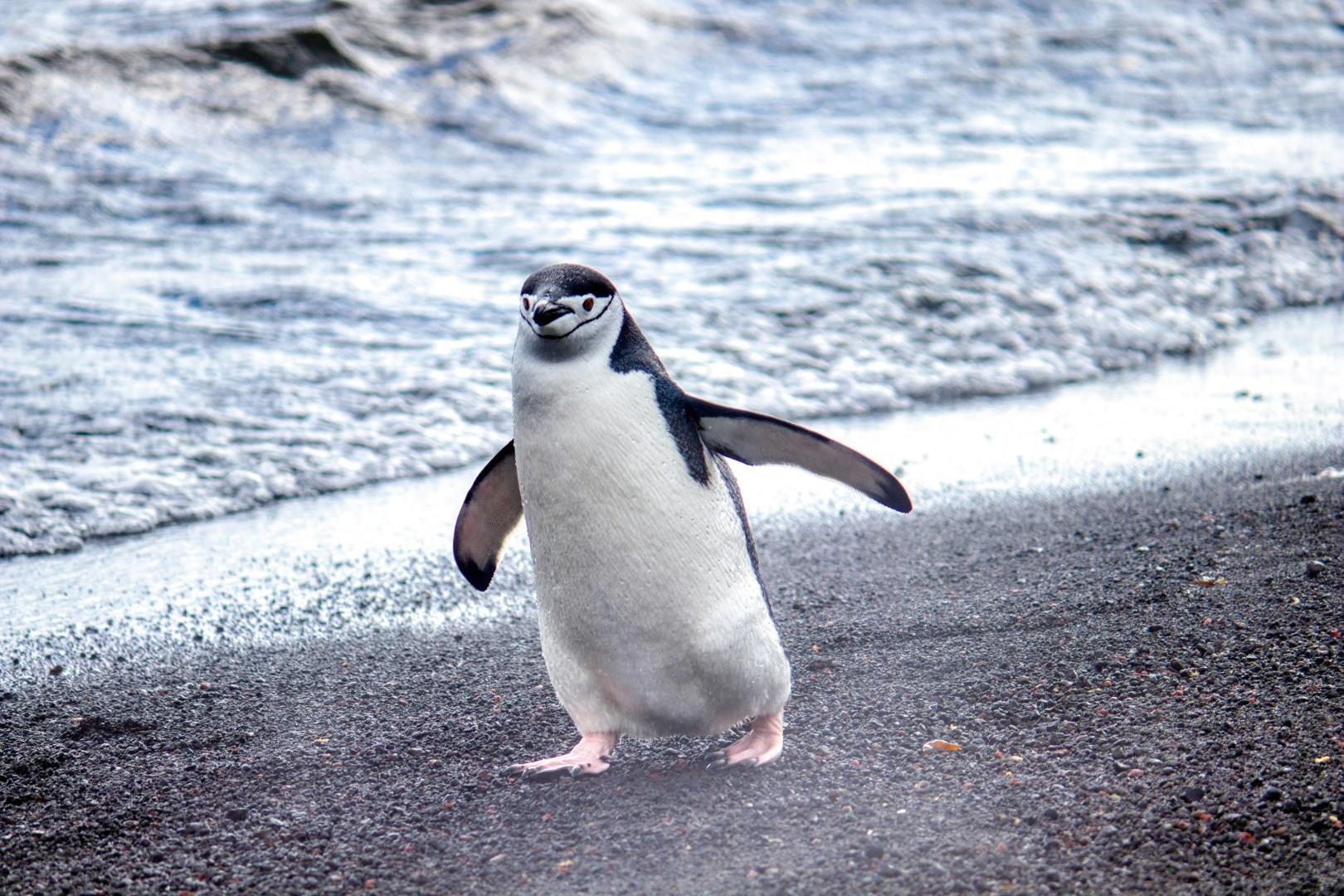
Elephant Island
Elephant Island, a remote outcrop off the coast of Antarctica, is not your average travel destination. Known for its dramatic cliffs, towering glaciers, and wild, ice-laced seas, this island is both stark and unforgettable. Located 245 kilometers northeast of the Antarctic Peninsula, Elephant Island is rarely visited except by specialized expedition cruises.

Þingvellir National Park
Thingvellir, a captivating site in Iceland, seamlessly combines natural beauty and historical significance. Located in the Thingvellir National Park, this UNESCO World Heritage Site is a geological wonder where the North American and Eurasian tectonic plates meet. The dramatic landscape features rift valleys and stunning volcanic formations, making it a paradise for hikers and nature enthusiasts.
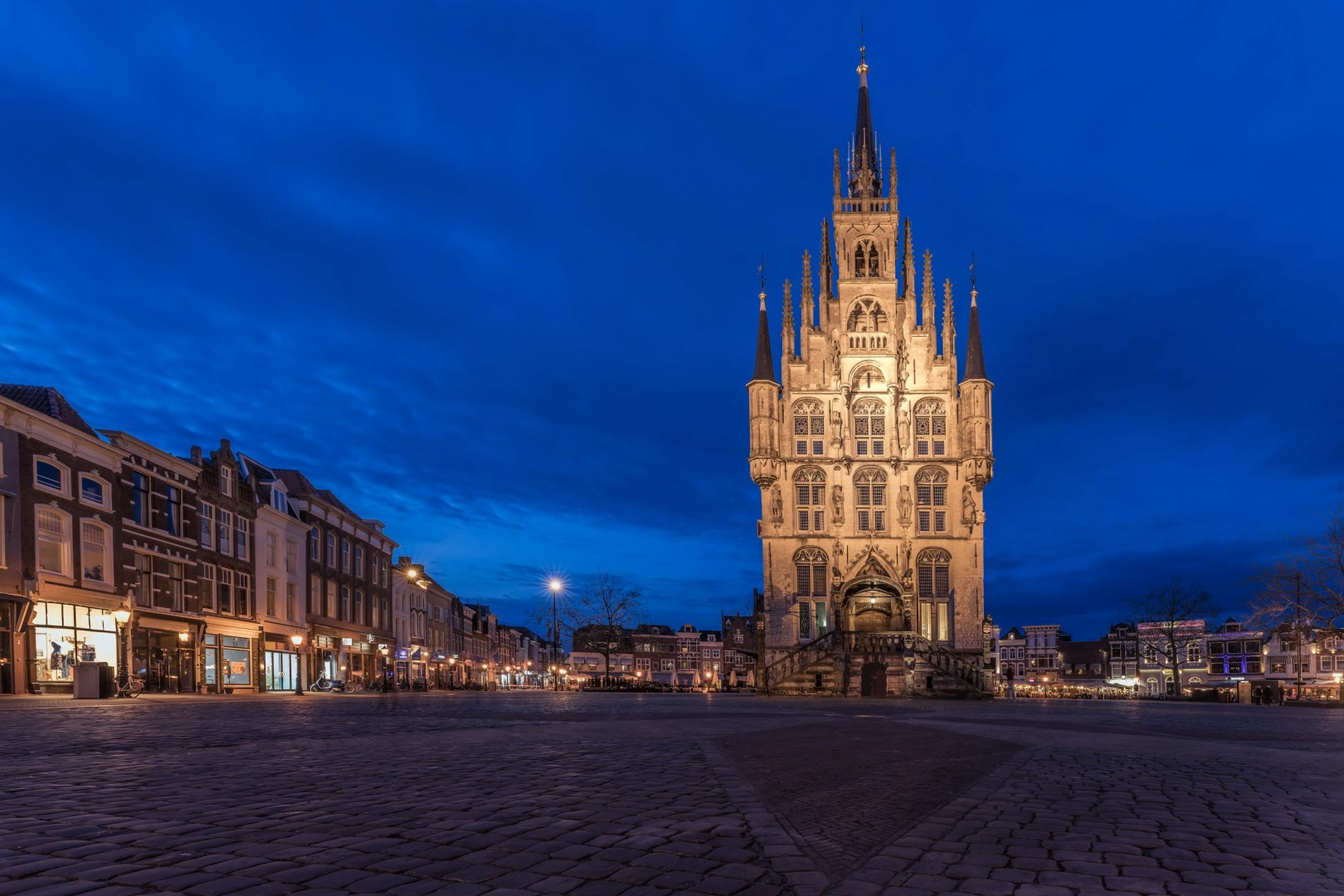
Gouda
Gouda is a historic city in South Holland, situated where the Gouwe and Hollandse IJssel waterways meet. Its compact center is known for canals, brick houses, bridges, and a network of narrow streets surrounding the Markt, one of the Netherlands’ largest historic town squares. The Gothic St. John’s Church dominates the square and is particularly notable for its extensive collection of stained-glass windows.
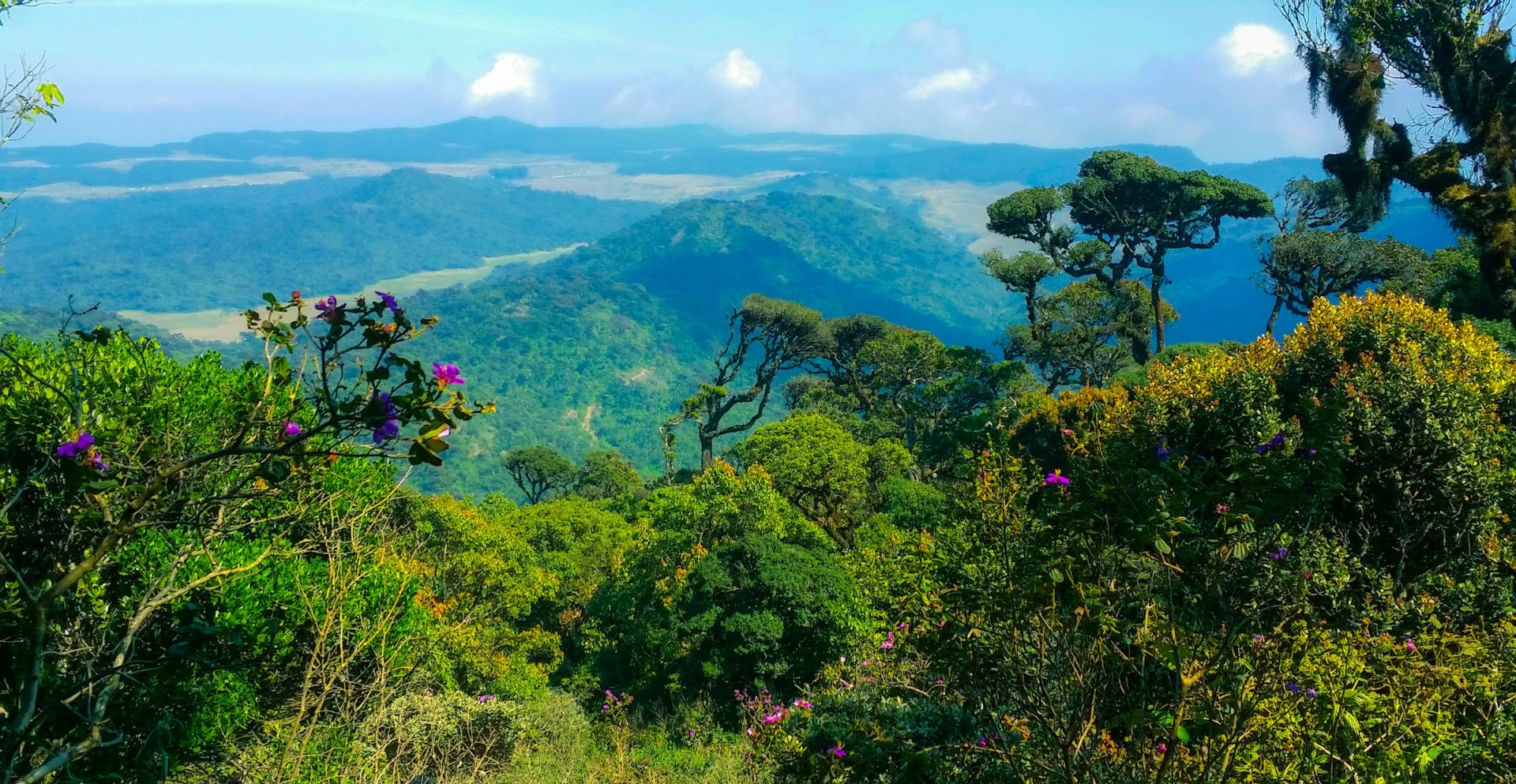
Horton Plains National Park
Horton Plains National Park is a high-altitude protected area in Sri Lanka’s central highlands, covering a landscape of grasslands, cloud forest, marshes, and rocky slopes. Located near Nuwara Eliya, the park sits at elevations above 2,000 metres, giving it a cool and often misty climate. Its open plateaus contrast with dense patches of montane forest, while streams and small waterfalls drain the high ground.
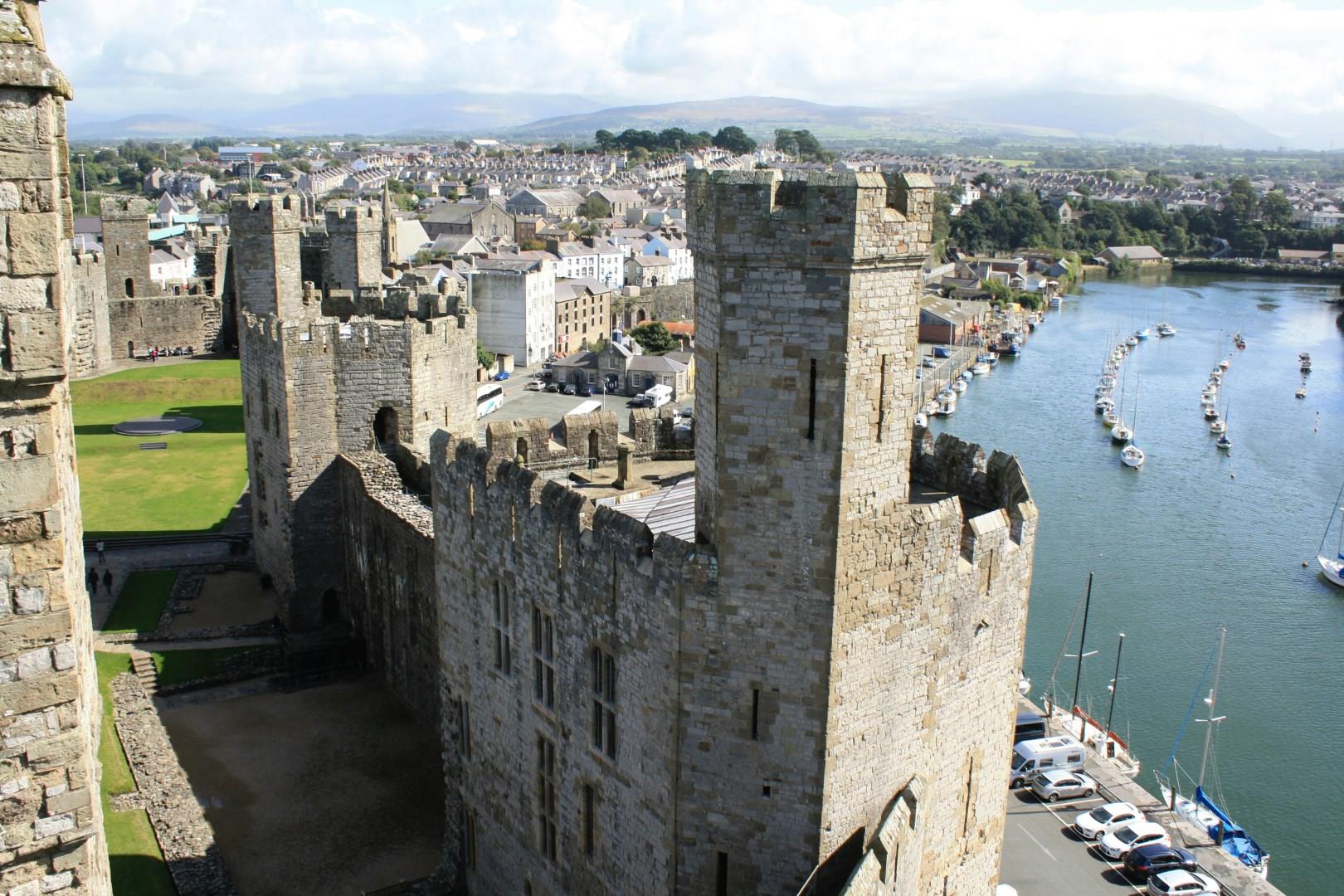
Caernarfon
Caernarfon, a town in northwest Wales, is famed for its medieval heritage, most notably Caernarfon Castle, a UNESCO World Heritage Site built by Edward I in the late 13th century.
