
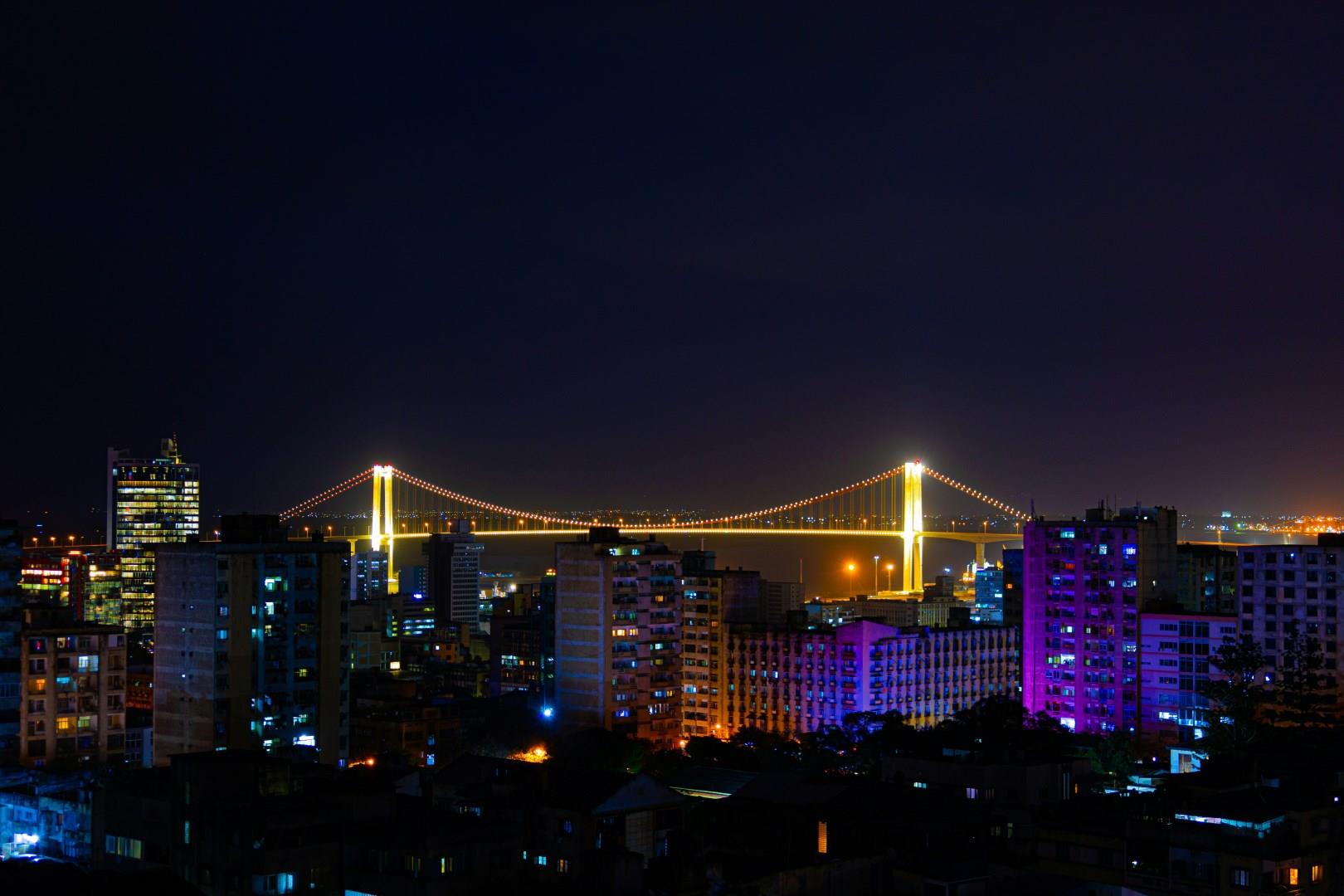
Maputo
Maputo, Mozambique’s capital, grew from a modest colonial port into a city shaped by trade, migration, and independence.
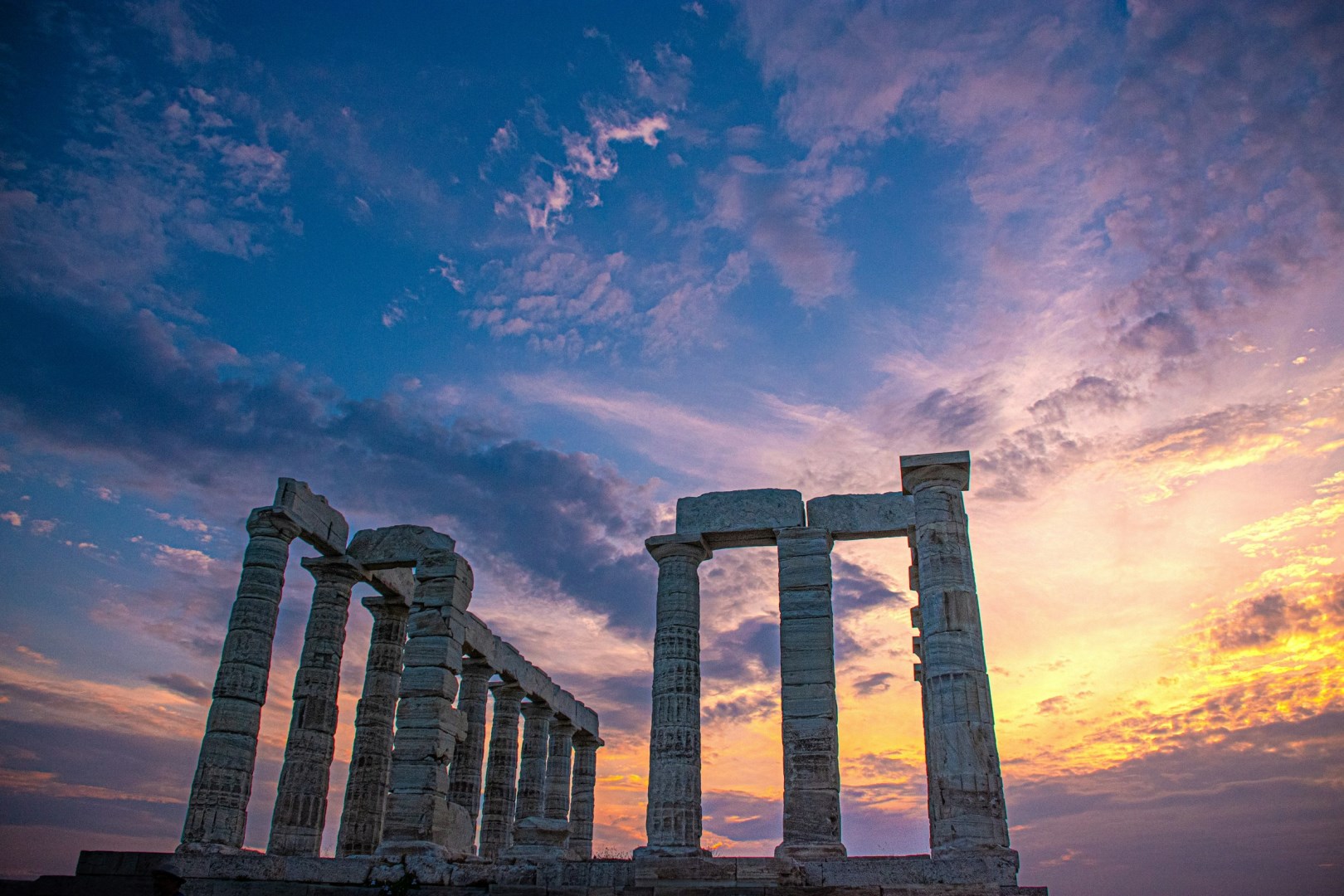
Cape Sounion
Picturesque Cape Sounion is famous for its beaches and scenic views of islets and the sweeping Bay of Anavyssos, as well as the 5th century Temple of Poseidon. Cape Sounion is located approximately 65 km. south of Athens.
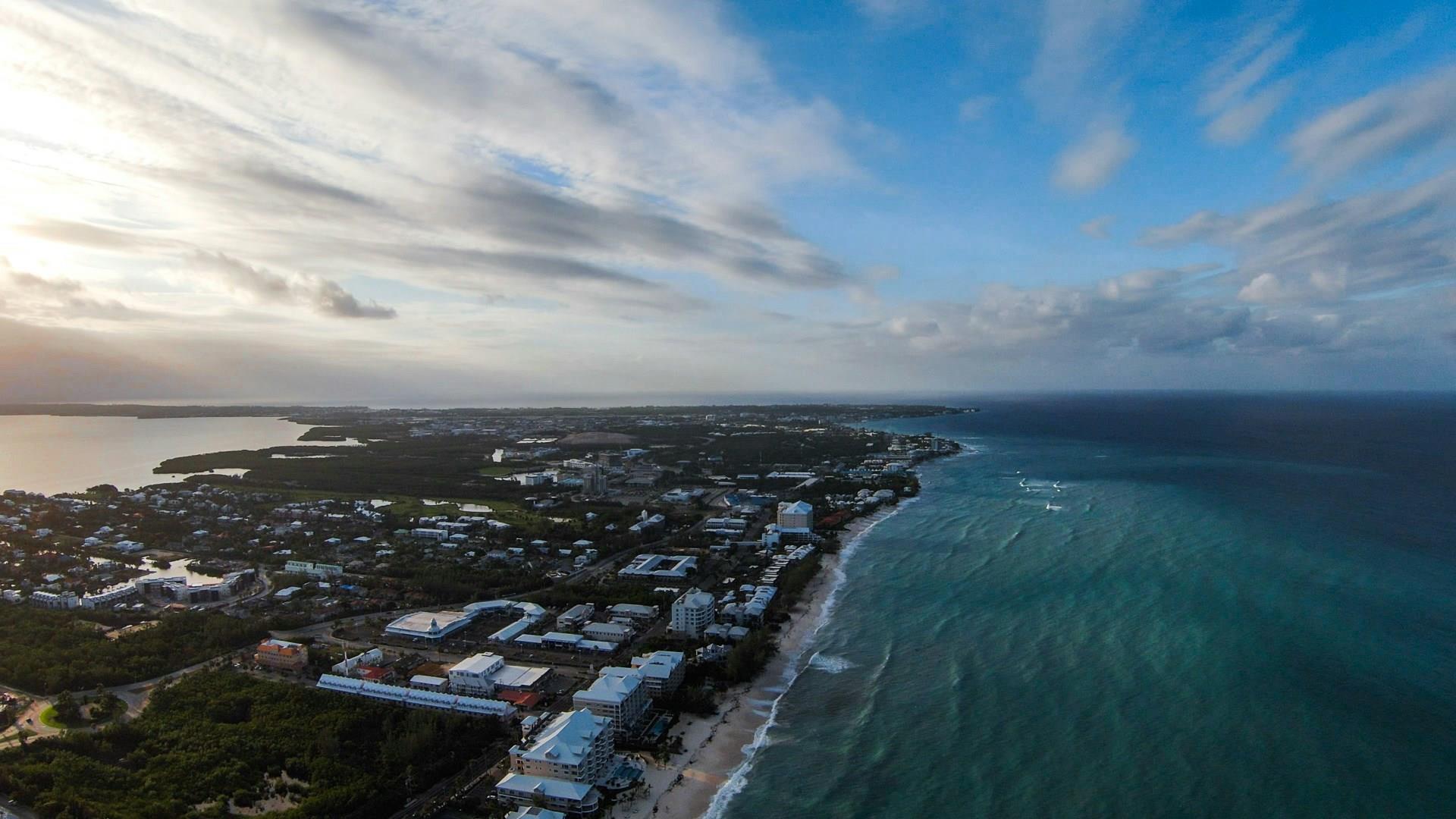
Grand Cayman
Grand Cayman, the largest of the Cayman Islands, is a Caribbean paradise offering stunning beaches, world-class diving, and a rich blend of culture and luxury. Seven Mile Beach, often ranked as one of the most beautiful beaches in the world, is the island’s crown jewel. Its powdery white sands and crystal-clear waters are perfect for swimming, snorkeling, or simply relaxing under the sun. Luxury resorts and beachfront restaurants dot the coastline, providing both indulgence and accessibility to
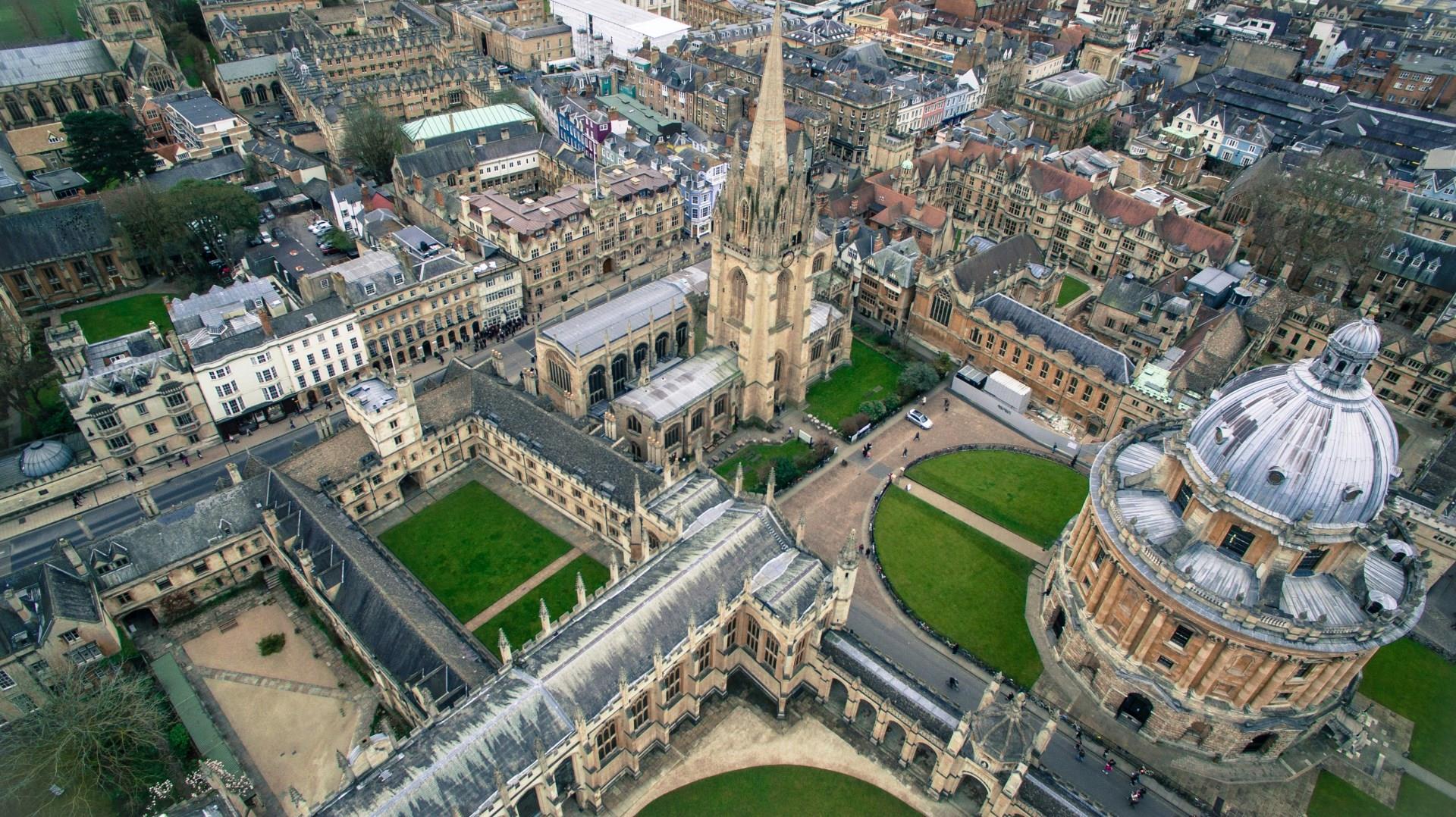
Oxford
Oxford is best known for its world-famous university, but the city offers much more than historic college halls and ivory towers. Its skyline, shaped by spires and domes, hints at centuries of intellectual life. The University of Oxford dates back to at least the 12th century and includes iconic buildings like the Bodleian Library, one of the oldest libraries in Europe, and the Radcliffe Camera, a circular reading room that looks more like a cathedral than a place for quiet study.
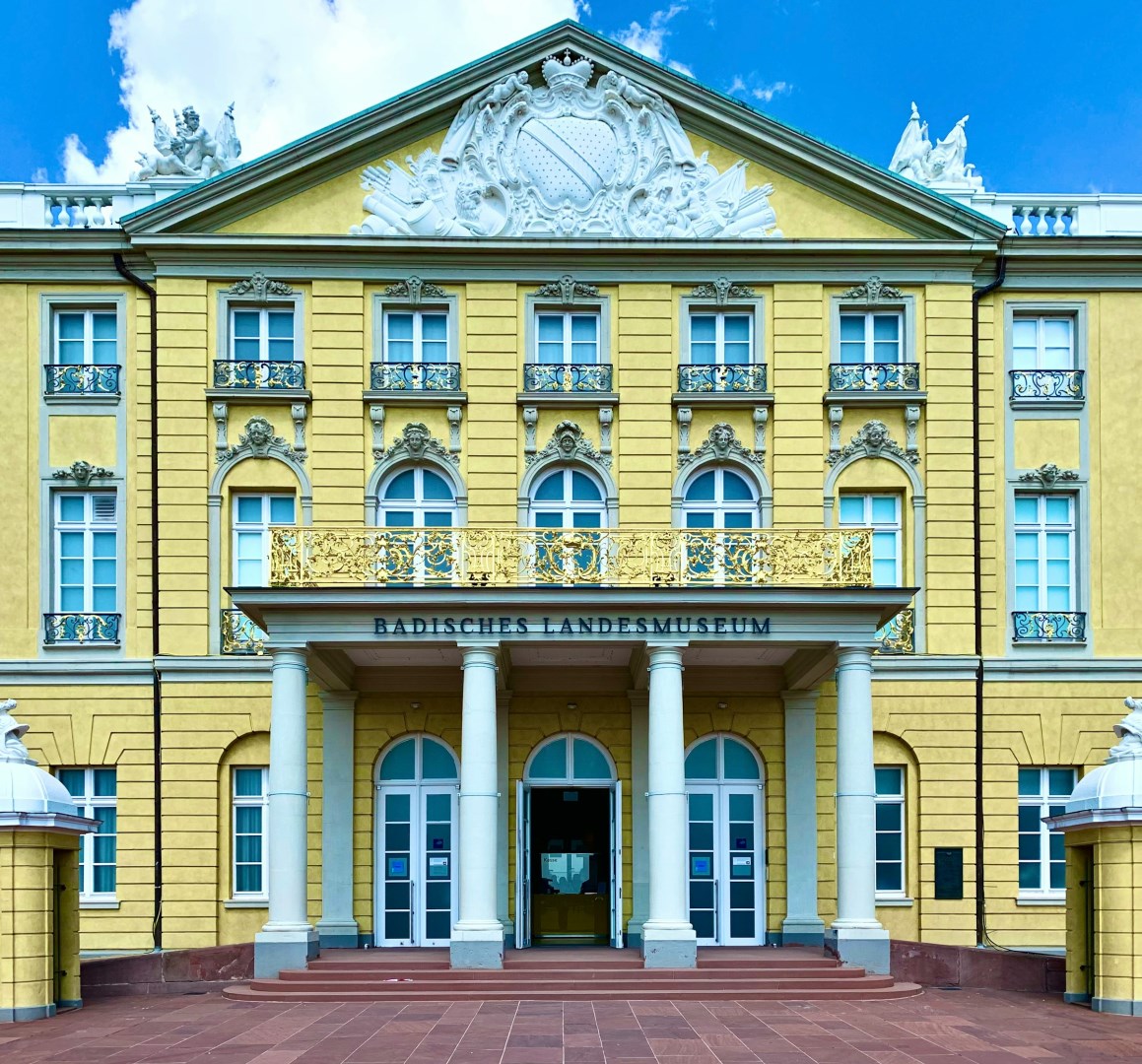
Karlsruhe
Karlsruhe, located in southwestern Germany near the French border, is a city known for its unique radial layout, rich cultural life, and role as a hub for law and technology. Founded in 1715, the city was planned around the iconic Karlsruhe Palace, with streets radiating outward like the spokes of a wheel.
