

Hakodate
Hakodate sits at the southern tip of Hokkaido and combines historical charm with natural splendor.
Monterrey
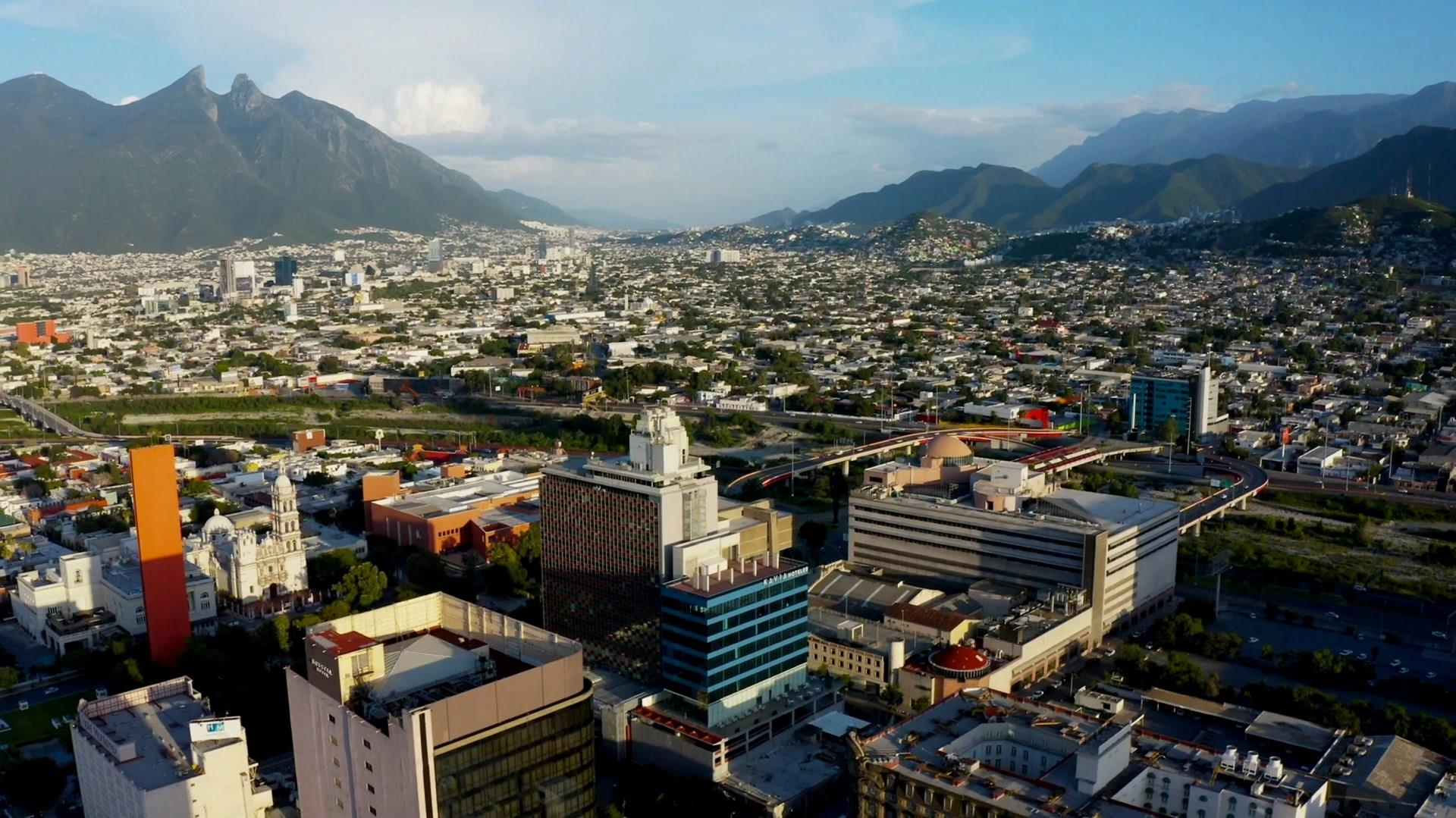
Monterrey, the capital of Nuevo León, stands at the foot of the Sierra Madre Oriental and has long been recognized as one of Mexico’s most industrial and innovative cities. The Macroplaza is one of the largest public squares in Latin America and links historic buildings like the 18th-century Metropolitan Cathedral with newer sites like the Museo de Historia Mexicana and the Faro del Comercio, a towering orange structure that beams a green laser across the sky each night.
Waimea Canyon, Kauai
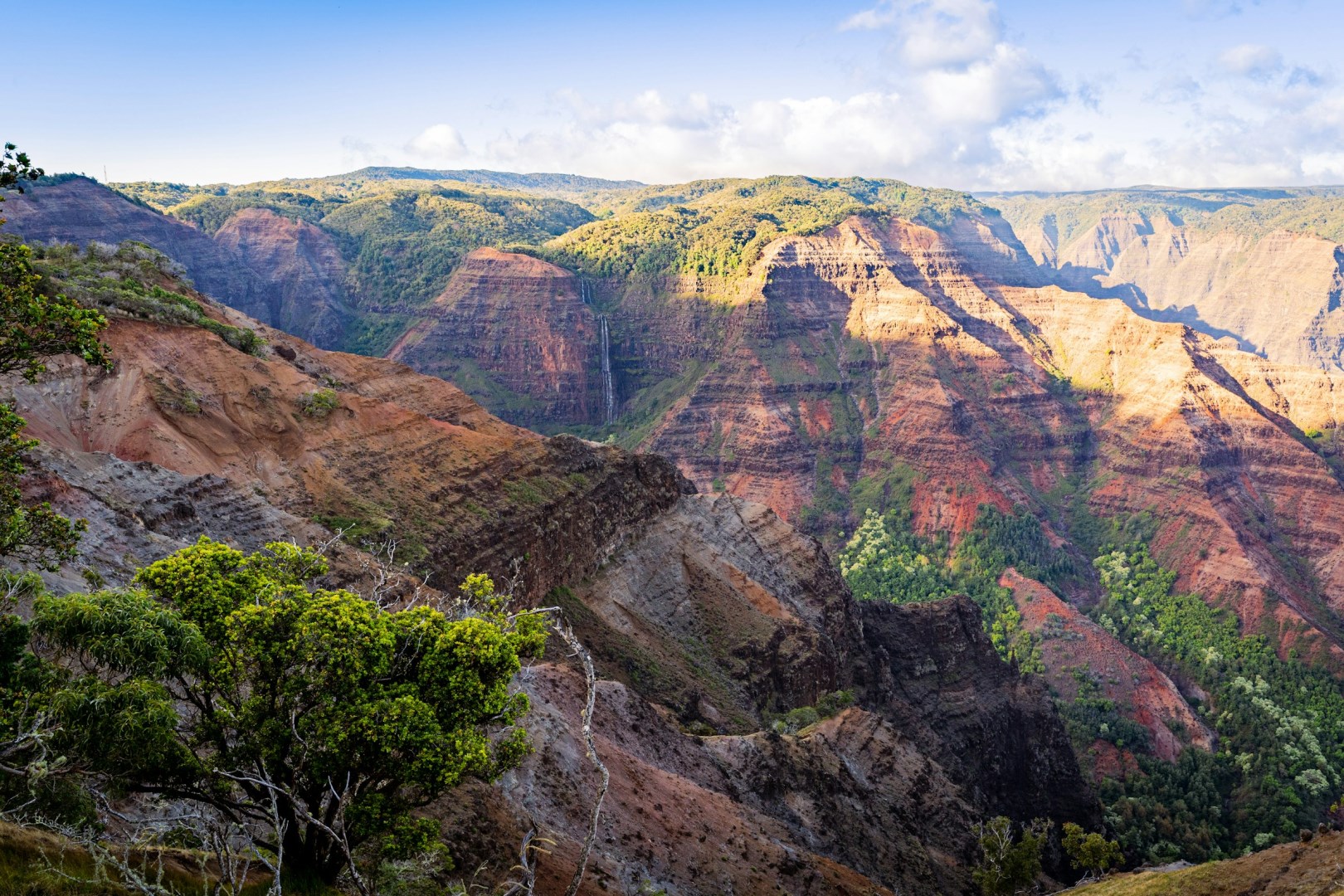
The Canyon valleys of the Waimea River and its tributary were once heavily populated, and the town was an early center of native government. It was here that Captain James Cook, English Navigator-Explorer, made his first landing in the Hawaiian Islands on January 20, 1778. Waimea developed as a provisioning port for whalers and sandalwood traders. A ruined Russian fort, built (1815) in a futile attempt to seize the isle, occupies a coastal bluff aboe the Waimea River. A rich sugar-plantation
Bhubaneswar
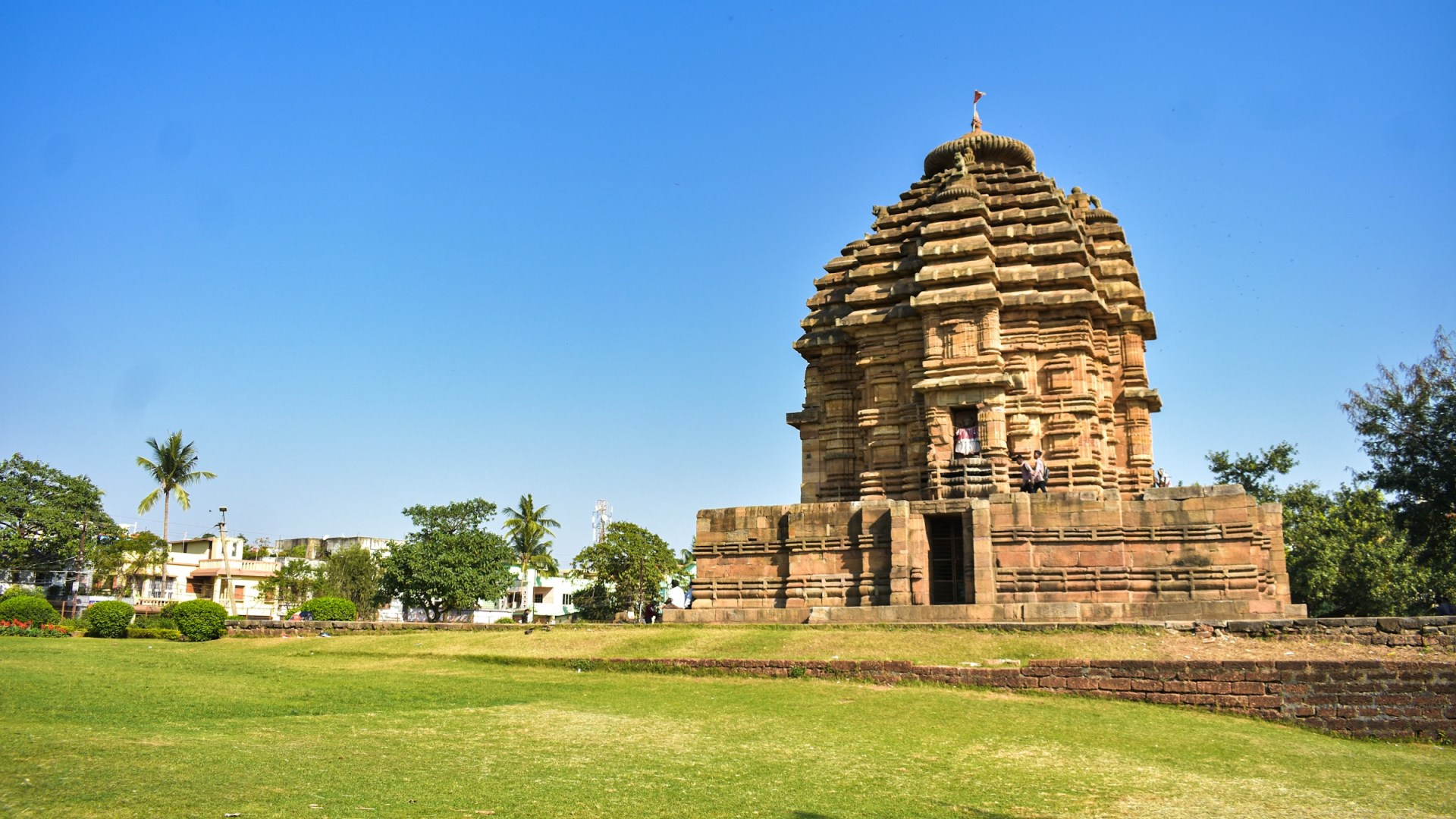
Bhubaneswar is the capital of Odisha in eastern India and a major center of temple architecture, religion, education, and modern administration. Often associated with the title “Temple City,” it combines a growing contemporary city with an old quarter filled with stone shrines and sacred tanks. The city developed around the Ekamra Khetra area, where numerous temples reflect the Kalinga style of architecture. Beyond its historic core, Bhubaneswar has broad roads, parks, museums, markets, and resi
Ooty
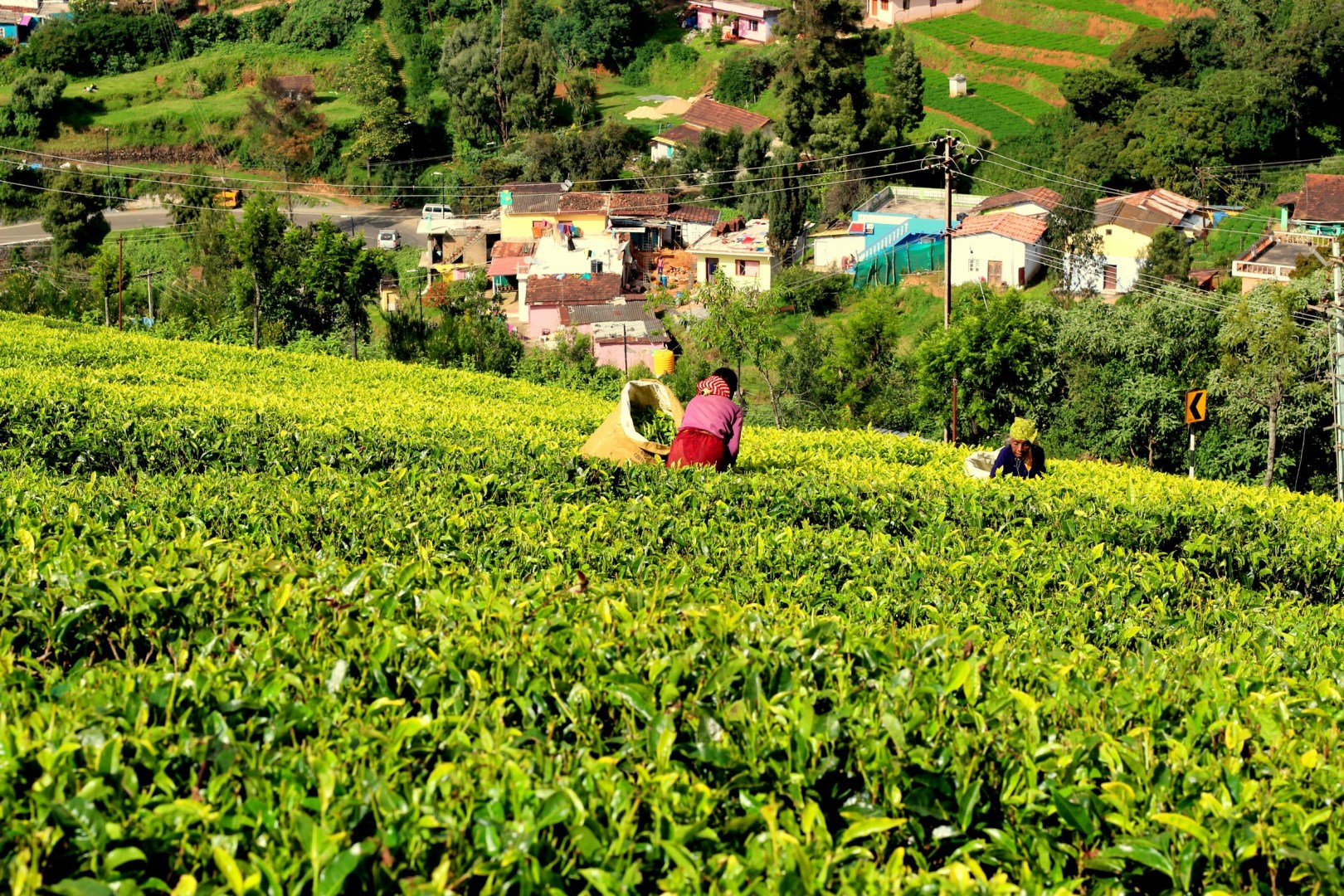
Ooty, officially known as Udhagamandalam, is a hill town in Tamil Nadu’s Nilgiri Hills, surrounded by tea estates, eucalyptus-covered slopes, shola vegetation, and rolling mountain scenery. Sitting at more than 2,000 metres above sea level, it has a notably cooler climate than the plains of southern India. The town developed as an important hill settlement and remains the main urban centre of the Nilgiris.
