
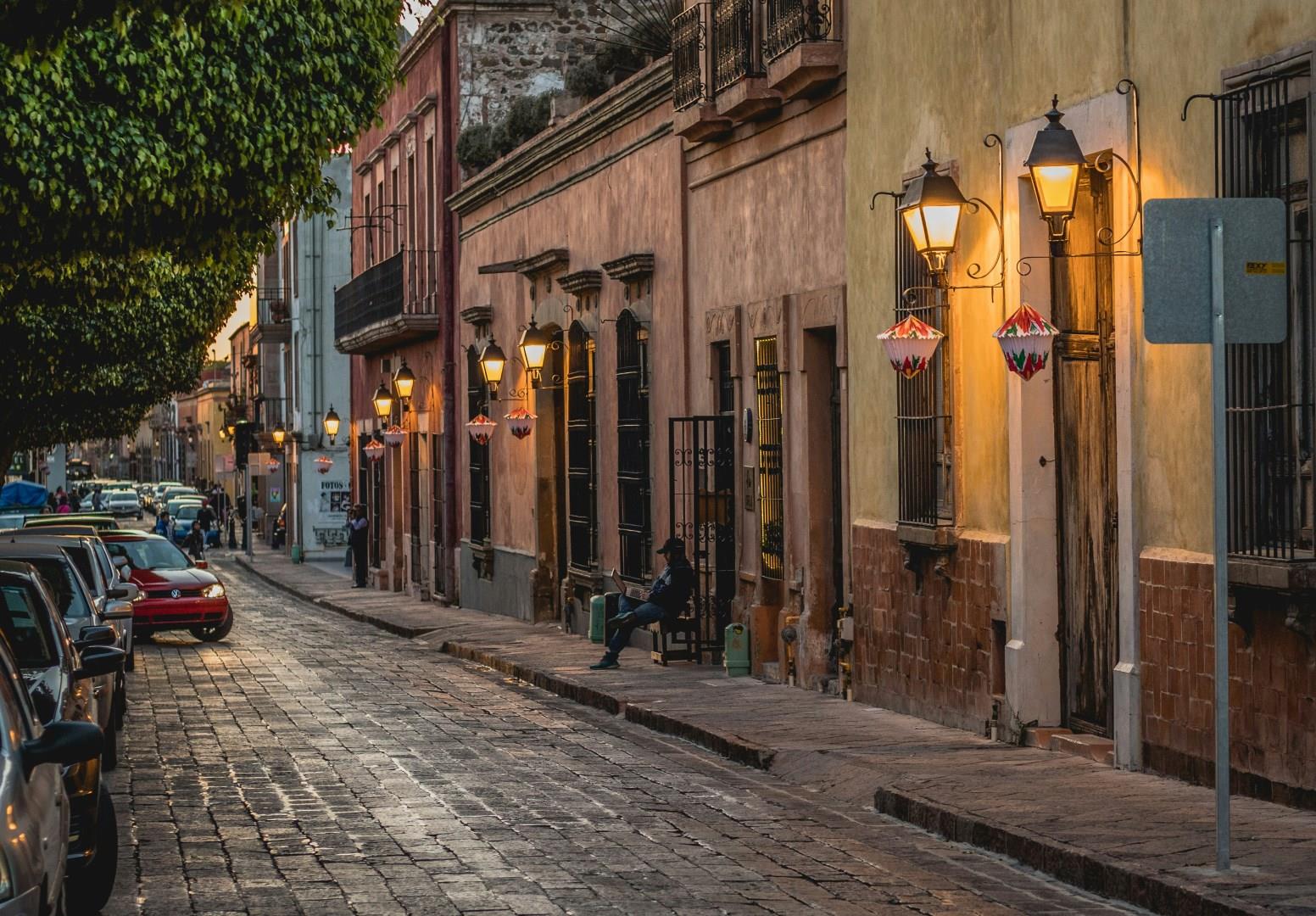
Querétaro
Querétaro, located in the heart of central Mexico, is a city where centuries of history are still visible in daily life. Its historic center, a UNESCO World Heritage Site, features narrow streets, elegant plazas, and baroque churches that reflect its colonial past. One of the city’s most iconic landmarks is the massive aqueduct, built in the 18th century with 74 stone arches stretching nearly a mile across the landscape.
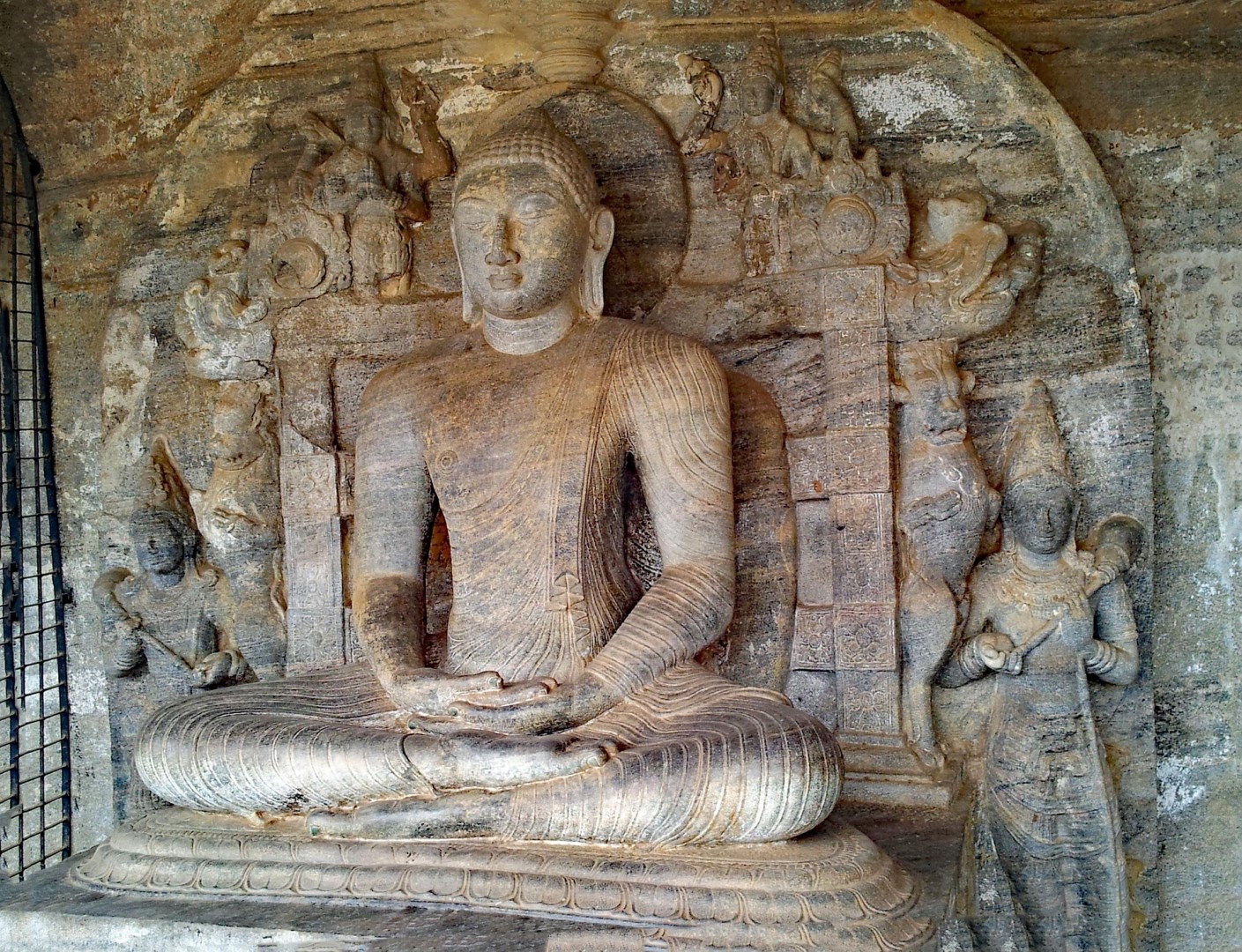
Polonnaruwa
Polonnaruwa, located in Sri Lanka’s North Central Province, served as the island’s capital nearly a thousand years ago. Today, it offers one of the most extensive and well-preserved archaeological sites in South Asia. Visitors can walk among the ruins of royal palaces, Buddhist monasteries, and intricately carved stone temples. One of the highlights of Polonnaruwa is the Gal Vihara, a group of colossal Buddha statues carved directly into granite.
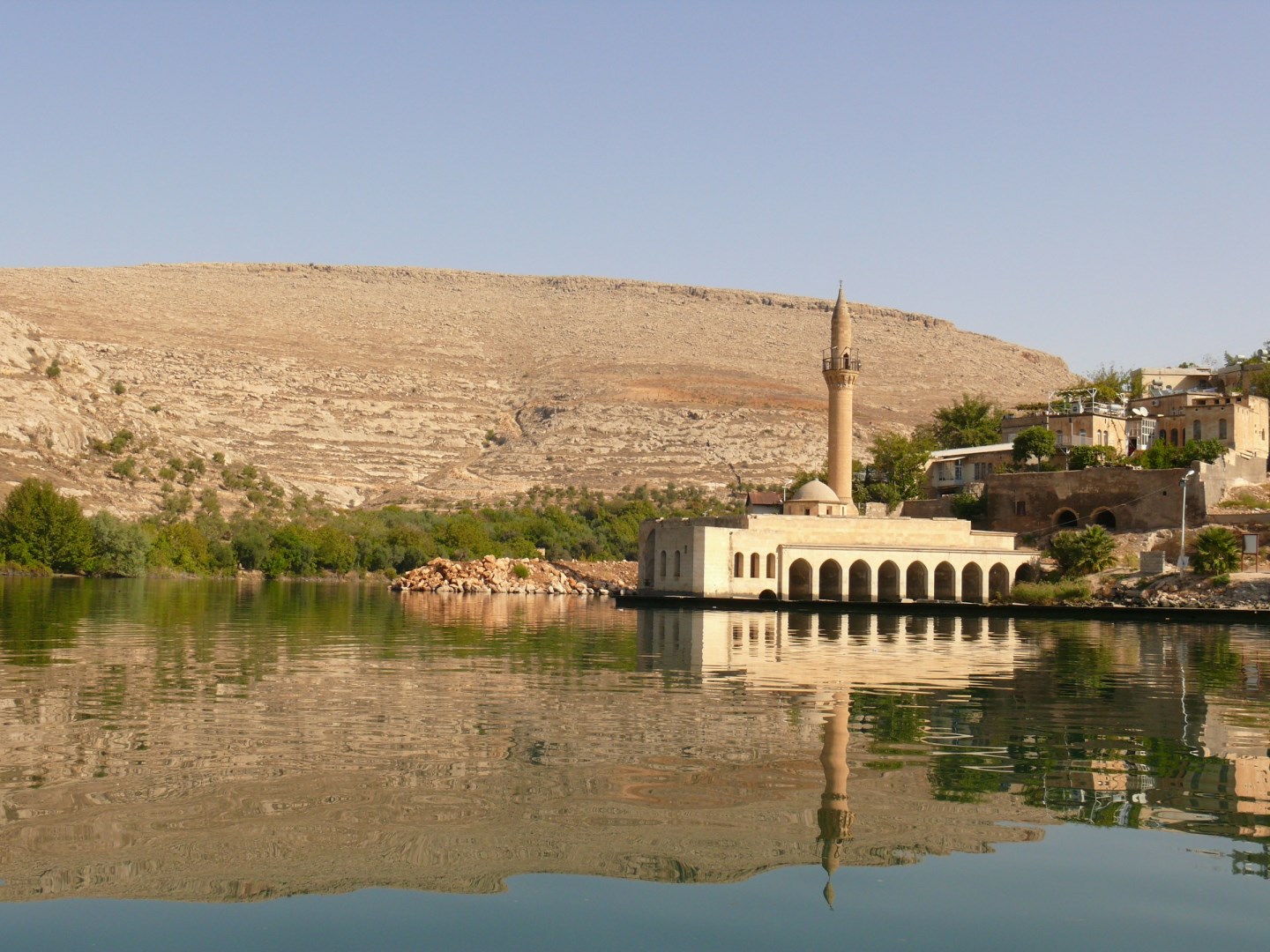
Urfa
Urfa proudly exhibits the legacy of all civilizations that have prospered in this region. In the second millenium B.C., it was a city of a Hurrite state. Tradition relates that Abraham was born in a cave near the area where the Mevlid Mosque now stands.
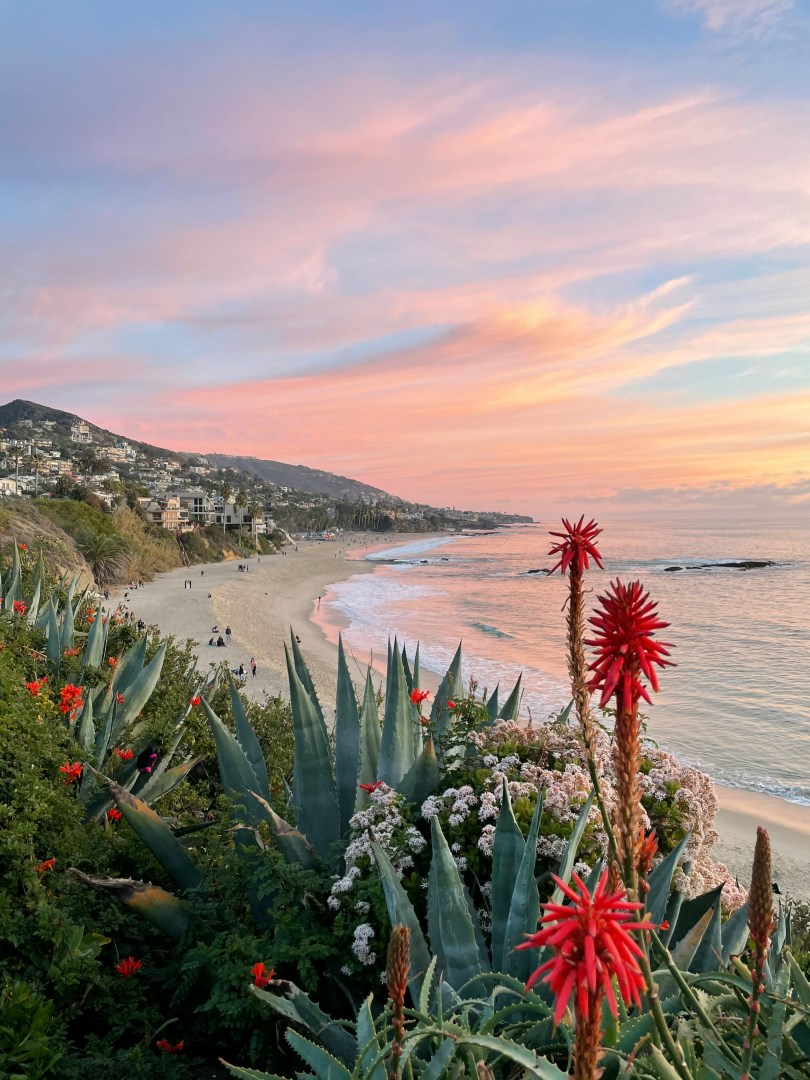
Laguna Beach
Laguna Beach is a coastal city in Southern California, set between steep hills and the Pacific Ocean in Orange County. Its shoreline is marked by sandy coves, rocky headlands, sea caves, tide pools, and coastal cliffs, while the surrounding hills contain chaparral and protected open spaces. The city has a compact downtown with galleries, restaurants, shops, and small public spaces close to the water. Unlike much of the more heavily developed Orange County coast, Laguna Beach retains numerous und
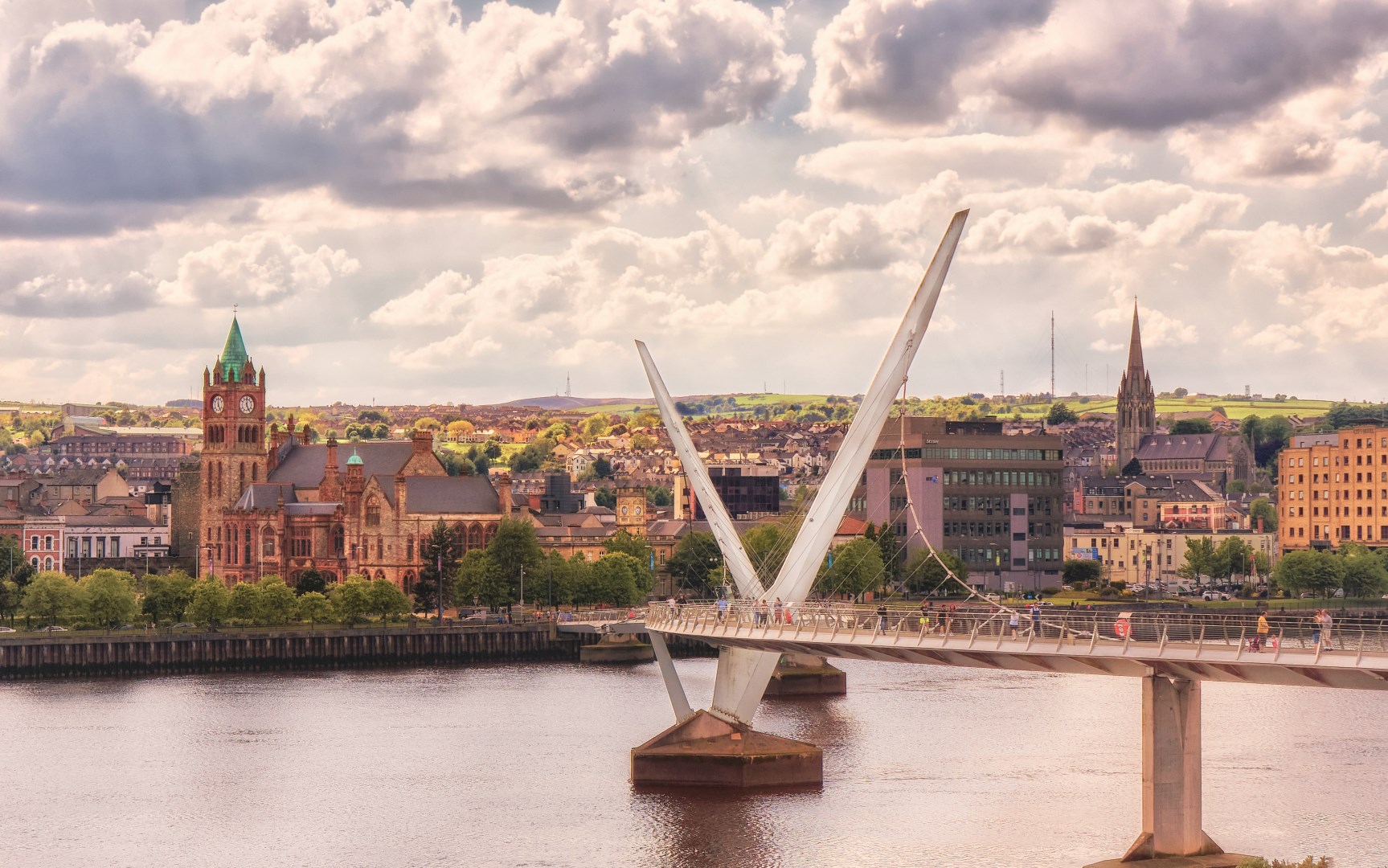
Derry
Derry stands on the banks of the River Foyle in Northern Ireland and is known for its intact seventeenth-century city walls, steep streets, and strong local identity.
