

Guernsey
Guernsey, the second-largest of the Channel Islands, blends coastal landscapes with a deep-rooted history shaped by centuries of outside influence. Though located closer to France than to mainland Britain, Guernsey is a British Crown Dependency with its own government and a distinct identity. The capital, St Peter Port, is a hillside town overlooking a natural harbor, where visitors can explore narrow lanes, stone stairways, and 18th-century buildings.
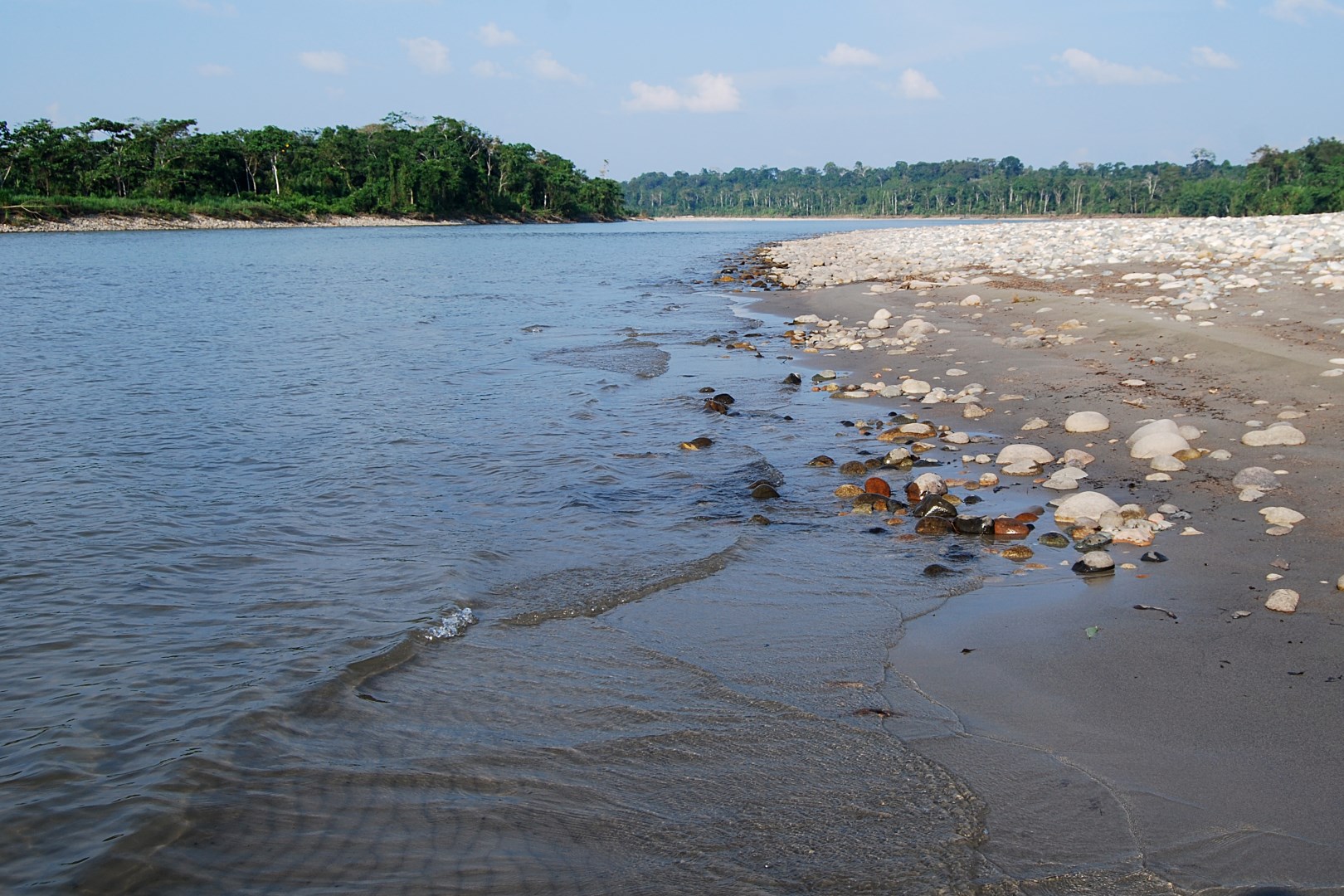
Napo River
A tributary of the Amazon, the Napo River (Río Napo) originates in the east Andes mountains. It flows east through Ecuador, then southeast into Peru, where it joins the larger river roughly 50 miles downstream from Iquitos.

Kakadu National Park
Kakadu National Park, a UNESCO World Heritage site located in Australia’s Northern Territory, is a breathtaking destination that offers an unparalleled blend of natural beauty, ancient cultural heritage, and thrilling adventure. Visitors can explore a rich tapestry of landscapes, from rugged escarpments and floodplains teeming with wildlife to serene waterfalls and billabongs that capture the essence of Australia’s Top End.
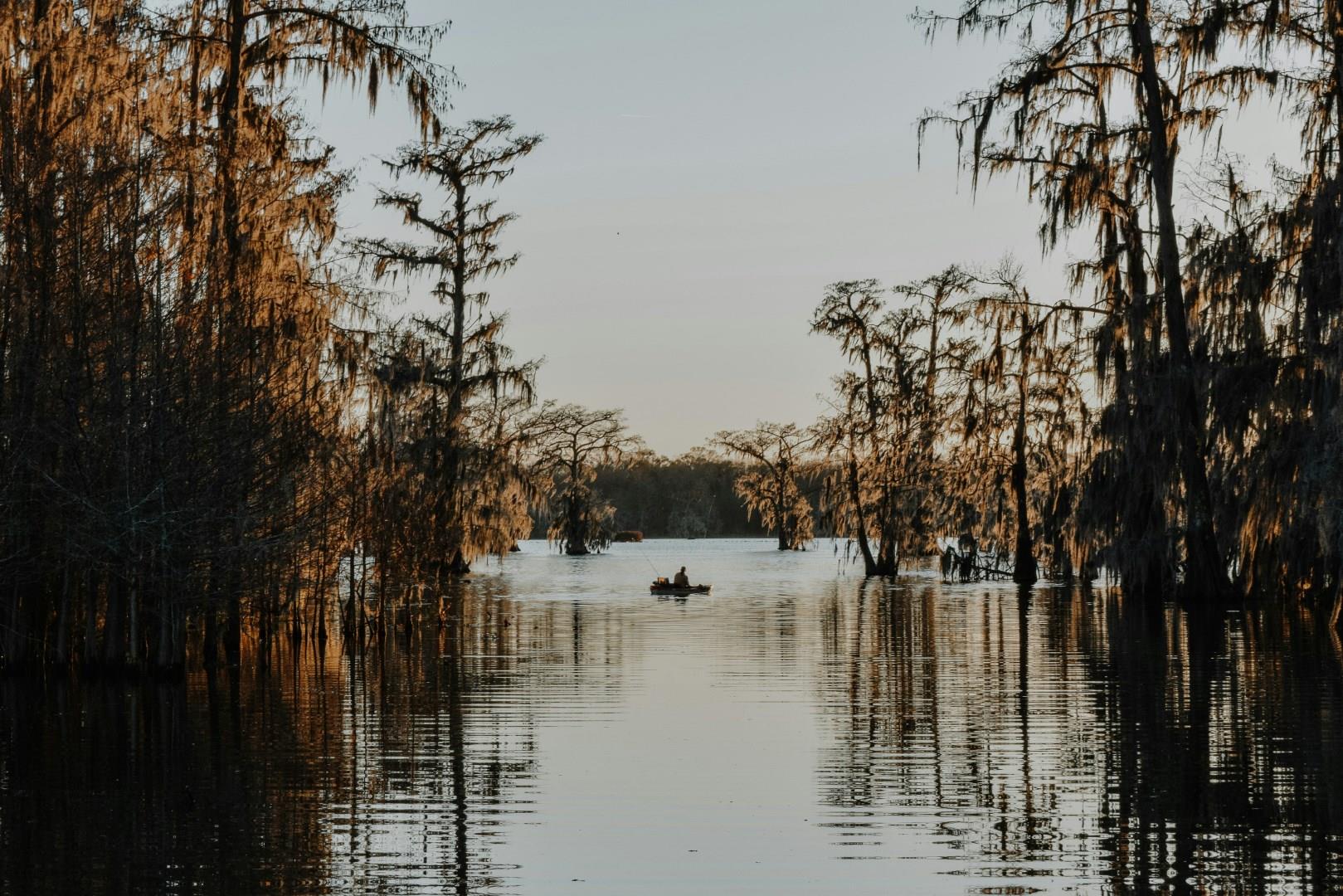
Lafayette
Lafayette is often called the heart of Cajun country for good reason. This vibrant city blends French-speaking roots with bold music, rich storytelling, and a culture that doesn’t just celebrate life but dances through it. Originally settled by Acadians expelled from Canada in the 1700s, Lafayette has grown into a lively hub where traditions are preserved and passed down through generations.
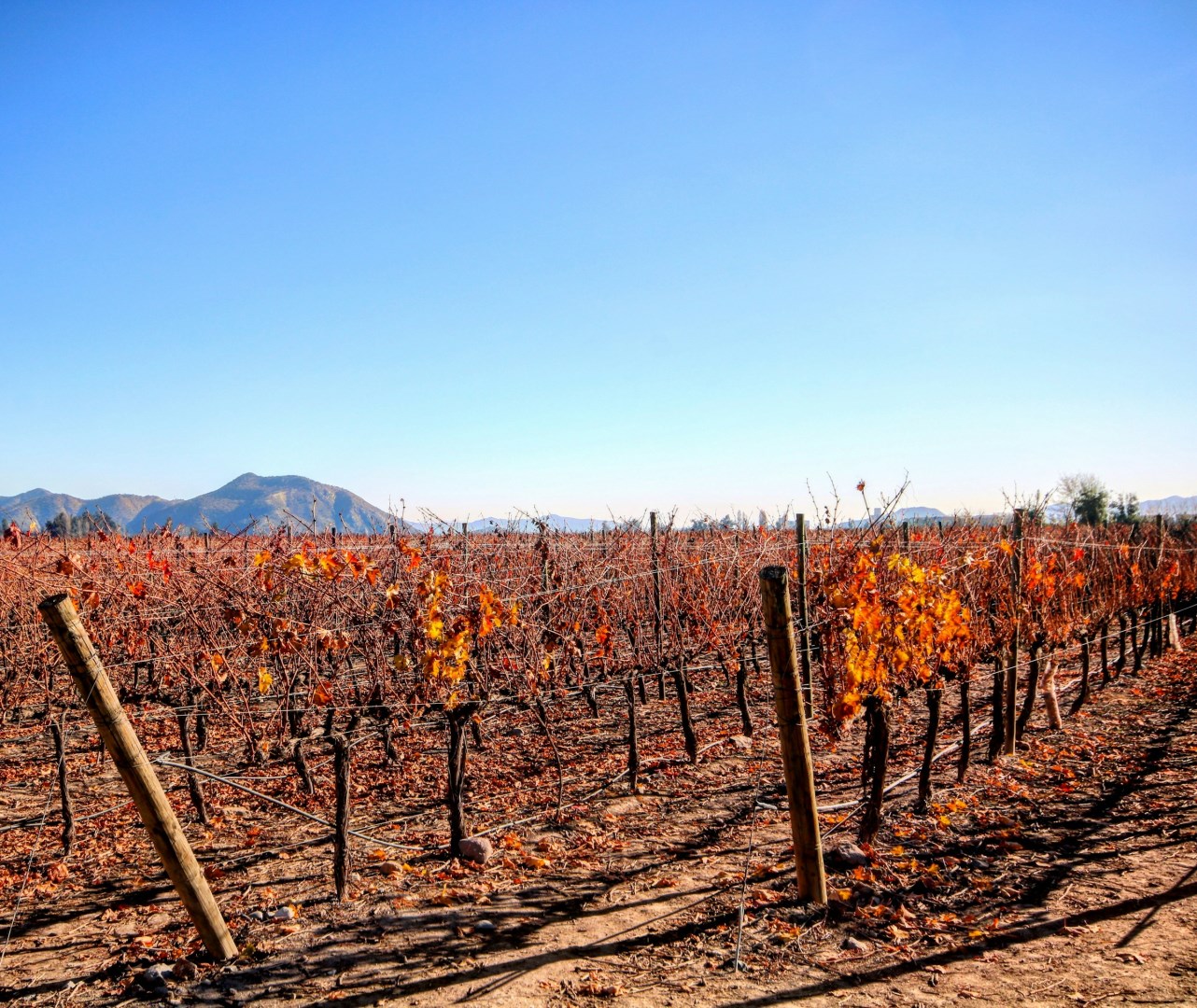
Chile
Stretching over 4,200 kilometers along the southwestern coast of South America, Chile is a country of dramatic contrasts and hidden surprises. From the world’s driest desert in the north to the icy fjords of Patagonia in the south, Chile offers a landscape that constantly reinvents itself. Visitors can walk through the Atacama Desert, where NASA tests Mars rovers, or gaze at the clearest night skies on Earth from the high-altitude observatories near San Pedro de Atacama.
