
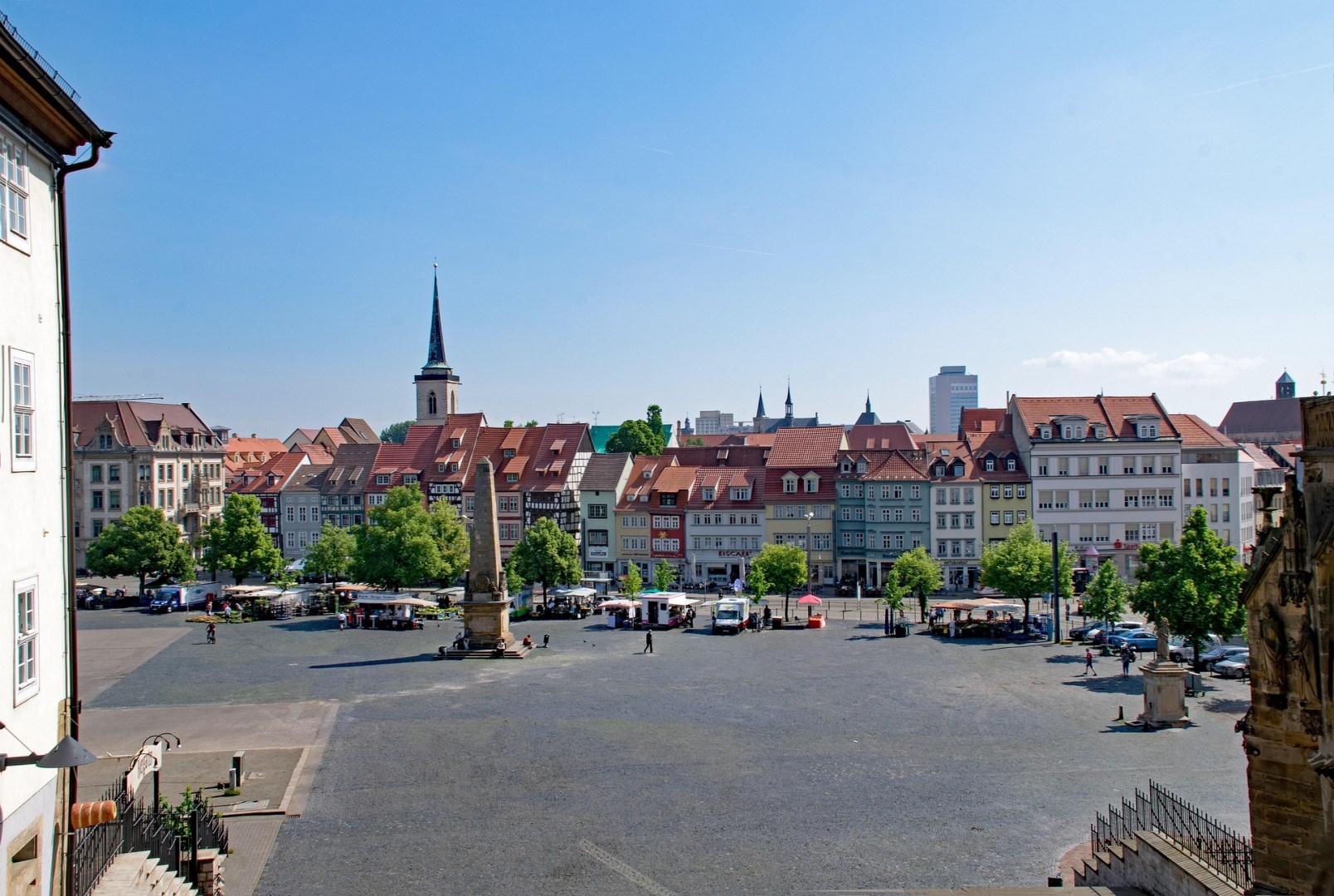
Erfurt
The skyline of Erfurt is shaped by dozens of churches, monasteries, and convents thrusting their pointed steeples upward to the sky. In the Middle Ages, Erfurt was known as "Thuringian Rome" because of its religious orders. The impressive twin churches on the Domberg (Cathedral Hill), the Roman Catholic St. Mary's Cathedral (14th century) and the Roman Catholic Parish church St. Severus with a flight of 70 outdoor steps leading from the Cathedral Square up the hill to the churches.
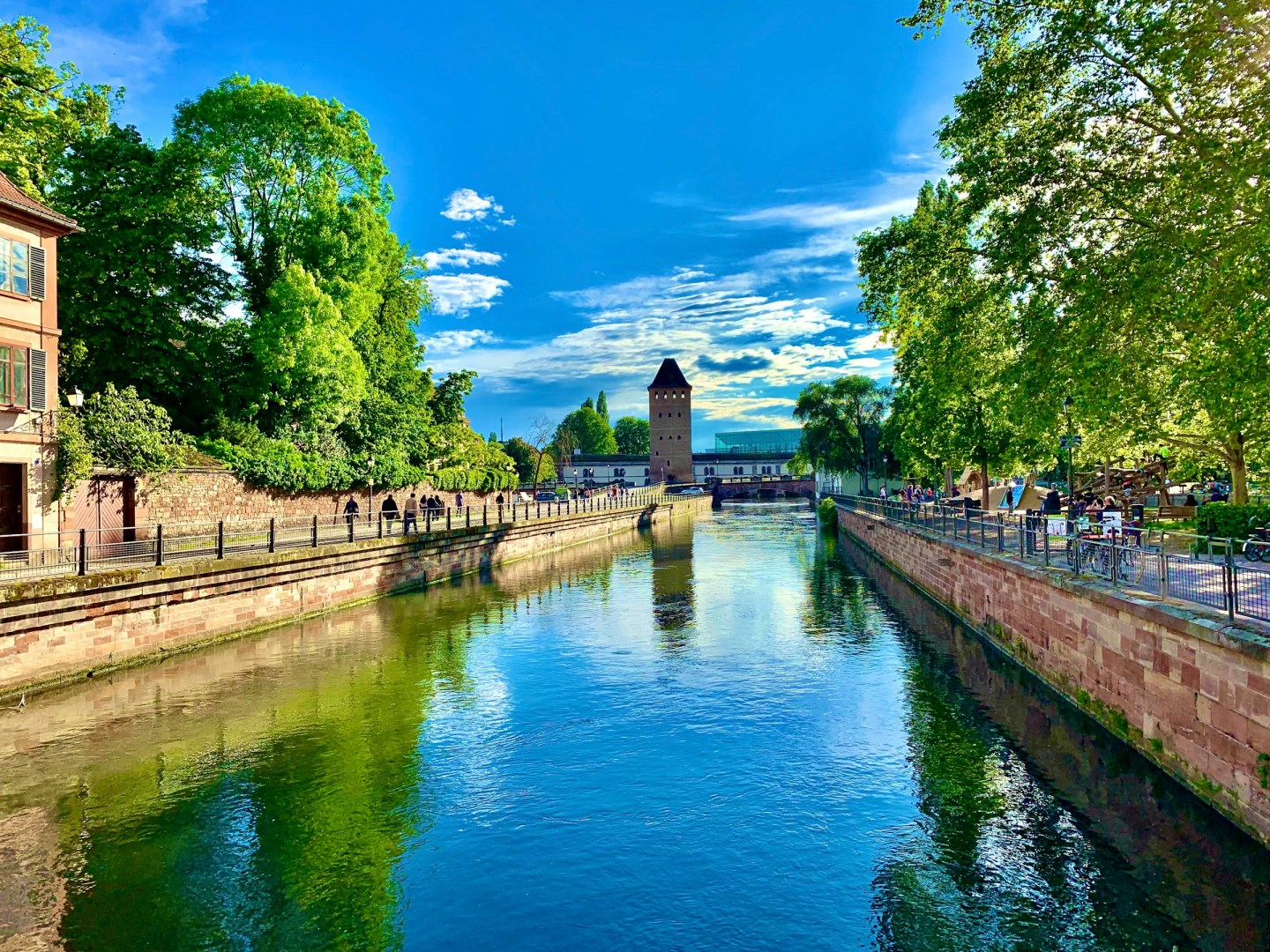
Strasbourg
This vibrant and picturesque city sits near the German border and is the 2nd most popular tourist city in France. Its historic city center is classified a World Heritage Site by UNESCO, and the Stasbourg Cathedral is one of the finest examples of Rayonnant Gothic architecture.

Veere
Once a big, bustling sea port for the Scottish wool trade and known as Kampvere, Veere is now a small village whose economy mainly relies on tourism. A major point of interest for visitors is the Campveerse Toren (Campvere Tower), built as part of the city defenses around 1500 and now serving as one of the oldest inns in the Netherlands
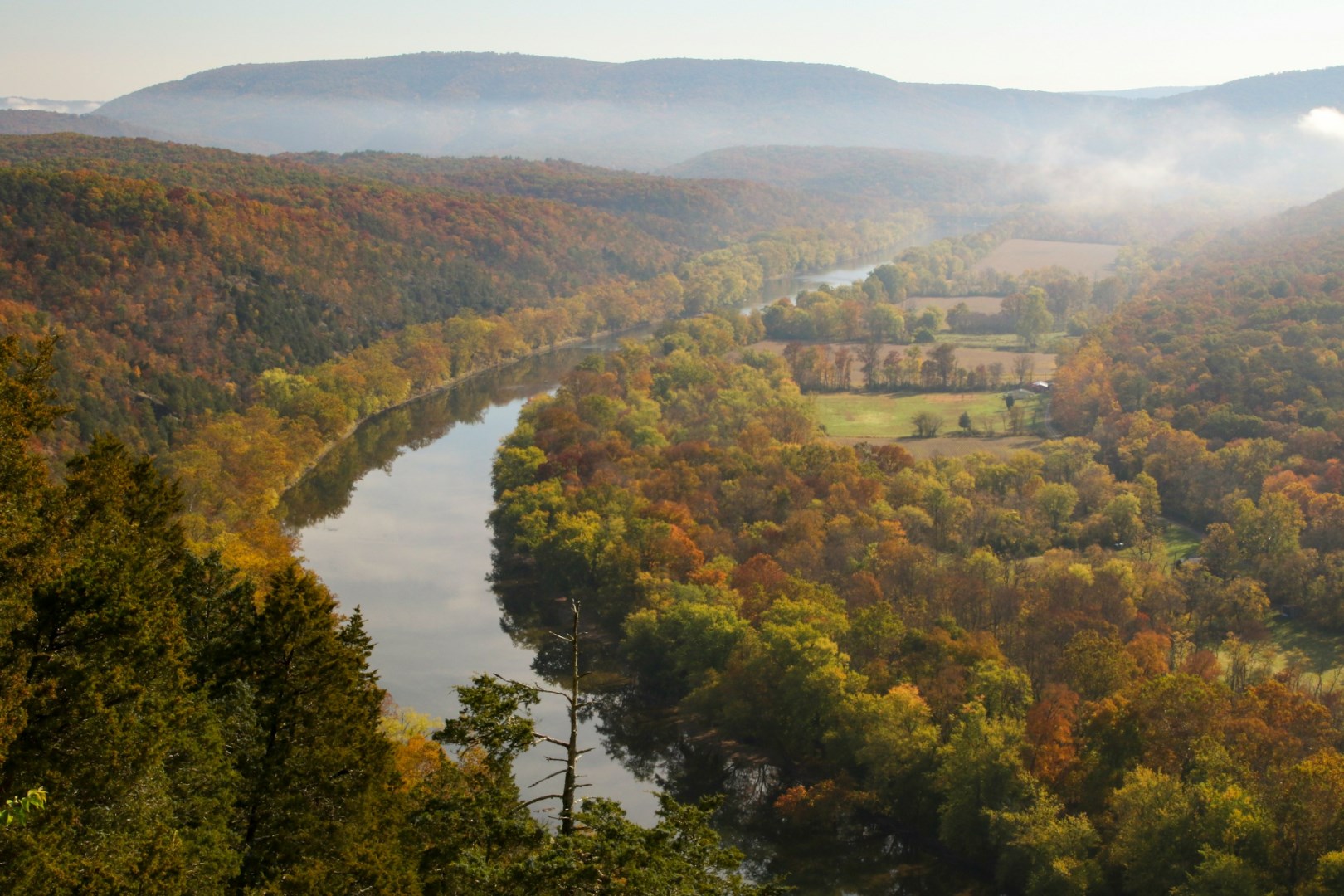
Maryland
Maryland, a state rich in history and natural beauty, offers a diverse array of experiences for visitors. The city of Baltimore, with its vibrant Inner Harbor, serves as a cultural hub. The National Aquarium, featuring marine life from around the globe, is a highlight, while the nearby National Great Blacks in Wax Museum offers a profound look into African American history.

Silistra
Silistra, a charming city located on the southern bank of the lower Danube River in Bulgaria, is a hidden gem that seamlessly blends ancient history with natural beauty. Founded by the Romans as Durostorum, Silistra is one of Bulgaria’s oldest cities, offering a wealth of historical sites that transport visitors back to the Roman Empire. The Silistra Roman Tomb, with its well-preserved frescoes, stands as a testament to the city’s rich past and is a must-visit for history enthusiasts.
