

Bhutan
Bhutan, often called the “Land of the Thunder Dragon,” is a Himalayan kingdom known for its dramatic landscapes and deeply rooted traditions. Towering peaks, forested valleys, and winding rivers set the stage for a country that has long prioritized harmony between nature and culture.
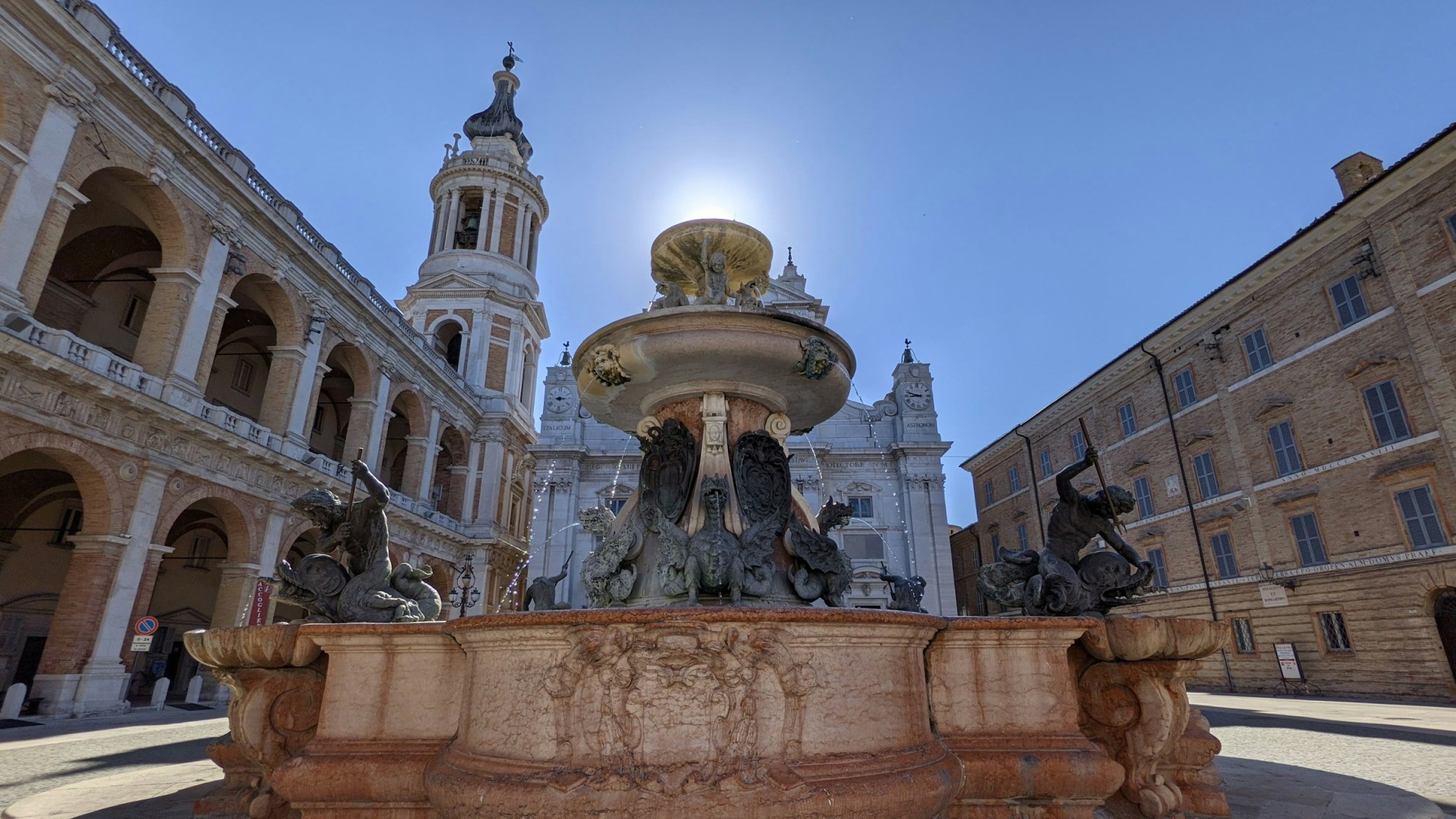
Loreto
High on a hill, dominating the sea, Loreto is a small city that lives solely for the "Santa Casa", one of the most famous and revered monuments of Christianity. According to tradition, it was the Virgin Mary's birth house, which up until that time was kept intact and venerated in Palestine, then flown by angels from Nazareth to the Adriatic Coast and set on a green hill of laurels on the night of December 10, 1294; hence the name Loreto.
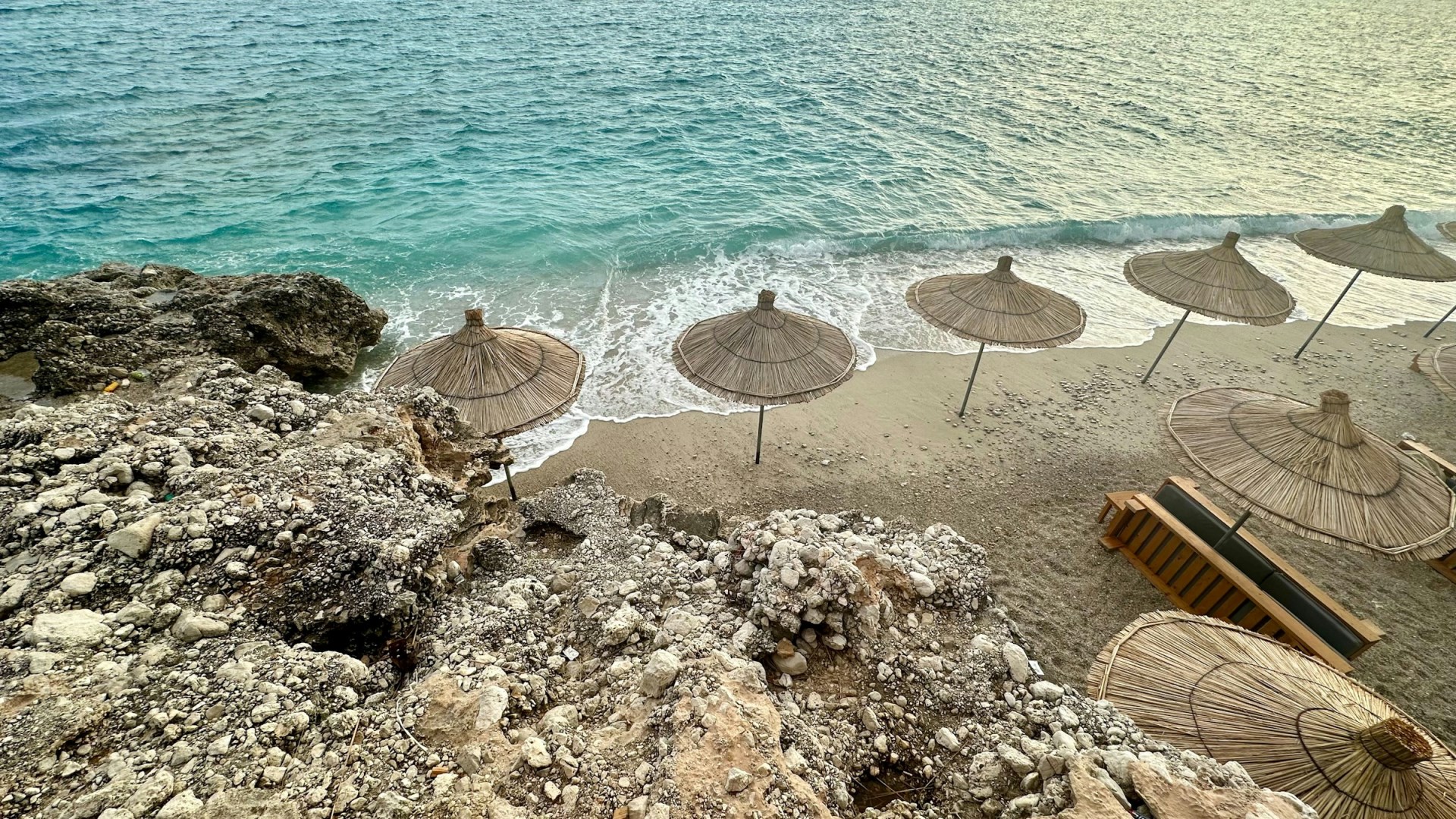
Himarë
Himare is a coastal town in southern Albania, set along the Ionian Sea between steep mountains and a series of beaches, coves, and rocky headlands. The town is part of the Albanian Riviera and combines a modern waterfront with the older settlement of Himara on a hill above the coast. Olive and citrus trees grow across the surrounding slopes, while the sea shapes much of daily life and local recreation.
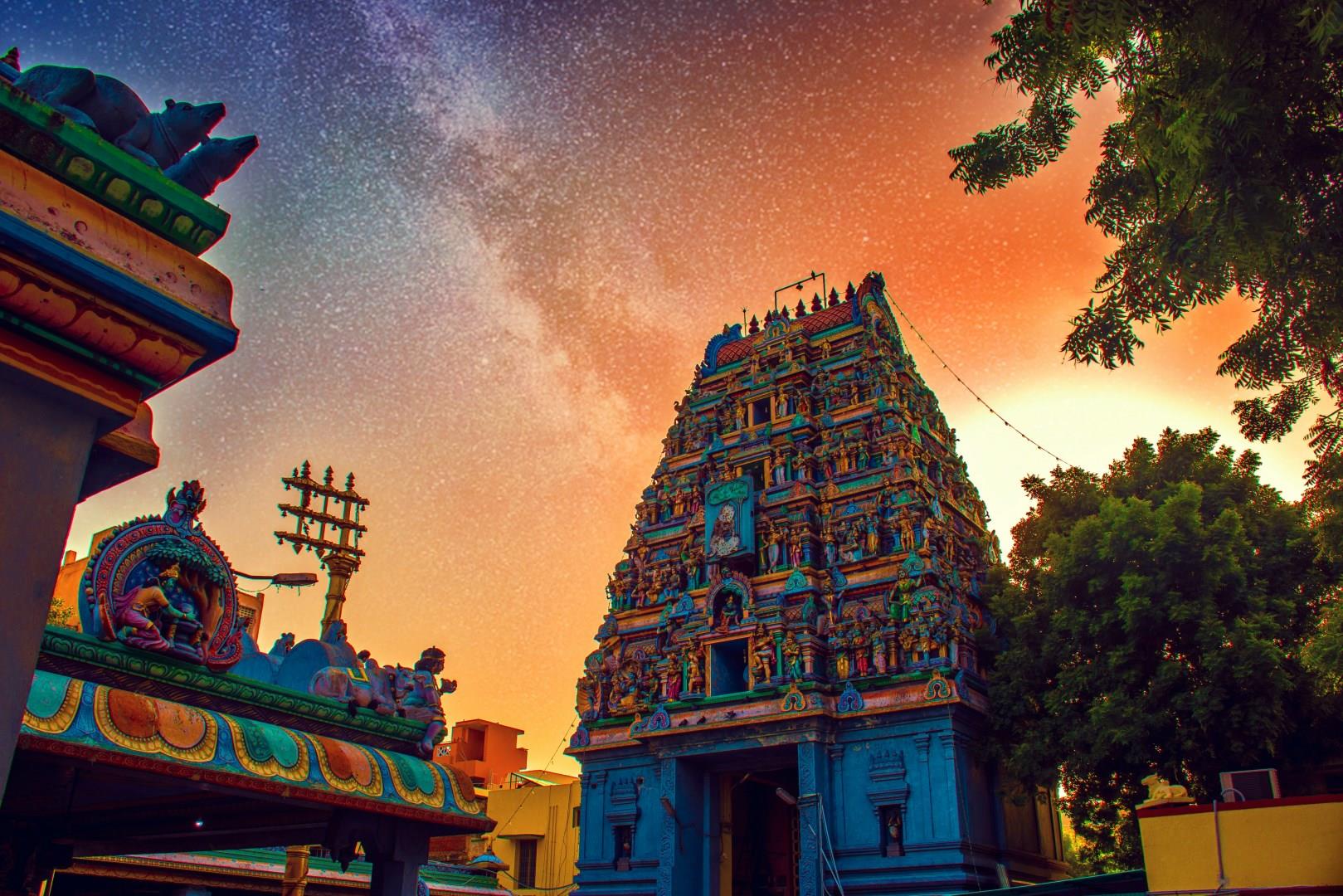
Chennai
Chennai, the capital of Tamil Nadu, is one of India’s oldest continuously inhabited cities, where ancient temples stand alongside colonial-era architecture and modern skyscrapers. Originally known as Madras, the city grew around Fort St. George, built by the British East India Company in 1644. One of Chennai’s most well-known features is Marina Beach, which stretches for over 13 kilometers and is among the longest urban beaches in the world.
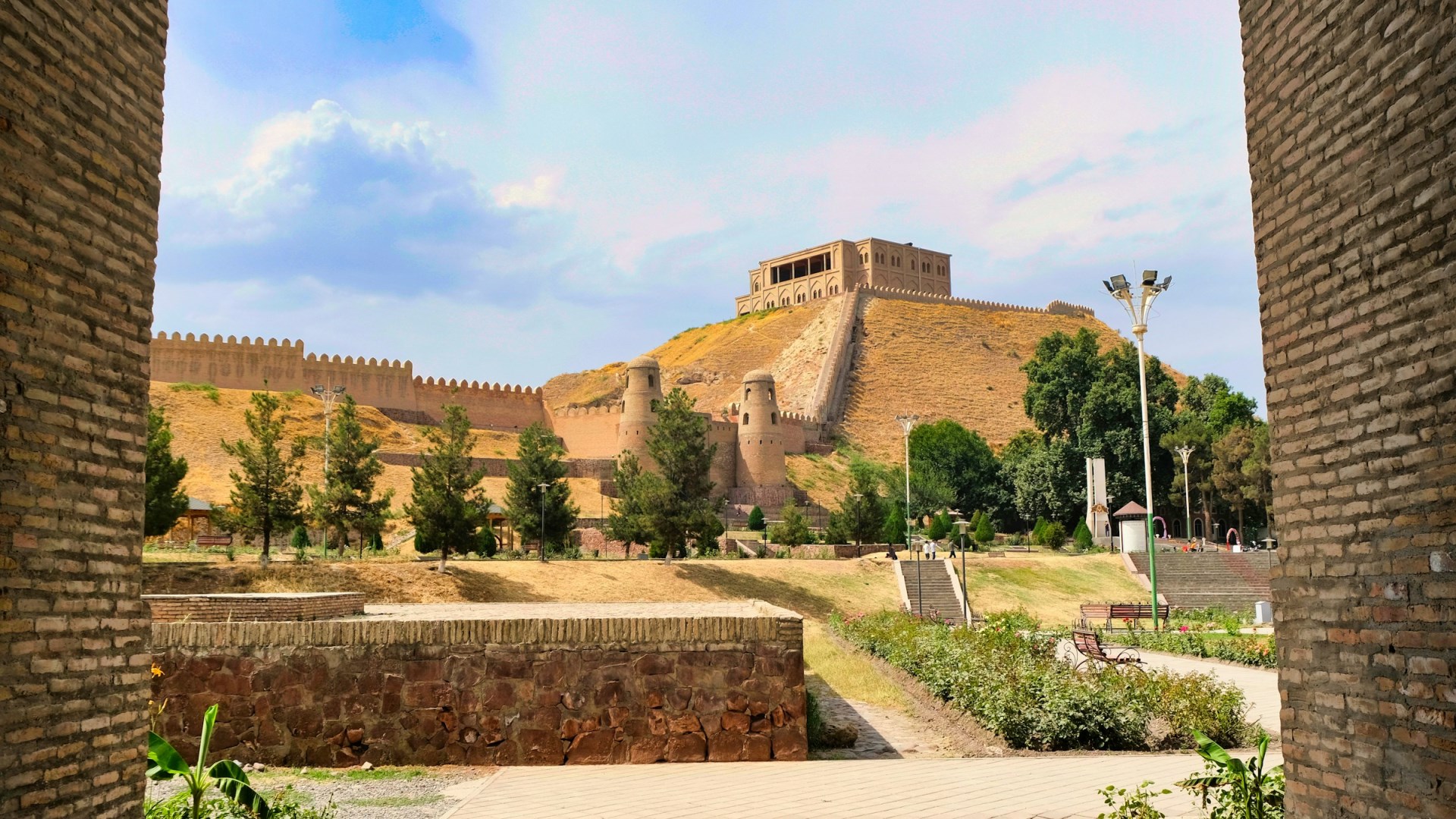
Hisor
Hisor is a historic city in western Tajikistan, located about 30 kilometers west of Dushanbe in the fertile Hisor Valley. The city lies between mountain ranges and is surrounded by agricultural land, rivers, orchards, and settlements that give the valley a distinctly rural character.
