

Isle of Man
The Isle of Man, nestled in the Irish Sea between Great Britain and Ireland, offers visitors a blend of rich history and distinctive culture. Known for its ancient Celtic and Viking roots, the island’s heritage can be explored through sites like Peel Castle, built on a rocky island in the harbor of Peel, and the ancient Manx museums scattered throughout.
Aït Ben Haddou
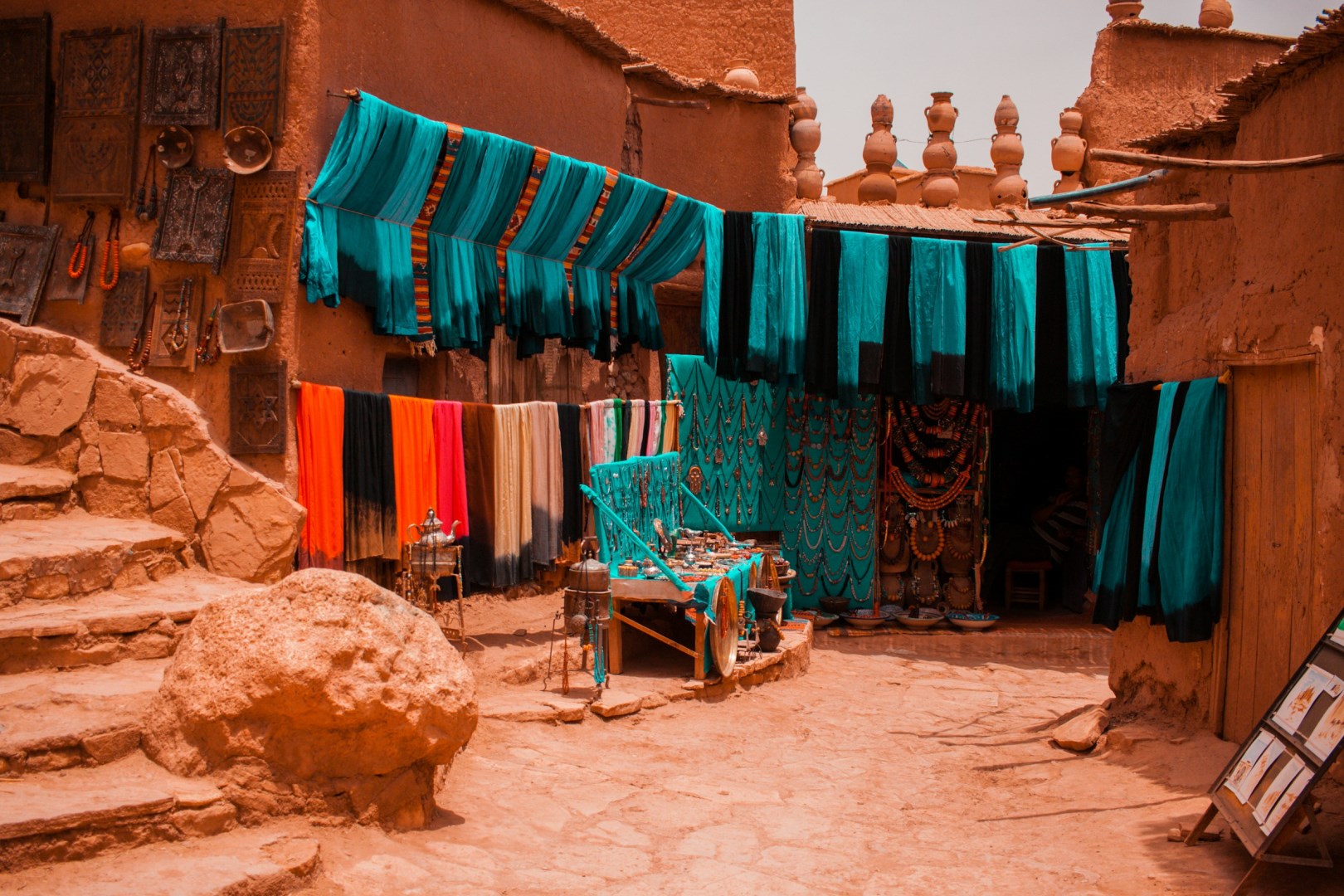
Aït Benhaddou, located in southern Morocco along the former caravan route between the Sahara and Marrakesh, is one of the country’s most iconic historic sites. This fortified village, or ksar, is recognized as a UNESCO World Heritage Site and is admired for its striking earthen clay architecture that rises dramatically from the desert landscape.
Blair Atholl
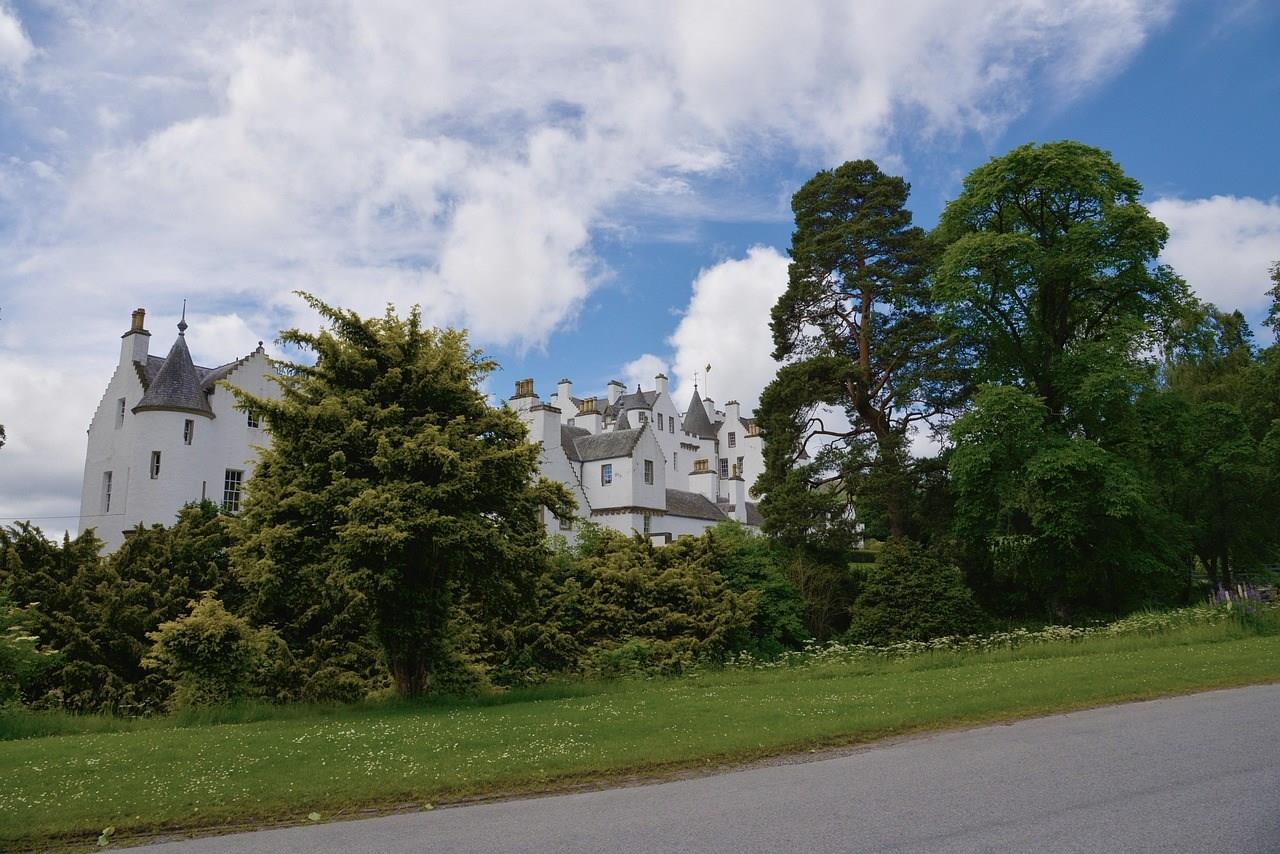
Blair Atholl, a village in the heart of Highland Perthshire, Scotland, is best known as the home of Blair Castle, a striking white-walled fortress that has stood for over seven centuries.

Norway
Norway offers a landscape shaped by glaciers, framed by fjords, and steeped in Viking history. The country's coastline stretches for over 100,000 kilometers if you count every inlet and island, which makes it one of the longest in the world. Travelers can take a ferry through the Geirangerfjord or cruise along the Lofoten Islands, where steep mountain peaks rise dramatically from the sea. These routes aren’t just scenic; they’ve been lifelines for coastal communities for centuries.

Kagoshima
Kagoshima, Japan offers a captivating blend of natural beauty, cultural heritage, and culinary delights. Nestled on the southwestern tip of Kyushu, this city is famously dominated by the imposing Sakurajima volcano, one of Japan’s most active volcanoes. Visitors can take a ferry to get up close to the volcano or view it from the Kagoshima City Viewpoint for breathtaking panoramic views.
