
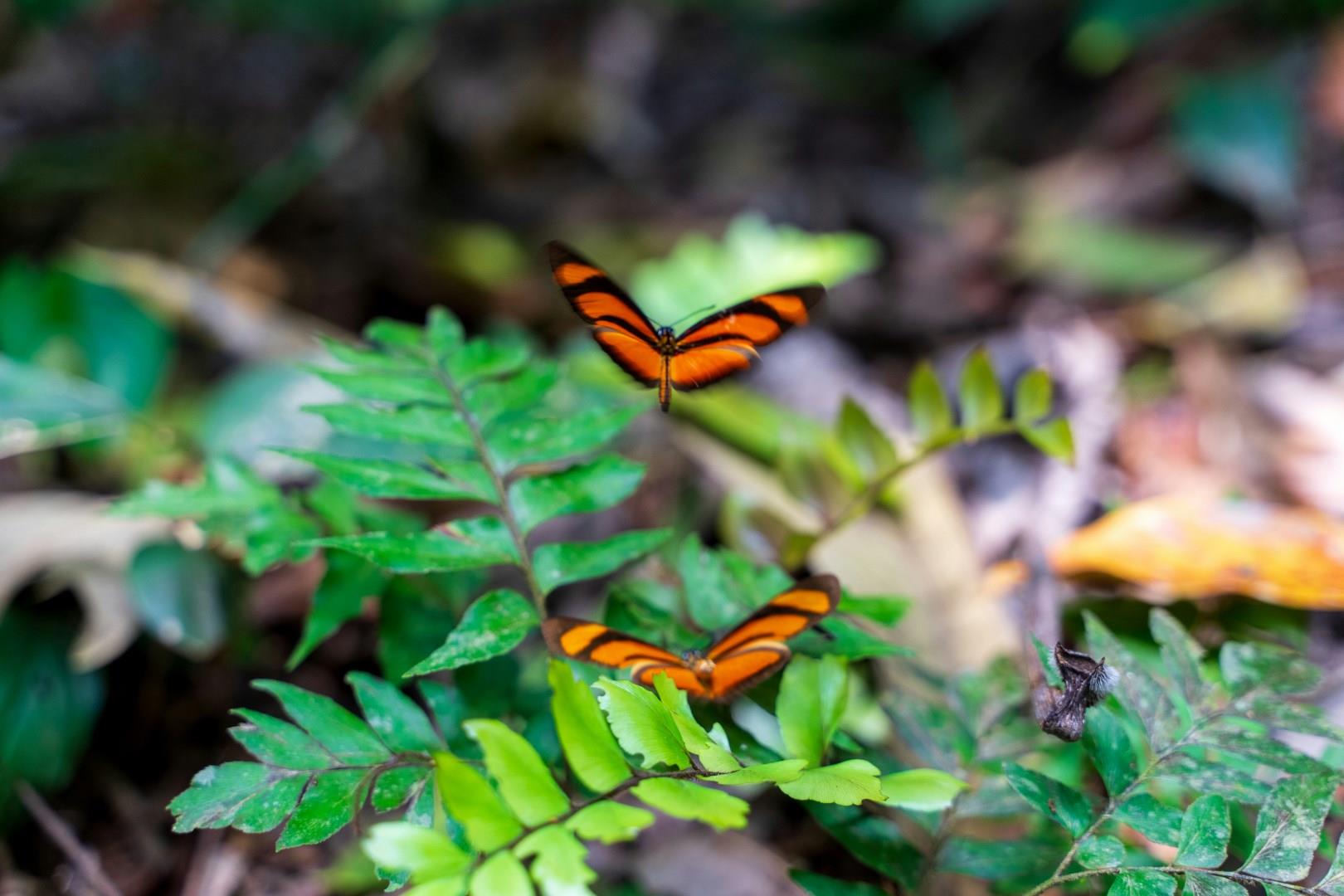
Tambopata
Located in the Madre de Dios region of southeastern Peru, Tambopata is a protected area where visitors can experience the Amazon rainforest in its rawest form. The Tambopata National Reserve spans over 270,000 hectares and is home to an estimated 1,200 butterfly species, 600 bird species, and hundreds of tree varieties. One of its most famous residents is the jaguar, though sightings are rare. More common encounters include red howler monkeys, capybaras, and giant river otters.

Stanley
Stanley, the charming capital of the Falkland Islands, offers an enchanting glimpse into life at the edge of the world. Located on East Falkland, this quaint town is known for its picturesque harbor and colorful Victorian architecture. The town's rich maritime history is evident at the Falkland Islands Museum, which displays fascinating exhibits about the islands' past.
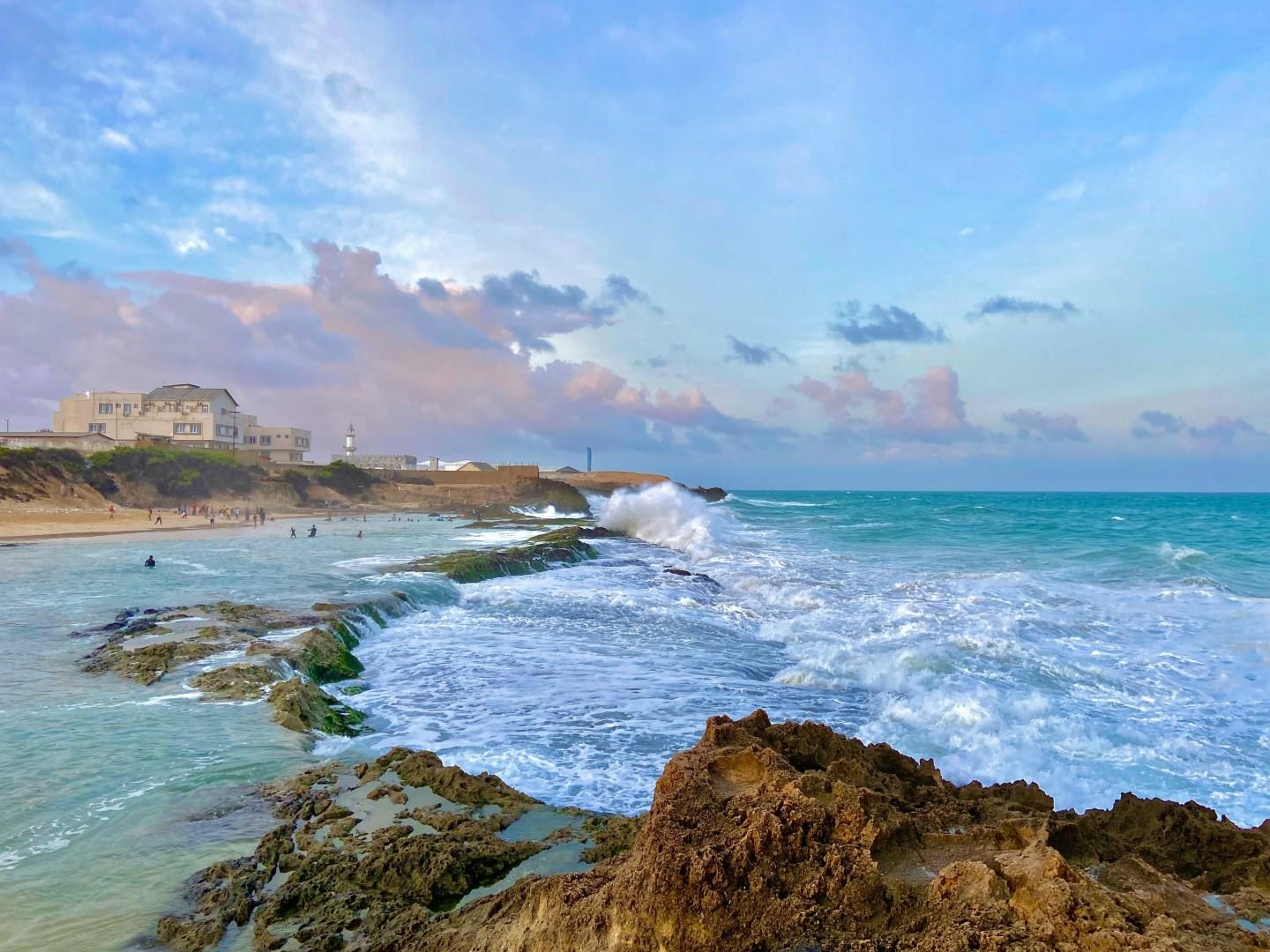
Somalia
Somalia, located on the Horn of Africa, is a land defined by its coastline, culture, and long history as a crossroads of trade. With the Indian Ocean and Gulf of Aden shaping much of its identity, Somalia has one of the longest coastlines in Africa, stretching over 1,800 miles.

Mâcon
Mâcon is a riverside town in the Saône et Loire department of southern Burgundy, set where the Saône River curves gently through the countryside. Walking through the town naturally leads visitors from the riverfront toward its historic streets, where the past seems to linger in every corner. In the heart of Mâcon’s historic district, pedestrians find streets lined with notable sites.
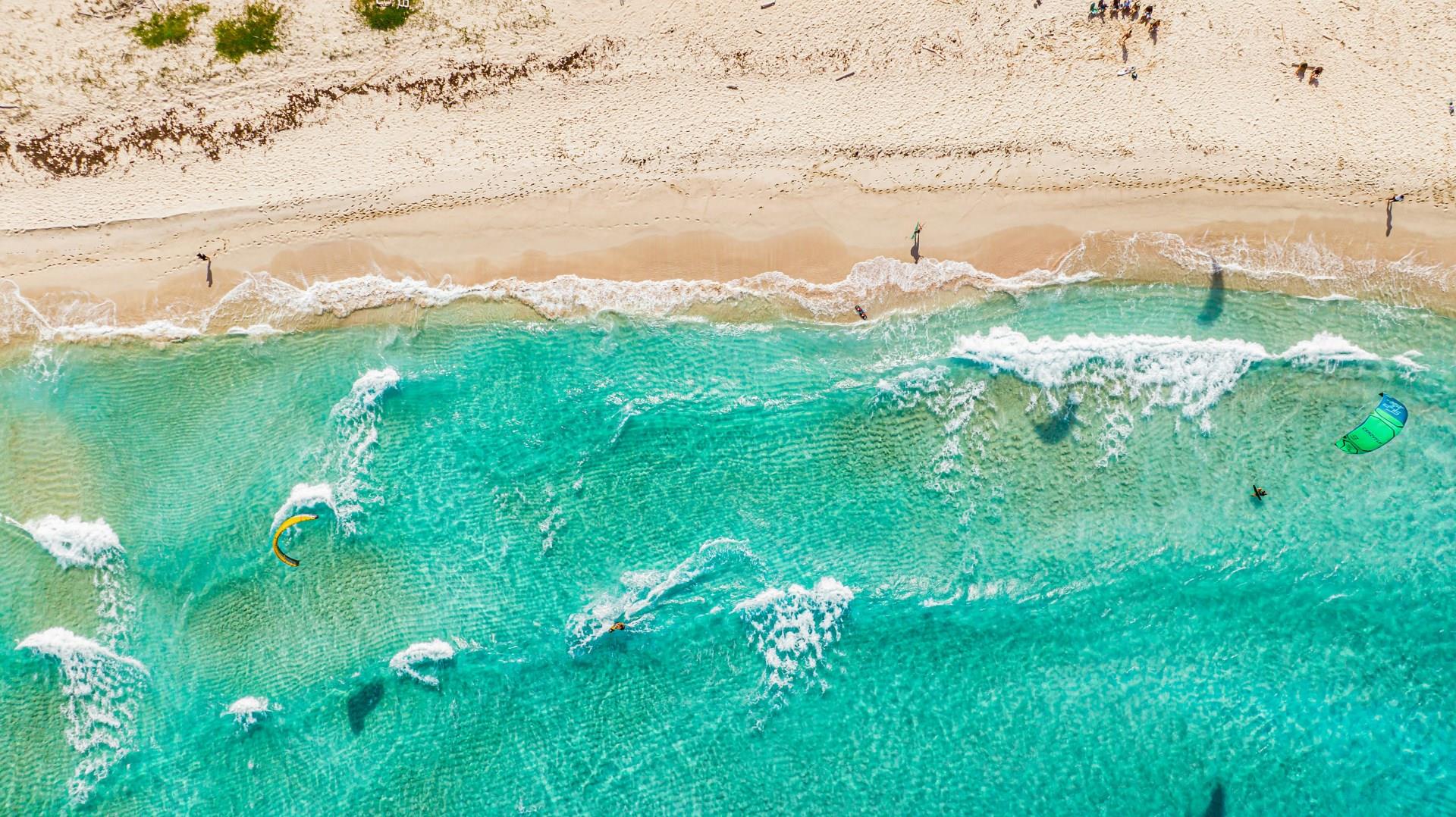
San Nicolas
San Nicolas, known as Aruba’s “Sunrise City,” offers a completely different vibe from the island’s resort-heavy northwest coast. Located at the southeastern tip, this former oil refinery town has reinvented itself as the cultural heart of Aruba, filled with vibrant street art, local galleries, and a strong sense of community.
