
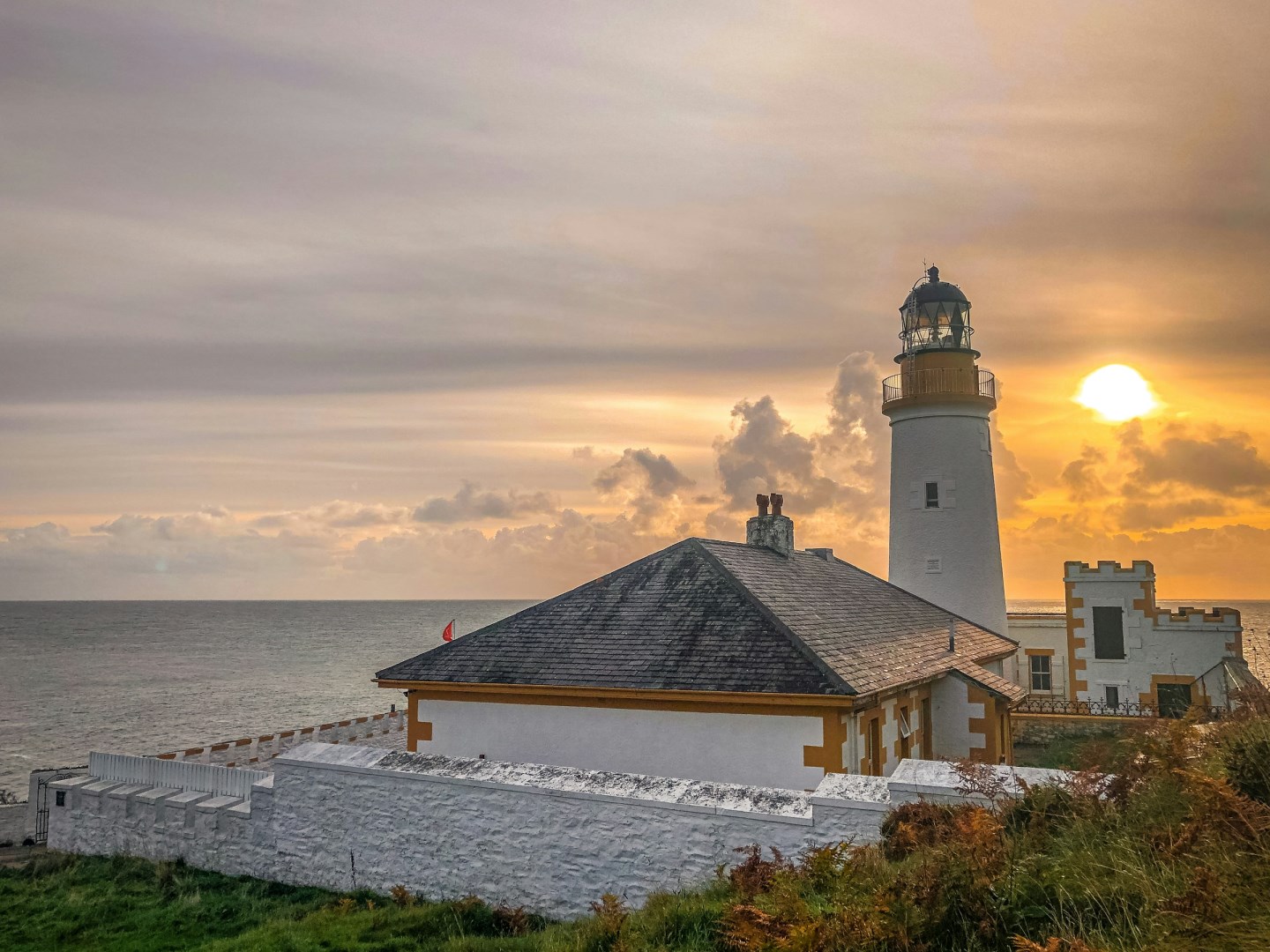
Douglas
Douglas is the capital of the Isle of Man, occupying a broad bay on the island’s eastern coast and serving as its main commercial, cultural, and transport center. The town developed around a natural harbor and remains closely connected to the sea, with the Douglas Sea Terminal handling ferry services and other vessels.

Istanbul
Istanbul is a city built on layers of empire. Spanning two continents, it was once the capital of three major empires: Roman, Byzantine, and Ottoman. Visitors walking through the Sultanahmet district can witness this timeline firsthand, from the Roman-era Hippodrome to the Byzantine mosaics of Hagia Sophia, and the towering minarets of the Blue Mosque. At nearby Topkapi Palace, rooms still display the jeweled swords, ceremonial robes, and handwritten Qurans once used by Ottoman sultans.

Amalfi
Amalfi, Italy, is a gem nestled along the world-famous Amalfi Coast, where dramatic cliffs meet the shimmering Mediterranean Sea. This enchanting town, once a powerful maritime republic, is now a beloved destination for those seeking a blend of history, culture, and breathtaking natural beauty. The heart of Amalfi is its bustling Piazza del Duomo, dominated by the stunning Amalfi Cathedral.
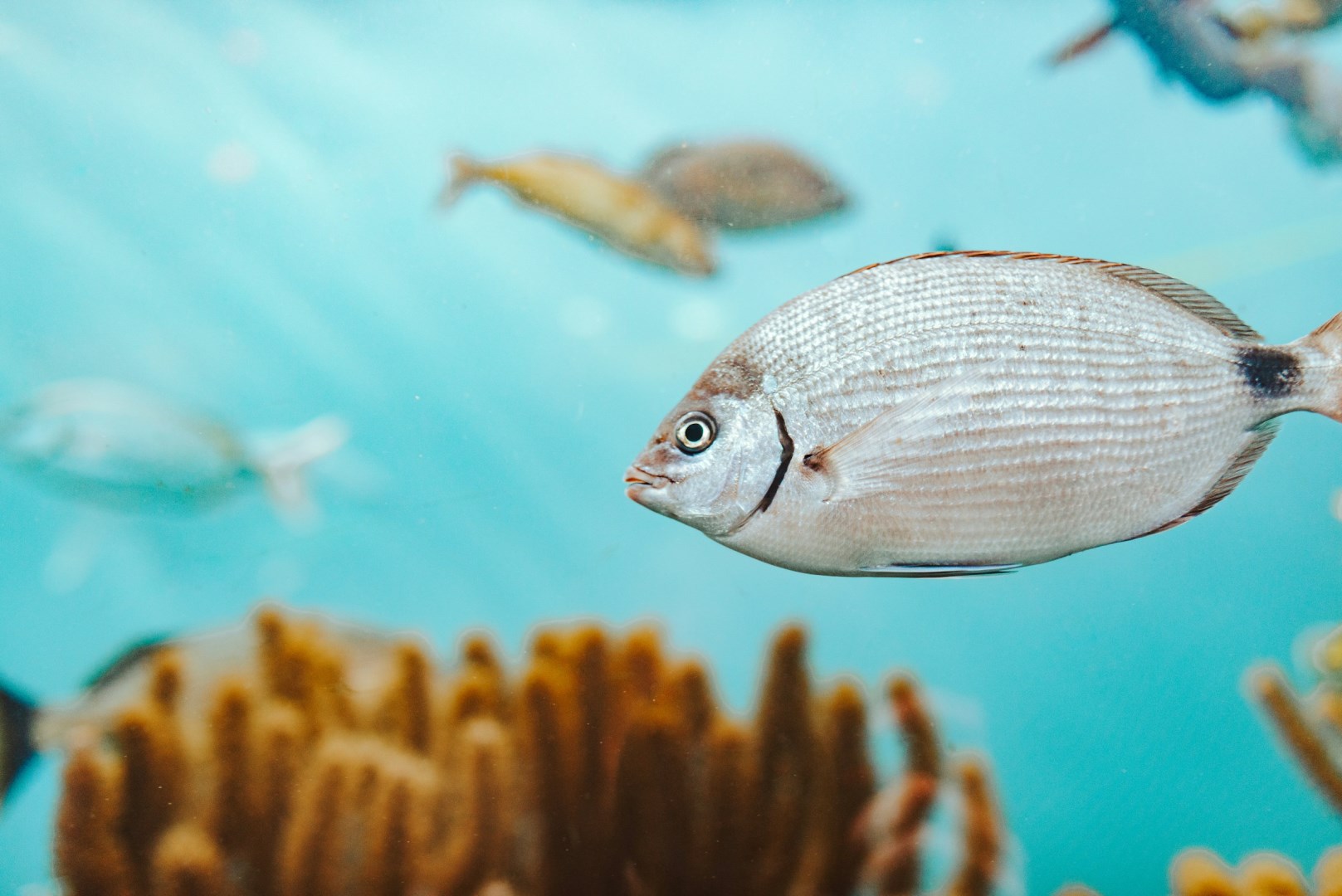
Flatts
Flatts is a small historic village on Bermuda’s North Shore, centered around Flatt’s Inlet, a narrow waterway connecting Harrington Sound with the Atlantic Ocean. The village is known for its colourful houses, waterfront setting, small docks, and views across the sheltered inlet. Its compact layout gives it a distinctly maritime character, with boats moving through the channel and restaurants and shops gathered close to the water.
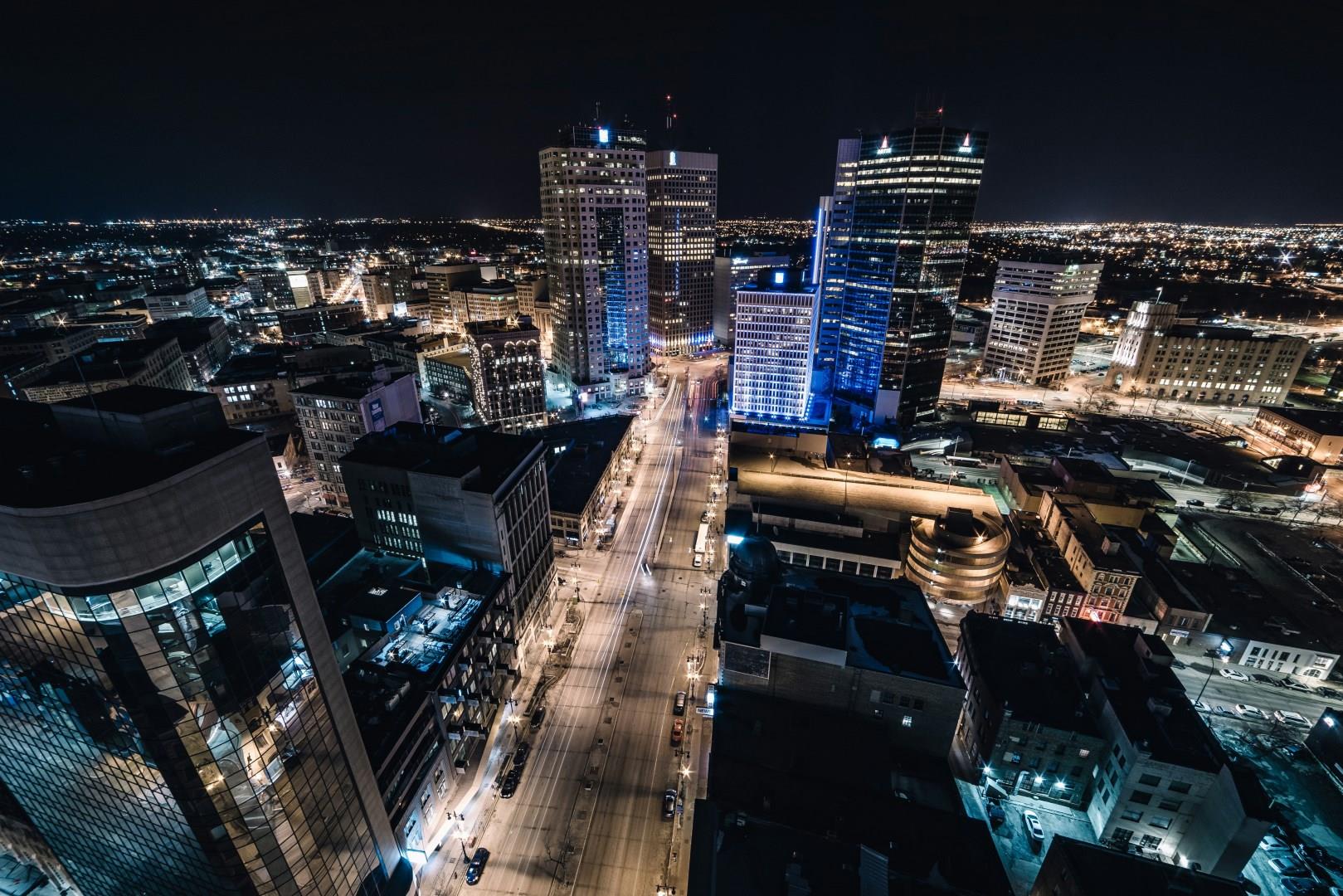
Winnipeg
Winnipeg sits at the meeting point of the Red and Assiniboine rivers, a location that has shaped its role as a gathering place for thousands of years. Long before it became a modern city, the area was central to Indigenous trade networks, a legacy that remains visible today through institutions like The Forks and the Canadian Museum for Human Rights.
