
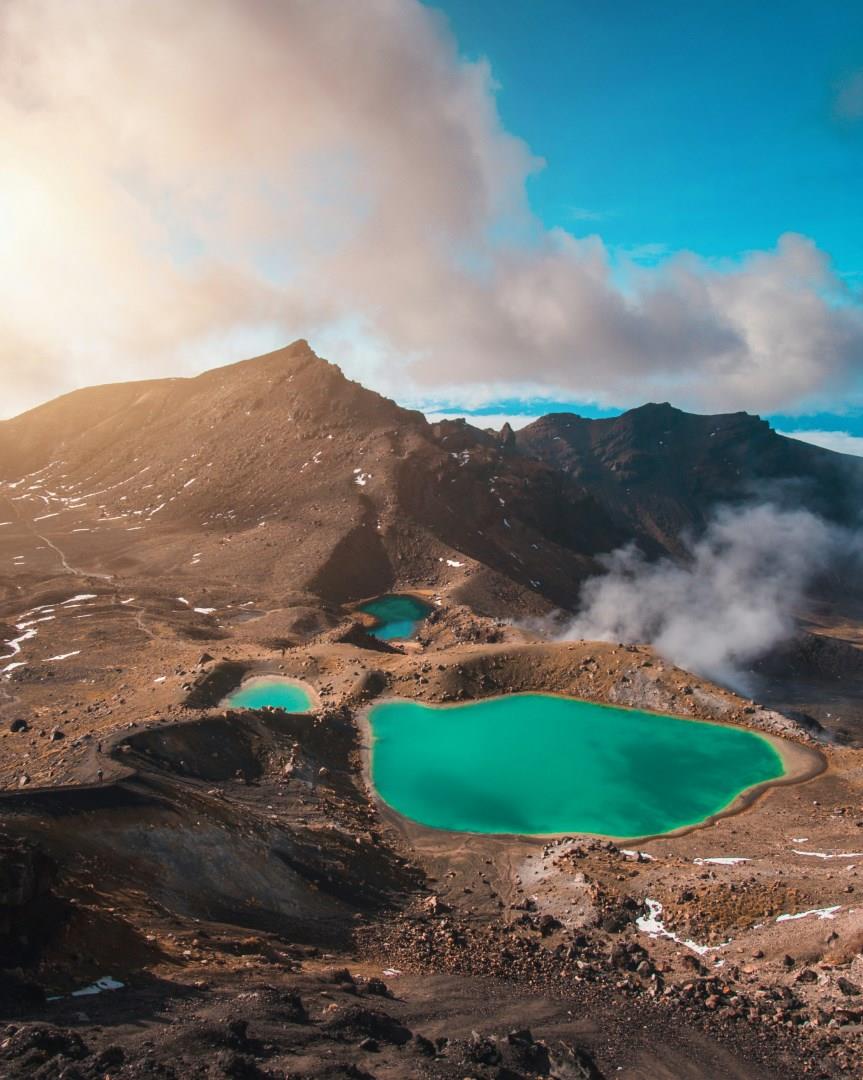
Tongariro National Park
Tongariro National Park, on New Zealand’s North Island, holds deep cultural meaning as well as striking geological presence. It was the country’s first national park, gifted to the nation by Ngāti Tūwharetoa chiefs in the 19th century, establishing a model that tied conservation to Māori guardianship. The volcanic peaks of Tongariro, Ngāuruhoe, and Ruapehu are considered ancestors, giving the landscape a living cultural identity rather than a purely scenic one.
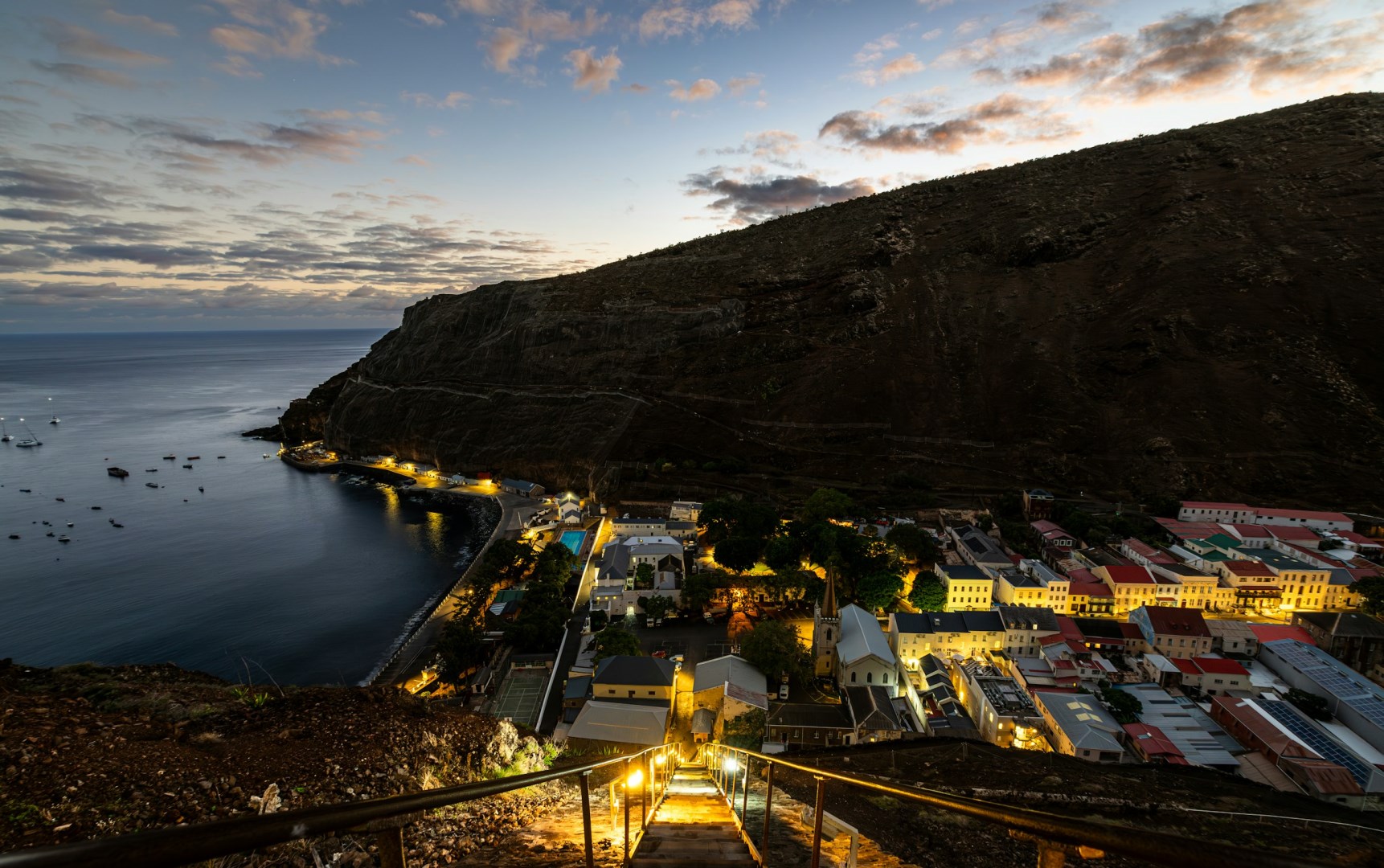
Jamestown
Jamestown is the capital and main settlement of St. Helena, a remote British Overseas Territory in the South Atlantic. The town lies in a narrow valley opening onto the sea, with steep volcanic cliffs rising on both sides and historic buildings lining the main streets. Its compact centre contains many surviving structures associated with the island’s East India Company heritage, reflecting Jamestown’s former role as an important mid-Atlantic port.

Chobe National Park
Chobe National Park, located in the far northeastern corner of Botswana, is a haven for wildlife enthusiasts and one of Africa's premier safari destinations. Known for its immense elephant population—estimated at over 120,000—the park offers an unparalleled opportunity to witness these majestic creatures in their natural habitat
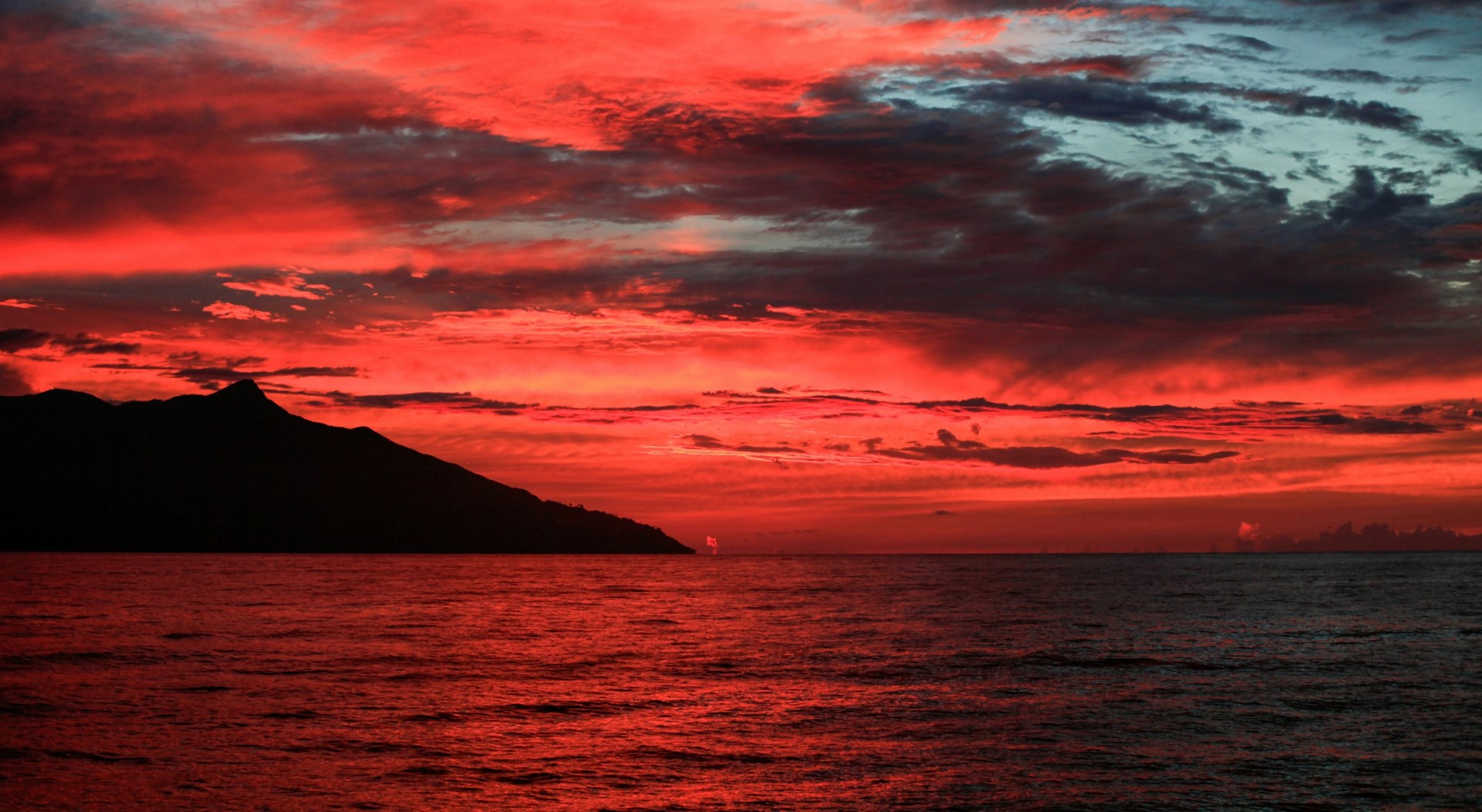
Goodenough Island
Goodenough Island is one of the D’Entrecasteaux Islands in Milne Bay Province, Papua New Guinea, lying in the Solomon Sea north of the mainland. The island has a distinctive rounded form, with steep slopes rising toward Mount Vineuo in the center and narrow coastal plains around much of its shoreline.

Belgrade
A historic capital in the heart of the Balkans, Belgrade will absolutely charm you with its picturesque cafés, striking religious monuments, riveting museums, and thriving nightlife.
