

Jordan
Beyond its historical sites, Jordan's natural landscapes offer a diverse range of experiences. The Dead Sea, the lowest point on Earth's surface, is renowned for its buoyant waters and therapeutic mud, attracting visitors seeking relaxation and wellness. To the south, Wadi Rum's dramatic desert scenery, with its towering sandstone mountains and vast red dunes, provides a backdrop for adventure activities like jeep tours, camel rides, and stargazing.
Bandia Reserve
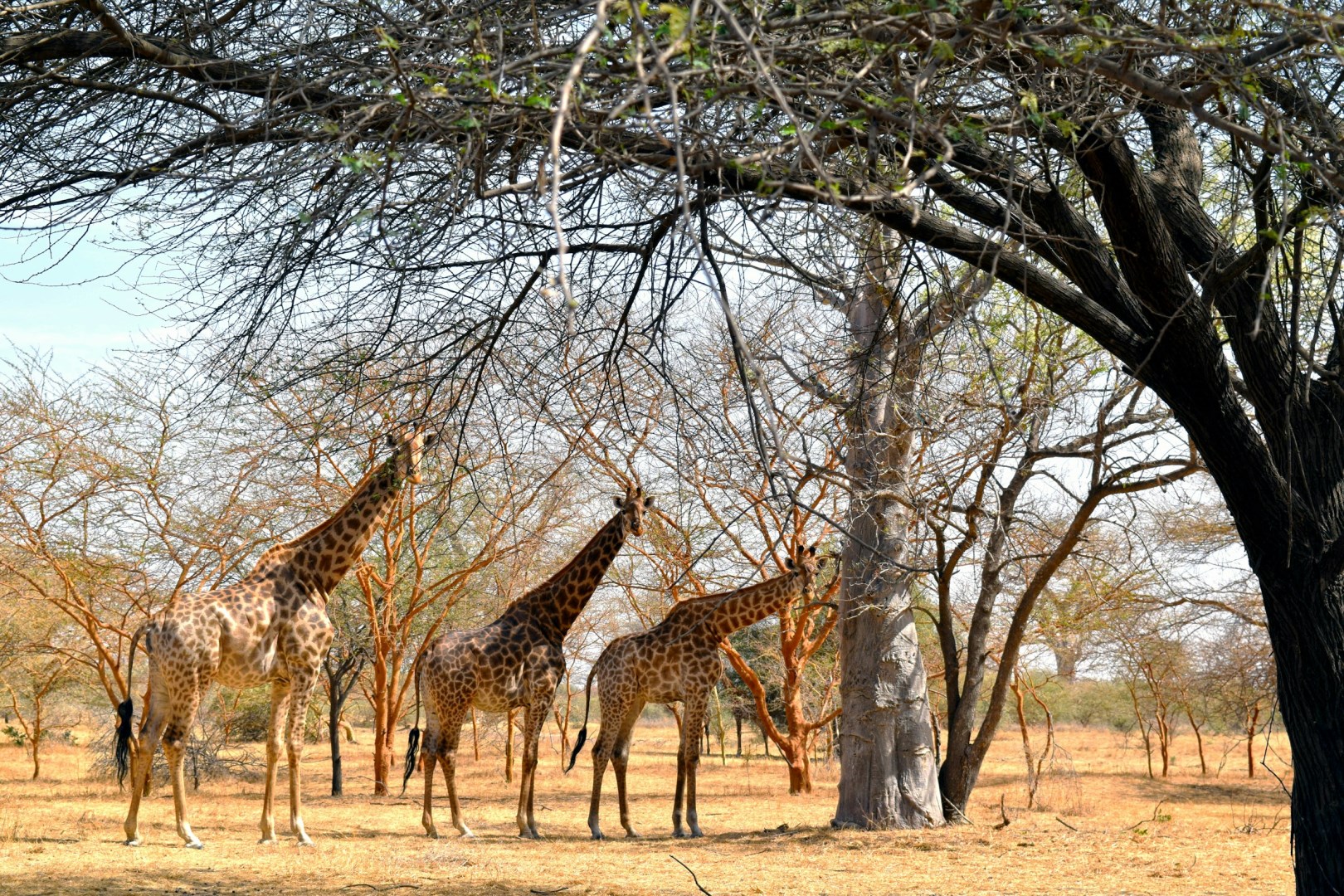
Bandia Reserve is a private wildlife reserve in Senegal’s Thiès Region, located near the village of Bandia and within easy reach of Dakar, Mbour, and the resort area of Saly. Covering about 3,500 hectares, the reserve protects a landscape of dry savanna, thorny scrub, seasonal water sources, and large baobab trees.
Narok
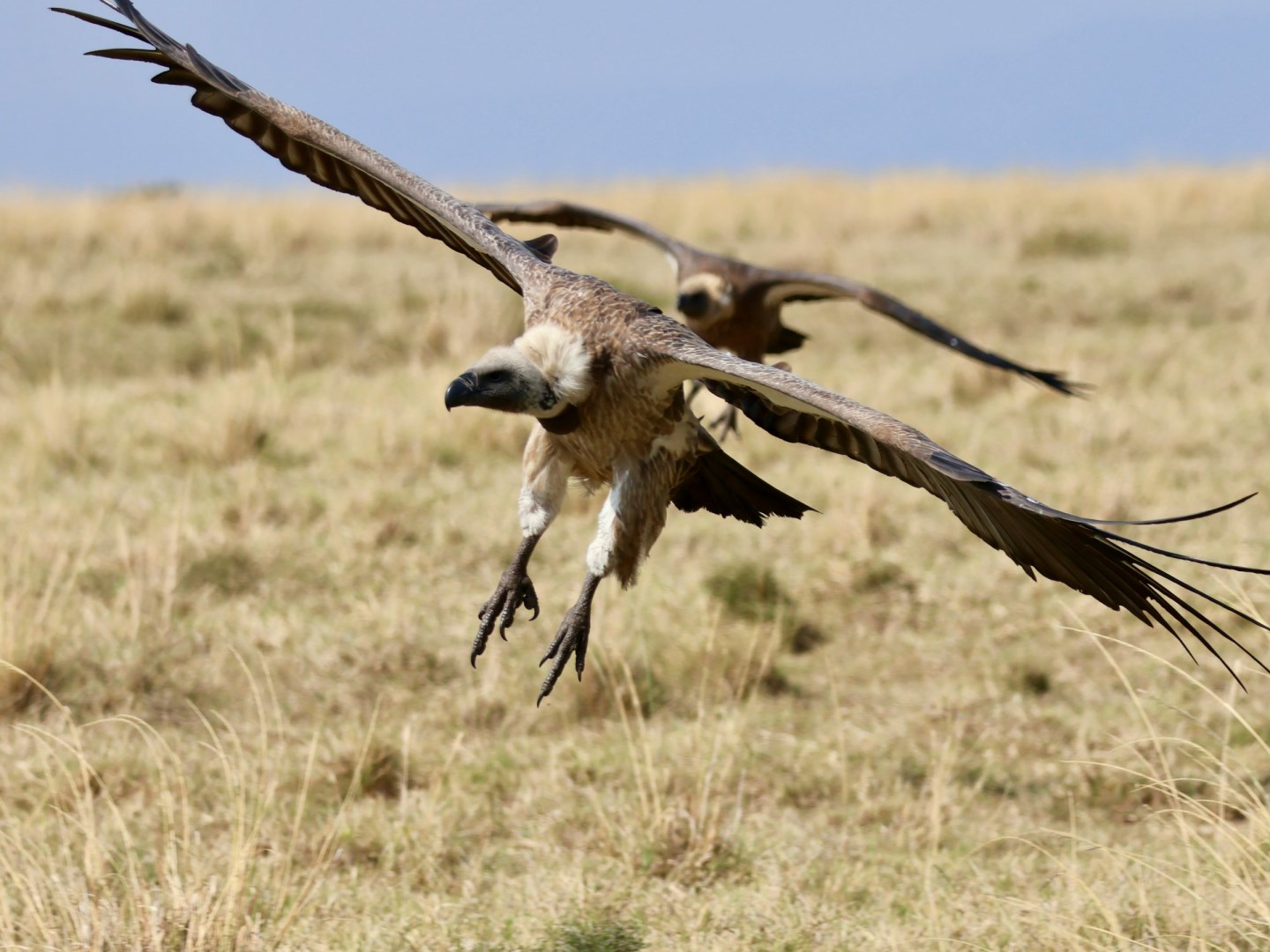
Narok is a town in southwestern Kenya and the administrative centre of Narok County, positioned on the route between Nairobi and the Maasai Mara. The town sits in a highland landscape of open grassland, cultivated fields, and rolling hills, with the surrounding county extending from the Great Rift Valley toward the Maasai Mara plains.
Te Anau
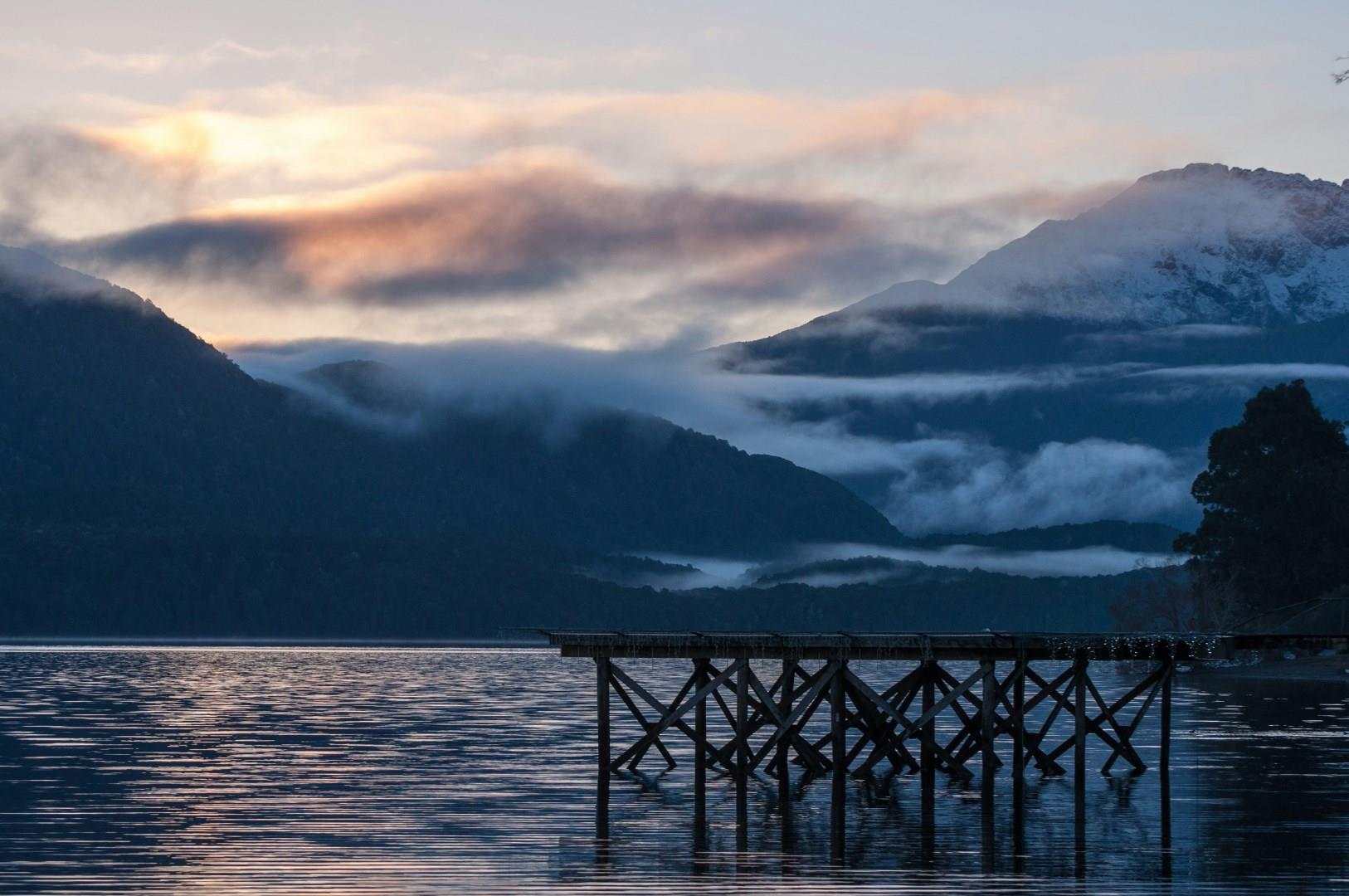
Te Anau sits on the edge of New Zealand’s second-largest lake, acting as the unofficial gateway to Fiordland National Park. While it’s often viewed as a starting point for trips to Milford Sound, the town itself offers a slower, more scenic way to experience the South Island’s dramatic landscapes. Te Anau’s lakefront is a mix of walking paths, local birdlife, and wide-open views across snow-dusted peaks.
Djanet
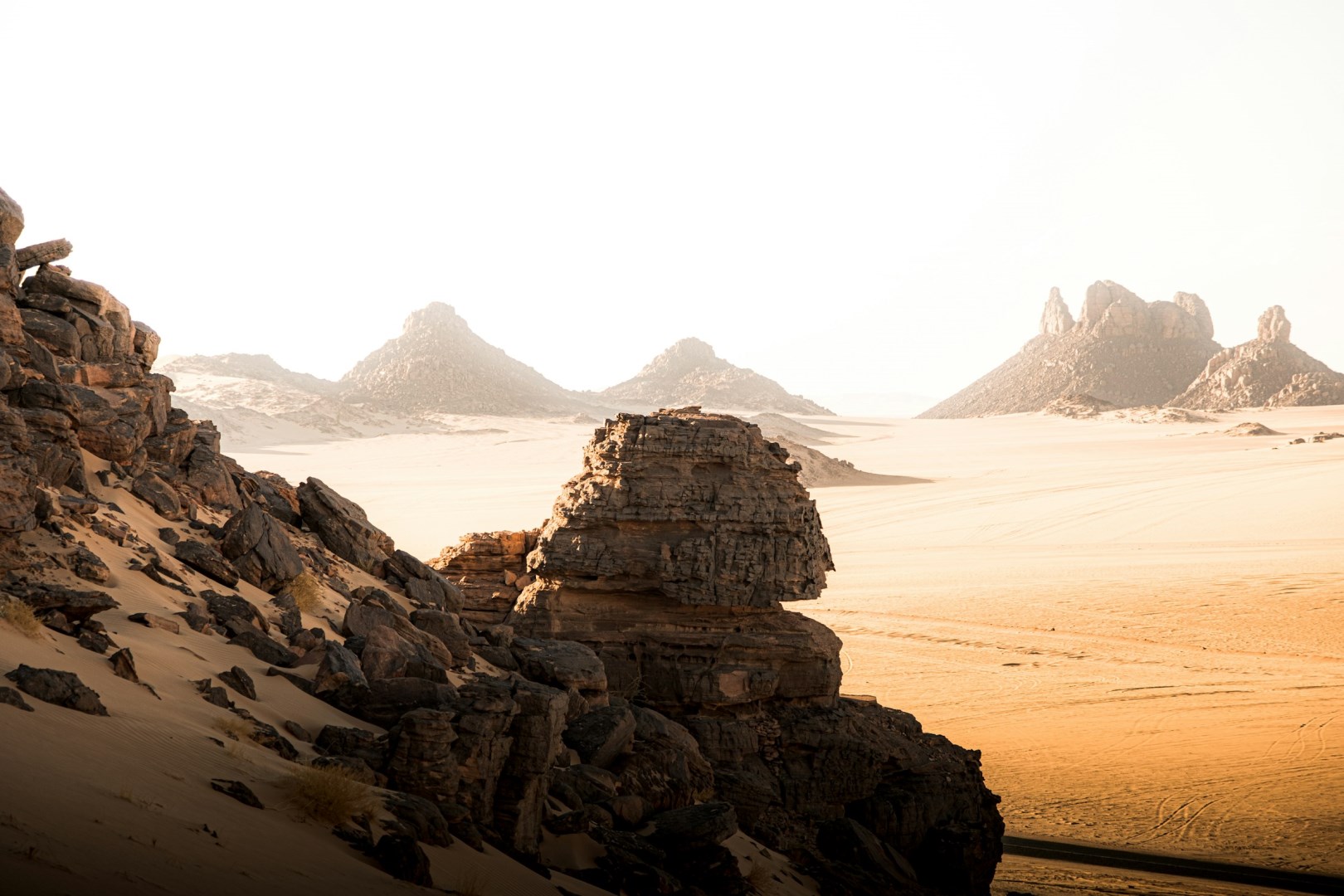
Djanet is a small oasis town in southeastern Algeria, situated in the Tassili n’Ajjer region near the border with Libya. It is surrounded by a vast desert landscape of sandstone plateaus, rocky valleys, and palm-filled oases. The town serves as an important gateway to the Tassili n’Ajjer, a UNESCO World Heritage site known for its unusual rock formations and extensive collection of prehistoric rock art.
