
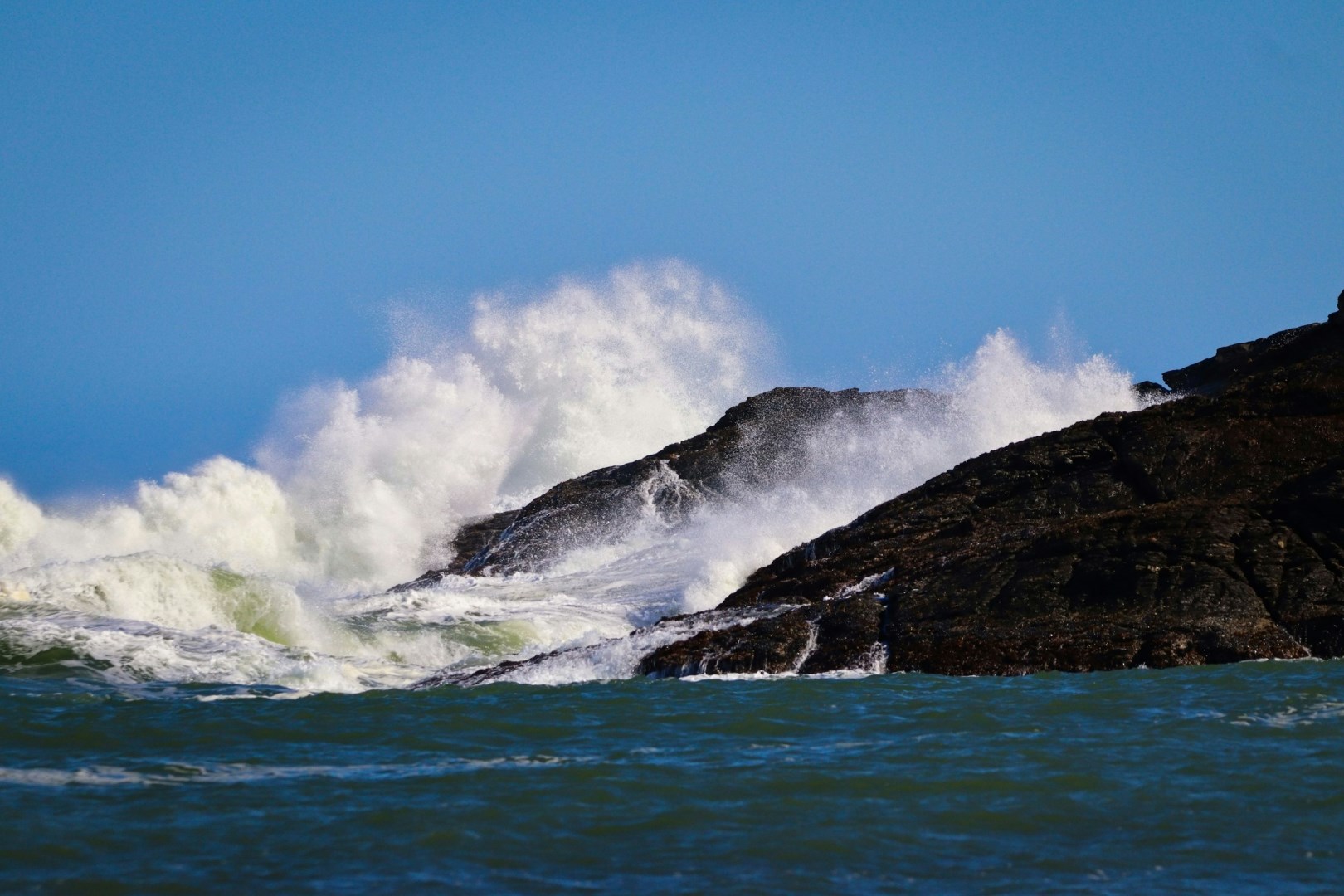
Lüderitz
This coastal town in southwestern Namibia is known for its German colonial buildings, including the art nouveau Goerke Haus, built into the rock face on Diamond Hill. Nearby, Felsenkirche is a hilltop church with panoramic bay views stretching around to Robert Harbor. The Lüderitz Museum has displays about the town’s diamond mining past as well as local and natural history.
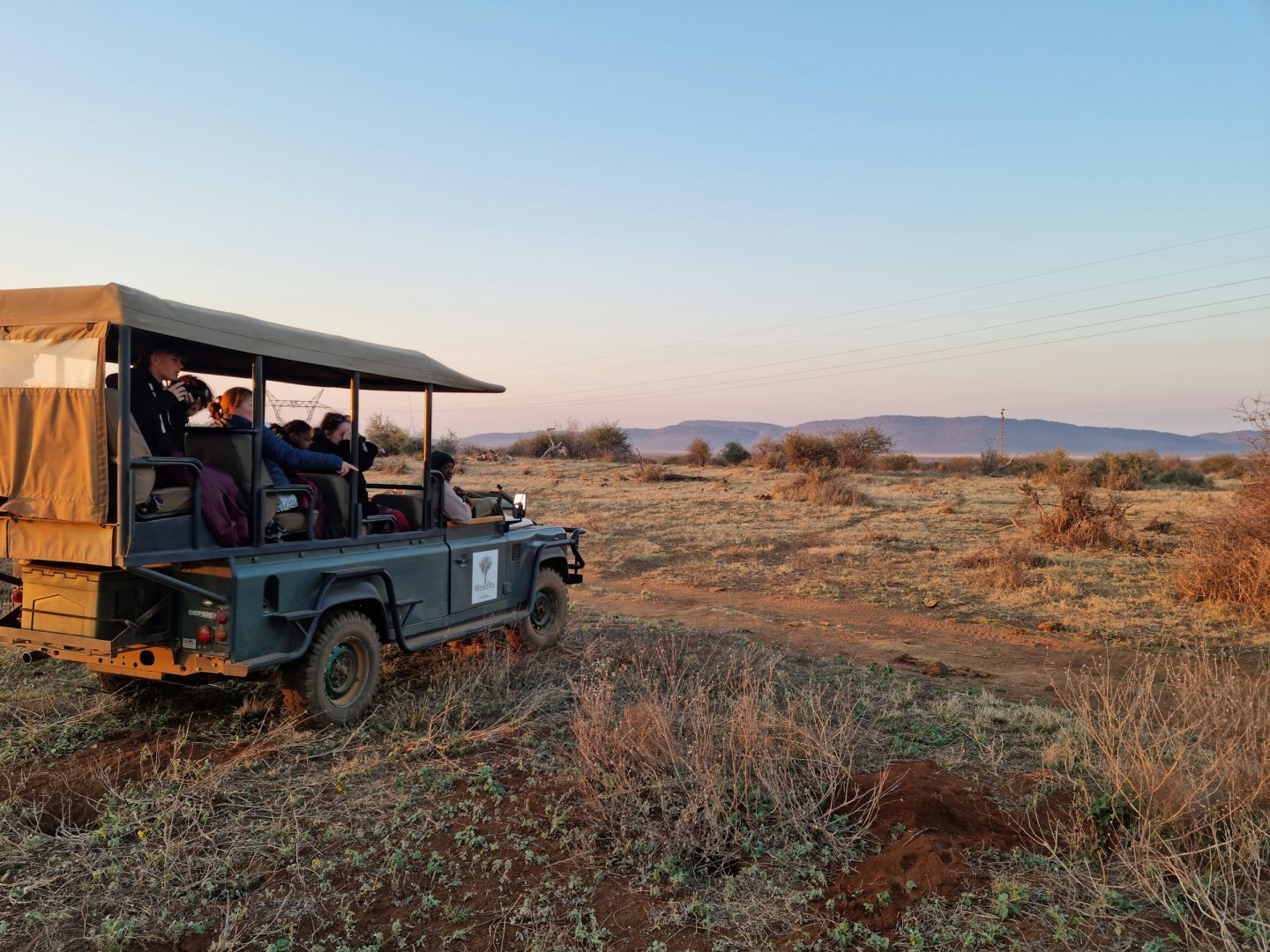
Madikwe Game Reserve
Madikwe Game Reserve is a large protected wildlife area in South Africa’s North West province, close to the Botswana border. Its landscape consists mainly of open grassland, bushveld, rocky hills, and seasonal watercourses, with habitats supporting a wide range of wildlife. The reserve is notable for being one of South Africa’s major conservation areas established on former farmland, with wildlife populations restored through a large-scale relocation programme.
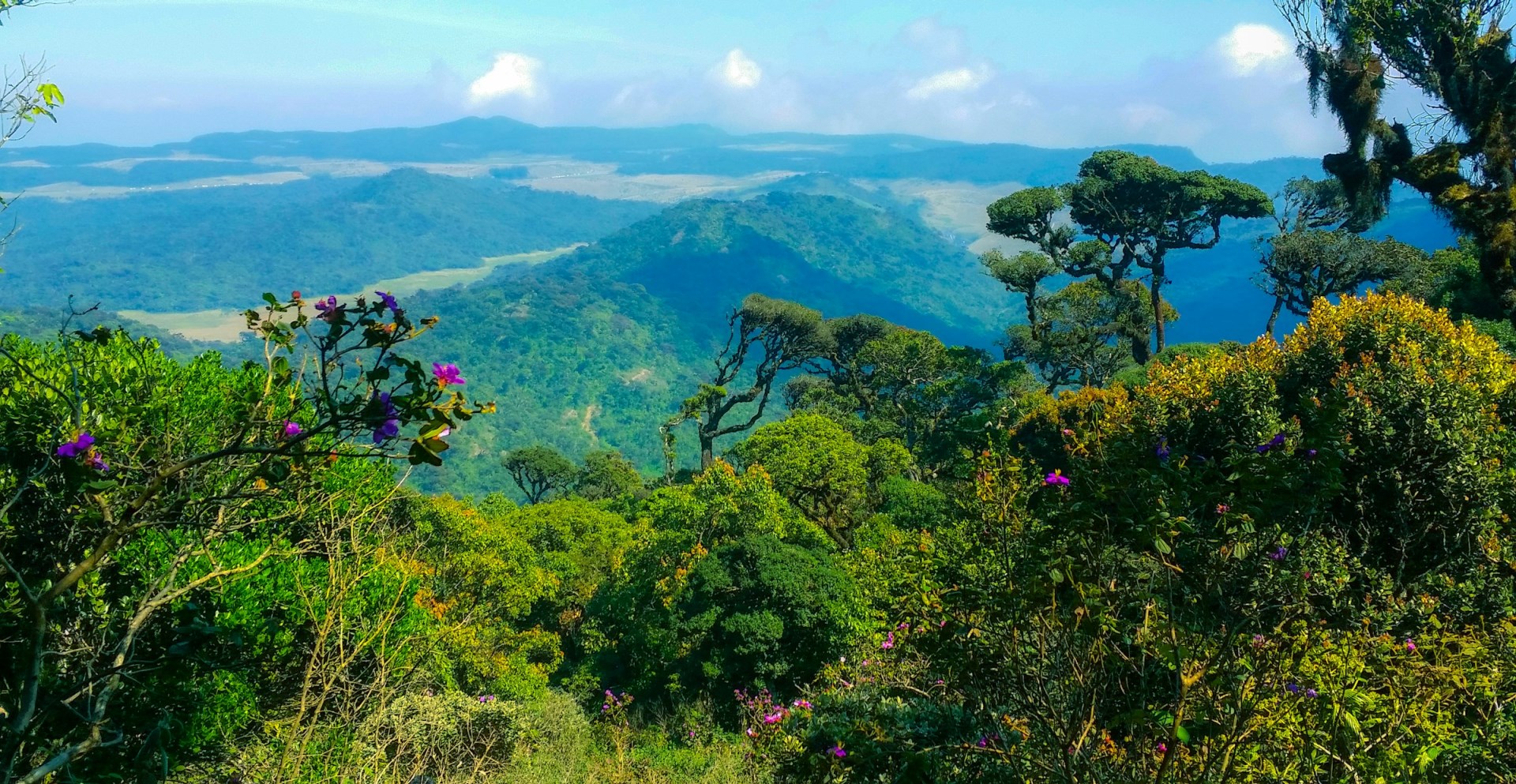
Horton Plains National Park
Horton Plains National Park is a high-altitude protected area in Sri Lanka’s central highlands, covering a landscape of grasslands, cloud forest, marshes, and rocky slopes. Located near Nuwara Eliya, the park sits at elevations above 2,000 metres, giving it a cool and often misty climate. Its open plateaus contrast with dense patches of montane forest, while streams and small waterfalls drain the high ground.

Roseau
Roseau, the lively capital of Dominica, is a city where history and nature coexist in striking harmony. Established on the site of an ancient Kalinago settlement, the town reflects its colonial past through French-inspired architecture, colorful buildings, and historic churches.

Molde
Nestled along the fjord-studded coastline of Norway, Molde is renowned for its breathtaking natural beauty and rich cultural heritage. Often called the "City of Roses" for its flourishing gardens and floral displays, Molde offers visitors a stunning panorama of 222 mountain peaks visible from its scenic viewpoints, including the renowned Varden Viewpoint. This spot provides an unparalleled vista of the surrounding fjords and peaks, making it a must-see for any nature enthusiast.
