

Interlaken
Nestling cozily beneath the legendary triad of the Eiger, Mönch and Jungfrau mountains, Interlaken, 570 meters above sea level is a wondrous health resort and an international favorite. The superb mountainous scenery and gentle climate are ideal venues for virtually every leisure activity, all year round.
Turkmenistan
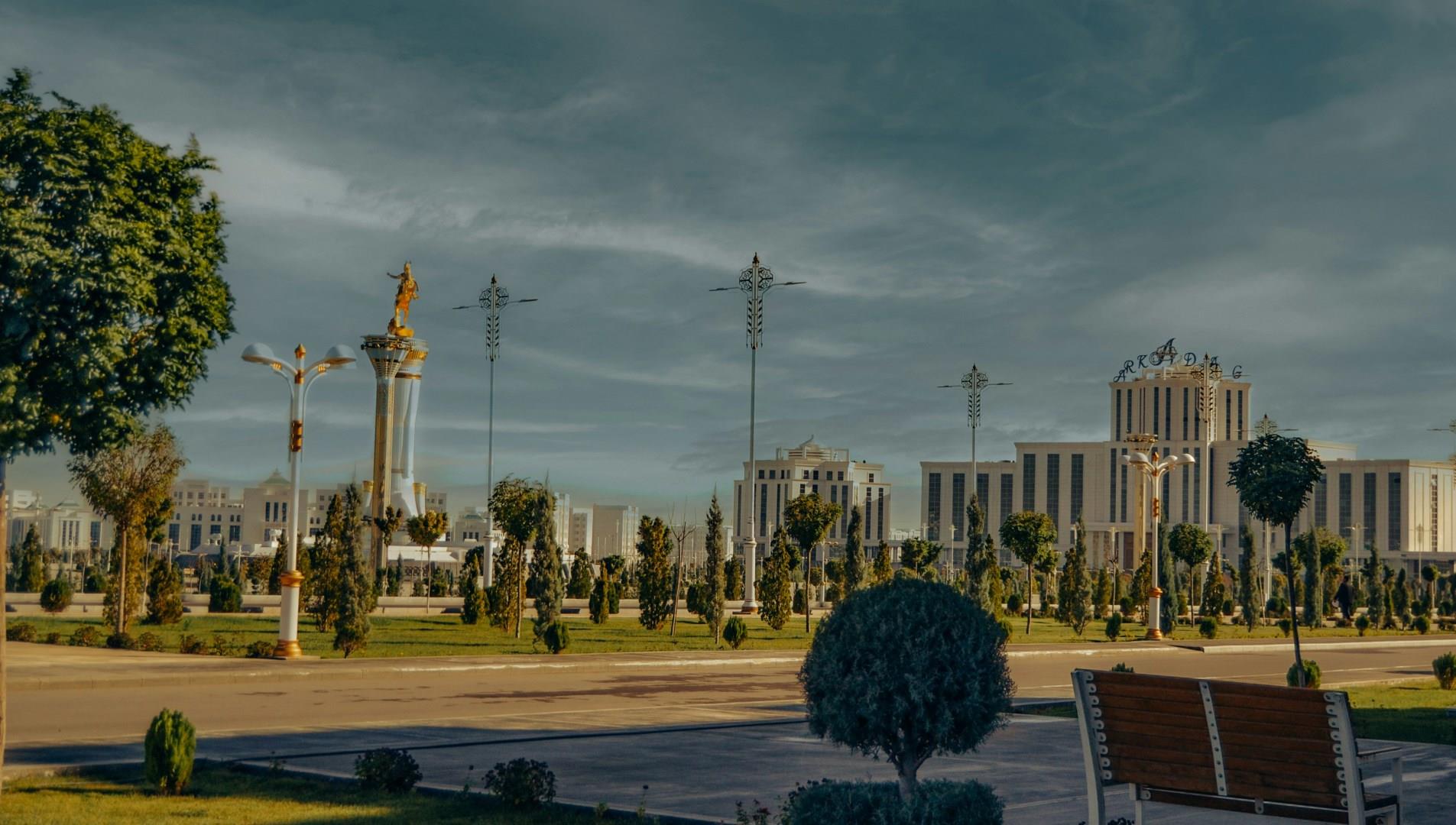
Turkmenistan is a land of striking contrasts, where vast deserts meet ancient Silk Road history. The country is dominated by the Karakum Desert, an expanse of sand and scrub that covers most of its territory, yet it is also home to oases where cities flourished as trading posts for caravans journeying between Persia, China, and beyond.
Baucau
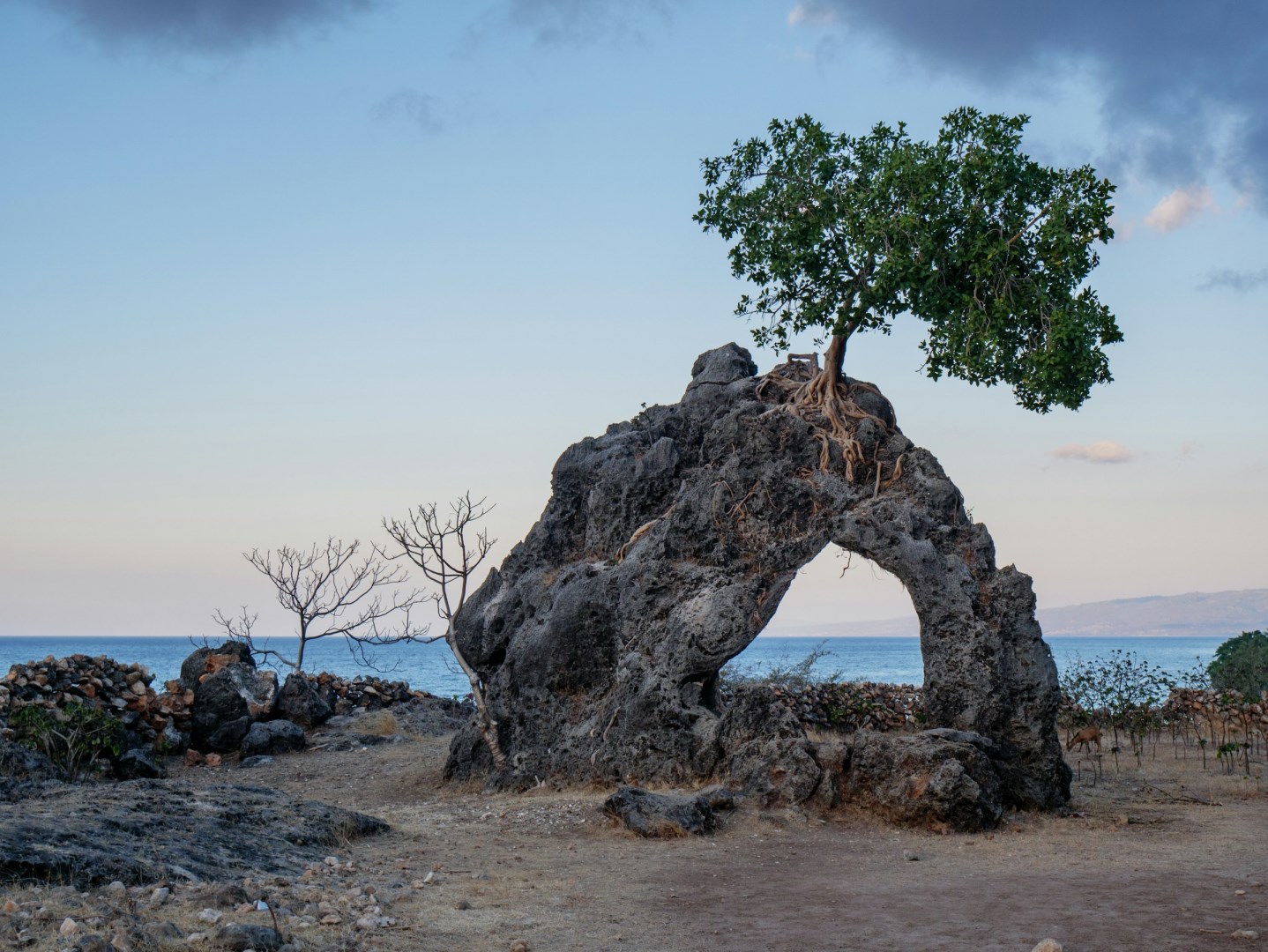
Baucau is Timor-Leste's second-largest city, located on the country's north coast on a plateau above the Ombai Strait. The city is surrounded by limestone hills, agricultural land, and tropical vegetation, with a cooler climate than the low-lying coastal plain below. Baucau is divided broadly into the older Vila Nova area and the historic Vila Velha, where colonial-era buildings, churches, and public spaces remain.
Drakensberg
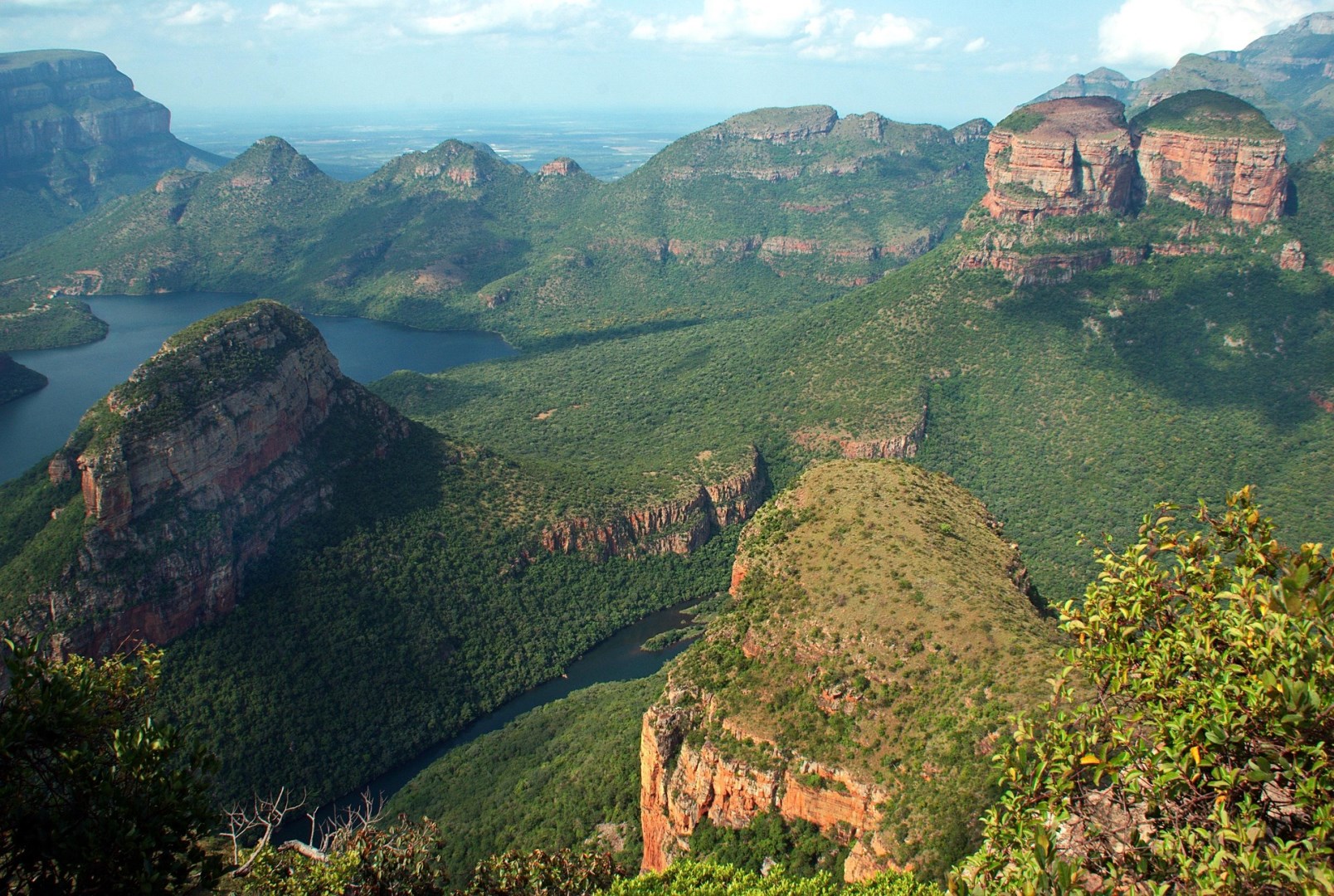
Drakensberg in Lesotho forms part of the country’s dramatic highland landscape, where steep mountains, deep valleys, and high plateaus dominate the scenery. The range is especially prominent in the eastern part of Lesotho, with peaks rising above broad upland areas and remote settlements. The Maloti Mountains, as they are known within Lesotho, are closely linked to the country’s geography and way of life. Much of the highland terrain is covered by grassland, while rivers and streams cut through
Vesteralen
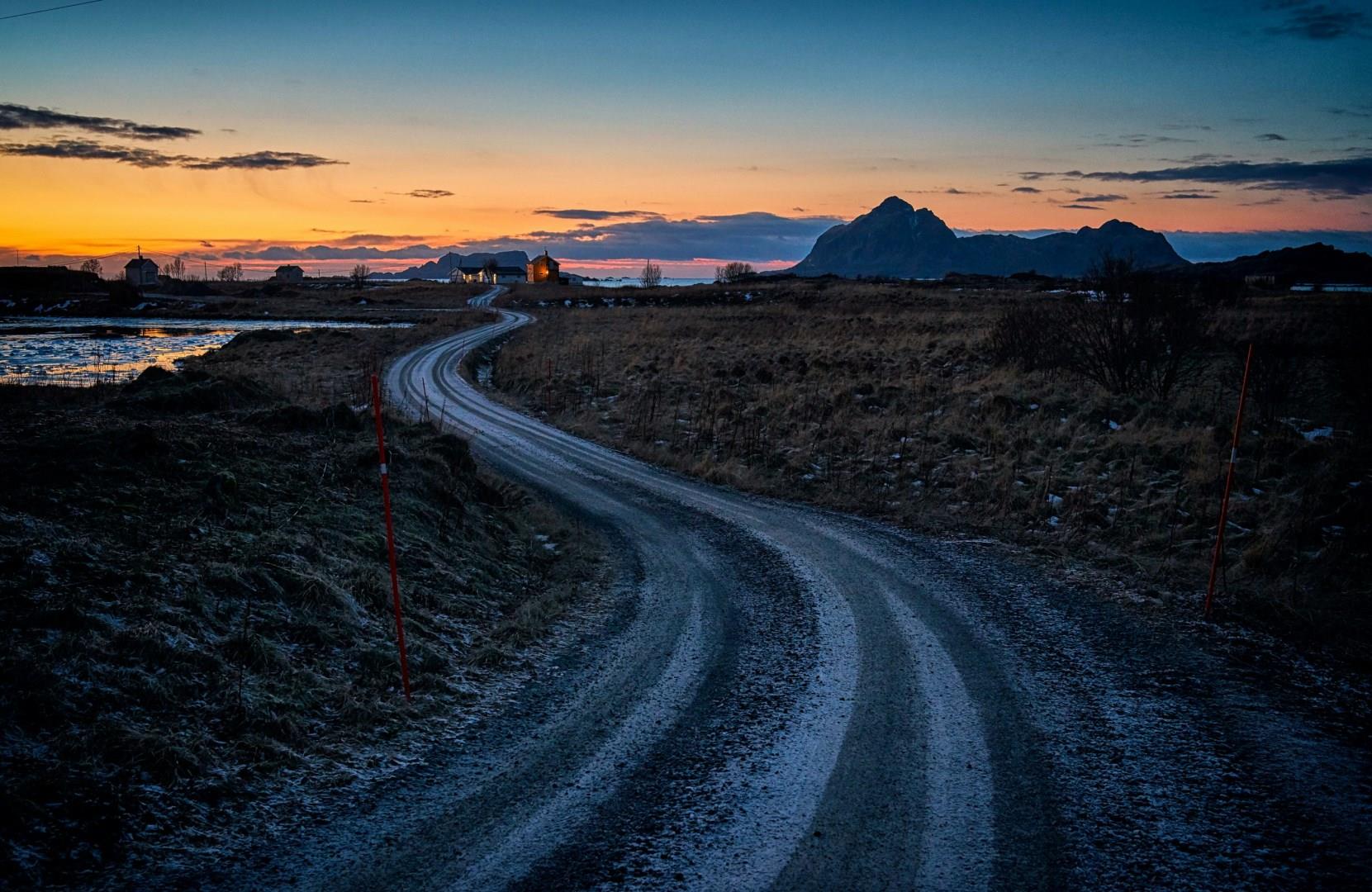
Vesteralen is a coastal archipelago in northern Norway, located just north of the Lofoten Islands, known for its wide-open landscapes, dramatic skies, and strong ties to the sea. Historically shaped by fishing and seafaring, the region’s communities developed around sheltered harbors and seasonal fisheries, particularly for cod.
