
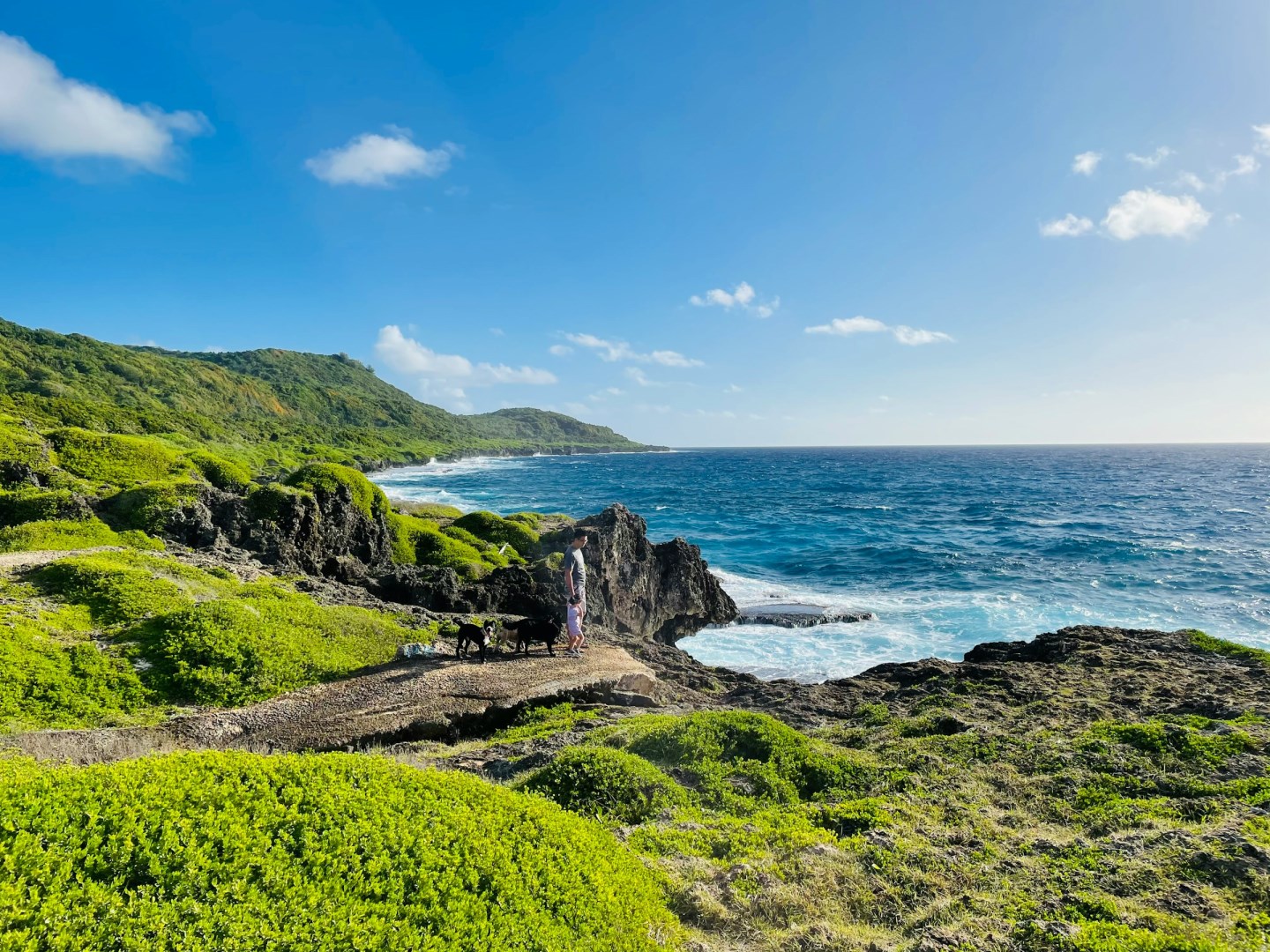
Pagat
Pagat is a historic village area on Guam's northeastern coast, known for its archaeological remains, limestone cliffs, caves, and coastal trails. The area lies within Guam's rugged northern landscape, where dense vegetation covers limestone terraces above the Pacific Ocean. Pagat is particularly significant because it preserves evidence of ancient CHamoru settlement, including stone structures, pottery fragments, and remnants of traditional village life.
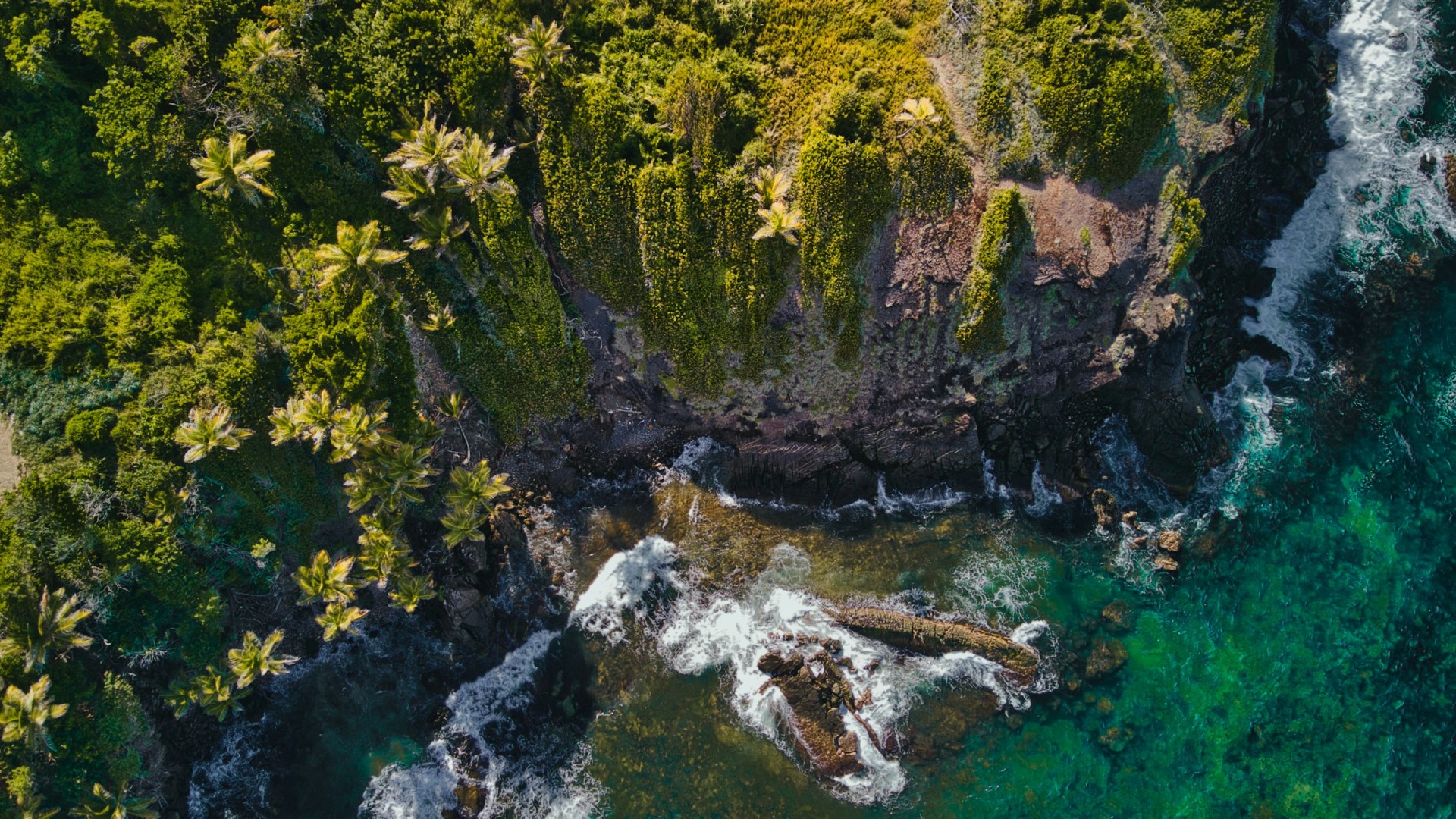
Toco
Toco is a rural coastal community at the northeastern tip of Trinidad, where the Atlantic Ocean meets the Caribbean Sea near the boundary between the two waters. The area is surrounded by forested hills, coconut groves, small farms, fishing villages, and rocky headlands. Toco is connected to the rest of Trinidad by the North Coast Road, which follows a scenic route through the Northern Range before reaching the coast.

Laos
Laos, a landlocked country in Southeast Asia, is known for its lush landscapes, winding rivers, and rich Buddhist culture. The Mekong River flows along much of the country’s western border, offering both vital transportation routes and scenic vistas. Rolling hills, dense forests, and limestone karsts provide opportunities for hiking, kayaking, and exploring remote villages.
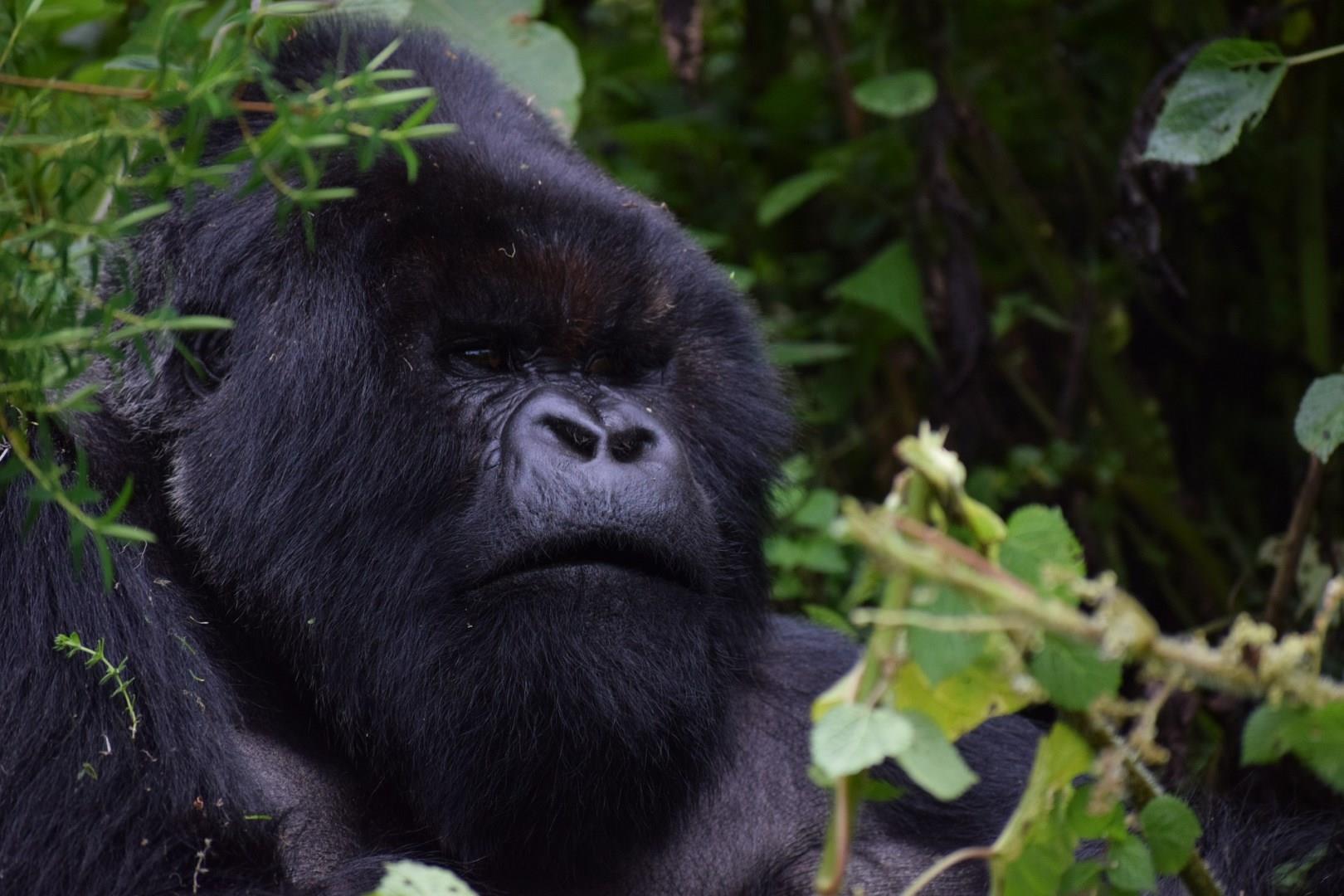
Rwanda
Rwanda, often called the “Land of a Thousand Hills,” is a country of rolling green landscapes, misty mountains, and shimmering lakes. Its scenery is striking, with terraced hillsides and lush valleys stretching as far as the eye can see.
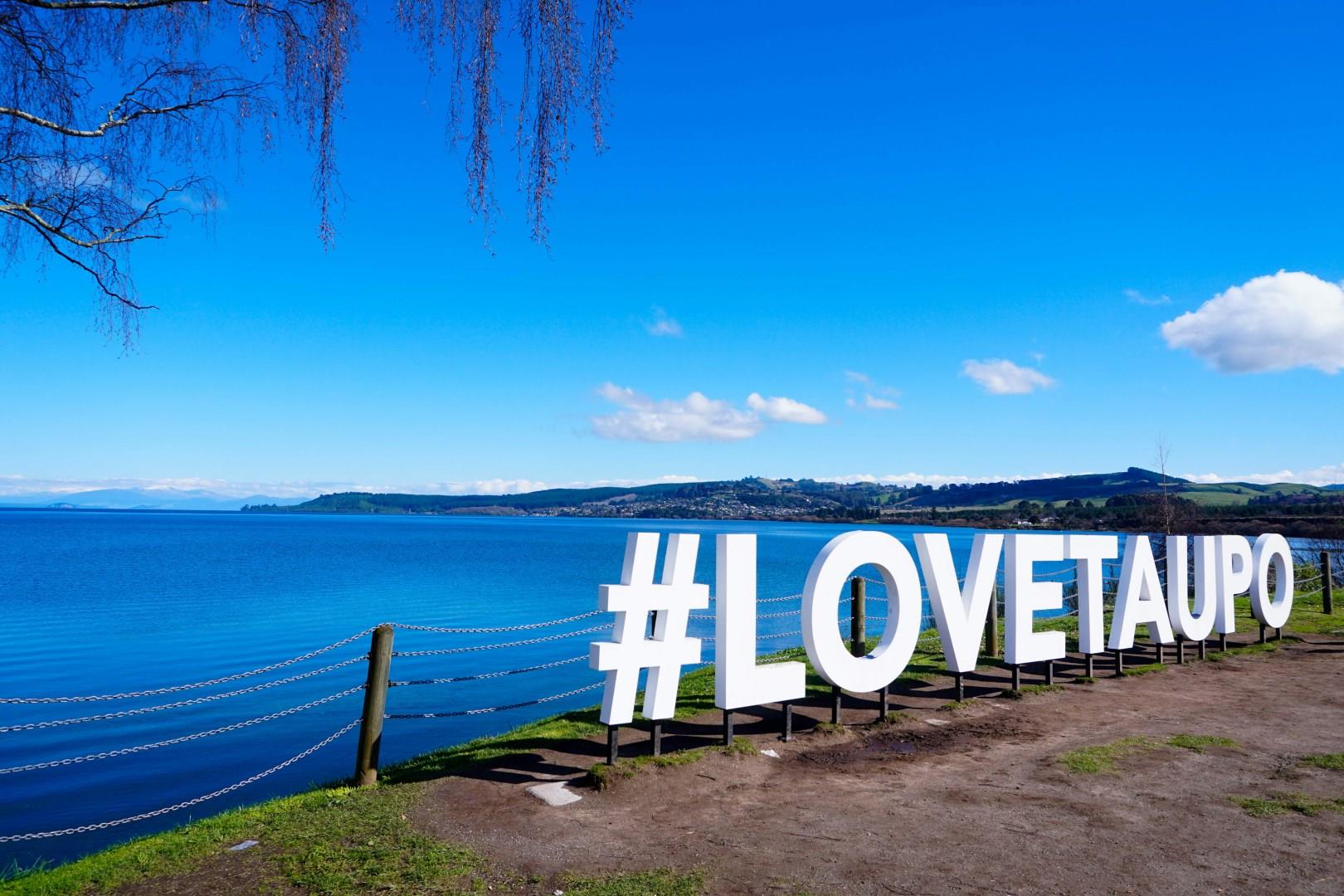
Taupō
Taupō, located in the heart of New Zealand’s North Island, is built along the shores of Lake Taupō, which is the largest freshwater lake in Australasia, formed nearly two thousand years ago by a massive volcanic eruption. That eruption was so powerful, it was recorded in ancient Chinese and Roman texts, even though it occurred halfway across the world. Today, the lake is calm, clear, and central to life in the region, offering everything from trout fishing to kayaking and lakeside cycling.
