
Palmeira
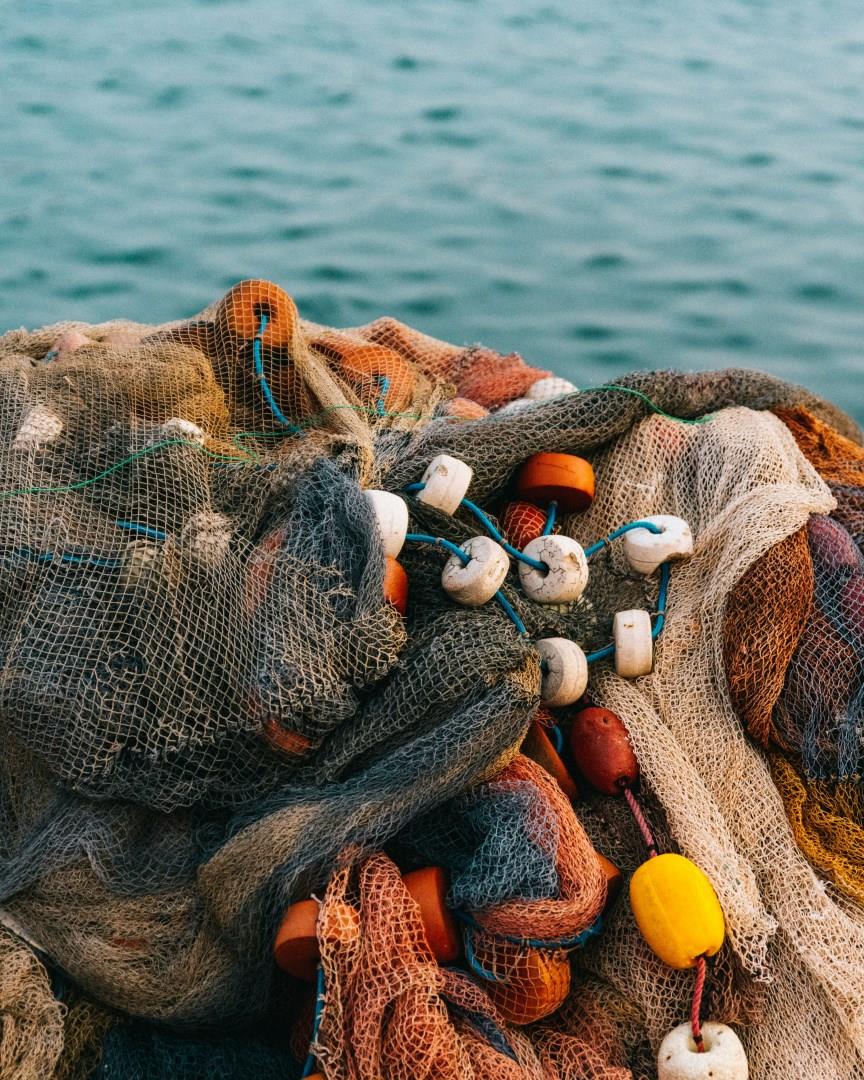
On the north-western coast of Sal Island in Cape Verde sits Palmeira, an authentic fishing settlement where day-to-day life still revolves around the sea. The village’s seaside restaurants serve grilled tuna, octopus, and flying fish fresh from the day’s catch. Just a short trip from the centre lies Buracona, a natural lava rock pool famous for the “Blue Eye,” a glowing underwater cave that shines when the sunlight hits at just the right angle.
North Carolina
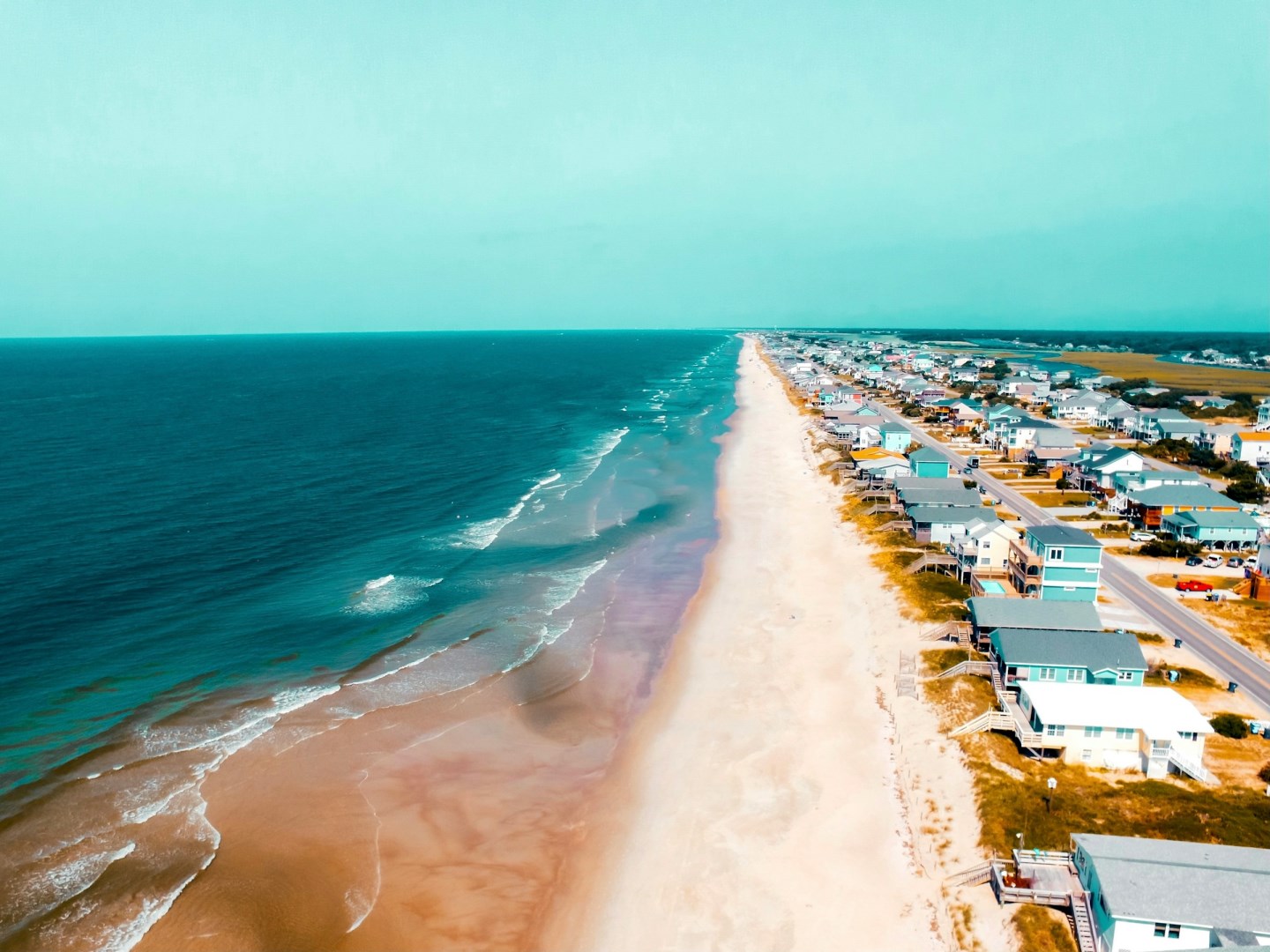
North Carolina is a state where natural beauty and cultural richness collide, offering visitors a wide variety of experiences. From the breathtaking peaks of the Blue Ridge Mountains to the sun-drenched shores of the Outer Banks, North Carolina’s diverse landscapes provide endless opportunities for adventure. The iconic Great Smoky Mountains National Park is a must-see for hikers and wildlife enthusiasts.
Ring of Kerry
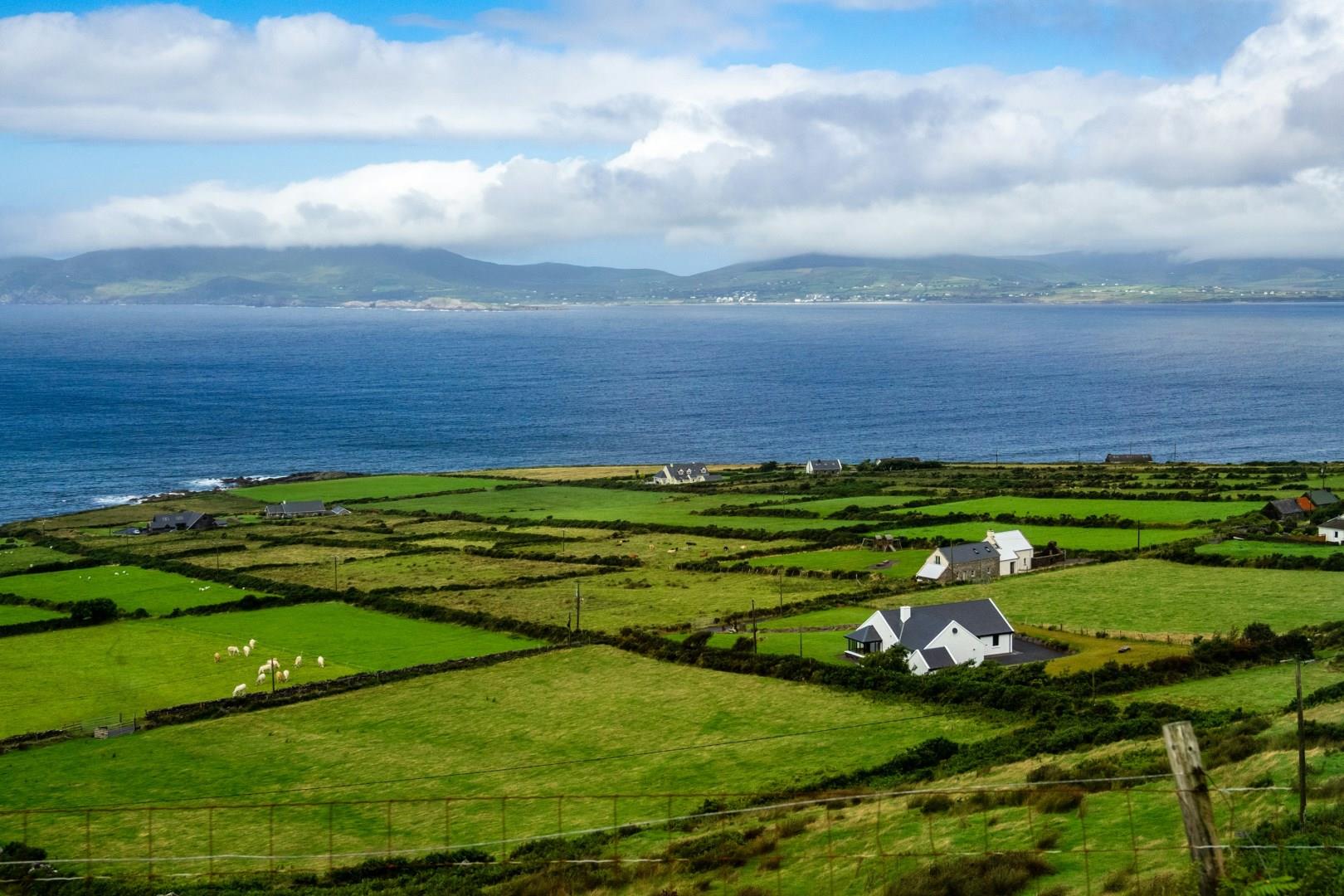
The Ring of Kerry, a 179-kilometer circular route in County Kerry, Ireland, offers travelers a journey through rugged coastal cliffs, remote villages, and winding mountain roads. Starting from Killarney, the route moves clockwise through towns like Kenmare, Waterville, Cahersiveen, and Glenbeigh, each offering its own slice of Irish life. Though often explored by car or tour bus, cycling the route is growing in popularity, especially during spring and early autumn when traffic is lighter.
Deception Island
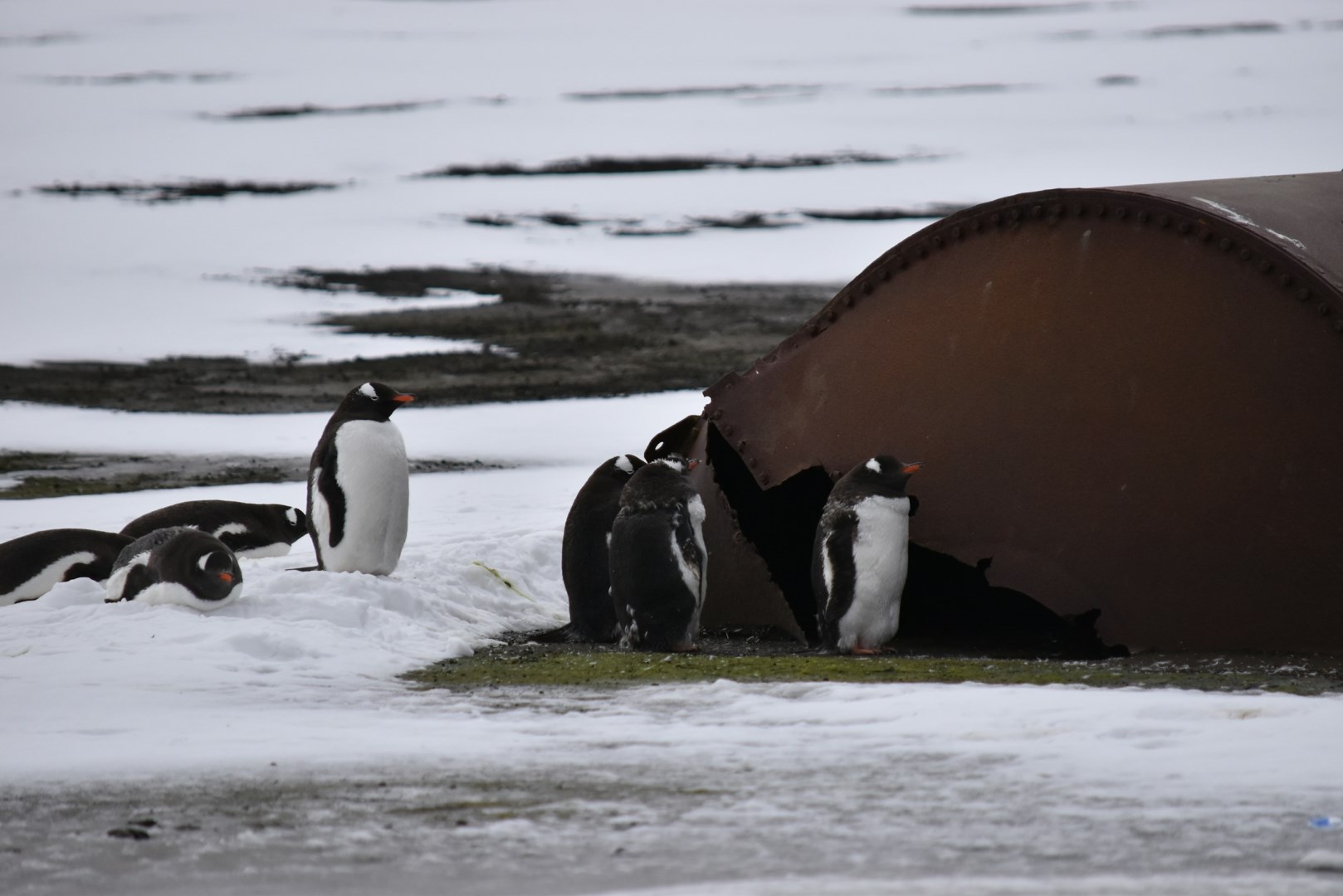
Antarctica’s Deception Island offers a dramatic landscape shaped by volcanic forces in one of the most remote corners of the world. Located in the South Shetland Islands, it is the caldera of an active volcano, its flooded interior forming a natural harbor known as Port Foster. This rare combination of volcanic activity and polar environment makes Deception Island a place where ice and fire meet.
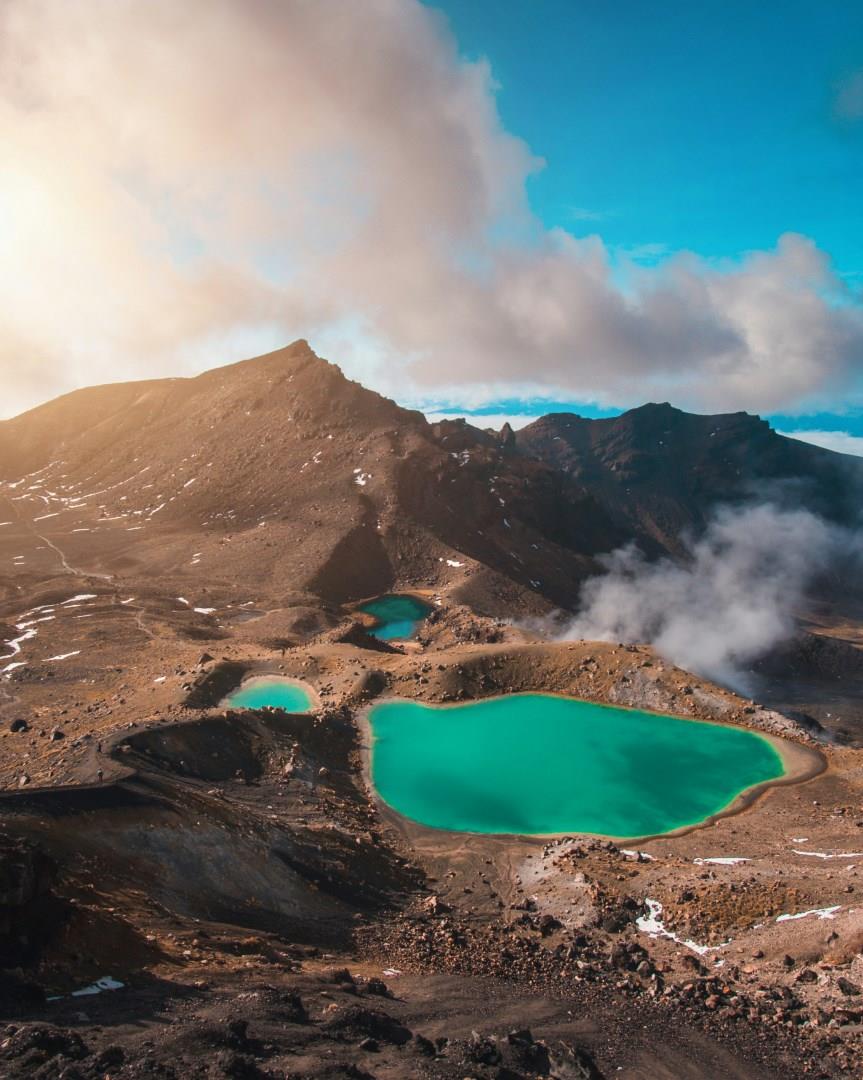
Tongariro National Park
Tongariro National Park, on New Zealand’s North Island, holds deep cultural meaning as well as striking geological presence. It was the country’s first national park, gifted to the nation by Ngāti Tūwharetoa chiefs in the 19th century, establishing a model that tied conservation to Māori guardianship. The volcanic peaks of Tongariro, Ngāuruhoe, and Ruapehu are considered ancestors, giving the landscape a living cultural identity rather than a purely scenic one.
