
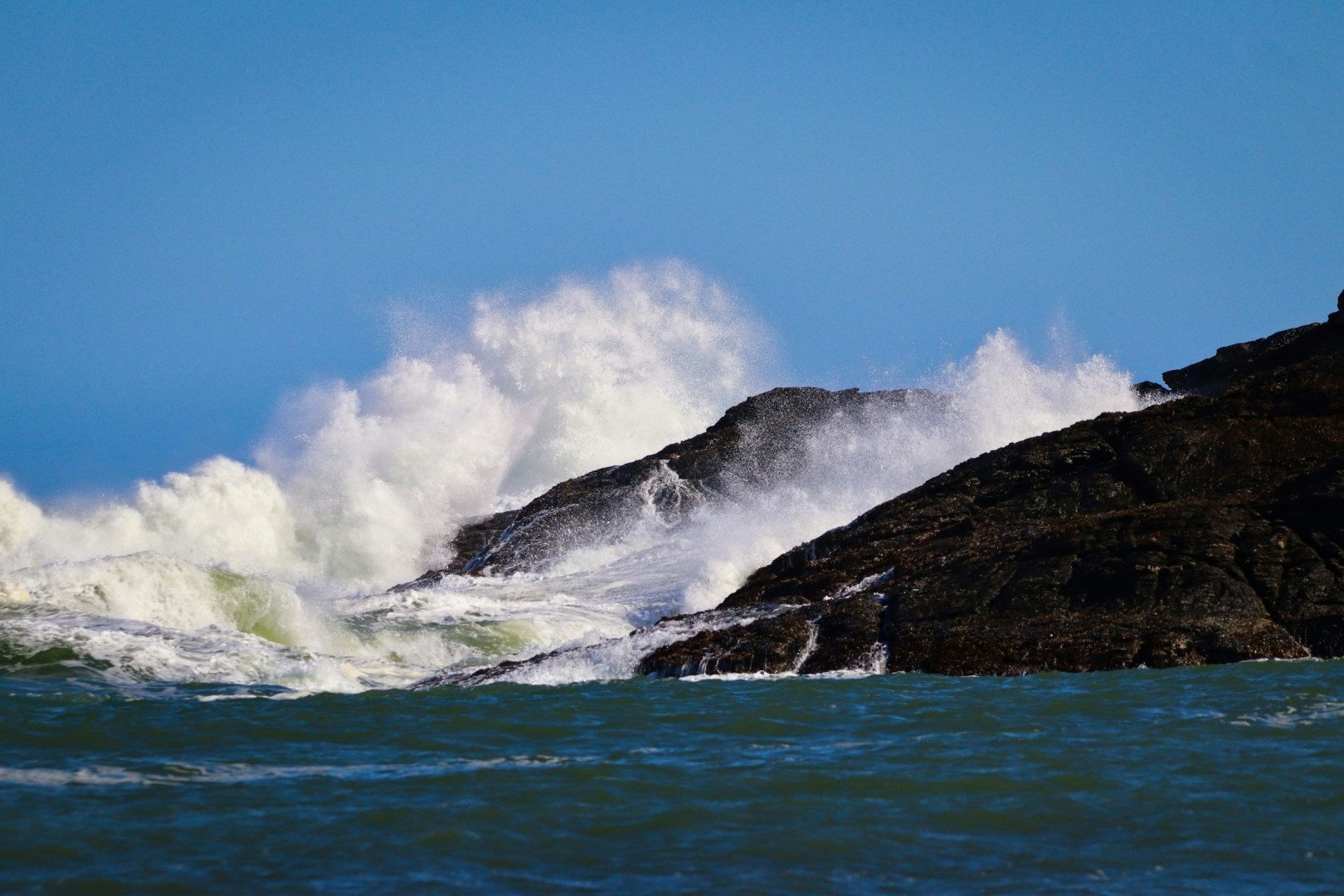
Lüderitz
This coastal town in southwestern Namibia is known for its German colonial buildings, including the art nouveau Goerke Haus, built into the rock face on Diamond Hill. Nearby, Felsenkirche is a hilltop church with panoramic bay views stretching around to Robert Harbor. The Lüderitz Museum has displays about the town’s diamond mining past as well as local and natural history.
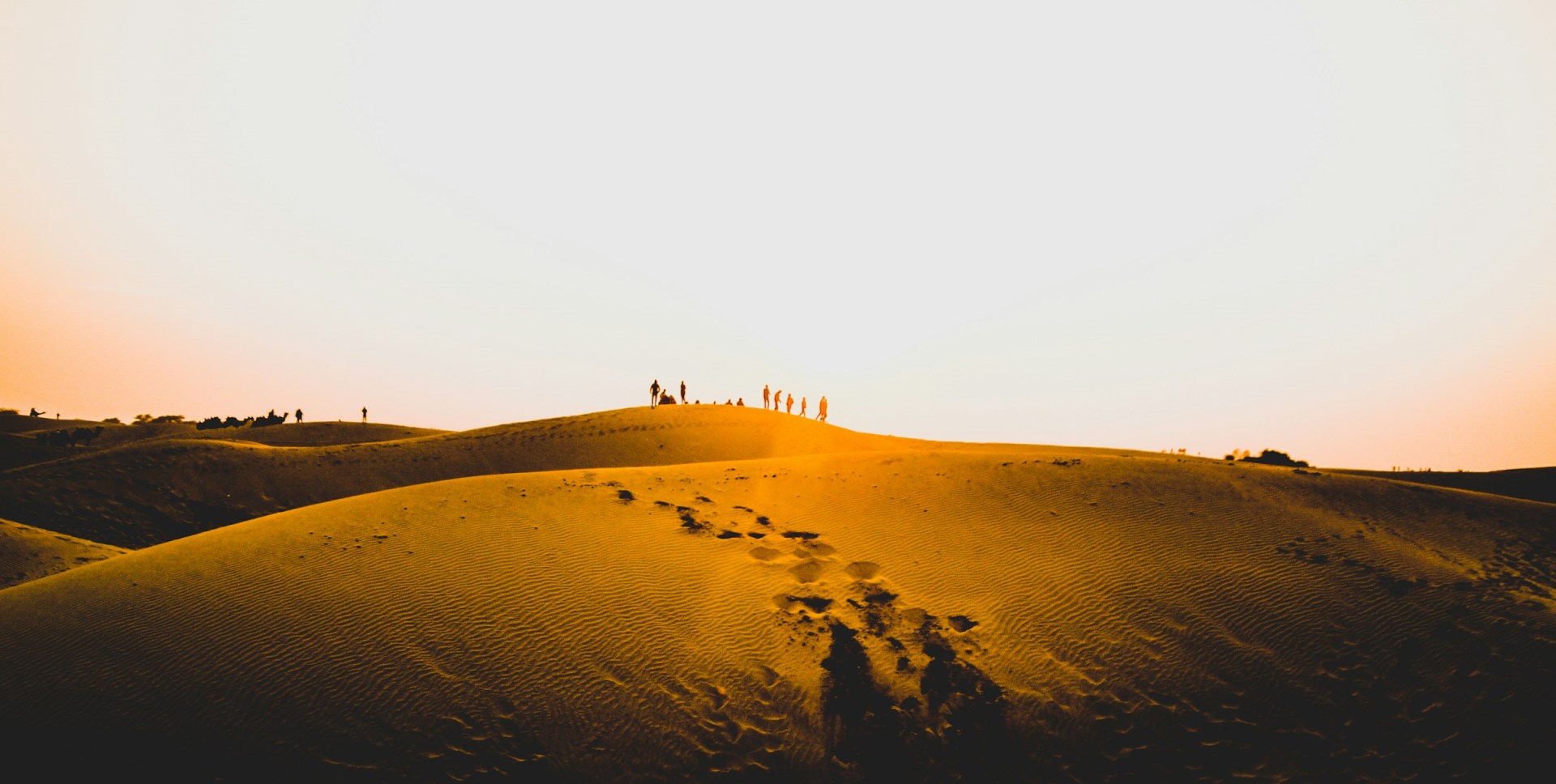
Thar Desert
The Thar Desert stretches across northwestern India, with its largest Indian expanse lying in Rajasthan and extending toward the borders of Gujarat, Punjab, and Haryana. It is a dry landscape of sand dunes, gravel plains, rocky ground, thorn scrub, and scattered grasslands rather than an entirely sandy wilderness. Jaisalmer, Jodhpur, and Bikaner are among the best-known gateways to the desert, while smaller settlements reveal how people have adapted to scarce water and extreme temperatures. The
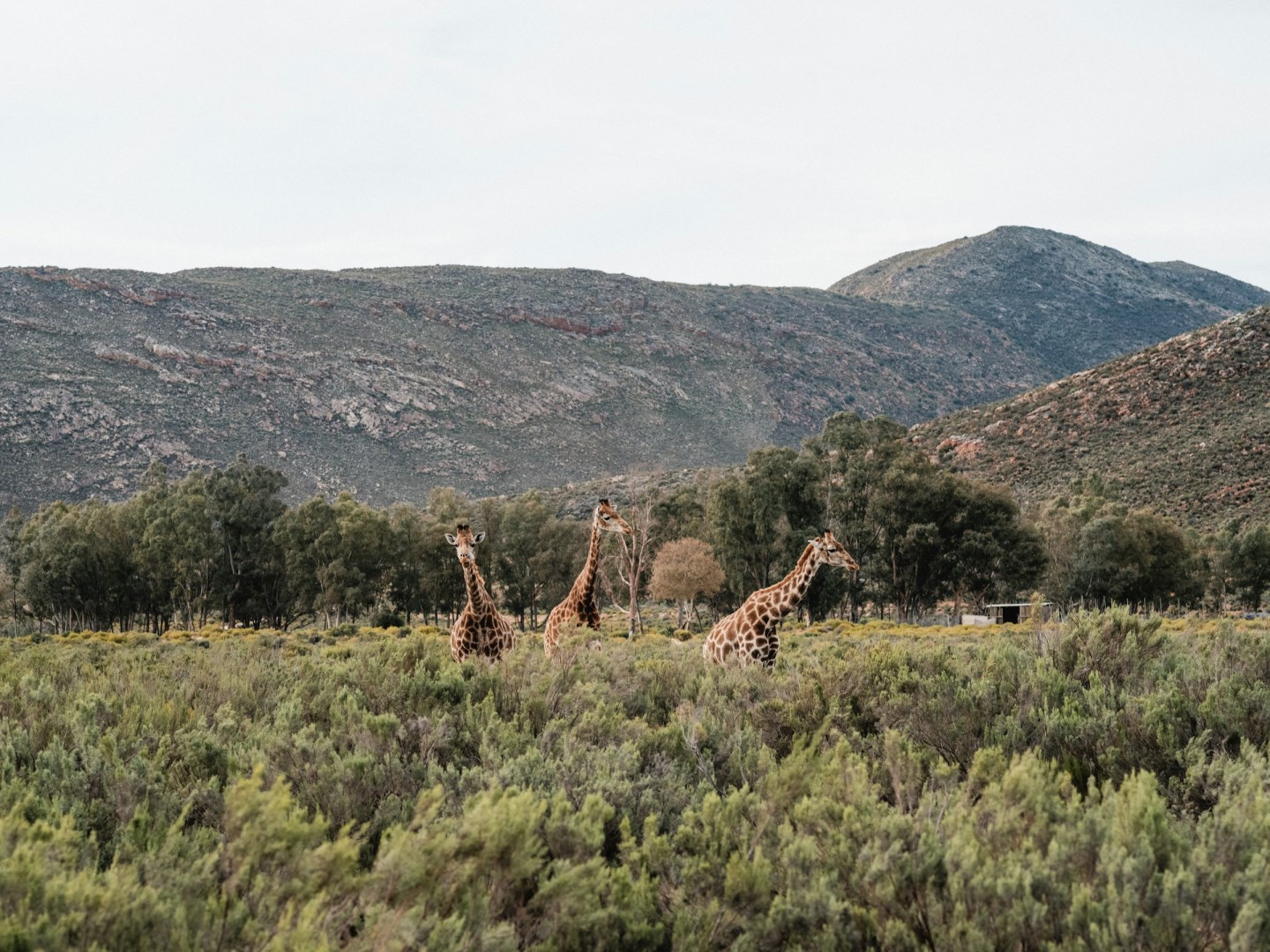
Aquila Private Game Reserve
Aquila Private Game Reserve is a wildlife reserve in South Africa’s Western Cape province, located near Touws River, approximately two hours by road from Cape Town. Set within the semi-arid landscapes of the Karoo, the reserve covers roughly 10,000 hectares of mountains, valleys, open plains and scrubland.
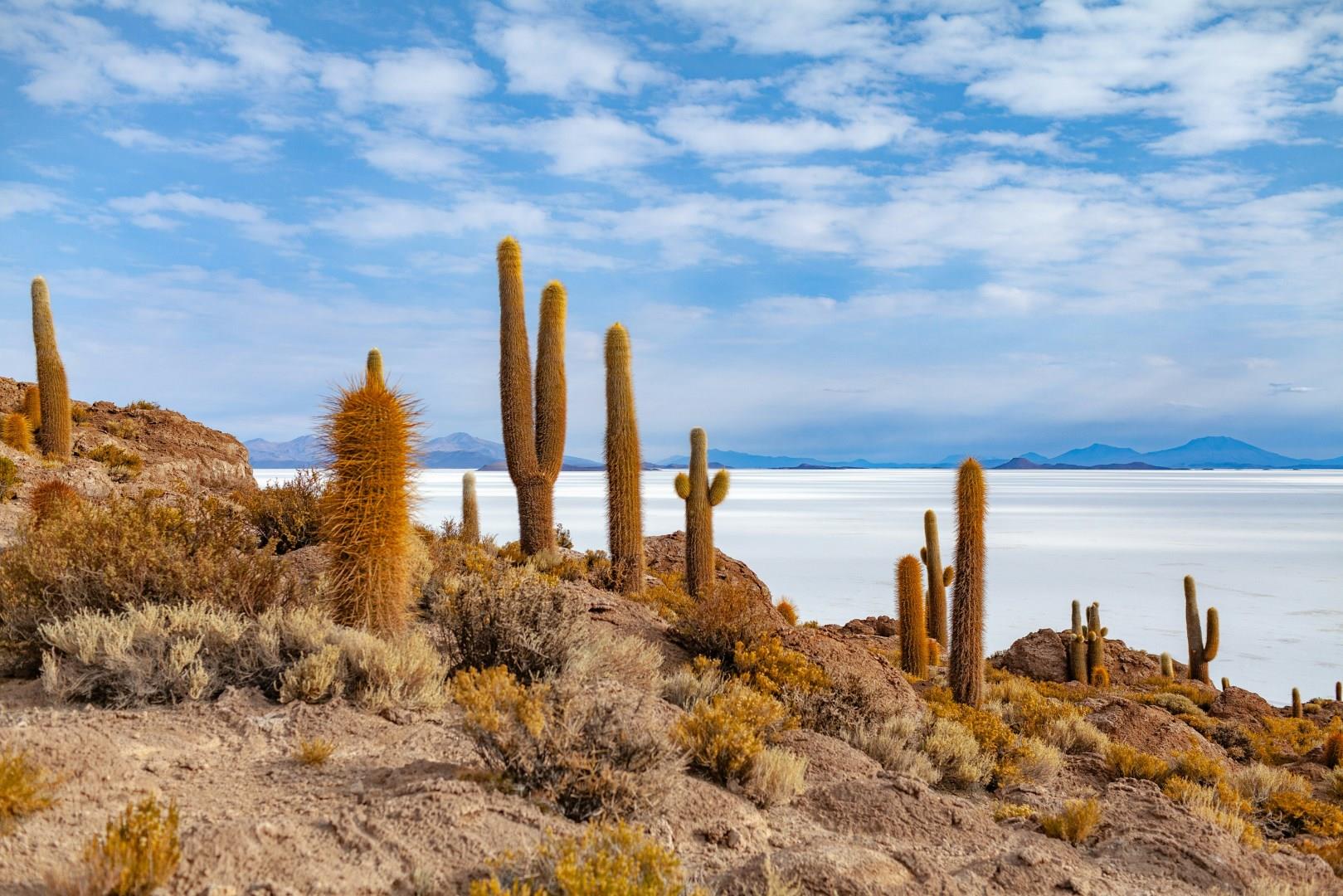
Uyuni
Uyuni, in southwestern Bolivia, is best known as the gateway to the world’s largest salt flat, Salar de Uyuni. Once a humble railway town, Uyuni has grown into a base for travelers drawn to this surreal landscape, where an ancient dried-up lake has left behind a vast expanse of glistening salt crust.
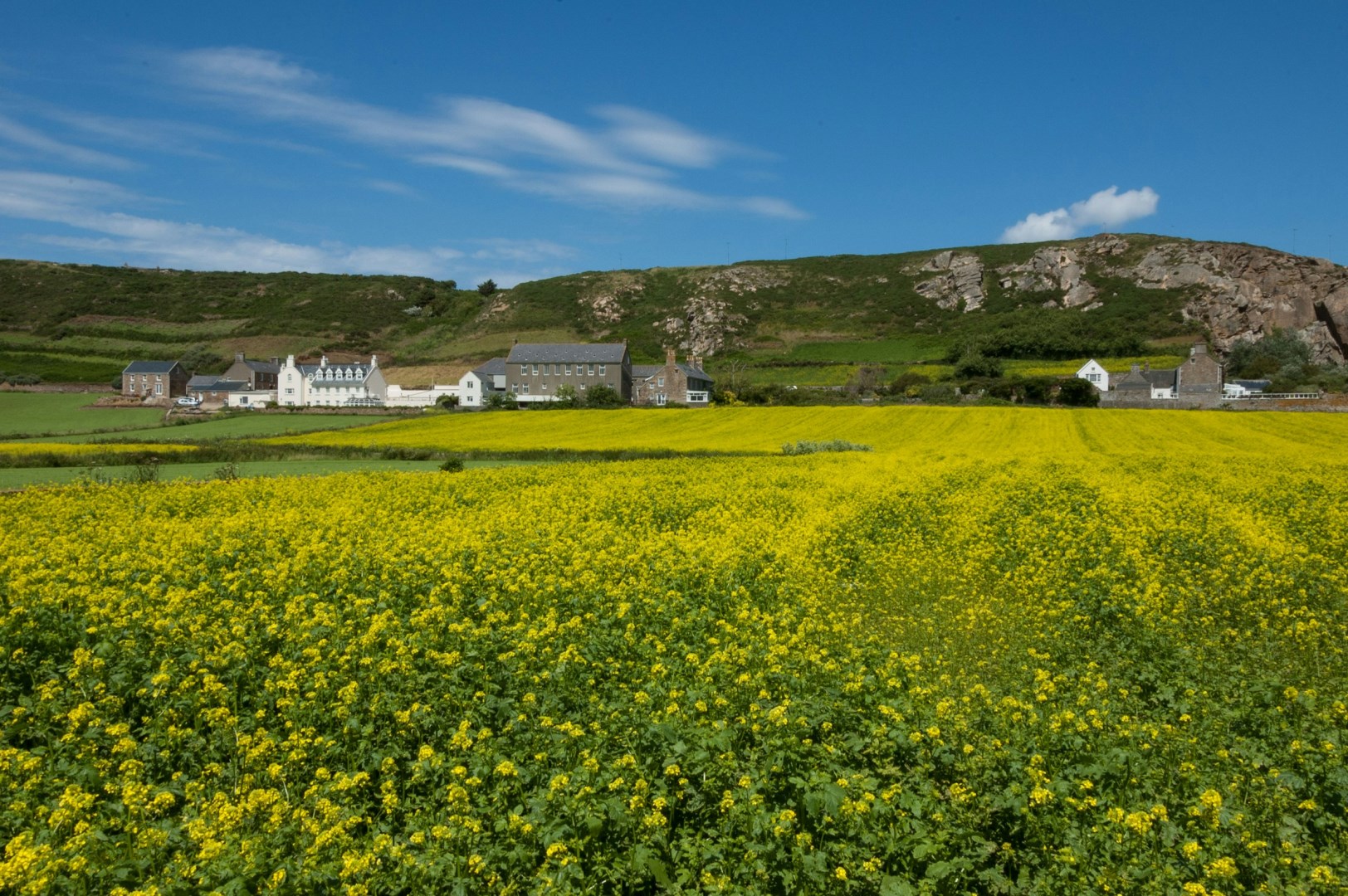
St Ouen
St Ouen is a rural parish on the northwestern side of Jersey, occupying much of the island’s largest bay and a broad area of open countryside. Its landscape is defined by long beaches, dunes, heathland, fields, and a rugged Atlantic coastline. St Ouen’s Bay stretches for about eight kilometres and is closely associated with Jersey’s surfing tradition, while the parish’s inland lanes lead through farmland and small settlements.
