
Vienna
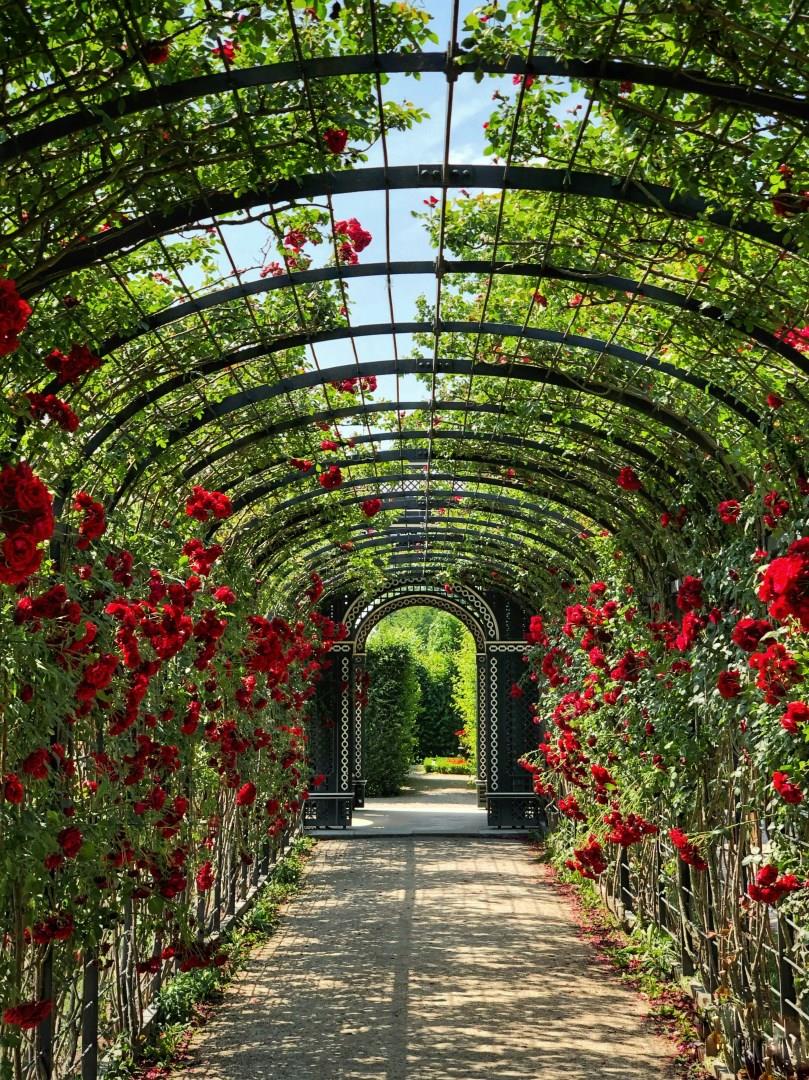
Vienna has a long memory. Once the capital of the Habsburg Empire, the city still carries signs of its imperial past in its palaces, concert halls, and wide boulevards. Visitors can walk through the Hofburg complex, where emperors once ruled, or tour the opulent rooms of Schönbrunn Palace, which features 1,441 rooms and a maze in its gardens. But Vienna’s many historic buildings now house contemporary art museums, cafés, and institutions that reflect the city’s modern identity.
Plymouth
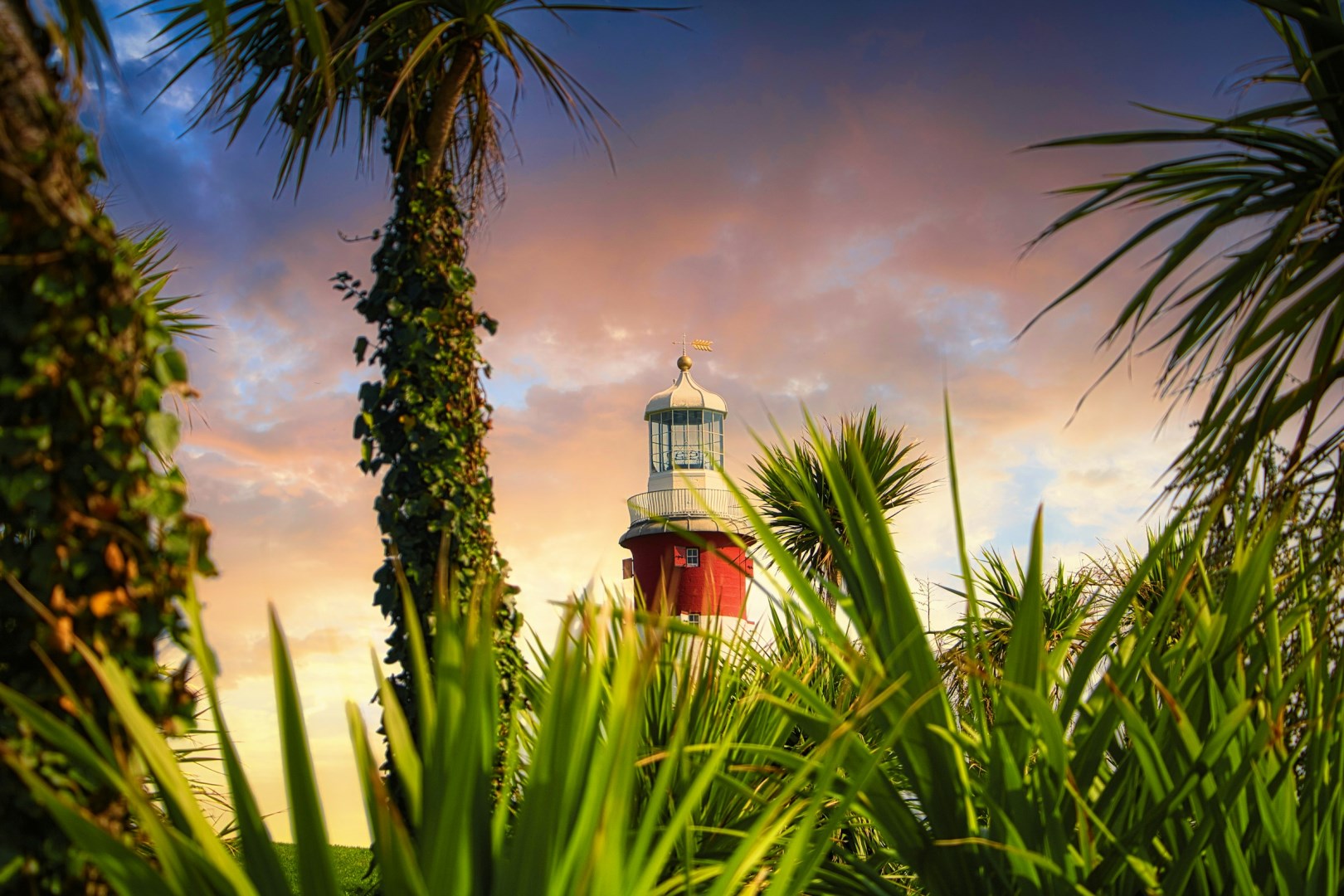
Plymouth sits on England’s southwest coast, where the River Plym meets the sea, forming a wide natural harbor that has shaped the city’s identity for generations. The waterfront remains central to daily life, with views stretching across Plymouth Sound and boats moving in and out of the marina. Visitors often begin along the historic Barbican, an area of narrow streets and old buildings that survived past conflicts and now house independent shops, galleries, and small cafés.

Grand Tetons
Grands Tetons offer many opportunities for hiking climbing, rafting and other outdoor sports. There are also many relaxing activities around the lake or indoors.

Bay of Kotor
Enclosed by mountains, the Bay of Kotor is dotted with historic towns, medieval fortifications, and centuries-old churches, making it a must-visit location for travelers looking to explore a unique coastal landscape.
Labuan Bajo
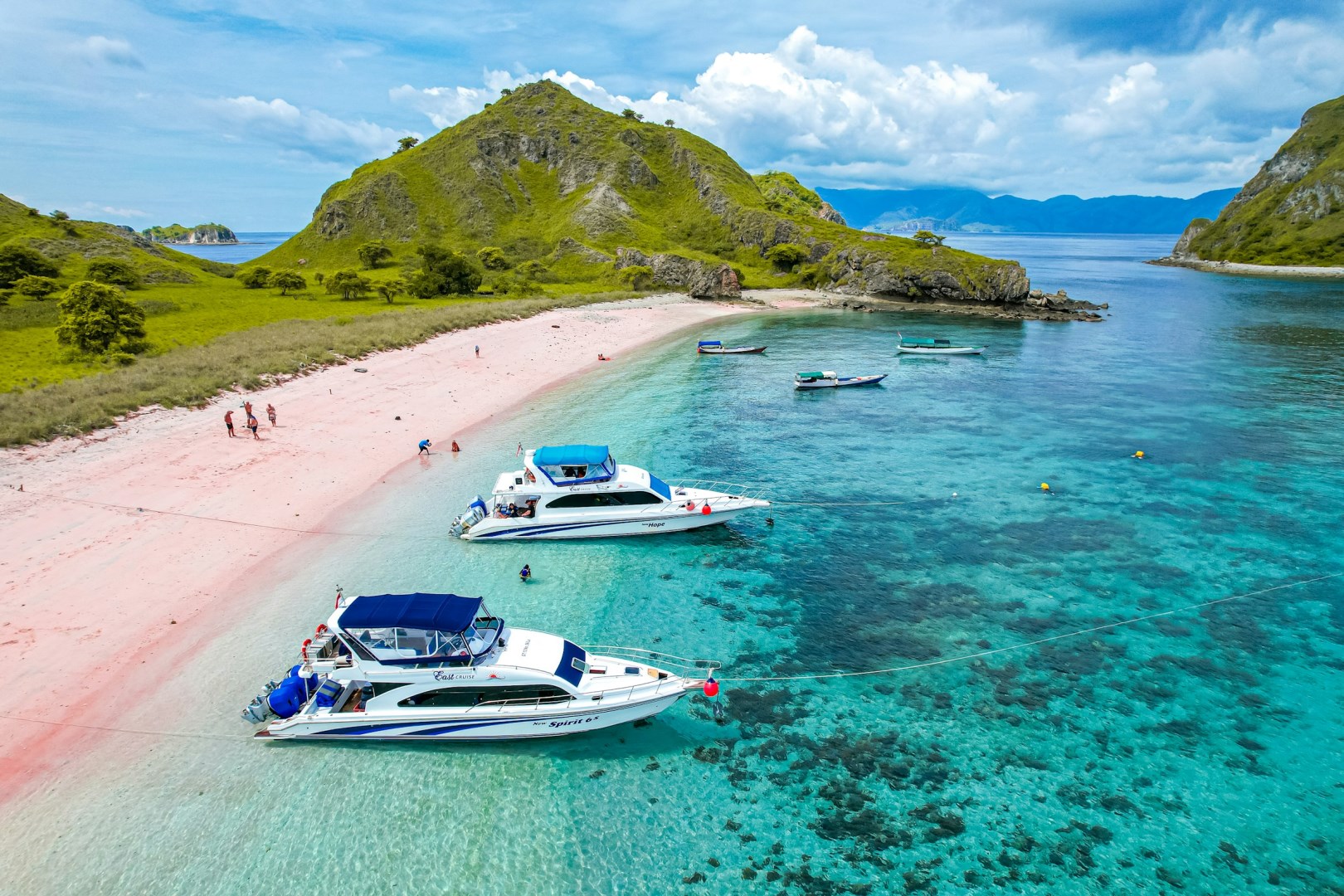
Labuan Bajo is a coastal town on the western tip of Flores in East Nusa Tenggara, facing the waters between Flores and Sumbawa. It serves as the main gateway to Komodo National Park and is also a center for travel across western Flores. The town sits beside a sheltered harbor surrounded by small islands, dry hills, and coastal landscapes.
