
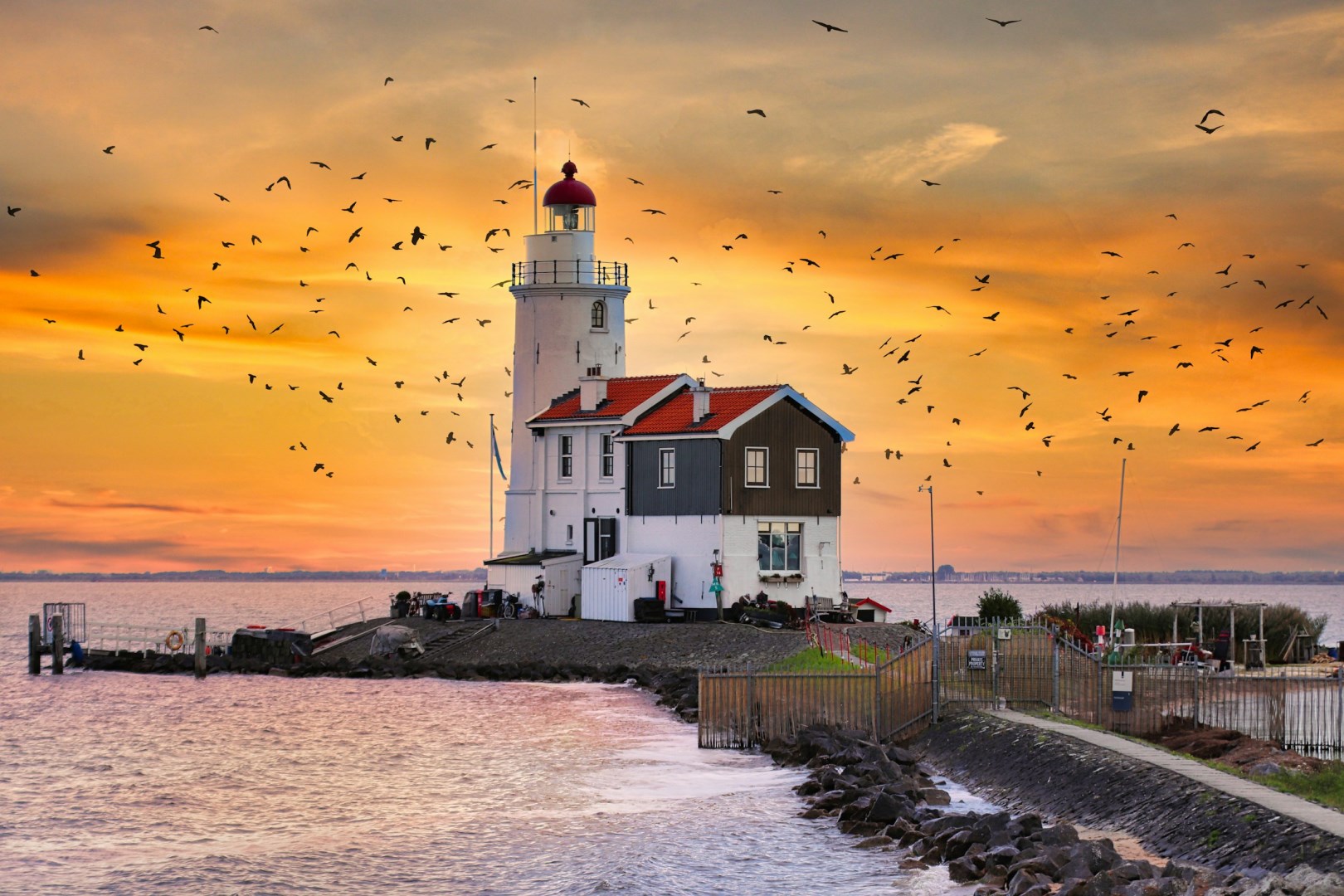
Marken
An island in the Iisselmeer until 1957 when it was linked to the mainland by a dike. Its unique houses are painted deep green and built on stilts to protect them against the raging sea.

South Dakota
South Dakota, known for its striking contrasts, from sacred Indigenous landmarks to dramatic prairie landscapes, offers travelers a rare chance to experience stories etched in both stone and living tradition. Mount Rushmore may be the most photographed site, but just 17 miles away, the Crazy Horse Memorial tells a deeper story. In the west, the Black Hills are full of geological surprises and sacred sites. Custer State Park offers scenic drives where herds of bison often stop traffic.
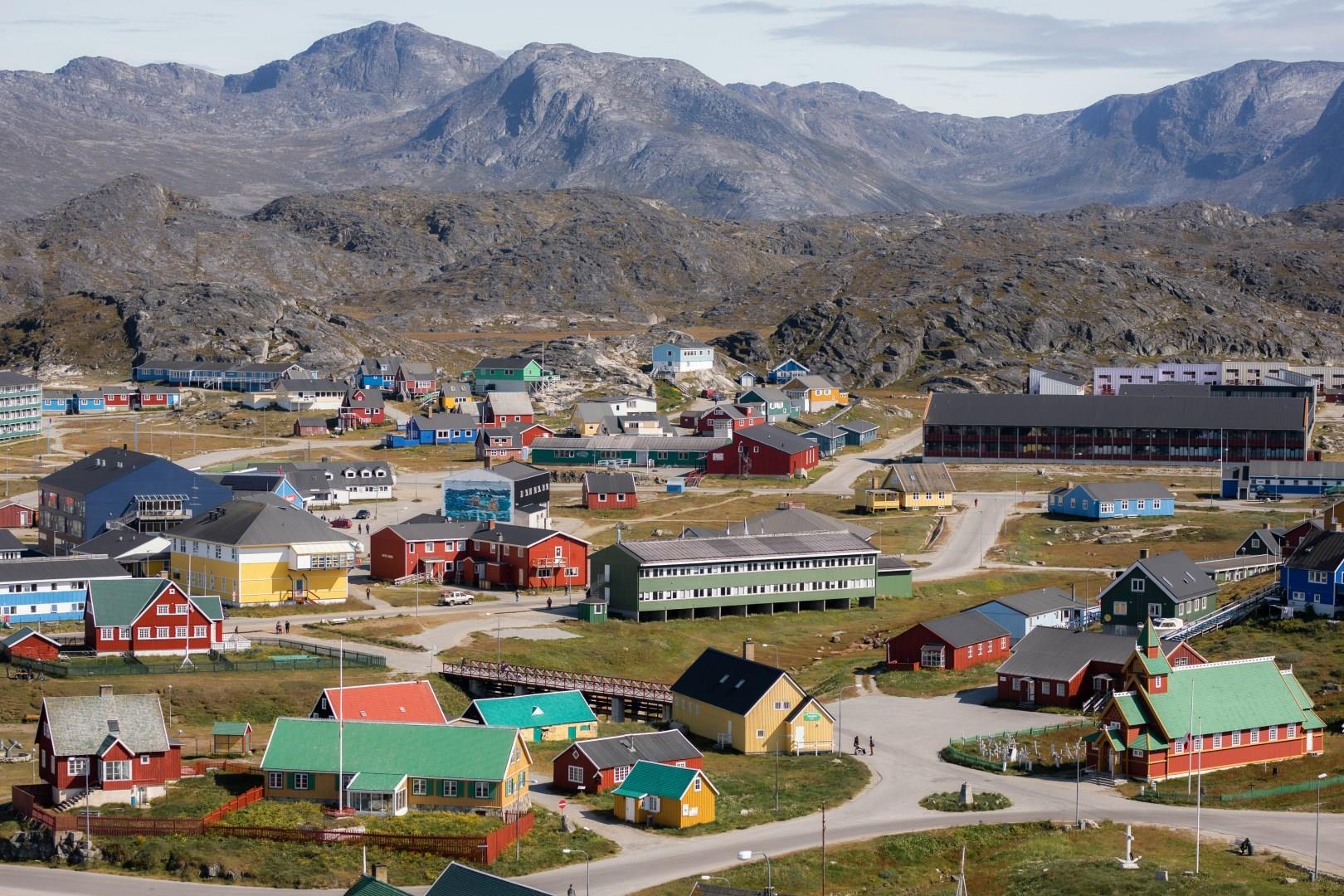
Paamiut
Paamiut lies on Greenland’s southwest coast, where the Labrador Sea meets a rocky, fjord-cut shoreline. Established in the 18th century as a Danish trading post and mission, the town developed around fishing and sealing, activities that continue to shape daily life.
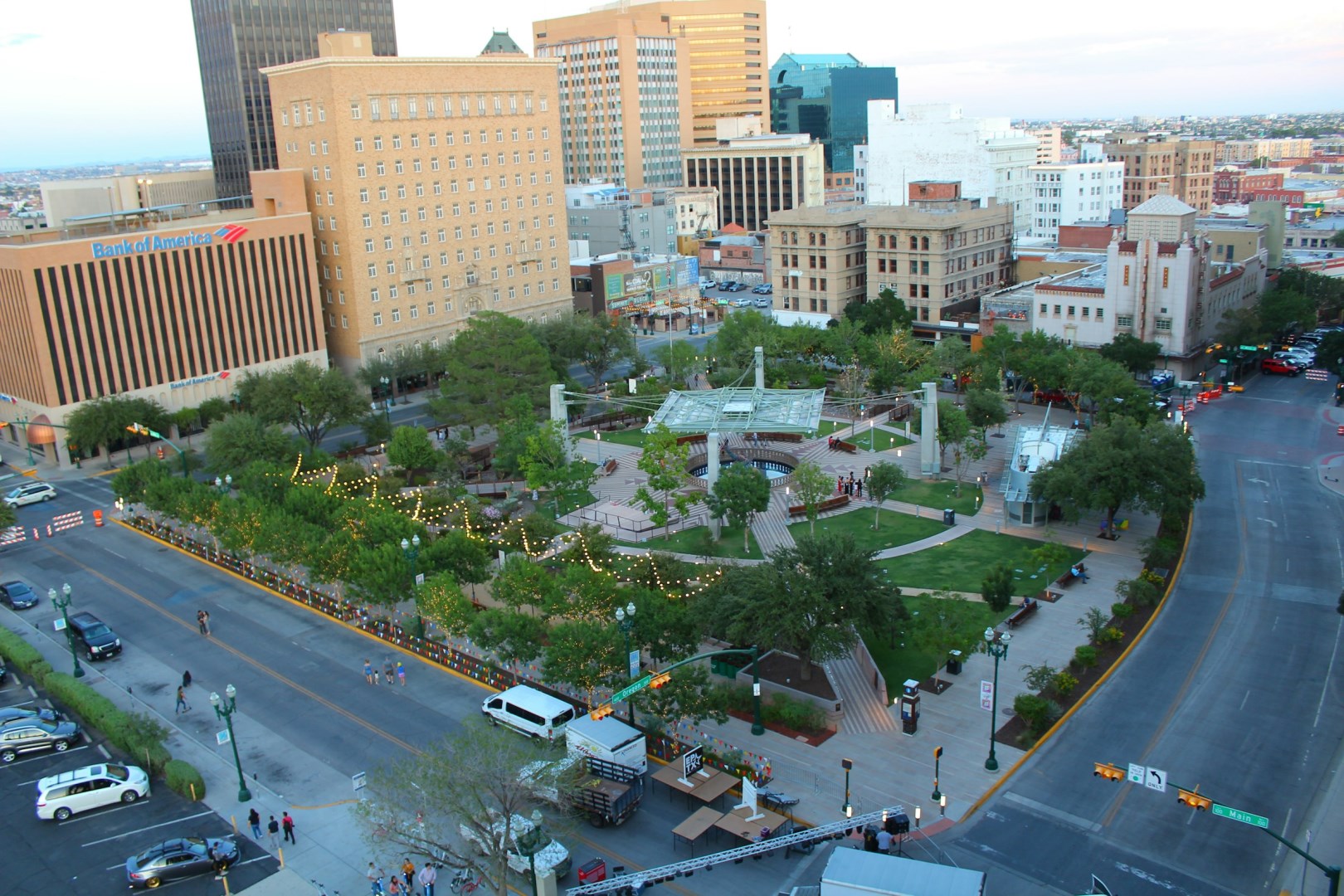
El Paso
El Paso, located in far western Texas along the Rio Grande, is a vibrant border city that blends American, Mexican, and Native American cultures. Its location at the meeting point of Texas, New Mexico, and Chihuahua, Mexico, has shaped a rich cultural tapestry, visible in its architecture, cuisine, and community traditions. El Paso’s history stretches from indigenous settlements to Spanish colonial influence, all of which contribute to the city’s unique identity.
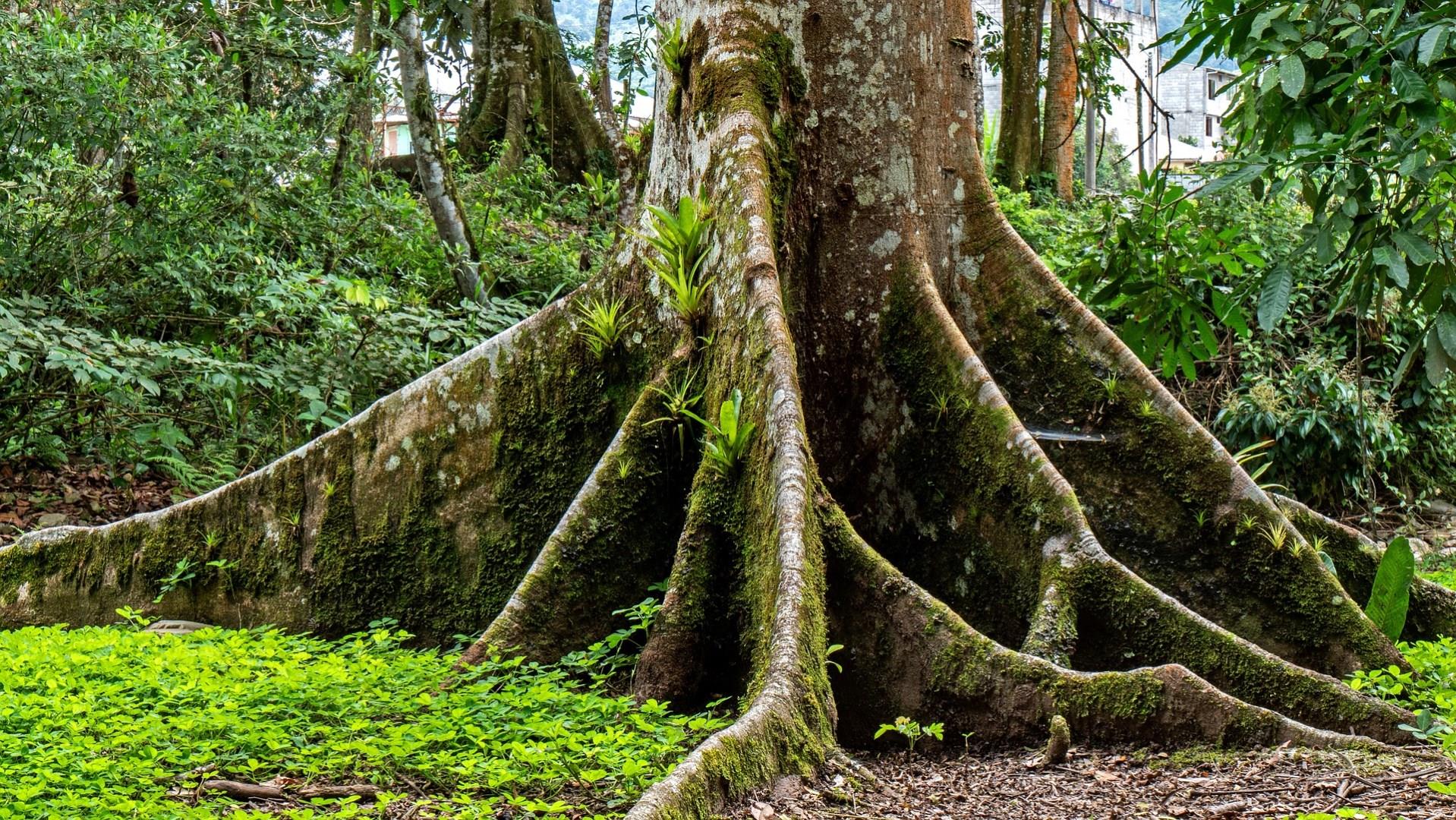
Ecuador
In the heart of South America, Ecuador offers a compact yet astonishingly diverse experience for travelers. From the cobbled streets of Quito’s historic center to the vibrant Afro-Ecuadorian rhythms of Esmeraldas, the country pulses with stories waiting to be discovered. Just a short drive away, visitors can stand on the equator line at the “Mitad del Mundo” and participate in engaging experiments that demonstrate the planet’s gravitational quirks.
