
Erfoud
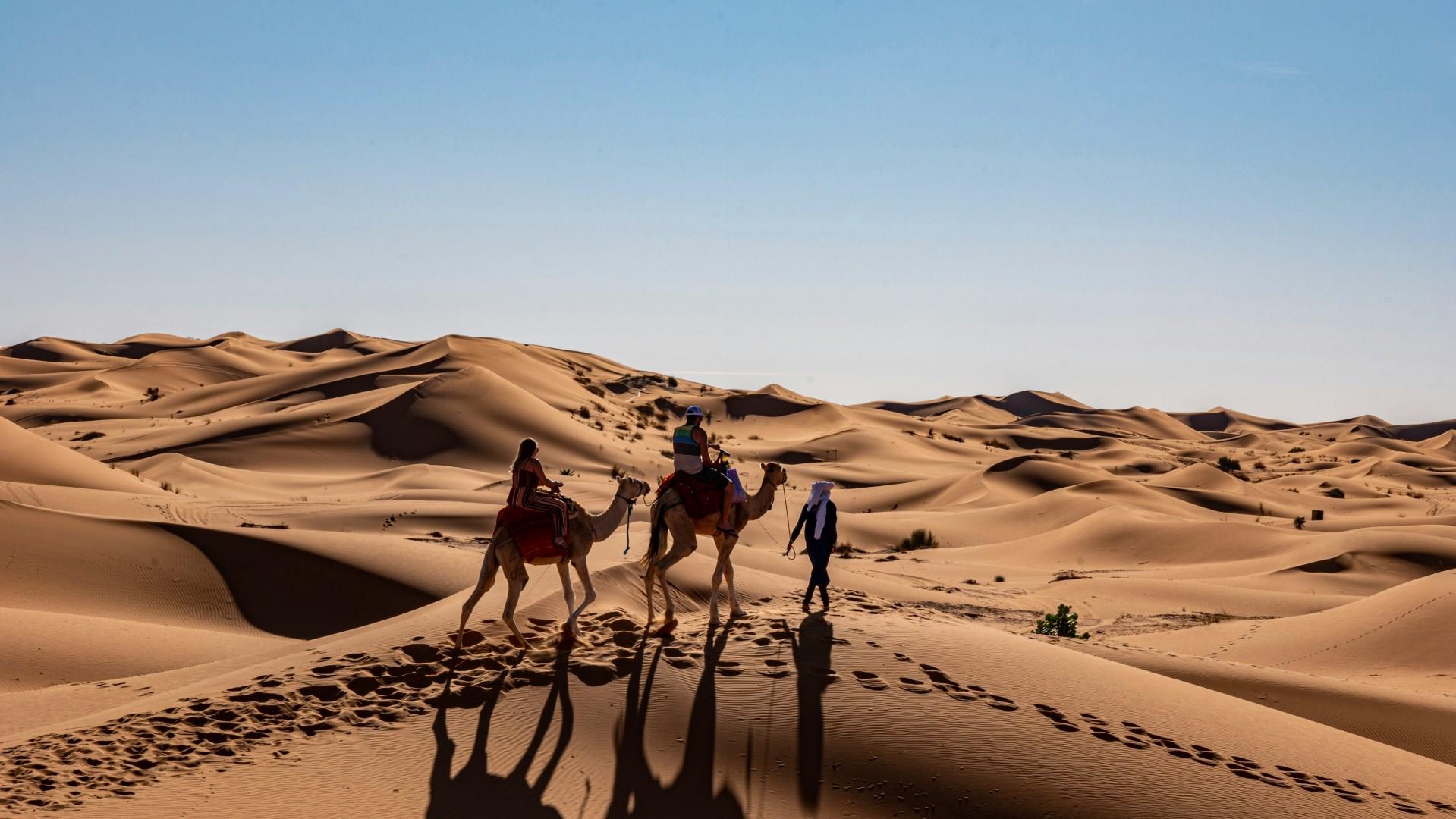
Erfoud, a desert town in eastern Morocco, is often seen as the last stop before the endless dunes of the Sahara begin. But this oasis holds more than just a convenient location. Known as the "Gateway to the Desert," Erfoud is steeped in history that predates the modern borders of Morocco. It was once a French colonial outpost, and today, its dusty streets and adobe buildings offer a glimpse into a slower, older way of life that still shapes the region’s identity.
Dinosaur Provincial Park
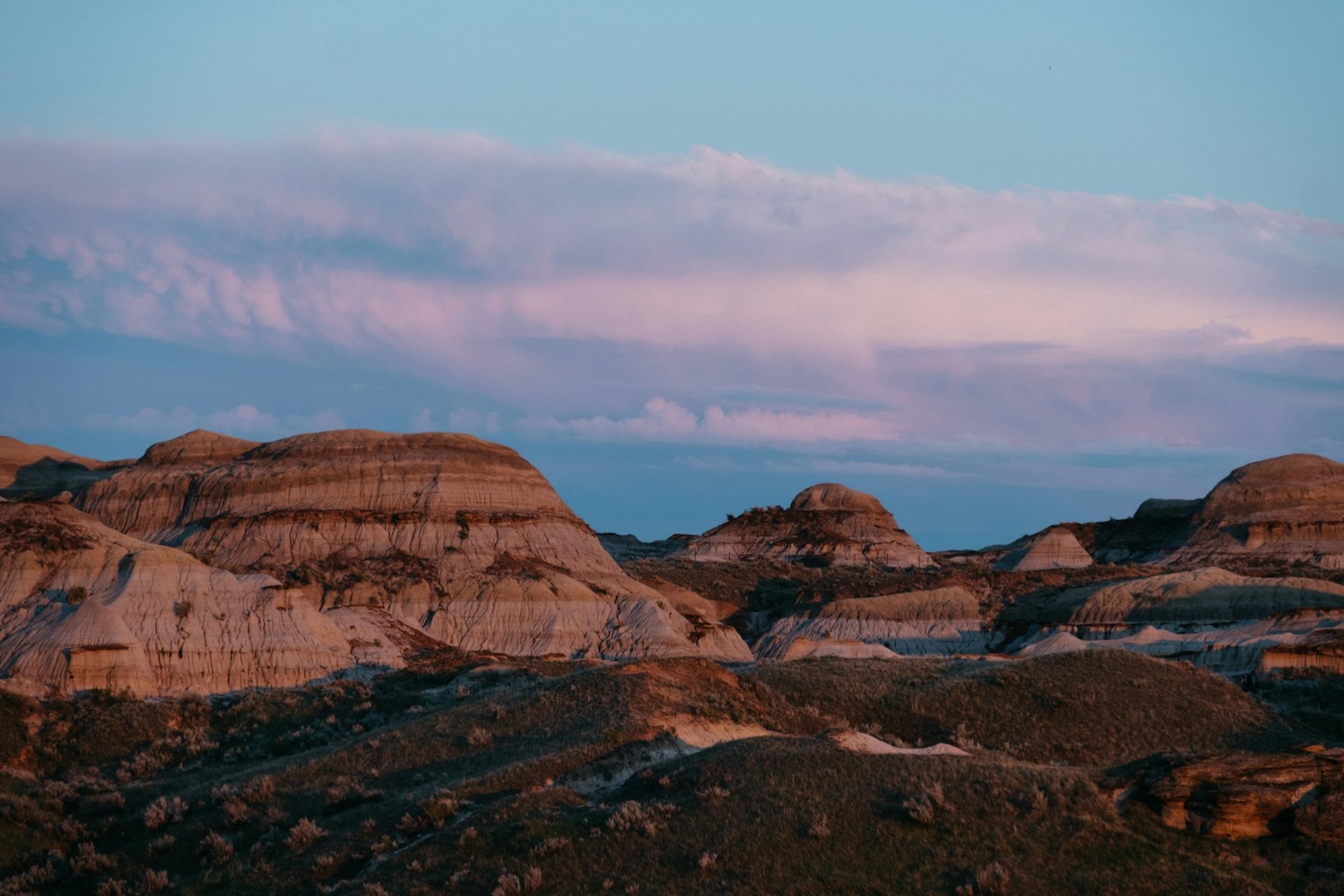
Dinosaur Provincial Park lies in the badlands of southeastern Alberta, along the Red Deer River. The park is recognized as a UNESCO World Heritage Site for both its geological landscape and its exceptional fossil record. Its dry valleys, eroded cliffs, hoodoos, and exposed rock layers reveal sediments from the Late Cretaceous period, when the region supported a very different ecosystem.
Acadia National Park
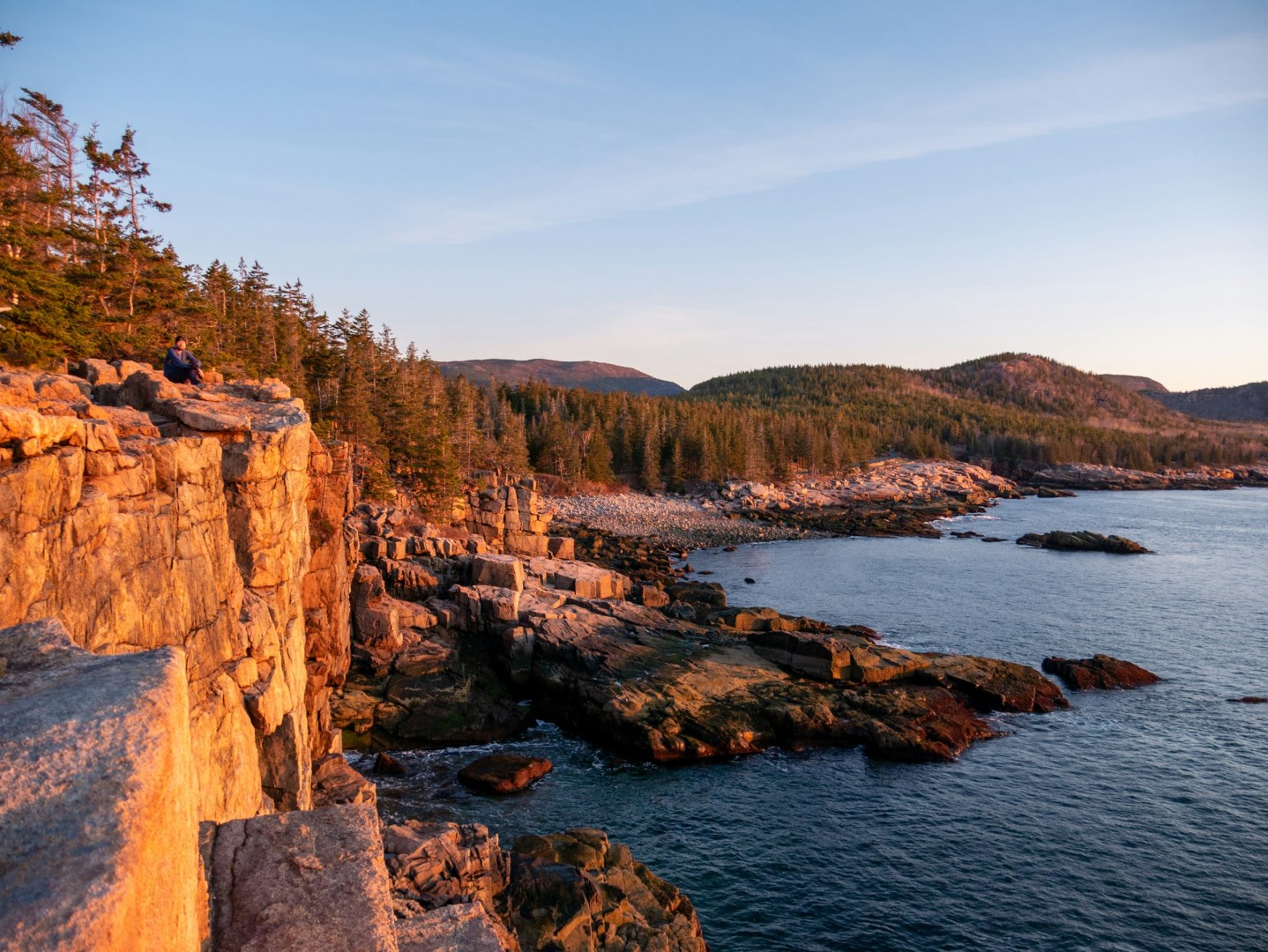
Acadia National Park in Maine is home to the highest point on the United States’ East Coast. The bay side town of Bar Harbor, with its restaurants and shops, is a popular gateway to this 47,000-acre national park filled with dramatic, breathtaking scenery.

Puerto Vallarta
Nestled on the glittering shores of Bahía de Banderas and bordered by mountains to the east, Puerto Vallarta is a vibrant resort town bustling with tourists. You'll still find the traditional whitewashed houses with red-tile roofs, vivid bougainvillea, cobblestone streets, and colorful fishing boats. Puerto Vallarta is sure to charm you on your next visit to this Mexican paradise!
Santander
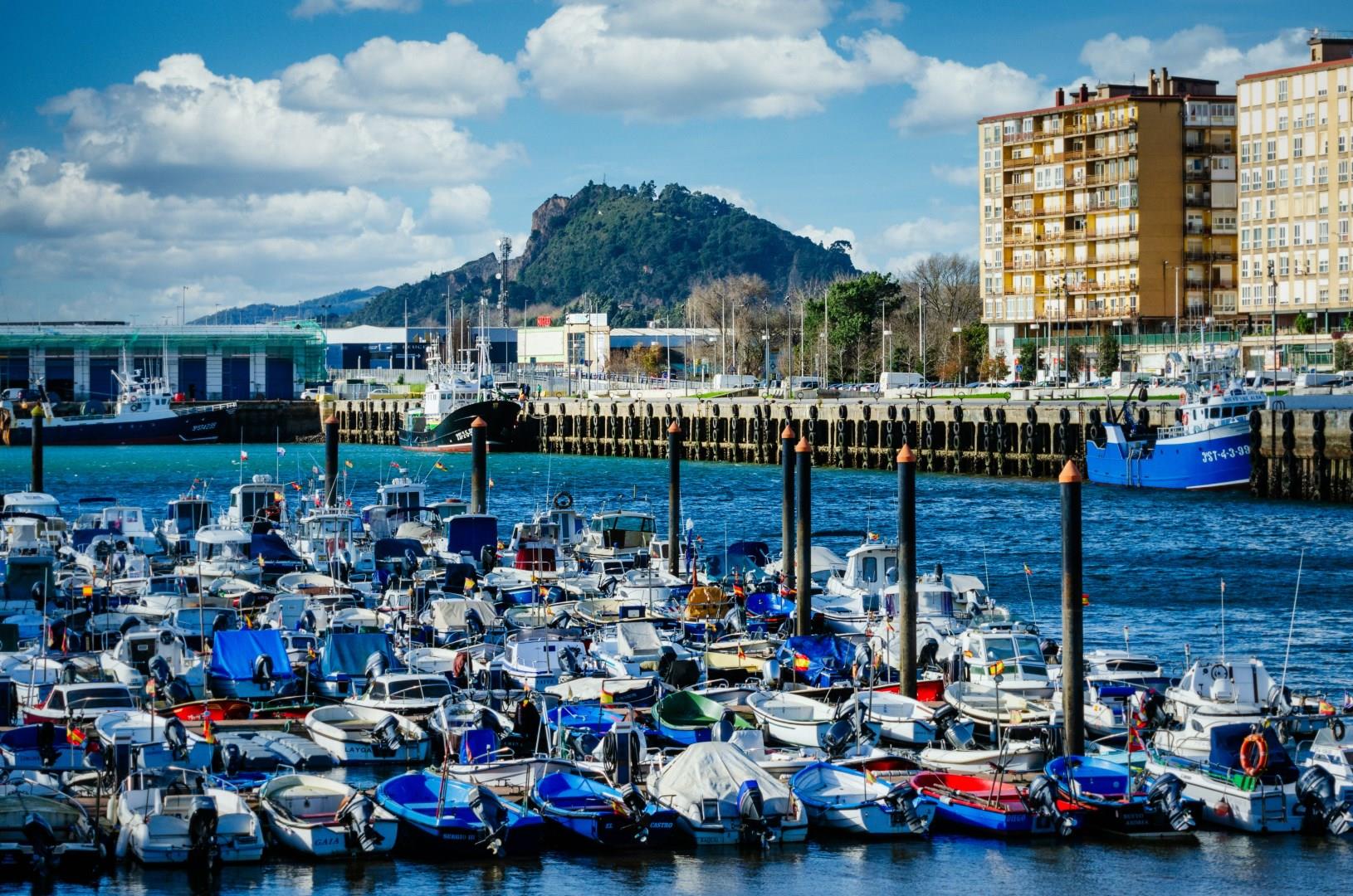
Santander, the capital of Spain’s Cantabria region, sits along the Bay of Biscay and offers travelers a mix of coastline, culture, and history shaped by centuries of maritime life. Once a bustling port for Castilian exports, Santander saw its golden age in the 19th century when Spanish royalty turned it into a summer retreat. The legacy of that era remains visible at the Palacio de la Magdalena, perched on a peninsula with views of the sea and home to royal stables, a mini zoo, and guided tours.
