

Pilsen
Pilsen, located in the western part of the Czech Republic, is renowned for its rich history and vibrant cultural scene. The city is best known as the birthplace of Pilsner beer, a name synonymous with the iconic pale lager that has become a global standard.
Minneriya National Park
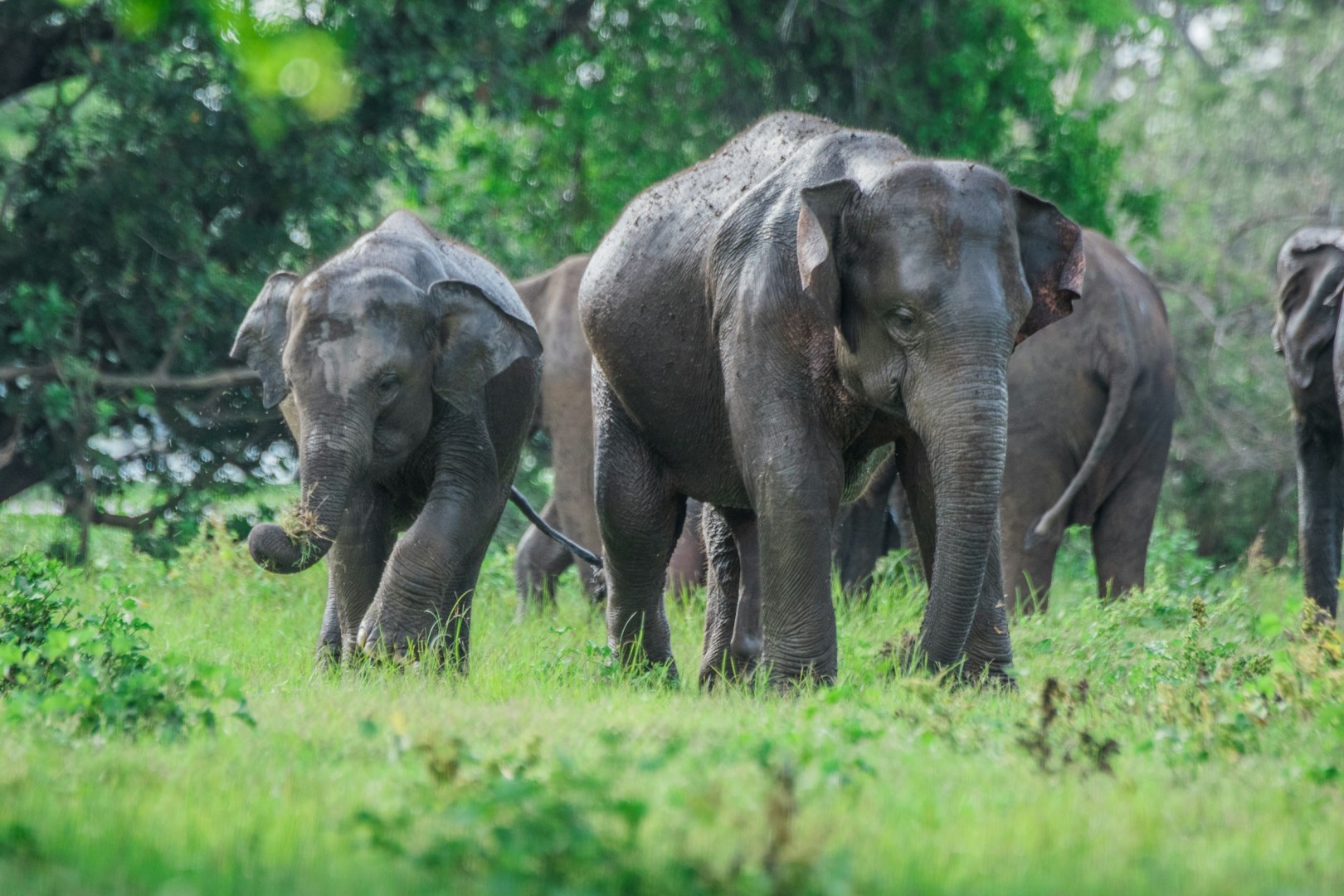
Minneriya National Park lies in Sri Lanka’s North Central Province between Habarana and Polonnaruwa, within the island’s dry zone. The park covers about 8,890 hectares and is centered on the Minneriya Tank, an ancient irrigation reservoir that remains an important source of water for the surrounding landscape. Dry mixed evergreen forest, scrub, grassland, wetlands, and open areas around the reservoir create a varied habitat for wildlife. The park is particularly known for its Asian elephants, wh

Dominica
Dominica, known as the “Nature Island of the Caribbean,” is a haven for eco-tourists and adventure seekers. Nestled between the French islands of Guadeloupe and Martinique, this lush island boasts a remarkable landscape of volcanic mountains, dense rainforests, and stunning waterfalls. Dominica’s most iconic natural wonder is the Boiling Lake, the second-largest hot spring in the world.
Pretoria
Pretoria, one of South Africa’s three capital cities, serves as the administrative capital and is renowned for its stately architecture, tree-lined avenues, and historical significance. Established in the mid-19th century, it reflects a blend of colonial Dutch, British, and Afrikaner influences.
Abu Simbel
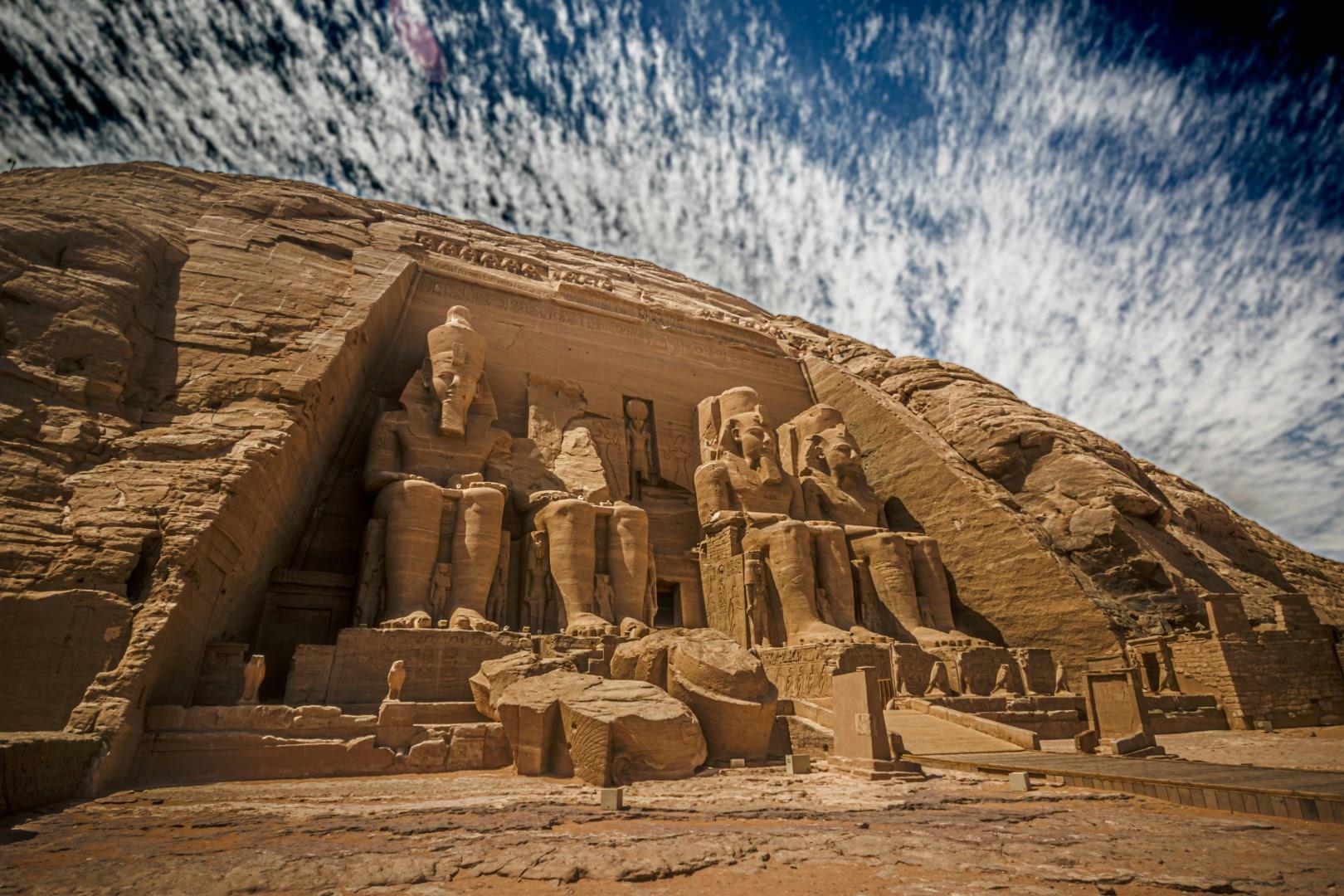
Abu Simbel, in southern Egypt near the border with Sudan, is one of the most awe-inspiring archaeological sites of the ancient world. Built during the reign of Pharaoh Ramses II in the 13th century BCE, the twin temples were carved directly into the sandstone cliffs overlooking the Nile. The Great Temple, with its four colossal statues of Ramses II seated at the entrance, was designed not only to honor the pharaoh but also to project his power to neighboring Nubia.
