
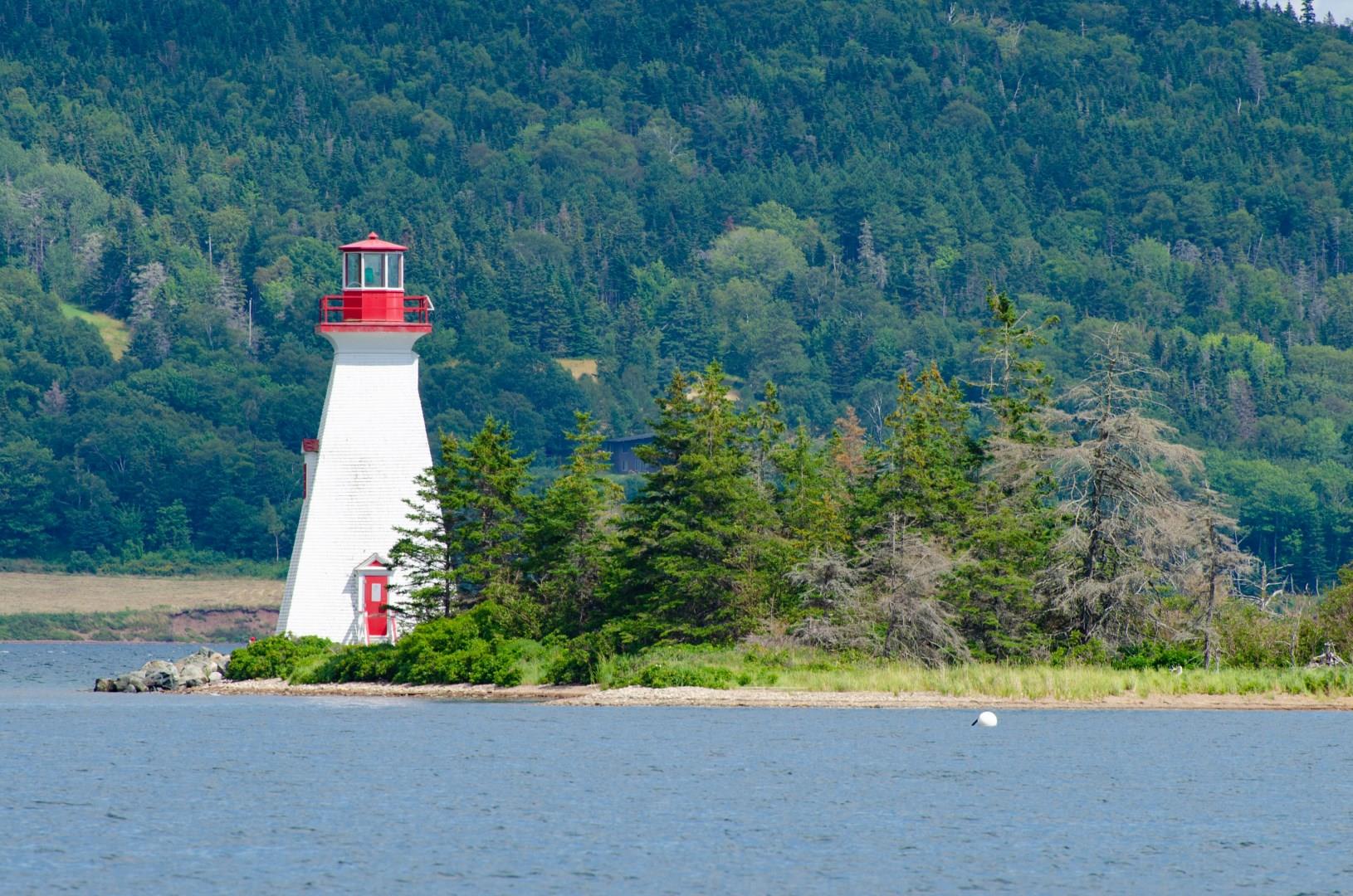
Baddeck, Cape Breton Island
Baddeck sits along the calm waters of the Bras d’Or Lake on Cape Breton Island in Nova Scotia, a village with deep roots and stories to tell. Its name comes from an Indigenous word thought to mean “place with an island near,” a nod to nearby Kidston Island and the long history of the Mi’kmaq people in the area. A highlight for many visitors is the Alexander Graham Bell National Historic Site, where the legacy of one of history’s most inventive minds comes alive.
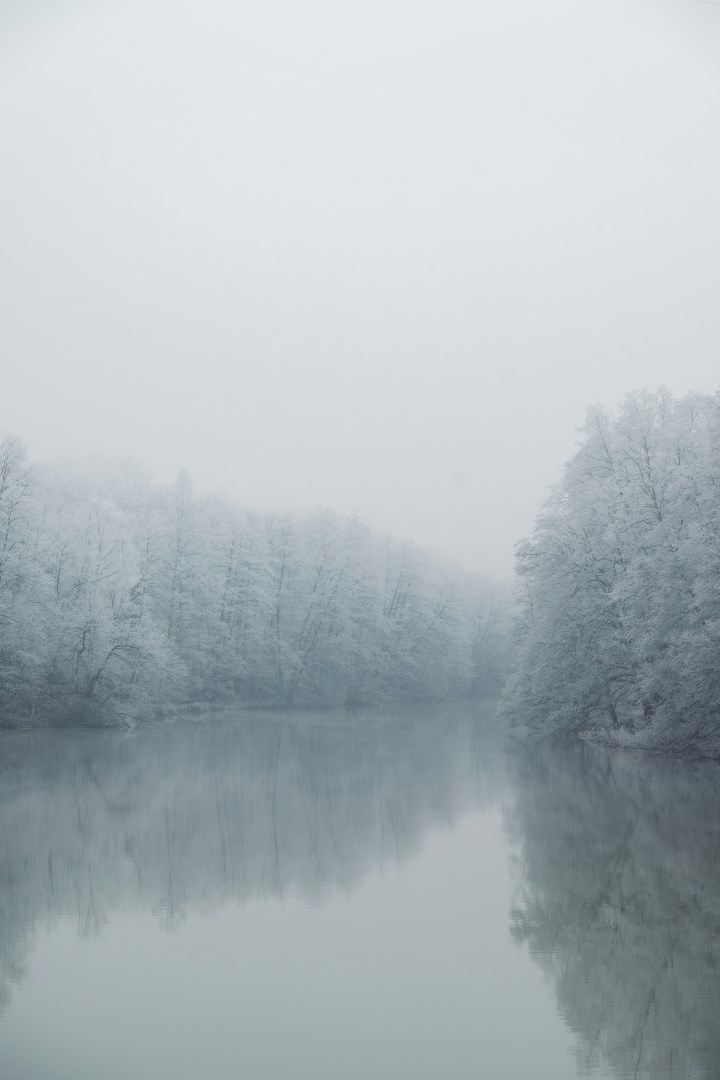
Vilshofen
Vilshofen is a town in Lower Bavaria, Germany, located where the Vils River meets the Danube. The town is known for its riverside setting, colorful historic center, and role as a regional transportation point along the Danube corridor.
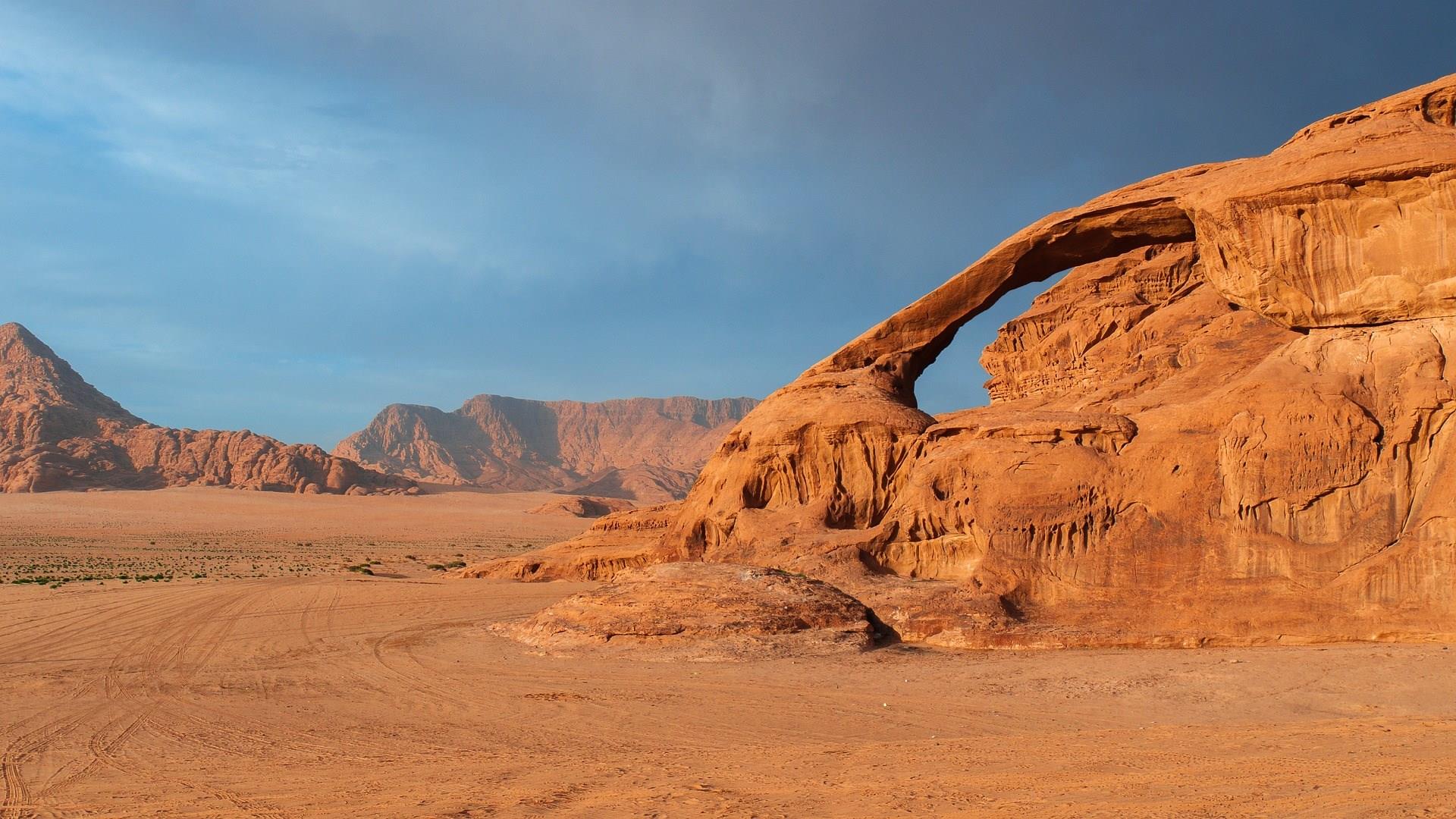
Wadi Rum
Wadi Rum, often called the “Valley of the Moon,” is a desert landscape in southern Jordan renowned for its dramatic sandstone mountains, sweeping red sand dunes, and ancient history carved into the rock. Its vast, otherworldly scenery has made it both a UNESCO World Heritage Site and a backdrop for films set on distant planets.

Ranthambore National Park
Ranthambore, a gem of Rajasthan, India, is where wildlife and history intertwine seamlessly to create an unforgettable travel experience. Famous for the Ranthambore National Park, this destination is a haven for those seeking a close encounter with nature’s most magnificent creatures. The park, once the hunting grounds of the Maharajas of Jaipur, now stands as a vital sanctuary for Bengal tigers, leopards, sloth bears, and over 300 species of birds.
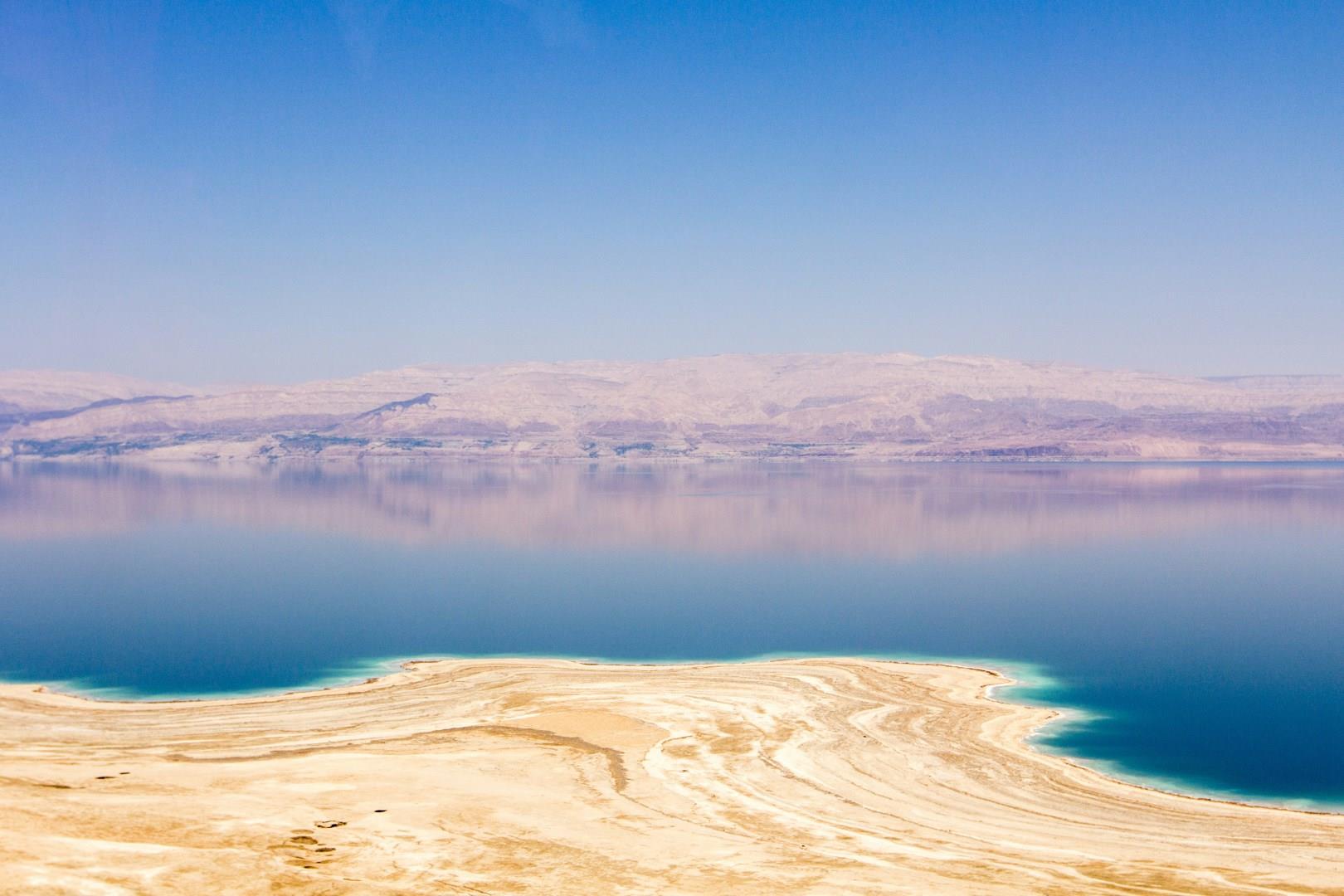
Dead Sea
The Dead Sea lies at the lowest point on Earth, around 430 meters below sea level, and features water with nearly ten times the salinity of the ocean. That level of salinity makes floating on its surface effortless. Visitors can lie back without effort, with views opening across barren hills and reflective water. This shoreline also hosts a mix of minerals collected over millennia and known for their soothing effect on skin and joints.
